Bevölkerungswachstum: Wie machen wir aus einer Last, die die Entwicklung verschlingt, einen menschlichen Reichtum?
Ägyptens Bevölkerung hat die Hundert-Millionen-Marke überschritten, und jeder Entwicklungsfortschritt wird zu einem großen Teil vom Bevölkerungswachstum wieder aufgezehrt. Doch die Erfahrungen Irans, Bangladeschs, Indonesiens, Tunesiens und Südkoreas beweisen: Der Wandel ist möglich – von einer Last, die die Wirtschaft auslaugt, zu einem menschlichen Reichtum, der den Aufschwung trägt. Hier ist die Landkarte der praktischen Lösungen: was die Familie tut, was der Staat tut und was die Medien tun.
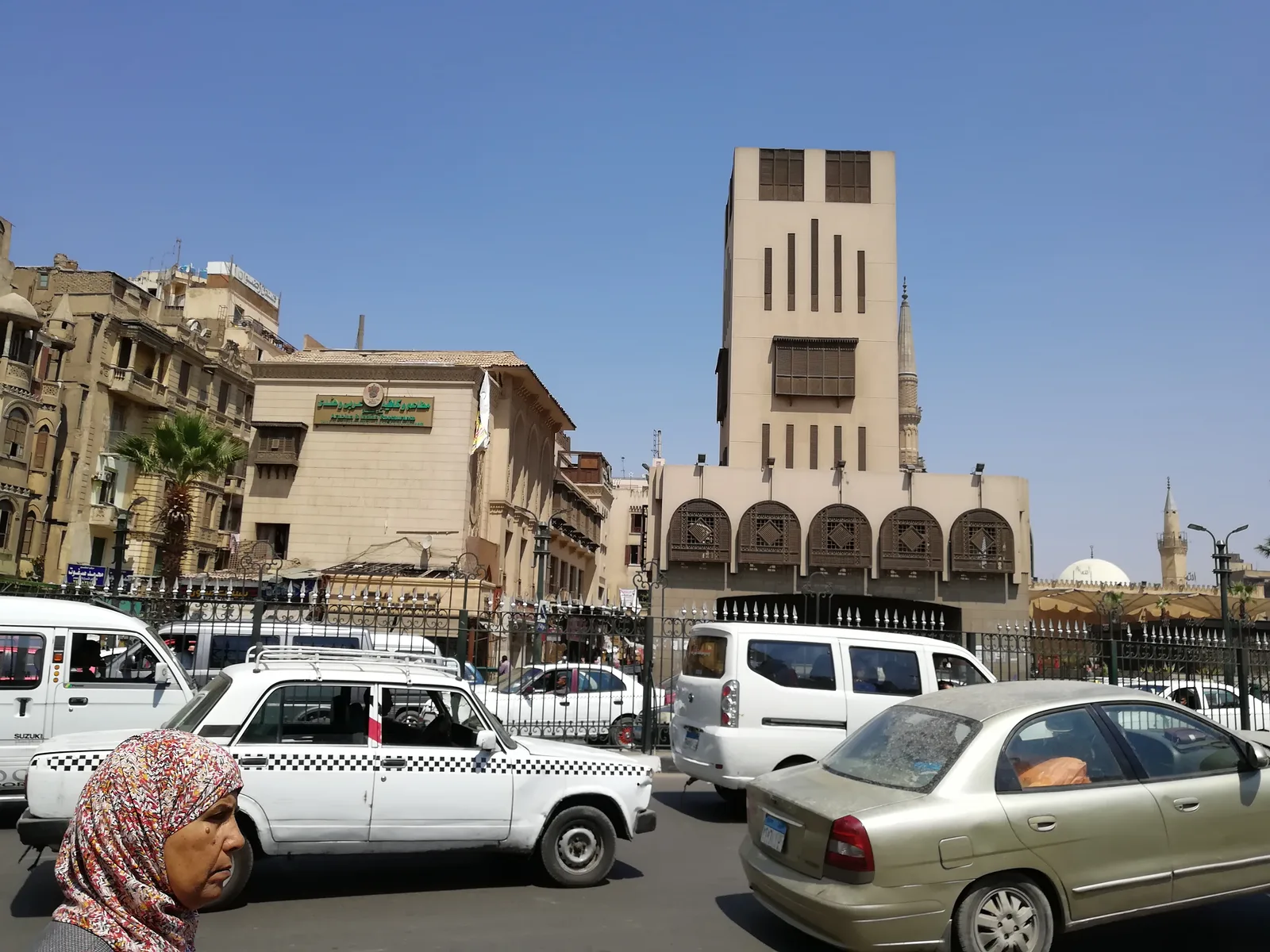
Im Februar 2020 überschritt Ägyptens Bevölkerung offiziell die Marke von hundert Millionen Menschen; heute sind es mehr als hundertsechs Millionen. Jahr für Jahr baut der Staat Schulen und Krankenhäuser, schafft Arbeitsplätze und stellt Wohnungen fertig – und Jahr für Jahr verschlingt das Bevölkerungswachstum einen großen Teil dieses Zuwachses, bevor die Bürger ihn überhaupt spüren. Das sind keine Parolen, sondern eine Rechnung, die jeder Haushalt täglich erlebt: in überfüllten Klassenzimmern, in den Warteschlangen der Krankenhäuser und im Gedränge um Arbeit.
Die Rechnung der Last ist einfach: Das Wirtschaftswachstum wird durch die Zahl der Menschen geteilt. Was die Wirtschaft auch hinzugewinnt – ein schnelleres Bevölkerungswachstum zehrt den Anteil des Einzelnen daran auf: beim Wasser, dessen Pro-Kopf-Anteil Jahr für Jahr zurückgeht, bei der Bildung, beim Wohnraum und bei den Hunderttausenden Arbeitsplätzen, die jedes Jahr allein deshalb geschaffen werden müssen, um die Neuzugänge auf dem Arbeitsmarkt aufzunehmen – noch bevor davon die Rede ist, die Lage derer zu verbessern, die schon dort sind.
Seien wir genau in dem, was wir sagen, und in dem, was wir nicht sagen: Dies ist keine Kampagne gegen Kinder, sondern gegen ungeplante Geburten. Der Mensch ist der größte Reichtum der Nationen, wenn er gebildet, gesund und in Arbeit ist; die Last liegt in der Lücke zwischen dem Tempo, in dem die Menschen mehr werden, und dem Tempo, in dem Ressourcen, Schulen und Arbeitsplätze wachsen. Diese Lücke zu schließen – das ist die ganze Frage.
Ägypten hat nicht tatenlos zugesehen: Die Kampagne „Zwei sind genug“, 2018 vom Ministerium für Soziale Solidarität gestartet, trug die Aufklärung über Familienplanung bis in die Haushalte auf dem Land; die Gesundheitsstationen bieten Leistungen der Familienplanung an, und die nationalen Bevölkerungsstrategien setzen aufeinanderfolgende Ziele. Amtliche Erhebungen weisen auf einen Rückgang der Geburtenrate in den vergangenen Jahren hin – ein echter Fortschritt, doch die Rate liegt weiterhin über dem Reproduktionsniveau, und der jährliche Zuwachs bleibt gewaltig. Die Lehre aus den erfolgreichen Erfahrungen der Welt lautet: Solche Anstrengungen müssen über Jahrzehnte getragen werden, nicht über eine Saison.
Betrachten Sie den Iran der neunziger Jahre – einer der schnellsten dokumentierten Geburtenrückgänge der Geschichte. Die religiöse Führung befürwortete die Familienplanung öffentlich, ein ländliches Netz von „Gesundheitshäusern“ brachte kostenlose Leistungen in die Dörfer, und Heiratswillige nahmen an Aufklärungskursen teil. In rund anderthalb Jahrzehnten fiel der Durchschnitt von etwa sechs Kindern je Frau Mitte der achtziger Jahre auf etwa zwei zu Beginn des neuen Jahrtausends.
Betrachten Sie Bangladesch, das ärmer war als Ägypten, als es begann. Gesundheitshelferinnen klopften an die Türen und brachten Beratung und Verhütungsmittel zu Frauen, die keine Klinik erreichten; die Bildung von Mädchen wurde ausgeweitet, und Kleinkredite sowie Arbeit in der Bekleidungsindustrie verschafften Millionen Frauen Einkommen und Ansehen. So sank die Geburtenrate von mehr als sechs Kindern je Frau in den siebziger Jahren auf heute etwa zwei.
Betrachten Sie Indonesien, das bevölkerungsreichste mehrheitlich muslimische Land der Welt. Seit 1970 baute seine nationale Behörde für Familienplanung ein Programm auf, das jedes Dorf erreichte, und band die Dorfältesten und die Religionsgelehrten ein, statt sich mit ihnen anzulegen – ein Beleg dafür, dass sich dieses Anliegen aus dem Glauben und den Werten einer Gesellschaft heraus vertreten lässt und nicht gegen sie.
Betrachten Sie Tunesien, den Vorreiter der arabischen Welt. Schon seit dem Ende der fünfziger und in den sechziger Jahren hob es das Heiratsalter an, investierte in die Bildung der Mädchen, erweiterte die Rechte der Frauen und machte Mittel der Familienplanung zugänglich – und hielt über Jahrzehnte hinweg eine der niedrigsten Geburtenraten der arabischen Welt.
Dann folgt die andere Hälfte der Geschichte: den Jugendüberschuss in eine demografische Dividende zu verwandeln. Südkorea stand um 1960 bei einer Geburtenrate von nahezu sechs Kindern und einem bescheidenen Einkommen. Es senkte die Geburtenzahl und pumpte zugleich Investitionen in hochwertige Bildung und in Exportindustrien, sodass seine große junge Generation als qualifizierte Arbeitskraft in den Arbeitsmarkt eintrat und nicht als arbeitslose Jugend. Ökonomen führen einen großen Teil des „asiatischen Wunders“ genau auf diese Dividende zurück: weniger Abhängige, mehr Erwerbstätige, höhere Ersparnisse – vorausgesetzt, die Erwerbstätigen sind gebildet und die Arbeitsplätze sind vorhanden.
In all diesen Beispielen kehren dieselben Fäden wieder. Die Bildung der Mädchen und die Erwerbstätigkeit der Frauen sind die beiden stärksten Hebel, die je erprobt wurden: Eine gebildete, berufstätige Frau entscheidet sich für eine reifere Ehe und für weniger und gesündere Kinder. Die Dienste müssen zu den Menschen reisen, statt auf sie zu warten. Religiöse und gesellschaftliche Autoritäten müssen Partner sein. Und das Engagement des Staates muss über Jahrzehnte und Regierungen hinweg reichen, unempfindlich gegen wechselnde Stimmungen.
Was kann die Familie tun? Planen und die Geburten zeitlich auseinanderziehen und sich die ehrliche Frage stellen: Kann ich dieses Kind so ausbilden, ernähren und versorgen lassen, wie es sein sollte? Zwei gut ausgebildete und gut betreute Kinder heben eine Familie höher als viele, die dem Zufall überlassen bleiben. Zur Rolle der Familie gehört auch, die Verheiratung Minderjähriger und die Beschneidung von Mädchen abzulehnen – ein Verbrechen, das das ägyptische Gesetz unter Strafe stellt –, denn beides sind Glieder derselben Kette der Armut, die von Generation zu Generation weitergegeben wird.
Und was obliegt dem Staat? Die Kampagnen dauerhaft zu führen und auszuweiten, statt sie aufflammen und verglühen zu lassen; die ländlichen Gesundheitsstationen so auszustatten, dass keine Frau weiter als eine kurze Wegstrecke von kostenlosen Leistungen der Familienplanung entfernt ist; die Beschulung von Mädchen und die Alphabetisierung weiter auszubauen; Frauen echte Wege in Arbeit zu öffnen; und – wo möglich – Förderprogramme an die Gesundheit des Kindes und seinen regelmäßigen Schulbesuch zu koppeln. Vor allem aber: Kontinuität, damit jede Regierung auf dem aufbaut, was ihre Vorgängerin errichtet hat.
Und die Medien, zu denen wir gehören? Unsere Verpflichtung ist es, dieses Thema an vorderster Stelle lebendig zu halten und nicht zu einem Saisonthema zu machen; die erfolgreichen Vorbilder der Welt redlich darzustellen; die Gerüchte und Mythen zu widerlegen, die die Familienplanung umgeben; und die Bürgerinnen und Bürger in einer Sprache anzusprechen, die sie achtet, statt ihnen Vorträge zu halten oder Vorwürfe zu machen – denn Menschen antworten auf Respekt, nicht auf Schelte.
Der Unterschied zwischen Last und Reichtum war nie die Zahl der Menschen, sondern das, was eine Nation in sie investiert. Ägypten verfügt heute über eine gewaltige junge Generation, die der Treibstoff eines echten wirtschaftlichen Aufbruchs sein kann – doch das demografische Fenster bleibt nicht ewig offen. Die Länder, die geplant haben, machten ihre Völker zu ihrem größten Vermögen. Diese Entscheidung ist unsere, und ihre Zeit ist jetzt.
Verwandte Artikel

Kairos Luft ist eine nationale Frage: von der „Schwarzen Wolke“ zum Elektrobus – der Kampf um jeden Atemzug
Jeden Herbst kehrt die „Schwarze Wolke“ zurück und legt sich erstickend über Groß-Kairo. Was aber wirklich tötet, ist das, was wir nicht sehen: Partikel, feiner als ein Haar, die bis in Lunge und Blut vordringen. Am Vorabend des Weltautofreien Tages öffnen wir die Akte zu einem der gravierendsten umweltbedingten Gesundheitsprobleme Groß-Kairos: Was sagen die Zahlen, was wird getan – und was können Sie selbst in Ihrem Alltag tun?
21. September 2026 · 7 Min. Lesezeit

Das Meer erobert das Delta: Wie Ägypten sein fruchtbarstes Land mit Barrieren aus Sand und Schilf verteidigt
An der Küstenstraße von Burullus stehen Sanddünen, von Schilfzäunen gehalten; dahinter kostet ein Bauer das Wasser seines Brunnens und stellt fest, dass es salzig ist. Eine stille Krise bedroht ein Viertel der Ägypter: ein steigendes Meer und sinkendes Land. Der Artikel legt die Gefahr in Zahlen dar, stellt ein 105-Millionen-Dollar-Projekt mit 69 Kilometern weicher Schutzbarrieren vor und fragt, welche Rolle dem Bürger zukommt.
13. September 2026 · 8 Min. Lesezeit
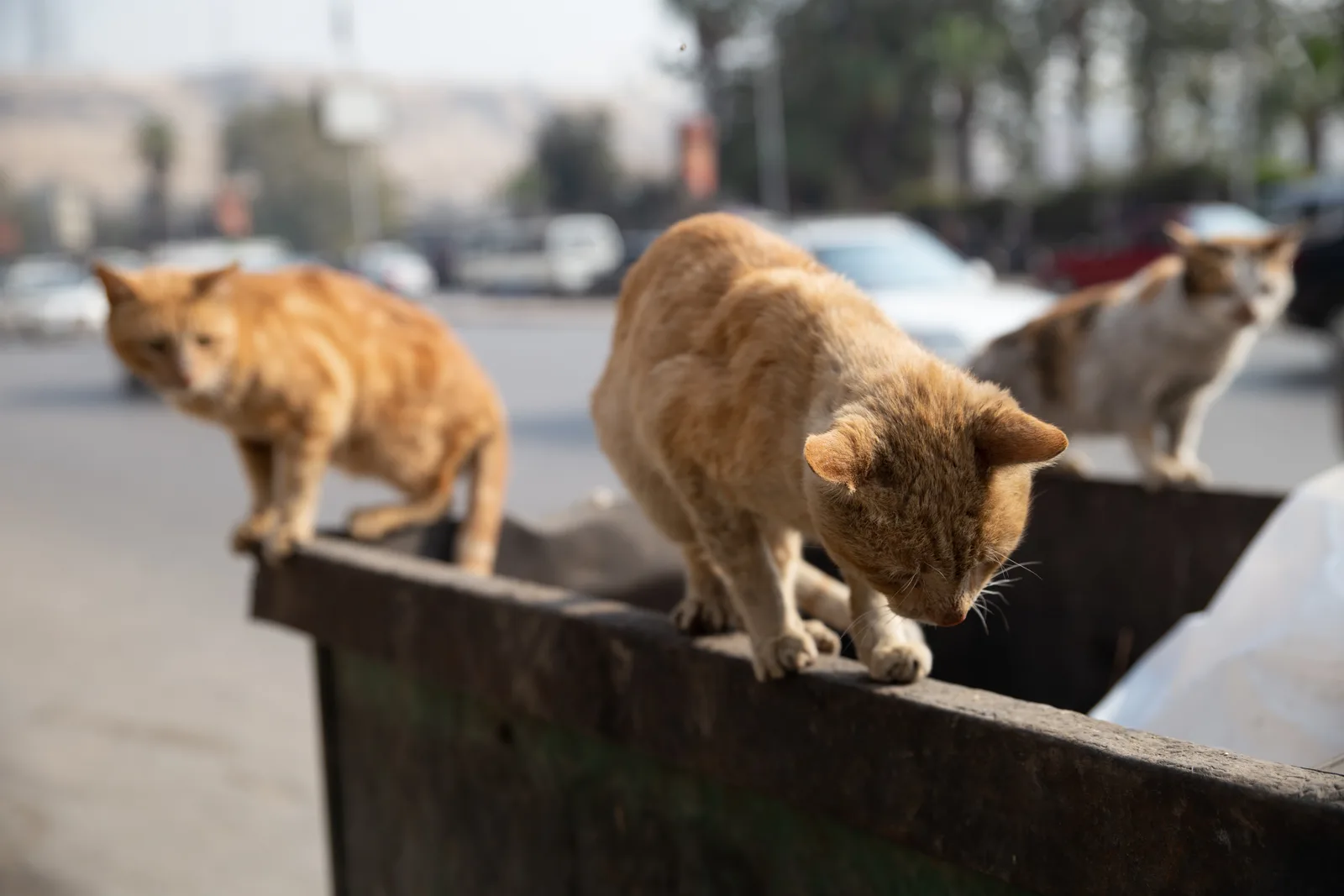
„Keda ghalat“ („Das ist falsch“): Tierquälerei ist seit 1937 eine Straftat nach dem ägyptischen Strafgesetzbuch
Ein Nachbar stellt vergiftete Näpfe neben die Schulmauer; ein Karrenbesitzer schlägt seinem Esel ins Gesicht, weil dieser eine zu schwere Last trägt. Viele glauben, „nur ein Tier“ bedeute, dass kein Gesetz es schützt. Tatsächlich stellen die Artikel 355, 356 und 357 des Strafgesetzbuchs Töten, Vergiften und Misshandeln von Tieren unter Strafe, bis hin zu Gefängnis. Am Vorabend des Welttierschutztages erklären wir, was das Gesetz sagt.
3. Oktober 2026 · 6 Min. Lesezeit