Wie erzieht man einen Leser? So wecken ägyptische Familien die Liebe zum Buch bei ihren Kindern
Ein lesendes Kind ist selten ein Zufall. Von der Gutenachtgeschichte und den Klassikern Kamel Kilanis über öffentliche Bibliotheken und Schulregale bis zur Internationalen Buchmesse von Kairo: ein praktischer Leitfaden, wie ägyptische Familien in ihren Kindern eine lebenslange Liebe zu Büchern und zum Lesen auf Arabisch wachsen lassen.
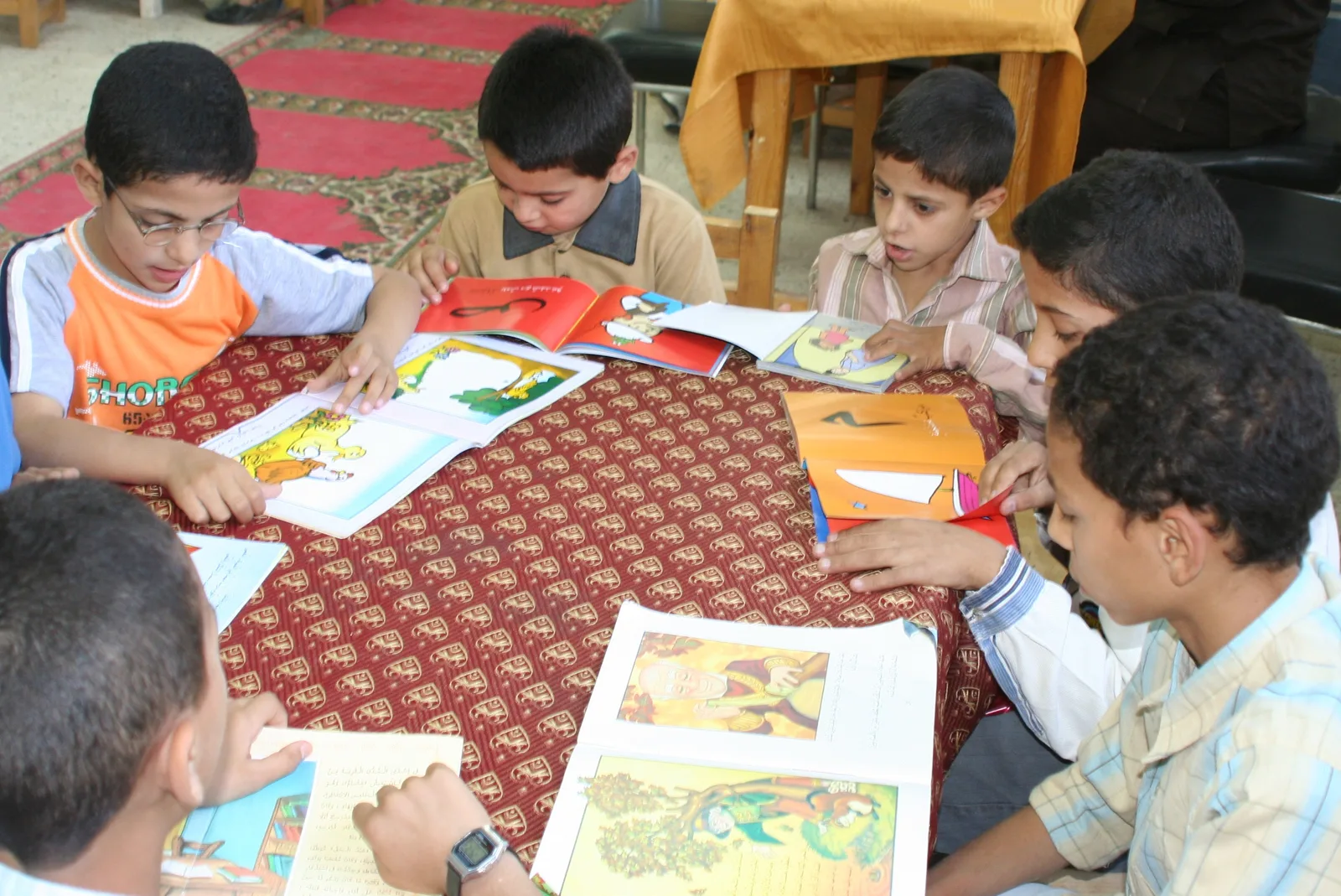
Fragen Sie einen beliebigen Lehrer, was die herausragenden Schüler von den übrigen unterscheidet, und die Antwort ändert sich selten: Die Leser ziehen davon. Lesen nährt Wortschatz, Fantasie, Konzentration und Empathie, und seine Wirkung summiert sich still über die gesamte Schulzeit hinweg. Und doch entsteht ein lesendes Kind fast nie zufällig: Hinter jedem kleinen Leser steht eine Familie, die Bücher wie gewöhnliche Haushaltsgegenstände behandelt hat – im Haus so selbstverständlich wie das Brot – und ein Erwachsener, der die Geschichte einst zum Geschenk und nicht zur Pflicht gemacht hat.
Die Gewohnheit beginnt früher, als die meisten Eltern annehmen, lange bevor ein Kind auch nur einen einzigen Buchstaben entziffern kann. Säuglinge, denen vorgelesen wird, nehmen die Musik der Sprache in sich auf; Kleinkinder, die Pappbilderbücher umblättern, lernen, dass Seiten Überraschungen bergen. Ägypten kann hier aus einem tiefen Brunnen schöpfen: Die mündliche Erzähltradition der Großmütter und die Volksmärchen des Landes sind selbst schon frühe Literatur. Wer seinem Kind laut erzählt – aus dem Gedächtnis, aus einem Buch oder aus der Fantasie –, erzieht bereits einen Leser.
Das Zuhause selbst sagt mehr als jeder Vortrag über den Wert des Lesens. Kinder ahmen nach, was sie sehen, nicht was man ihnen sagt: Ein Vater, der auf sein Handy starrt und dem Sohn zugleich befiehlt zu lesen, sendet zwei Botschaften – und die lautere gewinnt. Familien, die Leser hervorbringen, halten Bücher griffbereit und sichtbar, gehen zur Buchhandlung oder zum Bücherstand wie zum Lebensmittelhändler und schützen eine kleine Insel stiller Zeit, in der alle etwas lesen, die Erwachsenen zuerst.
Das Arabische stellt eine ehrliche Schwierigkeit, die Familien benennen statt übergehen sollten: den Abstand zwischen dem ägyptischen Dialekt, den das Kind zu Hause spricht, und dem modernen Hocharabisch, in dem die Bücher geschrieben sind. Fachleute für den Arabischunterricht raten, diese Kluft behutsam zu überbrücken: den hocharabischen Text laut vorzulesen und ihn in der Mundart des Kindes zu erklären, Bilderbücher mit einfacher, musikalischer Sprache zu wählen und das Hocharabische niemals zum Werkzeug der Korrektur und des Tadels werden zu lassen. Ein Kind, das Bücher mit Zurechtweisung verbindet, klappt sie zu.
Ägyptische Familien sind Erben einer reichen Tradition des Schreibens für Kinder. Kamel Kilani, der als Wegbereiter der arabischen Kinderliteratur gilt, erzählte bereits in der ersten Hälfte des 20. Jahrhunderts die Meisterwerke der Weltliteratur und die Erzählungen der Araber für junge Leser neu. Ganze Generationen wuchsen mit den Kinderzeitschriften der großen Verlagshäuser auf – „Samir“ von Dar al-Hilal und „Alaa ed-Din“ von Al-Ahram –, deren Comics und Fortsetzungsgeschichten Millionen Ägyptern beibrachten, dass Lesen auf Arabisch ein reines Vergnügen sein kann.
Die Regale von heute sind breiter, als viele Eltern ahnen. Ägyptische und arabische Verlage bringen Bilderbücher, Jugendromane und arabische Übersetzungen internationaler Reihen heraus, und regionale Preise für arabische Kinderliteratur haben Qualität wie Sichtbarkeit gehoben. Vor allem das Bilderbuch hat eine Blüte erlebt: Ägyptische Illustratoren haben arabischen Geschichten ein visuelles Leben gegeben, das dem importierten Angebot selbstbewusst standhält. Die alte Klage, es gebe „nichts Gutes für Kinder auf Arabisch“, hat die Zeit schlicht überholt.
Die Internationale Buchmesse von Kairo, die seit 1969 jeden Winter stattfindet und zu den größten Buchmessen der Welt zählt, ist seit Langem ein nationaler Familienausflug. Ihre Kinderpavillons, die verbilligten Ausgaben und die Begegnungen mit Autoren verschaffen vielen ägyptischen Kindern die erste Erfahrung, ein Buch mit eigenen Händen auszuwählen – ein Akt, den Bibliothekare für entscheidend halten, denn ein Buch, das ein Kind selbst wählt, ist ein Buch, das es zu Ende liest. Regionale Messen in den Gouvernements tragen dieselbe Erfahrung über die Hauptstadt hinaus.
Öffentliche Bibliotheken geben der Gewohnheit ein Zuhause außerhalb des Hauses. Die Bibliotheca Alexandrina beherbergt eine eigene Kinderbibliothek in einer der berühmtesten Leseinstitutionen der Welt; die Netze der öffentlichen Büchereien und die über die Gouvernements verteilten Kulturpaläste unterhalten Kinderabteilungen und Kinderprogramme; und viele Moscheen und Kirchen führen eigene Ausleihregale. Ein Bibliotheksausweis kostet wenig, und das Ritual des Ausleihens und Zurückbringens lehrt Kinder, dass Bücher im Umlauf sind – und dass Lesen eine öffentliche Gewohnheit ist und kein privater Luxus.
Schulbibliotheken und Lesestunden können die Gewohnheit entzünden oder ersticken, und Eltern haben dort mehr Einfluss, als sie glauben. Wenn Sie Ihr Kind fragen, was die Klasse gerade liest, die Buchtage der Schule besuchen, ein Regal voller Titel stiften und ruhig darauf drängen, dass die Bibliotheksstunde geschützt und nicht der Prüfungsvorbereitung geopfert wird, sind das lauter Signale dafür, dass die Familie das Lesen als Teil der Bildung versteht und nicht als deren Verzierung. Eine Lehrkraft, die ihren Schülern laut vorliest, ist ihr Gewicht in Gold wert – und die Eltern sollten sich dafür bedanken.
Die alltäglichen Einzelheiten sind einfach und nachsichtig. Die Gutenachtgeschichte, und seien es nur zehn Minuten, ist das verlässlichste Ritual überhaupt. Lassen Sie Ihr Kind wählen und achten Sie seine Wahl: Comics, Fußballbücher und Witzsammlungen zählen alle, denn am Anfang geht es um den Appetit, nicht um den Lehrplan. Halten Sie die Bildschirme aus der letzten Stunde vor dem Schlafengehen heraus, dann findet das Buch seinen natürlichen Platz. Und wenn Ihr Kind dieselbe Geschichte zum zehnten Mal verlangt, freuen Sie sich: Wiederholung ist die Art, wie kleine Leser ein Buch in Besitz nehmen.
Keine Familie braucht Reichtum, um einen Leser großzuziehen; sie braucht Beständigkeit und ein wenig Theater. Ein Vater, der die Stimmen nachahmt, ein Regal in Reichweite, ein wöchentlicher Bibliotheksbesuch, einmal im Jahr eine Buchmesse – bescheidene Investitionen, die sich häufen wie Ersparnisse. Das Kind, das zum Vergnügen liest, trägt ein Leben lang einen Privatlehrer mit sich, wohin es auch geht. In einer lauten Zeit ist die Fähigkeit eines Kindes, still in einer Geschichte zu sitzen, vielleicht eines der nützlichsten Geschenke, die eine ägyptische Familie ihren Kindern weitergeben kann.
Verwandte Artikel
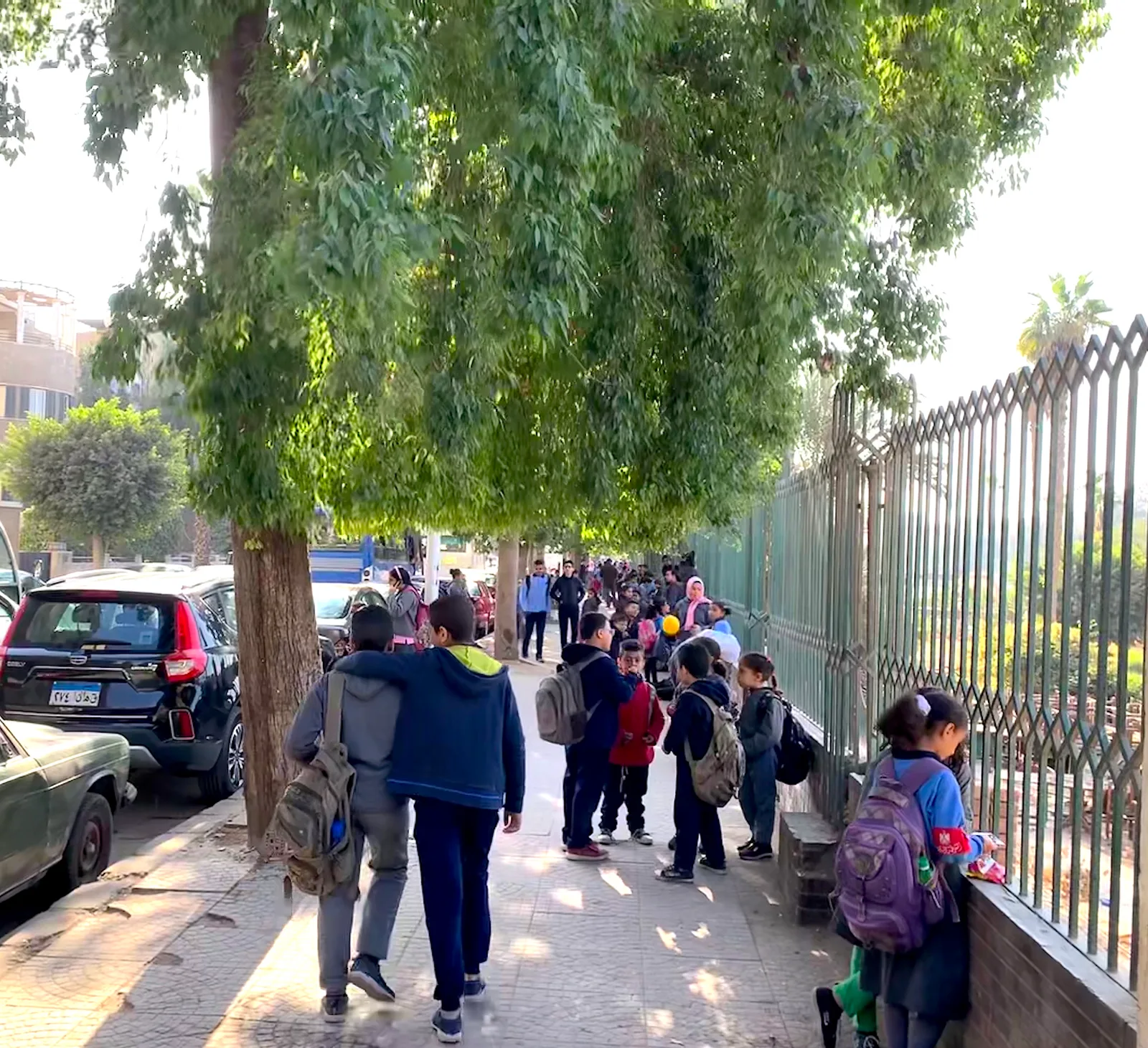
Ein Schulranzen, schwerer als das Kind: Wie schwer darf er sein, und wie schützt man den Rücken des Kindes?
Mit der ersten Schulwoche stellt sich in jedem Haushalt dieselbe Frage: Wie viele Kilogramm kann der Rücken eines Kindes tragen? Wir erklären die 15-Prozent-Regel der American Academy of Pediatrics, eine ägyptische Studie aus Menuf, wonach drei Viertel der Schüler über Rückenschmerzen klagen, und eine einfache Wiegemethode mit Personenwaage sowie tägliche Handgriffe gegen einen lebenslangen Schmerz.
15. September 2026 · 7 Min. Lesezeit

Taschengeld ist die erste Wirtschaftsstunde: Wie Sie Ihrem Kind den Wert von Geld und Sparen beibringen
Vor Algebra und Geometrie bekommt Ihr Kind seine ersten Wirtschaftsstunden am Kiosk und an der eigenen Spardose. Ein Praxisleitfaden nach Altersstufen: wann das Taschengeld beginnt, wie es sich auf Ausgeben, Sparen und Geben verteilt und warum es niemals an Schulnoten gekoppelt oder als Strafe eingesetzt werden darf.
3. September 2026 · 7 Min. Lesezeit
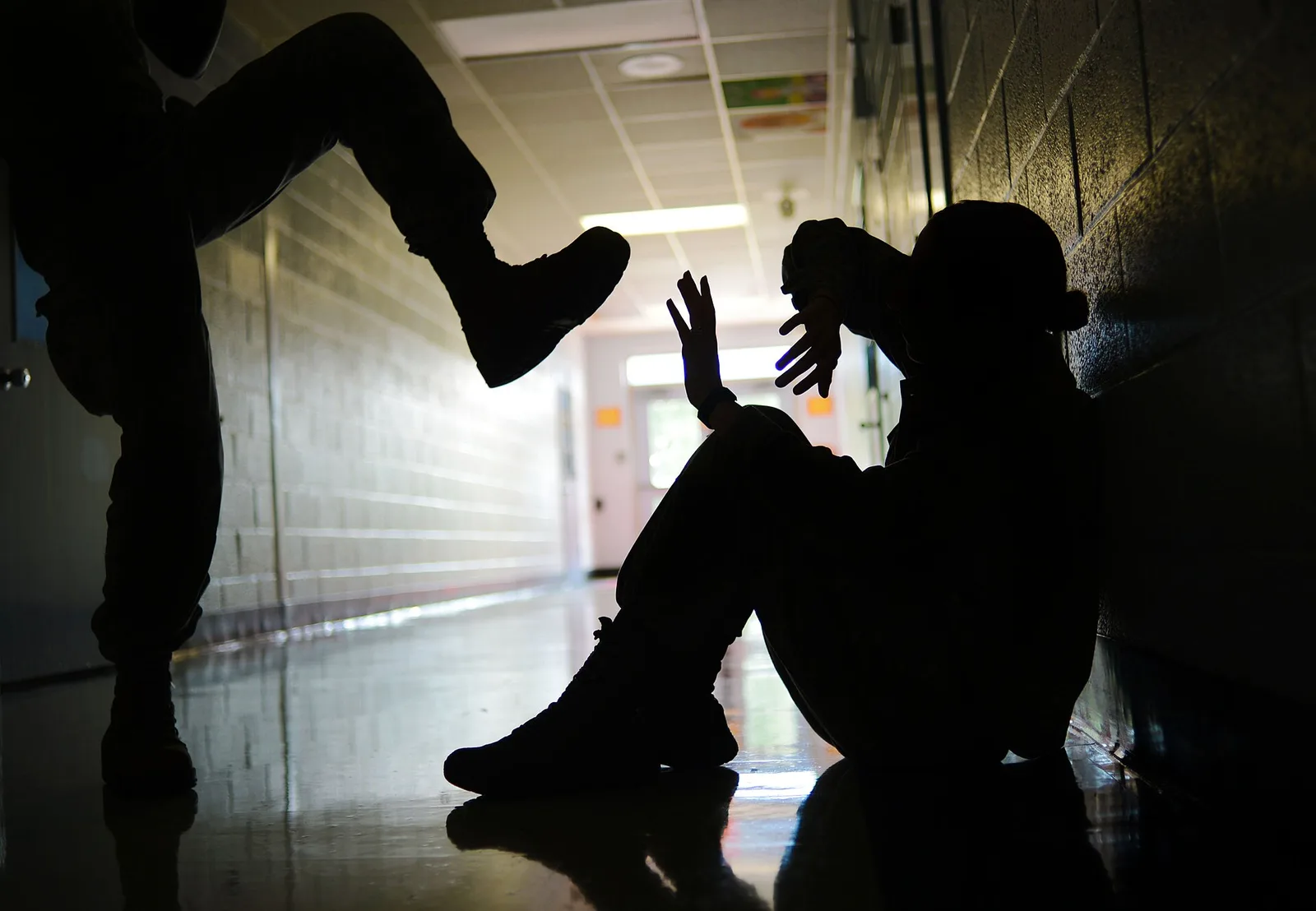
Mobbing unter Kindern: Wie Sie Ihr Kind schützen – ob Opfer, Zuschauer oder Täter
Wann wird aus einem Streit auf dem Pausenhof Mobbing? Ein praktischer Leitfaden für Eltern: die stillen Signale, die Kinder verbergen; das Gespräch, das ihr Herz öffnet; dokumentierte Schritte für den Gang zur Schule; echte Alternativen zum Rat „Schlag zurück“ – und was zu tun ist, wenn das eigene Kind der Täter ist, ohne Demütigung und ohne Verleugnung.
27. August 2026 · 8 Min. Lesezeit