Frauen im ägyptischen Parlament: Die Geschichte der Quote – Aufstieg, Fall und Rückkehr
Vom historischen Sitz Rawya Ateyas im Jahr 1957 bis zur Verfassungsgarantie eines Viertels der Sitze im Repräsentantenhaus: der dokumentierte Aufstieg, Fall und die Rückkehr der Frauenquote, die die Vertretung von Frauen in Ägyptens Parlament über sieben Jahrzehnte geprägt hat.
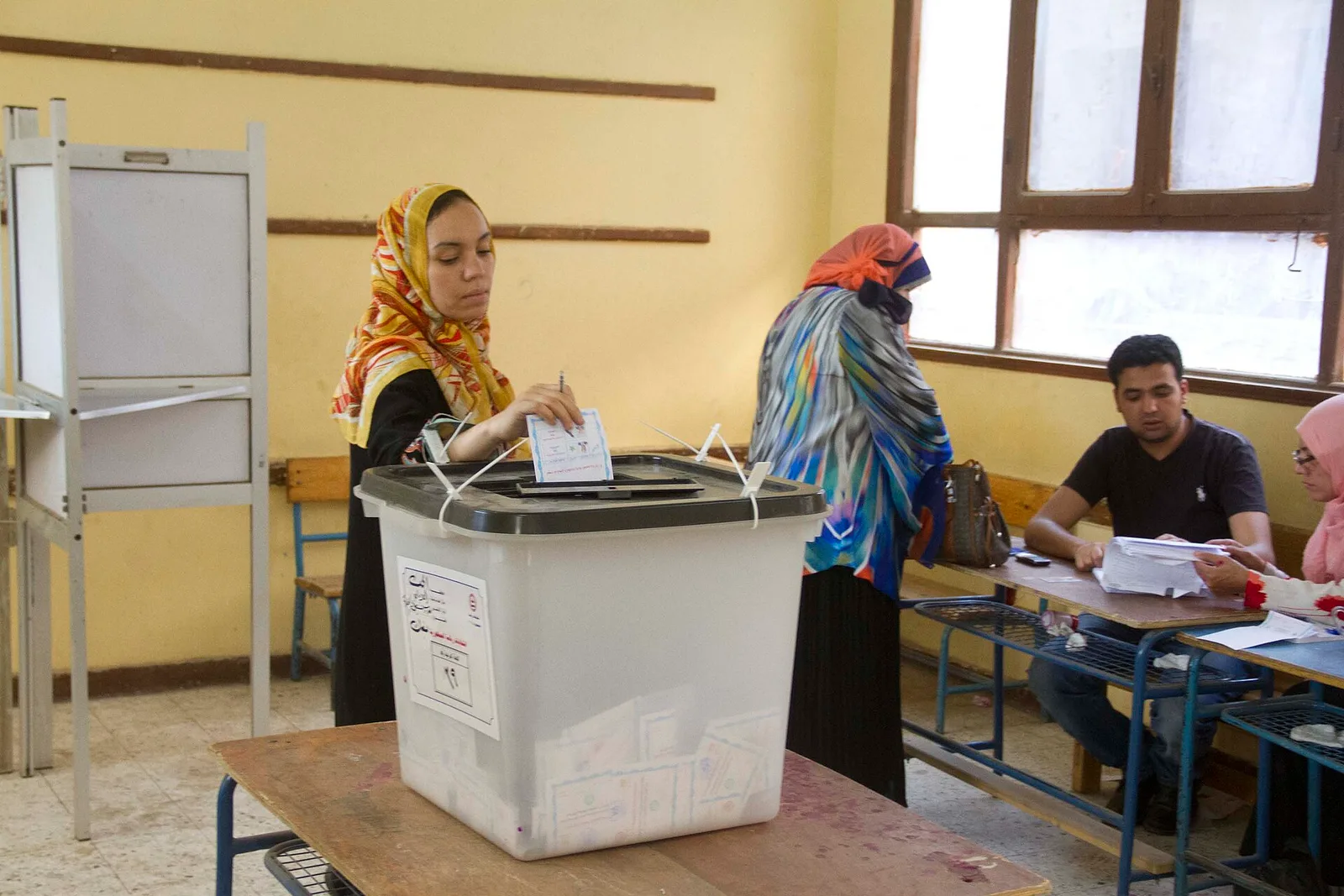
1957 nahm eine einzige Frau ihren Sitz im ägyptischen Parlament ein und schrieb damit Geschichte in der gesamten arabischen Welt. Heute garantiert die Verfassung selbst den Frauen mindestens ein Viertel der Sitze im Abgeordnetenhaus. Zwischen diesen beiden Momenten liegen fast sieben Jahrzehnte dokumentierter Erfahrung: Quoten wurden eingeführt, abgeschafft, wieder eingeführt und schließlich fest verankert. Die Geschichte der Frauenvertretung im ägyptischen Parlament ist in bemerkenswertem Maße die Geschichte ihres Quotenrahmens – und sie verdient es, als Abfolge überprüfbarer Wegmarken erzählt zu werden und nicht als Parole.
Ausgangspunkt ist die Verfassung von 1956, die den Ägypterinnen erstmals das Recht gab, zu wählen und zu kandidieren. Bei den Wahlen von 1957 gewann Rawya Ateya einen Sitz und wurde das erste weibliche Mitglied eines ägyptischen Parlaments – vielfach beschrieben als die erste Parlamentarierin der arabischen Welt. Amina Shukri zog im selben Zeitraum in die Kammer ein. Die Schranke war gefallen, doch die Zahlen der folgenden Jahre zeigten, wie weit ein gesetzliches Recht von der gesellschaftlichen Wirklichkeit entfernt sein kann.
Während der 1960er-Jahre und über weite Teile der 1970er-Jahre blieb die Präsenz von Frauen im Parlament marginal – eine Handvoll weiblicher Abgeordneter in einer Kammer mit Hunderten von Mitgliedern. Die Hindernisse waren die in Ägypten wie andernorts dokumentierten: Parteien, die zögerten, Frauen in aussichtsreichen Wahlkreisen aufzustellen, die Kosten der Wahlkämpfe und gesellschaftliche Vorbehalte gegenüber öffentlichen Rollen. Ohne jede institutionelle Garantie brachte jeder Wahlzyklus nahezu dasselbe Ergebnis hervor. Vor diesem Hintergrund erprobte Ägypten sein erstes strukturelles Gegenmittel.
1979, unter Präsident Anwar as-Sadat, reservierte eine Änderung des Wahlgesetzes einen Block von mindestens dreißig Sitzen in der Volksversammlung für Frauen. Die Wirkung war unmittelbar und messbar: Die Zahl der Frauen stieg auf den bis dahin höchsten Stand, und Ägypten wurde zu einem frühen regionalen Beispiel für eine gesetzlich verankerte Frauenquote. In der Öffentlichkeit wurde die Maßnahme mit den weiter reichenden Reformen jener Zeit im Familien- und Personenstandsrecht verbunden, und sie belegte ein Muster, das sich wiederholen sollte: Wo die Garantie besteht, steigen die Zahlen.
Kurz darauf zeigte sich auch das Gegenteil. Mitte der 1980er-Jahre wurde die Sitzreservierung im Zuge aufeinanderfolgender verfassungsrechtlicher Anfechtungen des Wahlsystems abgeschafft, und die Vertretung der Frauen fiel bei den folgenden Wahlen auf das Niveau vor der Quote zurück. Rund zwei Jahrzehnte lang führte Ägypten das Gegenexperiment durch: keine Quote und eine dauerhaft verschwindend geringe Präsenz von Frauen – häufig unter drei Prozent der Kammer. Die dokumentierte ägyptische Bilanz bietet damit einen ungewöhnlich klaren Vorher-Nachher-Vergleich dessen, was die Abschaffung einer Quote bewirkt.
Der nächste Anlauf folgte 2009, als ein Gesetz vierundsechzig für Frauen reservierte Sitze schuf, die für zwei Legislaturperioden gelten sollten. Die Wahl von 2010 fand nach diesem System statt und ließ die Zahl der weiblichen Abgeordneten stark ansteigen. Jenes Parlament wurde jedoch nach der Revolution vom Januar 2011 aufgelöst, womit das Experiment vorzeitig endete. Bei den Übergangswahlen von 2011-2012 verlangte die Regel lediglich, dass jede Parteiliste mindestens eine Frau enthielt, ohne jede Garantie für den Listenplatz – und der Frauenanteil an den Sitzen fiel prompt auf wenige Prozent.
Die Verfassung von 2014 markierte einen Wandel der Philosophie. Ihr Artikel 11 verpflichtete den Staat, eine angemessene Vertretung der Frauen in den gewählten Kammern zu gewährleisten, und schrieb – bemerkenswerterweise – eine feste Garantie für die Kommunalräte in den Verfassungstext selbst: ein Viertel ihrer Sitze. Für das 2015 gewählte Abgeordnetenhaus hob der Rahmen aus Parteilisten mit reservierten Plätzen für Frauen zusammen mit den Ernennungen durch den Präsidenten den Frauenanteil auf rund fünfzehn Prozent der Kammer – der höchste Wert in der ägyptischen Parlamentsgeschichte bis dahin, wenn auch noch unter dem verfassungsrechtlichen Anspruch.
Der entscheidende Schritt kam mit den 2019 gebilligten Verfassungsänderungen. Der geänderte Artikel 102 bestimmt, dass die Vertretung der Frauen nicht weniger als ein Viertel der Sitze im Abgeordnetenhaus betragen darf. Erstmals war die Quote keine Bestimmung eines Wahlgesetzes mehr, die eine künftige Mehrheit still und leise aufheben konnte; sie war im Verfassungstext selbst verankert. Dieser Unterschied wiegt gerade wegen der früheren Geschichte schwer: Ägypten hatte die Aufhebung einer gesetzlichen Quote und ihre Folgen bereits erlebt.
Die Wahlen von 2020, die ersten unter dem geänderten Artikel, brachten die größte Gruppe von Frauen hervor, die je in einem ägyptischen Parlament saß: Durch das Zusammenspiel von Listensitzen, Direktmandaten und Ernennungen hielten Frauen mehr als ein Viertel der Sitze im Abgeordnetenhaus. Der im selben Jahr wiederhergestellte Senat brachte seine eigene Garantie mit – sein Errichtungsgesetz schrieb vor, dass Frauen nicht weniger als zehn Prozent seiner Sitze innehaben. Frauen wurden zudem in beiden Kammern in Führungspositionen berufen, darunter Ämter als stellvertretende Parlamentspräsidentin und als Ausschussvorsitzende.
Auch die Debatte über die Quote selbst verdient eine redliche Darstellung. Befürworter argumentieren, Quoten korrigierten strukturelle Barrieren, die Jahrzehnte formaler Gleichheit nie aufgelöst haben, und verweisen darauf, dass heute ein großer Teil der Parlamente weltweit irgendeine Form von Quotenmechanismus nutzt. Kritiker befürchten, reservierte Sitze könnten als Obergrenze statt als Untergrenze verstanden werden oder den Parteien ersparen, echte weibliche Führungskräfte aufzubauen. Was die ägyptische Bilanz zu dieser Debatte beiträgt, ist empirischer Natur: In jedem dokumentierten Zyklus war das Vorhandensein oder Fehlen einer Garantie der mit Abstand stärkste Prädiktor für die Zahl der gewählten Frauen.
Auch die Zahlen sind nicht die ganze Geschichte. Vertretung wirft weitere Fragen auf, die die Forschung gesondert verfolgt: welchen Ausschüssen Frauen vorsitzen, wie oft sie Ministerien führen und ob sich das verfassungsrechtliche Viertel in Einfluss auf die Gesetzgebung übersetzt. Neben dem Parlament gehören Wegmarken wie die Berufung von Frauen in die Justiz und die Arbeit des Nationalen Frauenrats zum selben Dossier. Und eine Verfassungsgarantie bleibt in der Praxis ungetestet: Das für Frauen reservierte Viertel der Sitze in den Kommunalräten wartet auf Kommunalwahlen, die seit 2008 nicht mehr stattgefunden haben.
Sieben Jahrzehnte nachdem Rawya Ateya allein in den Plenarsaal trat, ist der Rahmen, den sie mit ihrem Beispiel begründete, Verfassungstext geworden. Die dokumentierte Entwicklung – Rechte 1956, erster Sitz 1957, Quote 1979, Abschaffung Mitte der 1980er-Jahre, Wiedereinführung 2009, Grundsätze 2014, Verankerung 2019, Rekordzahlen 2020 – gibt den Ägyptern etwas, das in der öffentlichen Debatte selten ist: eine politische Frage, bei der die Geschichte des eigenen Landes die Belege liefert. Welche Haltung man grundsätzlich zu Quoten auch einnimmt: Der Verlauf der Präsenz von Frauen im ägyptischen Parlament ist keine Frage der Spekulation mehr. Er ist belegt.
Verwandte Artikel
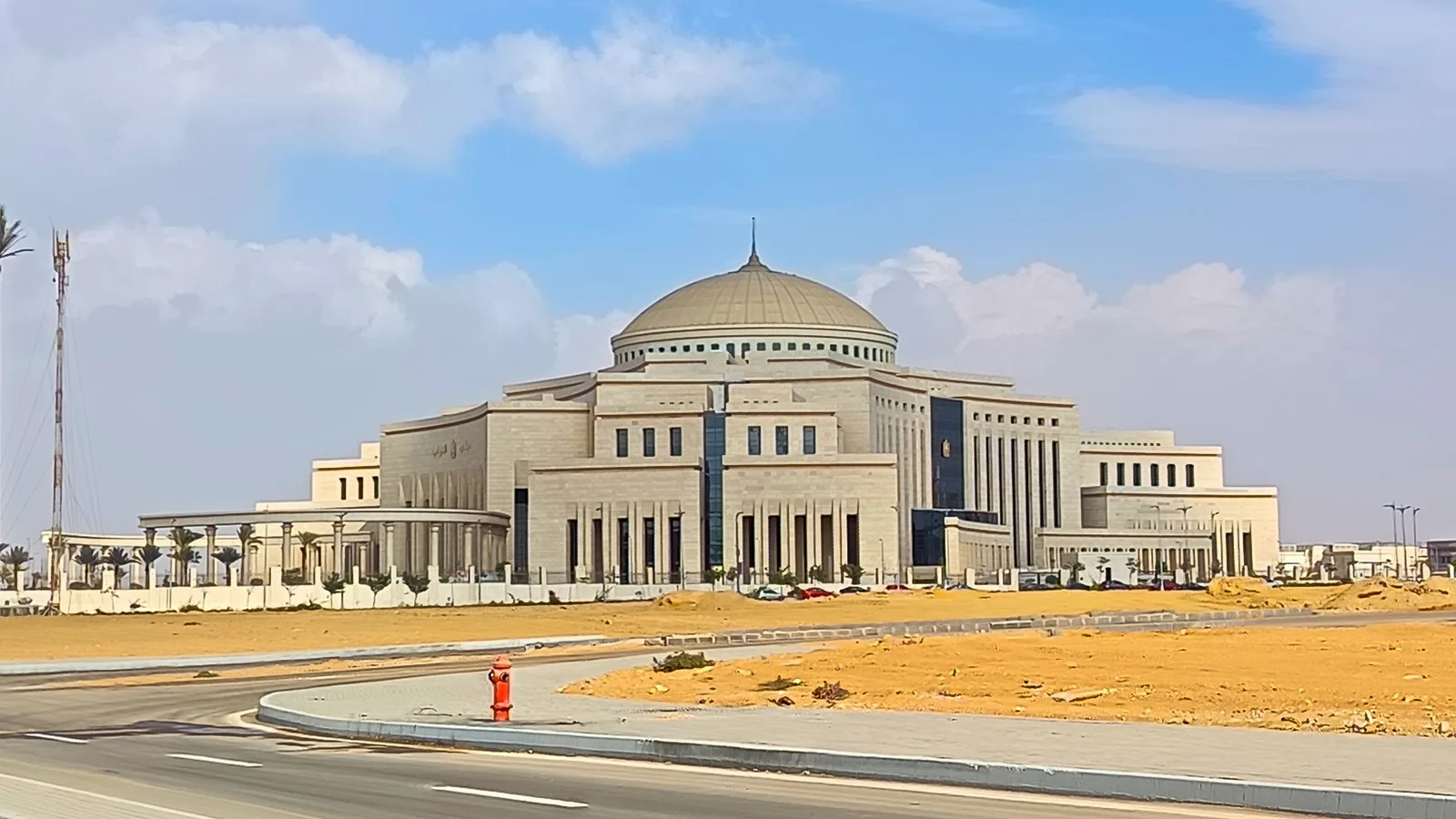
Das Auge des Parlaments auf der Regierung: Vom Unterrichtungsantrag bis zum Vertrauensentzug – die Kontrollinstrumente, wie die Verfassung sie entworfen hat
Von der Anfrage an einen Minister bis zur Interpellation, die eine Regierung stürzen kann: ein praktischer Rundgang durch den Werkzeugkasten der parlamentarischen Kontrolle, wie ihn die Verfassung von 2014 und die Verfassungsänderungen von 2019 entworfen haben – was das Abgeordnetenhaus darf, was der Senat darf, und wie Sie selbst verfolgen, was unter der Kuppel geschieht.
6. September 2026 · 7 Min. Lesezeit
Ägyptens Senat 2026: Keine Wahl in diesem Jahr – was Wähler wissen müssen
Für 2026 steht in Ägypten keine Senatswahl an: Die aktuelle Kammer wurde im August 2025 für fünf Jahre gewählt, die nächste Abstimmung ist 2030 fällig. Ein sachlicher Leitfaden zum Sitzverteilungssystem, zur Wahlberechtigung, zur Ermittlung des Wahllokals und zur Bekanntgabe der Ergebnisse.
20. August 2026 · 7 Min. Lesezeit

„Keda ghalat“ („Das ist falsch“): Tierquälerei ist seit 1937 eine Straftat nach dem ägyptischen Strafgesetzbuch
Ein Nachbar stellt vergiftete Näpfe neben die Schulmauer; ein Karrenbesitzer schlägt seinem Esel ins Gesicht, weil dieser eine zu schwere Last trägt. Viele glauben, „nur ein Tier“ bedeute, dass kein Gesetz es schützt. Tatsächlich stellen die Artikel 355, 356 und 357 des Strafgesetzbuchs Töten, Vergiften und Misshandeln von Tieren unter Strafe, bis hin zu Gefängnis. Am Vorabend des Welttierschutztages erklären wir, was das Gesetz sagt.
3. Oktober 2026 · 6 Min. Lesezeit