La mujer en el Parlamento egipcio: la historia de la cuota, con su auge, su caída y su regreso
Del histórico escaño de Rawya Ateya en 1957 a la garantía constitucional de una cuarta parte de los escaños de la Cámara de Representantes: el auge, la caída y el regreso documentados de la cuota femenina que ha moldeado la representación de la mujer en el Parlamento egipcio durante siete décadas.
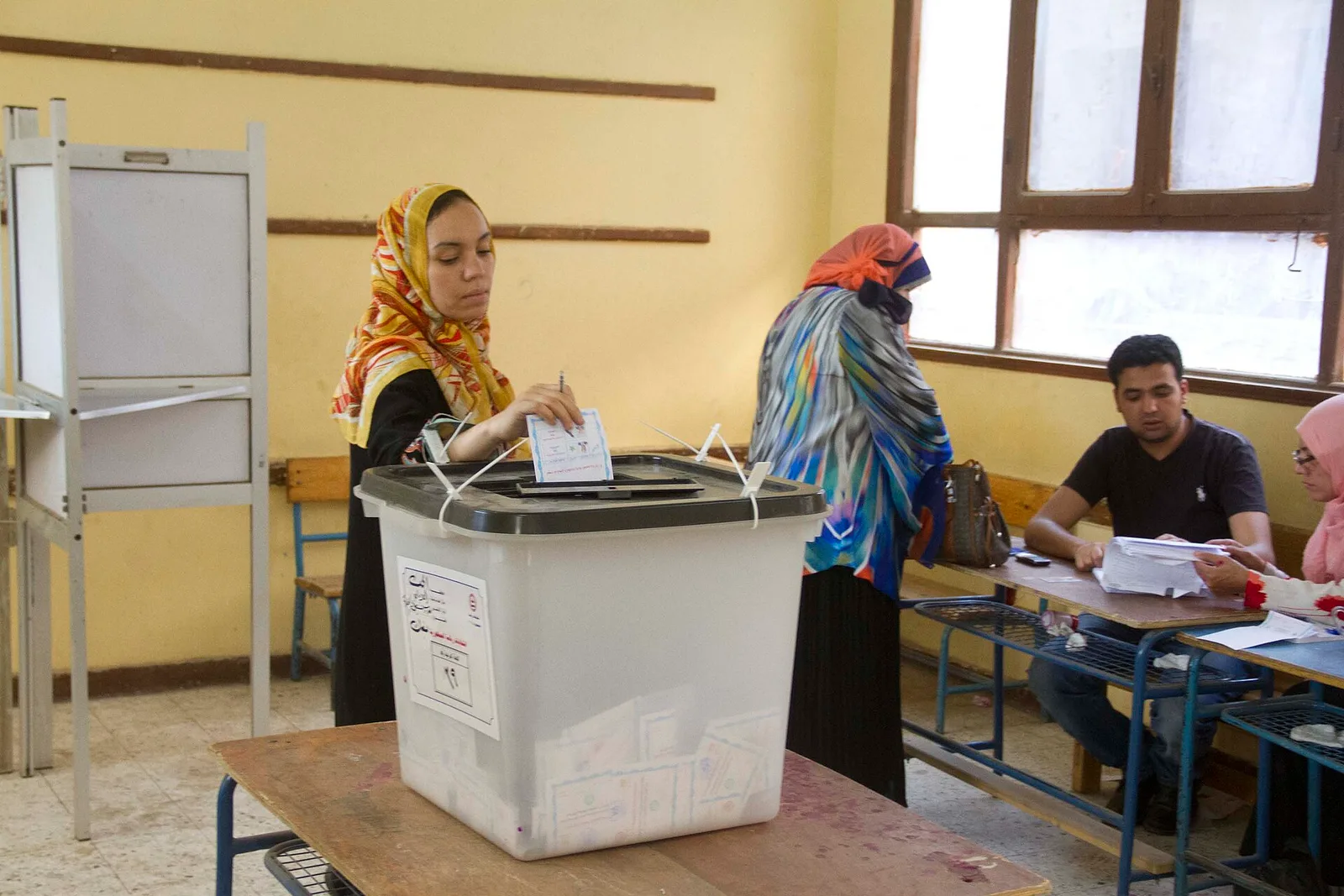
En 1957 una sola mujer ocupó su escaño en el Parlamento egipcio y marcó un hito en todo el mundo árabe. Hoy la propia Constitución garantiza a las mujeres al menos una cuarta parte de los escaños de la Cámara de Representantes. Entre esos dos momentos se extienden casi siete décadas de experiencia documentada: cuotas aprobadas, luego derogadas, después restablecidas y finalmente consolidadas. La historia de la representación femenina en el Parlamento egipcio es, en un grado llamativo, la historia de su propio marco de cuotas, y merece contarse como una sucesión de hitos verificables y no como una consigna.
El punto de partida es la Constitución de 1956, que por primera vez concedió a las egipcias el derecho a votar y a presentarse como candidatas. En las elecciones de 1957, Rawya Ateya ganó un escaño y se convirtió en la primera mujer miembro de un parlamento egipcio, ampliamente descrita como la primera parlamentaria del mundo árabe. Amina Shukri entró en la Cámara en ese mismo periodo. La barrera había caído, pero las cifras que siguieron mostraron cuánta distancia puede separar un derecho legal de una realidad social.
A lo largo de los años sesenta y durante buena parte de los setenta, la presencia de las mujeres en el Parlamento siguió siendo marginal: un puñado de diputadas en una cámara de cientos de miembros. Los obstáculos eran los ya documentados en Egipto y fuera de él: partidos reacios a presentar mujeres en escaños ganables, el coste de las campañas y las actitudes sociales hacia los papeles públicos. Sin ninguna garantía institucional, cada ciclo electoral reproducía prácticamente el mismo resultado. Fue sobre ese trasfondo cuando Egipto ensayó su primer remedio estructural.
En 1979, bajo la presidencia de Anwar el-Sadat, una reforma de la ley electoral reservó a las mujeres un bloque de al menos treinta escaños en la Asamblea del Pueblo. El efecto fue inmediato y medible: el número de mujeres alcanzó su nivel más alto hasta esa fecha y Egipto se convirtió en un ejemplo regional temprano de cuota femenina legislada. La medida quedó asociada popularmente a las reformas más amplias de aquella época en el derecho de familia y el estatuto personal, y demostró una pauta que habría de repetirse: cuando existe la garantía, las cifras suben.
Poco después se demostró también lo contrario. A mediados de los años ochenta se suprimió la reserva de escaños en medio de sucesivos recursos de inconstitucionalidad contra el sistema electoral, y la representación femenina se desplomó hasta niveles previos a la cuota en las elecciones siguientes. Durante casi dos décadas Egipto llevó a cabo el experimento inverso: sin cuota y con una presencia femenina persistentemente mínima, a menudo por debajo del tres por ciento de la cámara. El registro egipcio documentado ofrece así una comparación de antes y después de una claridad poco común sobre lo que supone derogar una cuota.
El siguiente intento llegó en 2009, cuando una ley añadió sesenta y cuatro escaños reservados a mujeres, previstos para dos legislaturas. Las elecciones de 2010 se celebraron con ese sistema y produjeron un fuerte aumento del número de diputadas. Aquel parlamento, sin embargo, fue disuelto tras la revolución de enero de 2011, lo que truncó el experimento antes de completarse. En las elecciones de transición de 2011-2012 la norma solo exigía que cada lista de partido incluyera al menos a una mujer, sin garantía alguna de posición, y la cuota de escaños femeninos cayó de inmediato a unos pocos puntos porcentuales.
La Constitución de 2014 supuso un cambio de filosofía. Su artículo 11 obligó al Estado a garantizar una representación adecuada de la mujer en las cámaras electas y, de forma llamativa, inscribió en el propio texto constitucional una garantía fija para los consejos locales: la cuarta parte de sus escaños. En la Cámara elegida en 2015, el marco de listas de partido con puestos reservados a mujeres, junto con los nombramientos presidenciales, elevó la proporción de mujeres a alrededor del quince por ciento de la cámara, la más alta de la historia parlamentaria egipcia hasta entonces, aunque todavía por debajo de la ambición constitucional.
El paso decisivo llegó con las enmiendas constitucionales aprobadas en 2019. El artículo 102 reformado dispone que la representación de las mujeres no sea inferior a la cuarta parte de los escaños de la Cámara de Representantes. Por primera vez la cuota dejó de ser una disposición de una ley electoral que una mayoría futura pudiera derogar sin ruido: quedó anclada en el propio texto constitucional. La diferencia importa precisamente por la historia anterior, porque Egipto ya había vivido la derogación de una cuota legal y conocía sus consecuencias.
Las elecciones de 2020, las primeras celebradas bajo el artículo reformado, produjeron el mayor grupo de mujeres que jamás haya ocupado escaños en un parlamento egipcio: por la combinación de escaños de lista, victorias individuales y nombramientos, las mujeres pasaron a ocupar más de una cuarta parte de la Cámara. El Senado, restablecido ese mismo año, llegó con su propia garantía: su ley de creación exigía que las mujeres no ocuparan menos del diez por ciento de sus escaños. También se nombró a mujeres para puestos de dirección en ambas cámaras, incluidas vicepresidencias y presidencias de comisiones.
El propio debate sobre las cuotas merece una exposición honesta. Quienes las defienden sostienen que corrigen barreras estructurales que décadas de igualdad formal nunca disolvieron, y señalan que hoy una proporción amplia de los parlamentos del mundo emplea algún mecanismo de cuota. Quienes las critican temen que los escaños reservados se traten como un techo y no como un suelo, o que eximan a los partidos de formar liderazgos femeninos reales. Lo que el registro egipcio aporta a ese debate es empírico: en cada ciclo documentado, la presencia o la ausencia de una garantía ha sido el factor que mejor predice el número de mujeres electas.
Las cifras tampoco son toda la historia. La representación abre otras preguntas que los investigadores siguen por separado: qué comisiones presiden las mujeres, con qué frecuencia asumen carteras ministeriales y si el cuarto constitucional se traduce en influencia sobre la legislación. Junto al Parlamento, hitos como el acceso de las mujeres a la judicatura y la labor del Consejo Nacional de la Mujer forman parte del mismo expediente. Y una garantía constitucional sigue sin ponerse a prueba en la práctica: la cuarta parte de los escaños de los consejos locales reservada a mujeres espera a que se celebren unas elecciones locales que no se convocan desde 2008.
Siete décadas después de que Rawya Ateya entrara sola en el hemiciclo, el marco que inauguró con su ejemplo se ha convertido en texto constitucional. La evolución documentada —derechos en 1956, primer escaño en 1957, cuota en 1979, derogación a mediados de los ochenta, restablecimiento en 2009, principios en 2014, consolidación en 2019, cifras récord en 2020— ofrece a los egipcios algo poco frecuente en el debate público: una cuestión política sobre la que la propia historia de su país aporta las pruebas. Sea cual sea la postura que uno adopte ante las cuotas por principio, la trayectoria de la presencia femenina en el Parlamento egipcio ya no es objeto de conjetura. Está registrada.
Noticias relacionadas

El ojo del Parlamento sobre el Gobierno: de la solicitud de información a la retirada de la confianza, las herramientas de control tal como las dibujó la Constitución
De una pregunta dirigida a un ministro a una interpelación capaz de derribar un gobierno: un recorrido práctico por la caja de herramientas del control parlamentario tal como la diseñaron la Constitución de 2014 y las enmiendas de 2019, la diferencia entre lo que puede la Cámara de Representantes y lo que puede el Senado, y cómo seguir tú mismo lo que ocurre bajo la cúpula.
6 de septiembre de 2026 · 7 min de lectura

El Senado egipcio en 2026: no habrá elecciones este año — lo que el votante debe saber
No hay comicios al Senado previstos en Egipto para 2026: la cámara actual fue elegida en agosto de 2025 por un mandato de cinco años, y la próxima cita con las urnas será en 2030. Una guía imparcial sobre el sistema de escaños, los requisitos para votar, cómo ubicar su mesa electoral y cuándo se anuncian los resultados.
20 de agosto de 2026 · 7 min de lectura

«Keda ghalat» («Esto está mal»): maltratar a un animal es un delito según el Código Penal egipcio desde 1937
Un vecino coloca platos envenenados junto al muro de la escuela; un carretero golpea a su burro en la cara bajo una carga excesiva. Muchos creen que «es solo un animal» y que ninguna ley lo protege. En realidad, los artículos 355, 356 y 357 del Código Penal castigan matar, envenenar y maltratar animales, con penas de hasta prisión. En vísperas del Día Mundial de los Animales, explicamos qué dice la ley.
3 de octubre de 2026 · 6 min de lectura