Muons, scanners et satellites : les nouvelles sciences qui lisent les secrets de l'Égypte ancienne
L'égyptologie n'est plus l'affaire du seul pinceau et de la pioche. Des particules cosmiques qui traversent les pierres de la pyramide de Khéops aux scanners qui percent les secrets des momies sans dérouler leurs bandelettes, la technologie moderne réinvente la manière dont l'Égypte découvre son propre passé.
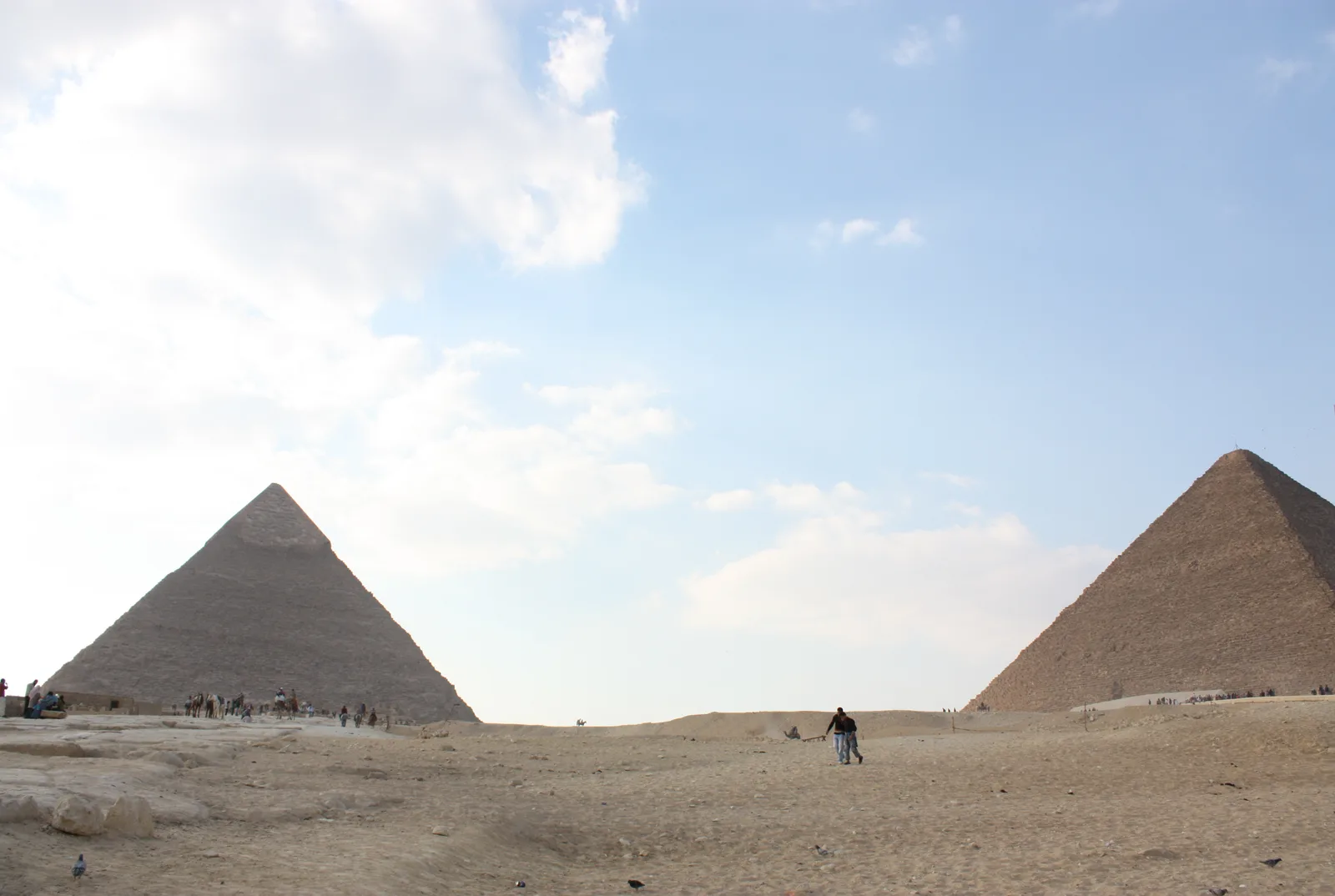
Pendant deux siècles, l’égyptologie s’est confondue dans les esprits avec une seule image : celle d’un archéologue penché sur le sable, pinceau et pioche à la main, époussetant les trésors du passé. Le paysage a aujourd’hui radicalement changé. Les grandes découvertes de la vallée du Nil naissent désormais autant dans les laboratoires de physique, les centres d’imagerie médicale et les stations de réception d’images satellitaires que sur les chantiers de fouilles eux-mêmes.
L’exemple le plus célèbre de cette mutation est le projet « ScanPyramids », lancé au milieu des années 2010 par des scientifiques égyptiens et internationaux pour examiner les pyramides de Guizeh et de Dahchour au moyen de techniques non invasives. Le projet repose sur l’imagerie par muons, ces particules subatomiques qui tombent en permanence sur la Terre lorsque les rayons cosmiques percutent l’atmosphère et qui sont capables de traverser des centaines de mètres de roche.
L’idée s’apparente à une radiographie de toute une montagne : des détecteurs sensibles sont placés à l’intérieur de la pyramide et tout autour, puis l’on comptabilise les muons qui la traversent depuis chaque direction. Là où la masse de pierre est plus dense, moins de particules passent ; là où se trouve un vide, il en passe davantage. C’est ainsi que l’équipe a annoncé en 2017, dans une étude publiée par la revue scientifique « Nature », la détection d’un vaste vide inconnu au-dessus de la Grande Galerie de la pyramide de Khéops, première découverte de ce type dans le monument depuis des siècles.
L’affaire ne s’est pas arrêtée là. Ces dernières années, l’existence d’un couloir dissimulé derrière la face nord de la pyramide, près de l’entrée d’origine, a été confirmée : les chercheurs ont glissé un endoscope très fin par un interstice entre les blocs et photographié de l’intérieur ce passage vide — la confirmation matérielle de ce qu’annonçaient les cartes de muons, sans déplacer une seule pierre.
Dans le domaine des momies, la tomodensitométrie a provoqué une révolution parallèle. La momie du jeune roi Toutânkhamon a fait l’objet d’un scanner complet au milieu des années 2000, qui a révélé des détails sur sa santé et sur son âge au moment de sa mort sans toucher à son corps. La technique est allée plus loin encore avec ce que l’on appelle le « déballage numérique » : la momie du roi Amenhotep Ier a été examinée intégralement par voie numérique alors qu’elle se trouvait encore dans ses bandelettes et sous son masque, laissant apparaître ses traits et ses amulettes sans ouvrir les enveloppes sacrées.
L’ADN ancien a ouvert une troisième voie. Les études génétiques menées sur des momies royales de la XVIIIe dynastie, dont les résultats ont été publiés au début des années 2010 dans une prestigieuse revue médicale, ont contribué à dresser l’arbre généalogique de Toutânkhamon et à établir les liens de parenté entre les momies. Les scientifiques restent prudents dans ce domaine : la chaleur du climat fragmente l’ADN au fil des millénaires et fait de son extraction et de son analyse l’une des tâches de laboratoire les plus délicates et les plus sujettes à la controverse scientifique.
Depuis l’espace, l’imagerie satellitaire contribue à redessiner la carte archéologique de l’Égypte. L’imagerie infrarouge et l’analyse de clichés à très haute résolution révèlent d’infimes variations du sol et de l’humidité qui trahissent les contours de bâtiments en briques crues ensevelis par les sables depuis des millénaires. Ces mêmes images servent aussi à repérer les fosses de fouilles clandestines et à protéger les sites des pillards.
Au sol, temples et tombes se transforment en modèles numériques en trois dimensions grâce au balayage laser et à la photogrammétrie. Les tombes de la rive occidentale de Thèbes sont aujourd’hui documentées par des millions de points numériques qui conservent chaque inscription et chaque fissure ; une réplique à l’identique de la chambre funéraire de Toutânkhamon a par ailleurs été réalisée près de Louxor, offrant aux visiteurs une expérience complète tout en allégeant la pression sur la tombe d’origine, très fragile.
La science des matériaux est également entrée en scène : les laboratoires analysent les pigments des peintures murales, les sels contenus dans la pierre et les fibres des papyrus au moyen de techniques comme l’imagerie hyperspectrale, afin de comprendre les procédés de fabrication anciens et d’élaborer des plans de restauration scientifiquement fondés. Les laboratoires de restauration égyptiens, notamment ceux du Grand Musée égyptien, jouent un rôle croissant dans la formation d’une nouvelle génération de restaurateurs et de scientifiques égyptiens à ces spécialités de précision.
Au bout du compte, la technologie ne remplace pas l’archéologue : elle lui donne de nouveaux sens. Les antiquités sont une ressource limitée et non renouvelable, et chaque fouille classique détruit à jamais une part du contexte. Les muons, les scanners et les satellites, eux, révèlent sans démolir et préservent pour les générations futures leur droit à un passé qui garde encore, sous le sable, la plupart de ses secrets.
À lire aussi
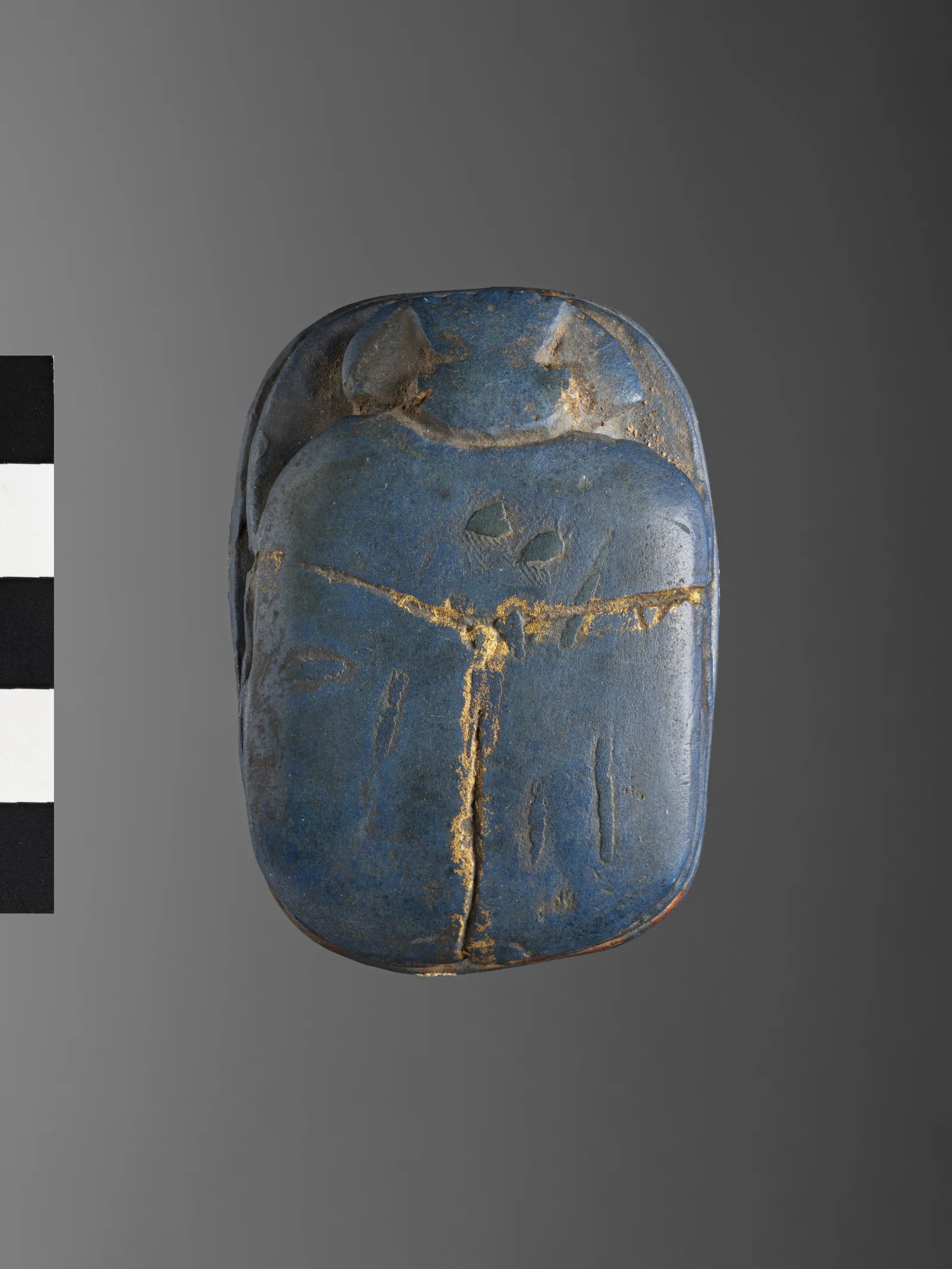
« Bleu égyptien » : le premier pigment synthétique de l'histoire revient révéler les empreintes et éclairer les cellules
Un bleu que des chimistes égyptiens tiraient du sable, du cuivre et de la chaux il y a des millénaires se délite, a-t-on découvert en 2013, en feuillets nanométriques émettant dans l'infrarouge. Il révèle depuis les empreintes digitales en Australie et éclaire embryons de mouche et feuilles de plantes en Allemagne. L'histoire d'un matériau antique doté d'une propriété très moderne, et une question sur nos laboratoires d'aujourd'hui.
17 septembre 2026 · 7 min de lecture
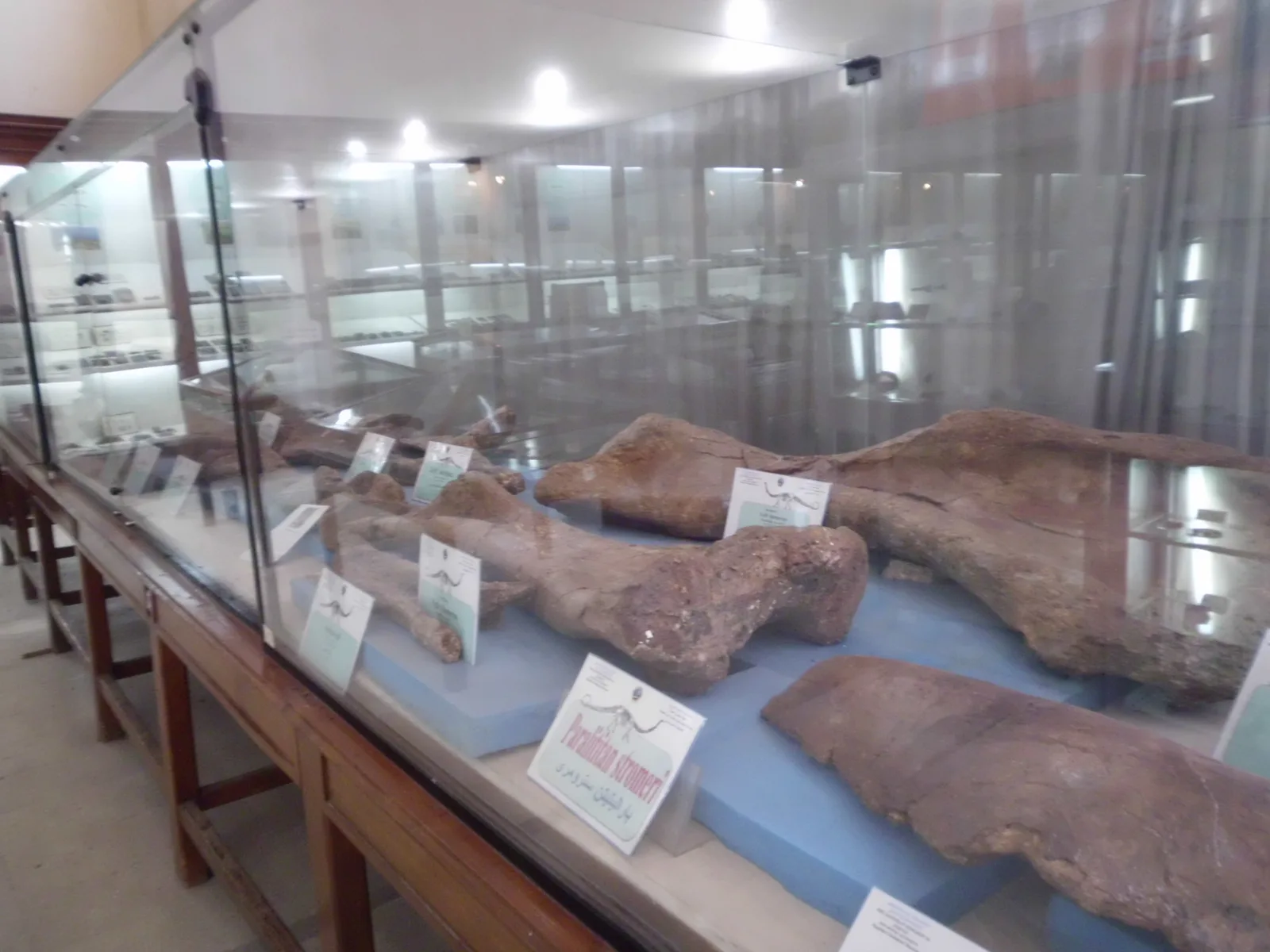
Quatre-vingts millions d'années avant les pharaons : le dinosaure de Mansoura et les fossiles que la guerre a brûlés
Des étudiants égyptiens de l'université de Mansoura ont extrait des roches de l'oasis de Dakhla les ossements de Mansourasaurus, le squelette de dinosaure du Crétacé supérieur le plus complet jamais trouvé en Afrique. Un siècle plus tôt, un savant allemand avait déposé à Munich les dinosaures de Bahariya, que la guerre a brûlés. L'histoire des archives de la Terre dans le désert d'Égypte, et d'une science que votre enfant peut étudier ici.
8 septembre 2026 · 7 min de lecture
« Keda ghalat » (« Ça, c'est mal ») : maltraiter un animal est un crime au regard du Code pénal égyptien depuis 1937
Un voisin dépose des gamelles empoisonnées près du mur de l'école ; un charretier frappe son âne au visage sous une charge trop lourde. Beaucoup croient qu'« un animal » n'est protégé par aucune loi. En réalité, les articles 355, 356 et 357 du Code pénal sanctionnent tuer, empoisonner et maltraiter un animal, jusqu'à l'emprisonnement. À la veille de la Journée mondiale des animaux, voici ce que dit la loi.
3 octobre 2026 · 6 min de lecture