Des écrans sûrs : un guide serein et pratique pour protéger les enfants sur Internet
Les enfants sont plus en sécurité en ligne quand leurs parents dialoguent avec eux, et pas seulement quand ils les surveillent. Du contrôle parental et des règles d'âge des plateformes à la conversation sur les inconnus et à la ligne d'aide à l'enfance 16000, un guide familial fondé sur les preuves, sans récits destinés à faire peur.
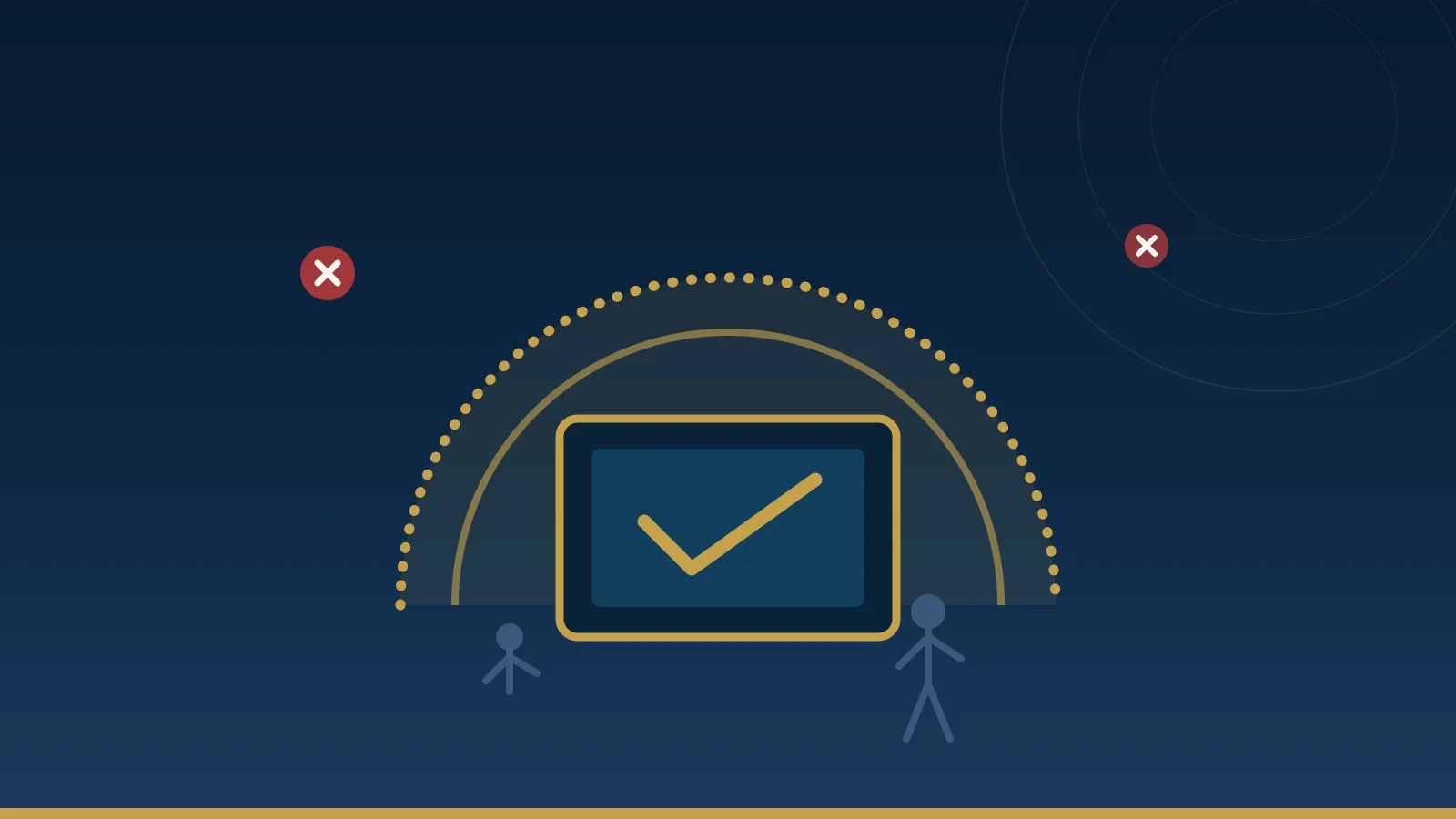
Internet n'est plus un endroit que les enfants visitent ; c'est un quartier dans lequel ils grandissent. Les cours, les dessins animés, les jeux et les amitiés passent tous par les mêmes écrans, et prétendre le contraire n'est pas une stratégie. La bonne nouvelle, constamment confirmée par la recherche sur la protection de l'enfance, est que les enfants dont les parents parlent avec eux de leur vie en ligne sont plus en sécurité que ceux qui sont seulement surveillés. L'objectif n'est pas un enfant enfermé derrière une clôture, mais un enfant compétent — et la compétence s'enseigne, elle ne s'installe pas.
La panique est une mauvaise pédagogue. Les récits alarmistes poussent les enfants à cacher leur vie en ligne précisément au moment où l'ouverture compte le plus, car un enfant qui craint la punition ne signalera pas un problème. La posture fondée sur les preuves est une curiosité calme : essayez le jeu auquel joue votre enfant, regardez de temps en temps ce qu'il regarde, et demandez-lui à qui il parle comme vous l'interrogez sur ses camarades d'école. Les enfants qui s'attendent à de l'intérêt plutôt qu'à un interrogatoire racontent bien davantage d'eux-mêmes — et ce sont précisément ces confidences spontanées qui constituent le système d'alerte précoce que tout parent souhaite réellement.
Les règles d'âge existent pour une raison. La plupart des grandes plateformes sociales fixent un âge minimum de treize ans dans leurs propres conditions d'utilisation, et créer un compte pour un enfant plus jeune banalise le mensonge sur l'âge dès le départ. Des alternatives conçues pour cela existent : versions enfants des plateformes vidéo, catégories jeunesse sélectionnées dans les magasins d'applications, classifications par âge imprimées sur chaque jeu. Ce sont des filtres imparfaits, pas des baby-sitters, mais choisir un terrain adapté à l'âge est la décision de sécurité la plus simple qu'une famille puisse prendre.
Chaque appareil grand public est aujourd'hui livré avec des outils parentaux gratuits que la plupart des familles n'ouvrent jamais. Family Link de Google et Temps d'écran d'Apple permettent de fixer des limites quotidiennes, d'exiger l'accord d'un parent pour télécharger une application et de filtrer les contenus ; les box internet peuvent filtrer au niveau du foyer ; les moteurs de recherche proposent des modes de recherche sécurisée. Configurez-les avec l'enfant plutôt qu'en secret : des contrôles que l'enfant comprend sont des règles, tandis que des contrôles découverts par hasard ressemblent à des pièges et appellent le contournement.
La conversation sur les inconnus vaut en ligne exactement comme dans la rue, avec une différence que les enfants doivent entendre explicitement : sur internet, les gens ne sont pas toujours ceux qu'ils prétendent être. Un compte affichant la photo d'un enfant n'appartient pas forcément à un enfant. Les règles à répéter jusqu'à l'ennui : ne jamais communiquer son école, son adresse ou son numéro de téléphone ; ne jamais envoyer de photos à quelqu'un que l'on n'a pas rencontré dans la vie réelle ; et si quelqu'un demande de garder une conversation secrète vis-à-vis des parents, ce secret est lui-même le signal qu'il faut leur en parler.
Les données personnelles méritent leurs propres règles domestiques, et les parents devraient montrer l'exemple. Photos de famille, uniformes scolaires aux logos visibles, balises de localisation en direct et détails d'anniversaire : tout cela laisse fuir des informations qu'une famille préférerait peut-être garder privées. Apprendre à un enfant à marquer un temps d'arrêt avant de publier — est-ce que j'afficherais cela sur la porte de l'immeuble ? — installe une habitude qui survivra à n'importe quelle plateforme. Les parents qui publient constamment sur leurs enfants auront du mal à prêcher la retenue ; les enfants relèvent la contradiction immédiatement.
Le cyberharcèlement s'annonce rarement ; il apparaît sous la forme d'un enfant qui évite soudain un appareil, dort mal ou devient silencieux à propos d'un jeu qu'il aimait. La première tâche parentale est de garder ouvert le canal du signalement : beaucoup d'enfants se taisent parce qu'ils redoutent que la réponse soit la confiscation du téléphone, ce qui punit la victime. Les conseils classiques restent valables : ne pas répondre aux insultes, conserver les preuves par des captures d'écran, bloquer le compte, le signaler à la plateforme, et impliquer l'école lorsque des camarades sont en cause.
Les enfants devraient connaître les mécanismes de l'autodéfense avant d'en avoir besoin. Toutes les grandes plateformes disposent de boutons « bloquer » et « signaler », et les essayer ensemble transforme un discours abstrait en compétence. En Égypte, la ligne nationale d'assistance à l'enfance 16000, rattachée au Conseil national pour l'enfance et la maternité, reçoit les signalements concernant le bien-être des enfants, et les menaces graves en ligne peuvent être signalées aux autorités compétentes. Un enfant qui sait que de l'aide existe, et que la demander apporte du soutien plutôt que des reproches, est une cible difficile.
Pour les plus jeunes, la structure vaut mieux que la surveillance. Garder les appareils dans les espaces communs plutôt que dans les chambres, convenir de zones sans écran comme les repas et l'heure précédant le coucher, et privilégier le visionnage partagé — s'asseoir parfois avec l'enfant, commenter, rire — normalise l'idée qu'internet fait partie de la vie familiale plutôt qu'il n'en est une échappatoire. À mesure que l'enfant entre dans l'adolescence, les contrôles doivent se desserrer délibérément tandis que la conversation s'approfondit : la destination est l'autorégulation, non une supervision permanente.
Un accord familial sur les médias — rédigé ensemble et révisé chaque année — résume tout cela sur une page : ce qui est autorisé, quand, où, et ce qui se passe quand quelque chose tourne mal. La clause la plus importante est celle de l'amnistie : si tu vois quelque chose d'effrayant ou si tu fais une erreur, viens nous voir, et la première réponse sera de t'aider. Élevés sur ce pacte, les enfants voient leurs parents comme un filet de sécurité et non comme un adversaire — et c'est cela, bien plus que n'importe quel filtre, que la sécurité en ligne signifie réellement.
À lire aussi
Un cartable plus lourd que l'enfant : combien un sac d'école doit-il peser, et comment protéger le dos de votre enfant ?
Dès la première semaine de classe, la même question revient dans chaque foyer : combien de kilos le dos d'un enfant peut-il supporter ? Nous expliquons la règle des 15 % de l'Académie américaine de pédiatrie, une étude égyptienne de Menouf où trois quarts des élèves se plaignent de douleurs dorsales, puis une méthode de pesée au pèse-personne et des gestes quotidiens pour alléger la charge avant qu'elle devienne un mal permanent.
15 septembre 2026 · 7 min de lecture

L'argent de poche, première leçon d'économie : comment apprendre à votre enfant la valeur de l'argent et de l'épargne ?
Avant l'algèbre et la géométrie, votre enfant reçoit ses premières leçons d'économie devant le kiosque de l'école et dans sa petite tirelire. Guide pratique, âge par âge : quand commencer l'argent de poche, comment le partager entre dépense, épargne et don, et pourquoi il ne faut jamais le lier aux notes ni en faire une arme de punition.
3 septembre 2026 · 7 min de lecture
Le harcèlement entre enfants : comment protéger le vôtre, qu'il soit victime, témoin ou harceleur ?
Quand une bagarre de récréation devient-elle du harcèlement ? Guide pratique pour les parents : les signes silencieux que l'enfant dissimule, le dialogue qui lui ouvre le cœur, les démarches documentées auprès de l'école et de vraies alternatives au conseil « rends-lui son coup » — et que faire si c'est votre enfant qui harcèle, sans humiliation ni déni.
27 août 2026 · 8 min de lecture