Comment élever un lecteur ? Le guide des familles égyptiennes pour transmettre aux enfants l'amour du livre
Un enfant lecteur ne naît pas par hasard. Du conte avant de dormir et des classiques de Kamel Kilani aux bibliothèques publiques, aux rayonnages des écoles et au Salon international du livre du Caire, un guide pratique pour aider les familles égyptiennes à cultiver chez leurs enfants l'amour des livres et de la lecture en arabe.
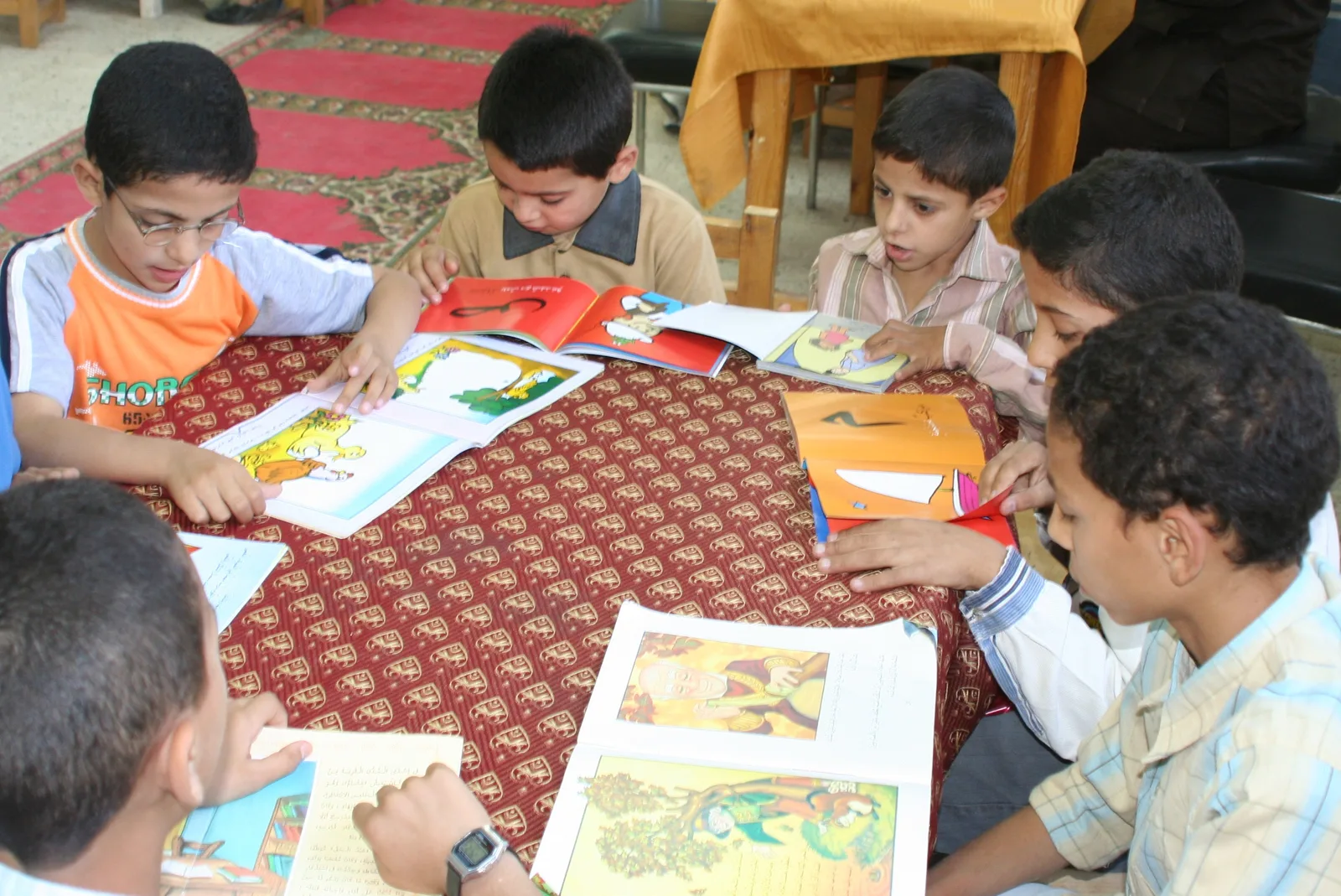
Demandez à n’importe quel enseignant ce qui distingue les élèves qui réussissent des autres : la réponse ne varie guère, ce sont les lecteurs qui prennent de l’avance. La lecture nourrit le vocabulaire, l’imagination, la concentration et l’empathie, et ses effets s’accumulent discrètement tout au long de la scolarité. Pourtant, un enfant lecteur ne naît presque jamais par hasard : derrière chaque petit lecteur se tient une famille qui a traité les livres comme des objets domestiques ordinaires — aussi présents à la maison que le pain — et un adulte qui a su faire de l’histoire un cadeau plutôt qu’un devoir.
L’habitude commence plus tôt que ne le croient la plupart des parents, bien avant que l’enfant ne déchiffre la moindre lettre. Les nourrissons à qui l’on fait la lecture s’imprègnent de la musique de la langue ; les tout-petits qui manipulent des livres cartonnés apprennent que les pages recèlent des surprises. L’Égypte dispose ici d’un puits profond où puiser : la tradition orale des grands-mères et les contes populaires du pays constituent en eux-mêmes une littérature précoce. Le père ou la mère qui raconte à voix haute — de mémoire, d’après un livre ou d’imagination — élève déjà un lecteur.
La maison elle-même en dit plus long que tous les discours sur la valeur de la lecture. Les enfants imitent ce qu’ils voient, non ce qu’on leur dit : un parent rivé à son téléphone qui ordonne à son fils de lire envoie deux messages, et c’est le plus bruyant qui l’emporte. Les familles qui forment des lecteurs gardent les livres à portée de main et sous les yeux, fréquentent la librairie ou l’étal de livres comme elles vont chez l’épicier, et protègent un petit espace de temps calme où chacun lit quelque chose, les adultes avant les enfants.
L’arabe pose une difficulté bien réelle que les familles gagneraient à nommer plutôt qu’à ignorer : la distance entre le dialecte égyptien que l’enfant parle à la maison et l’arabe standard moderne dans lequel les livres sont écrits. Les spécialistes de l’enseignement de l’arabe conseillent de combler l’écart en douceur : lire le texte littéraire à voix haute en l’expliquant dans le parler de l’enfant, choisir des albums illustrés à la langue simple et musicale, et ne jamais transformer l’arabe littéraire en instrument de correction et de réprimande. L’enfant qui associe les livres aux remontrances finira par les refermer.
Les familles égyptiennes héritent d’une riche tradition d’écriture pour la jeunesse. Kamel Kilani, considéré comme le pionnier de la littérature arabe pour la jeunesse, a réécrit dès la première moitié du XXe siècle les chefs-d’œuvre du monde et les contes arabes à l’intention des jeunes lecteurs. Des générations ont grandi avec les magazines pour enfants des grandes maisons d’édition — « Samir », de Dar al-Hilal, et « Alaa el-Din », d’Al-Ahram — dont les bandes dessinées et les feuilletons ont appris à des millions d’Égyptiens que lire en arabe pouvait être un pur plaisir.
Les rayons d’aujourd’hui sont plus fournis que beaucoup de parents ne l’imaginent. Les maisons d’édition égyptiennes et arabes publient des albums illustrés, des romans pour adolescents et des traductions arabes de séries mondiales, tandis que des prix régionaux consacrés à la littérature arabe pour la jeunesse en ont relevé à la fois la qualité et la visibilité. L’album illustré, en particulier, a connu un essor remarquable : des illustrateurs égyptiens ont donné aux récits arabes une vie visuelle qui rivalise sans complexe avec les productions importées. Quant à la vieille plainte selon laquelle « il n’y a rien de bon pour les enfants en arabe », le temps l’a tout simplement démentie.
Le Salon international du livre du Caire, organisé chaque hiver depuis 1969 et l’un des plus grands du monde, tient depuis longtemps lieu de sortie familiale nationale. Ses pavillons pour enfants, ses éditions à prix réduit et ses rencontres avec les auteurs offrent à beaucoup d’enfants égyptiens leur première expérience du choix d’un livre de leurs propres mains — un geste que les bibliothécaires jugent décisif, car le livre que l’enfant choisit est celui qu’il finit. Les salons régionaux organisés dans les gouvernorats prolongent la même expérience hors de la capitale.
Les bibliothèques publiques offrent à cette habitude un foyer hors du foyer. La Bibliotheca Alexandrina abrite une bibliothèque réservée aux enfants au sein de l’une des institutions de lecture les plus célèbres du monde ; les réseaux de bibliothèques publiques et les palais de la culture répartis dans les gouvernorats animent des sections et des activités pour enfants ; et de nombreuses mosquées et églises tiennent leurs propres rayons de prêt. La carte de bibliothèque coûte peu, et le rituel de l’emprunt et du retour apprend aux enfants que les livres circulent — et que la lecture est une habitude publique, non un luxe privé.
Les bibliothèques scolaires et les heures de lecture en classe peuvent allumer l’habitude ou l’éteindre, et les parents y ont plus d’influence qu’ils ne le croient. Demander à son enfant ce que la classe est en train de lire, participer aux journées du livre à l’école, offrir une étagère de titres, insister calmement pour que l’heure de bibliothèque soit protégée plutôt que sacrifiée aux révisions : autant de signaux indiquant que la famille tient la lecture pour une part de l’éducation et non pour un ornement. L’enseignant qui fait la lecture à voix haute à ses élèves vaut son pesant d’or, et les parents ont tout lieu de l’en remercier.
Les détails quotidiens, eux, sont simples et indulgents. L’histoire du soir, ne serait-ce que dix minutes, reste le rituel le plus sûr qui soit. Laissez l’enfant choisir et respectez son choix : bandes dessinées, livres de football et recueils de blagues comptent tous, car l’objectif, au début, est l’appétit et non le programme. En écartant les écrans de la dernière heure avant le coucher, vous laissez au livre sa place naturelle. Et si votre enfant redemande la même histoire pour la dixième fois, réjouissez-vous : la répétition est la manière dont les jeunes lecteurs s’approprient leurs livres.
Une famille n’a pas besoin d’être riche pour élever un lecteur ; il lui faut de la constance et un peu de théâtre. Un parent qui imite les voix, une étagère à hauteur d’enfant, une visite hebdomadaire à la bibliothèque, un salon du livre une fois par an : des investissements modestes qui s’accumulent comme une épargne. L’enfant qui lit par plaisir emporte partout avec lui, et pour la vie, un professeur particulier. À une époque bruyante, la capacité d’un enfant à s’asseoir tranquillement à l’intérieur d’une histoire est peut-être l’un des héritages les plus utiles qu’une famille égyptienne puisse transmettre à ses enfants.
À lire aussi
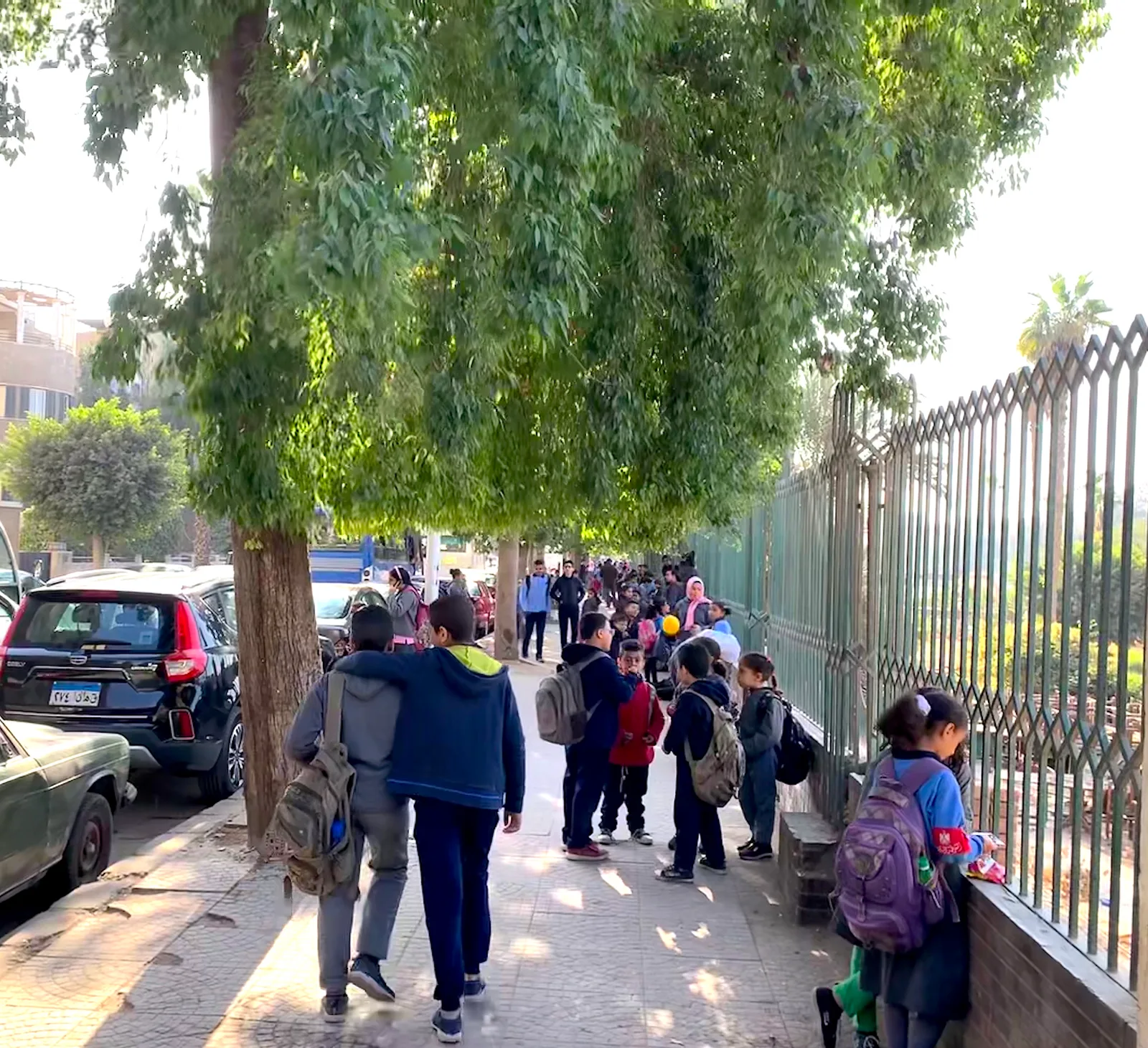
Un cartable plus lourd que l'enfant : combien un sac d'école doit-il peser, et comment protéger le dos de votre enfant ?
Dès la première semaine de classe, la même question revient dans chaque foyer : combien de kilos le dos d'un enfant peut-il supporter ? Nous expliquons la règle des 15 % de l'Académie américaine de pédiatrie, une étude égyptienne de Menouf où trois quarts des élèves se plaignent de douleurs dorsales, puis une méthode de pesée au pèse-personne et des gestes quotidiens pour alléger la charge avant qu'elle devienne un mal permanent.
15 septembre 2026 · 7 min de lecture

L'argent de poche, première leçon d'économie : comment apprendre à votre enfant la valeur de l'argent et de l'épargne ?
Avant l'algèbre et la géométrie, votre enfant reçoit ses premières leçons d'économie devant le kiosque de l'école et dans sa petite tirelire. Guide pratique, âge par âge : quand commencer l'argent de poche, comment le partager entre dépense, épargne et don, et pourquoi il ne faut jamais le lier aux notes ni en faire une arme de punition.
3 septembre 2026 · 7 min de lecture

Le harcèlement entre enfants : comment protéger le vôtre, qu'il soit victime, témoin ou harceleur ?
Quand une bagarre de récréation devient-elle du harcèlement ? Guide pratique pour les parents : les signes silencieux que l'enfant dissimule, le dialogue qui lui ouvre le cœur, les démarches documentées auprès de l'école et de vraies alternatives au conseil « rends-lui son coup » — et que faire si c'est votre enfant qui harcèle, sans humiliation ni déni.
27 août 2026 · 8 min de lecture