Avant le premier jour d'école : comment préparer votre enfant à réussir ?
Préparer un enfant à l'école, ce n'est pas seulement mémoriser lettres et chiffres : c'est aussi l'autonomie, savoir exprimer ses besoins et vivre avec les autres. Des étapes concrètes que les parents peuvent engager à la maison dans les mois précédant la rentrée, pour que l'enfant entre en classe confiant plutôt qu'apeuré.
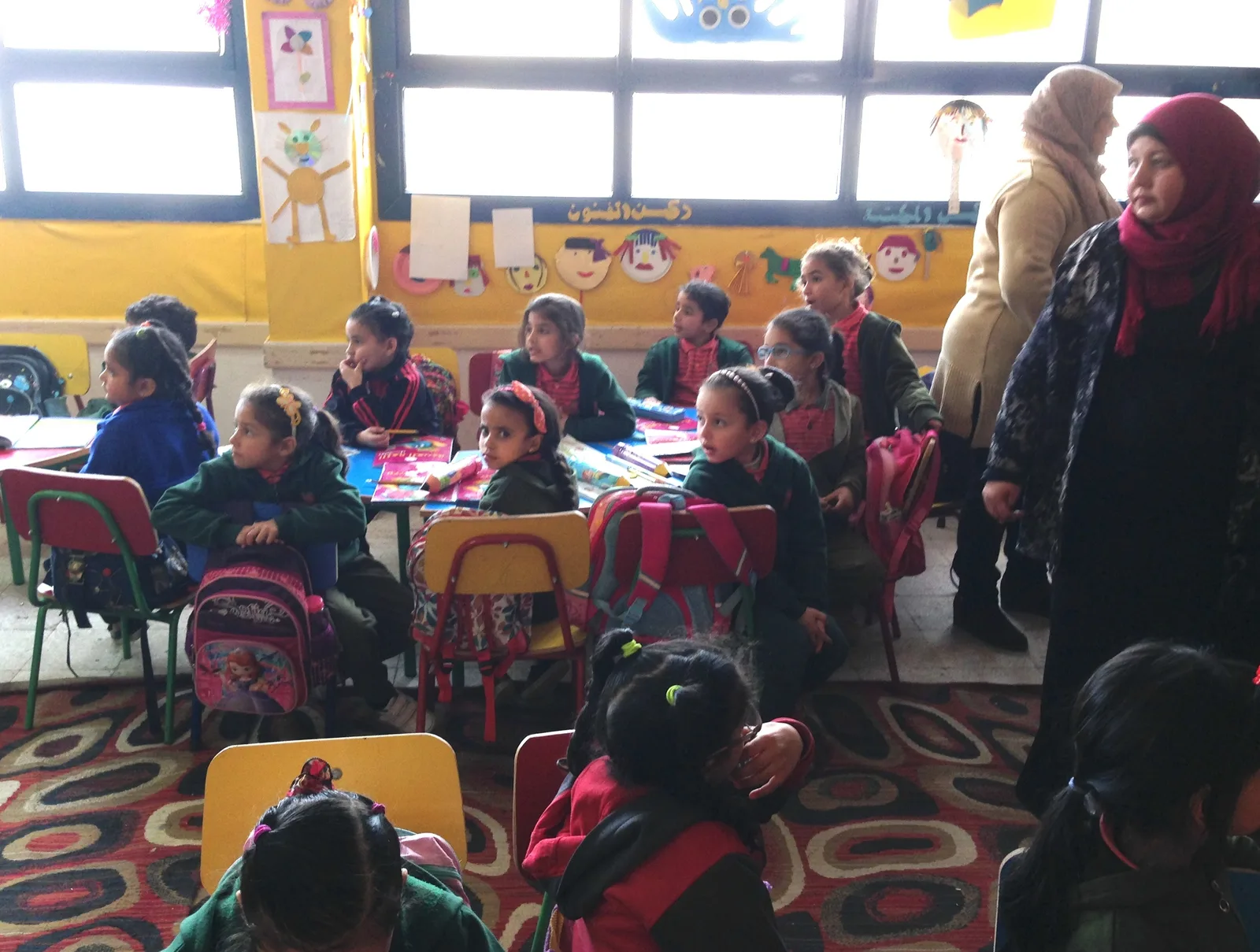
À l'approche de l'entrée en première année, beaucoup de familles se focalisent sur une seule question : l'enfant connaît-il ses lettres et ses chiffres ? Or les enseignants et les spécialistes de la petite enfance s'accordent à dire que la véritable préparation à l'école est bien plus large : un enfant capable de subvenir seul à ses besoins essentiels, d'exprimer ce qu'il veut, de rester assis et d'écouter, et de côtoyer des enfants qu'il ne connaît pas — cet enfant-là réussira, même s'il ne maîtrise pas encore toutes les lettres.
La préparation commence par les gestes d'autonomie : aller seul aux toilettes et se laver les mains, manger sans aide et ouvrir sa boîte-repas et sa bouteille d'eau, mettre ses chaussures et son blouson sans qu'on l'aide, reconnaître ses affaires et en prendre soin. Ce sont ces petites compétences qui décident si la journée d'école se déroulera sans heurts ou se transformera en une succession d'appels au secours ; les travailler à la maison dans les mois qui précèdent la rentrée est un investissement inestimable.
Vient ensuite la préparation affective et sociale, la plus difficile et la plus importante : supporter plusieurs heures loin de sa mère sans s'effondrer, partager un jeu avec un autre enfant et attendre son tour, savoir dire à la maîtresse « je veux aller aux toilettes » ou « il m'a frappé » au lieu de se contenter de pleurer. L'enfant s'y entraîne par des séparations progressives chez sa grand-mère ou sa tante, en jouant avec les enfants des voisins et de la famille, et en étant encouragé à formuler ses besoins avec des mots, d'abord à la maison.
Le langage, lui, est le socle sur lequel se construira tout apprentissage ultérieur, et ce que les parents peuvent offrir de plus précieux dans ce domaine est entièrement gratuit : la parole. Les recherches sur la petite enfance montrent que le vocabulaire acquis dans les premières années est l'un des meilleurs indicateurs de la réussite en lecture plus tard. Parlez beaucoup avec votre enfant, répondez patiemment à ses questions, racontez-lui des histoires avant de dormir, lisez-lui des albums illustrés, ne serait-ce que quelques pages par jour, et laissez-le « lire » les images à sa façon.
N'oubliez pas non plus les petits muscles de la main : tenir un crayon relève de la motricité avant de relever de l'esprit. Dessiner et colorier, découper du papier avec des ciseaux pour enfants, modeler de la pâte, enfiler des perles, monter et démonter des cubes — autant de jeux qui paraissent de simples distractions et qui sont en réalité un entraînement direct des muscles des doigts qui écriront bientôt. Accordez-leur un moment chaque jour, et faites-en un jeu, jamais un devoir.
Quelques semaines avant la rentrée commence le changement le plus important dans l'organisation de la maison : le sommeil. Un enfant qui s'est couché à minuit tout l'été ne peut pas se réveiller du jour au lendemain à six heures du matin. Avancez l'heure du coucher progressivement, tous les quelques jours, jusqu'à ce qu'elle s'aligne sur le rythme scolaire au moins deux semaines avant la reprise, et installez l'habitude d'un petit-déjeuner, même léger : un enfant qui a faim n'apprend pas.
Donnez à l'école une image attrayante dans l'imaginaire de l'enfant : allez la voir ensemble de l'extérieur si c'est possible, achetez le cartable et les fournitures ensemble en le laissant choisir, et parlez de l'école comme d'un lieu d'amis, de jeux et d'histoires nouvelles. Et surtout, ne vous servez jamais de l'école ou de la maîtresse comme d'une menace — « tu verras quand l'école commencera » — car l'enfant qui entre à l'école en la percevant comme une punition y entre déjà vaincu.
Entraînez aussi votre enfant à exécuter des consignes simples en plusieurs étapes : « va chercher le verre dans la cuisine et pose-le sur la table », car c'est exactement le genre de phrase qu'il entendra chaque jour en classe. Confiez-lui de petites tâches à la maison — ranger ses jouets, mettre le pain sur la table — car l'enfant qui se sent capable et utile entre en classe avec une tout autre confiance.
Et rappelez-vous toujours que le jeu n'est pas l'ennemi de la préparation à l'école : il en est le cœur. Multiplier les exercices de lettres et les cahiers avant l'âge scolaire risque d'installer très tôt un dégoût de l'apprentissage, alors que le jeu libre, les histoires, les chansons et la course construisent le cerveau qui apprendra tout le reste. À cet âge, mieux vaut aussi réduire les écrans au profit de vrais jeux et de vraies conversations avec de vraies personnes.
Enfin, n'attendez pas la perfection lors des premières semaines : les larmes du matin, les premiers jours, sont normales et passagères chez beaucoup d'enfants, et elles s'estompent d'autant plus vite que l'au revoir est ferme, tendre et bref. Faites de votre relation avec l'enseignante un partenariat et non un affrontement, interrogez-la sur le comportement de votre enfant et écoutez-la, et offrez chaque soir à votre enfant une oreille attentive qui lui demande à quoi il a joué et avec qui il a ri — et pas seulement ce qu'il a appris par cœur. Car l'enfant qui sent que l'école rend ses parents heureux l'aimera d'abord pour eux, puis pour elle-même.
À lire aussi
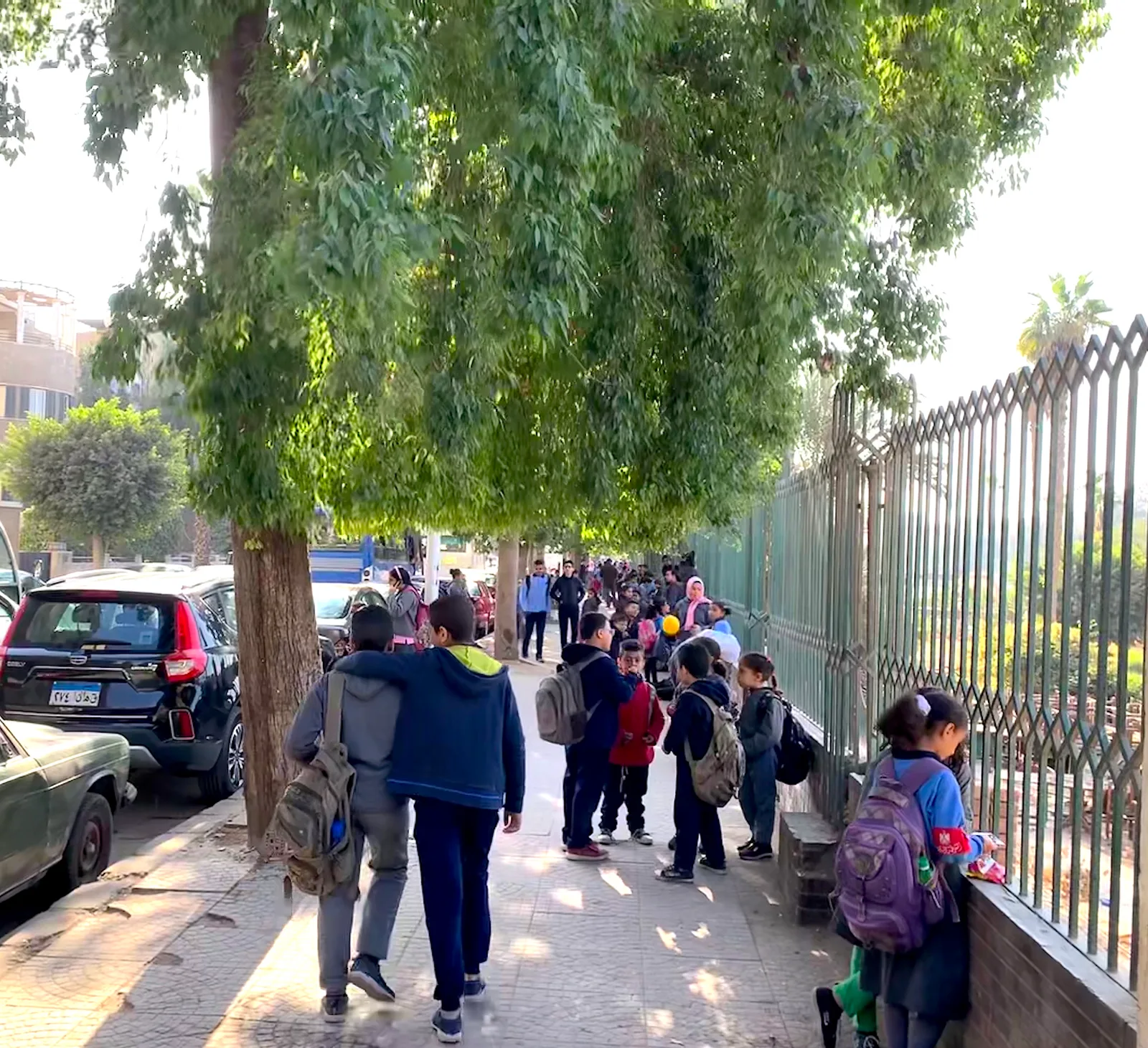
Un cartable plus lourd que l'enfant : combien un sac d'école doit-il peser, et comment protéger le dos de votre enfant ?
Dès la première semaine de classe, la même question revient dans chaque foyer : combien de kilos le dos d'un enfant peut-il supporter ? Nous expliquons la règle des 15 % de l'Académie américaine de pédiatrie, une étude égyptienne de Menouf où trois quarts des élèves se plaignent de douleurs dorsales, puis une méthode de pesée au pèse-personne et des gestes quotidiens pour alléger la charge avant qu'elle devienne un mal permanent.
15 septembre 2026 · 7 min de lecture
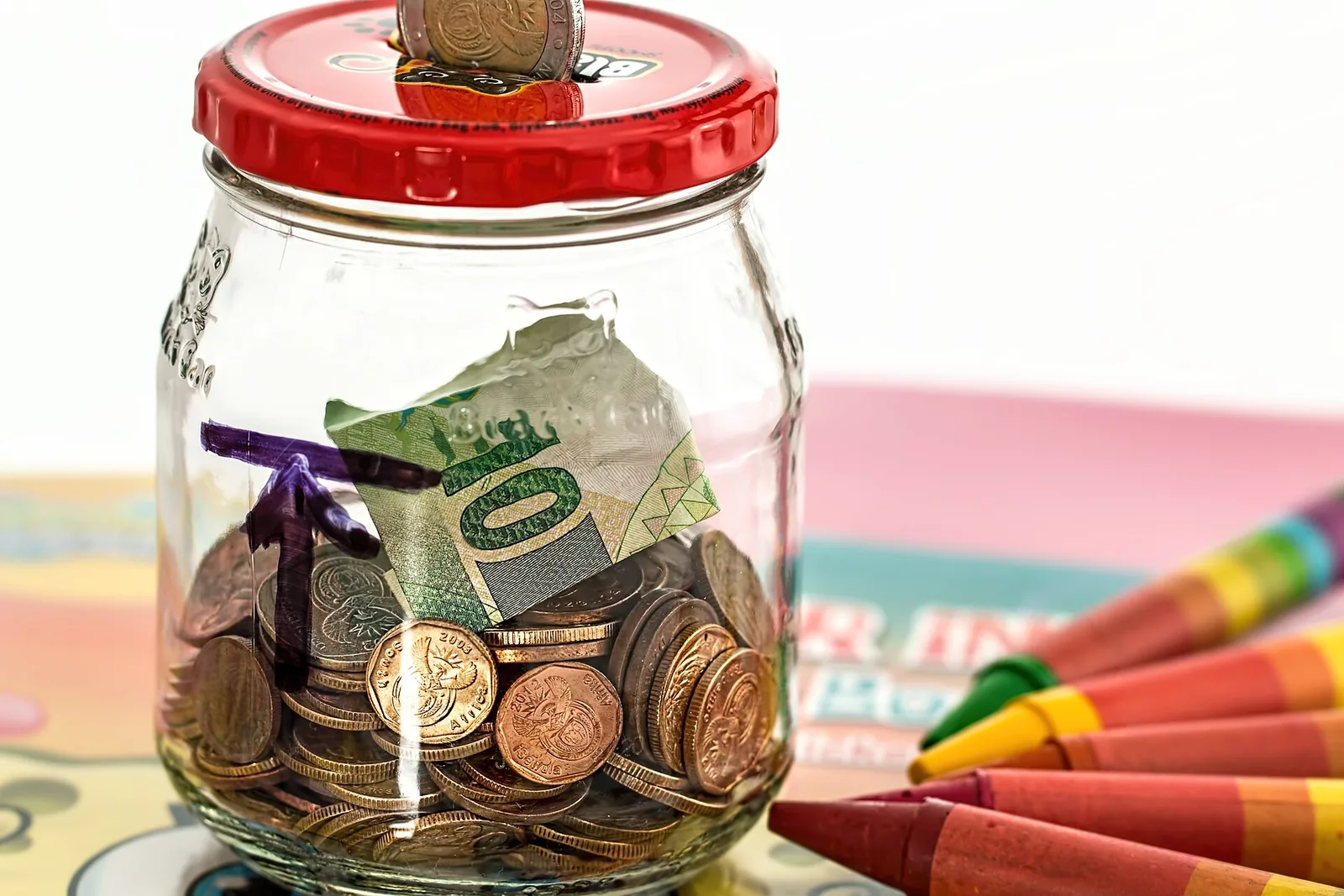
L'argent de poche, première leçon d'économie : comment apprendre à votre enfant la valeur de l'argent et de l'épargne ?
Avant l'algèbre et la géométrie, votre enfant reçoit ses premières leçons d'économie devant le kiosque de l'école et dans sa petite tirelire. Guide pratique, âge par âge : quand commencer l'argent de poche, comment le partager entre dépense, épargne et don, et pourquoi il ne faut jamais le lier aux notes ni en faire une arme de punition.
3 septembre 2026 · 7 min de lecture
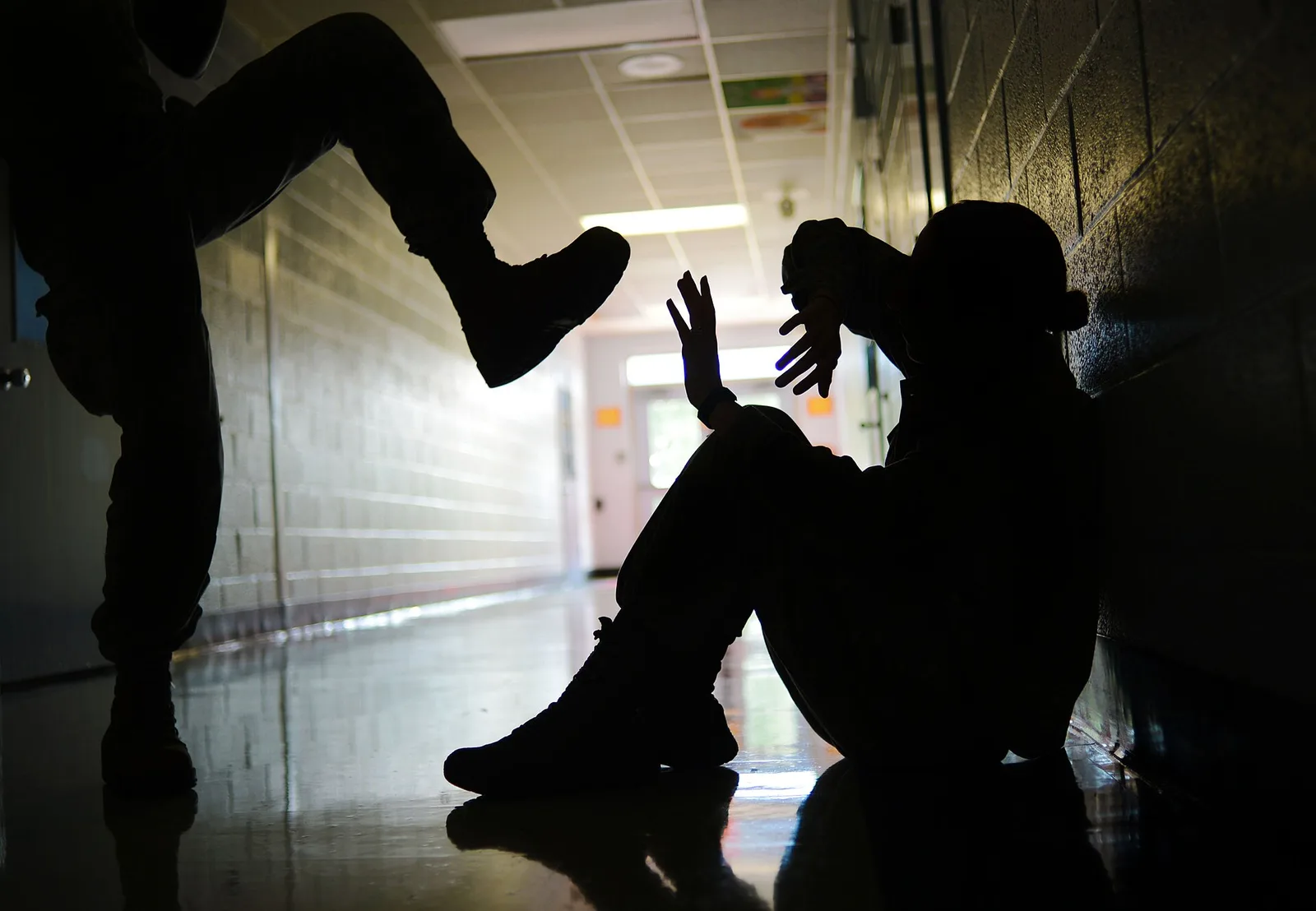
Le harcèlement entre enfants : comment protéger le vôtre, qu'il soit victime, témoin ou harceleur ?
Quand une bagarre de récréation devient-elle du harcèlement ? Guide pratique pour les parents : les signes silencieux que l'enfant dissimule, le dialogue qui lui ouvre le cœur, les démarches documentées auprès de l'école et de vraies alternatives au conseil « rends-lui son coup » — et que faire si c'est votre enfant qui harcèle, sans humiliation ni déni.
27 août 2026 · 8 min de lecture