Dein Hund ist frei – bei dir zu Hause: Aggressive Hunde am Strand sind ein Übergriff auf das Recht der anderen
Eine Szene, die sich jeden Sommer an unseren Stränden wiederholt: Ein riesiger Hund ohne Maulkorb rennt zwischen den Kindern umher, und sein Besitzer quittiert jeden Einwand mit einem »Der tut nichts«. Im Ressort »So nicht!« sagen wir es unmissverständlich: Die Freiheit, ein Tier zu halten, endet dort, wo Sicherheit und Ruhe der anderen beginnen. Der öffentliche Strand gehört allen Bürgern – er ist kein Trainingsgelände für die Hunde einiger weniger.
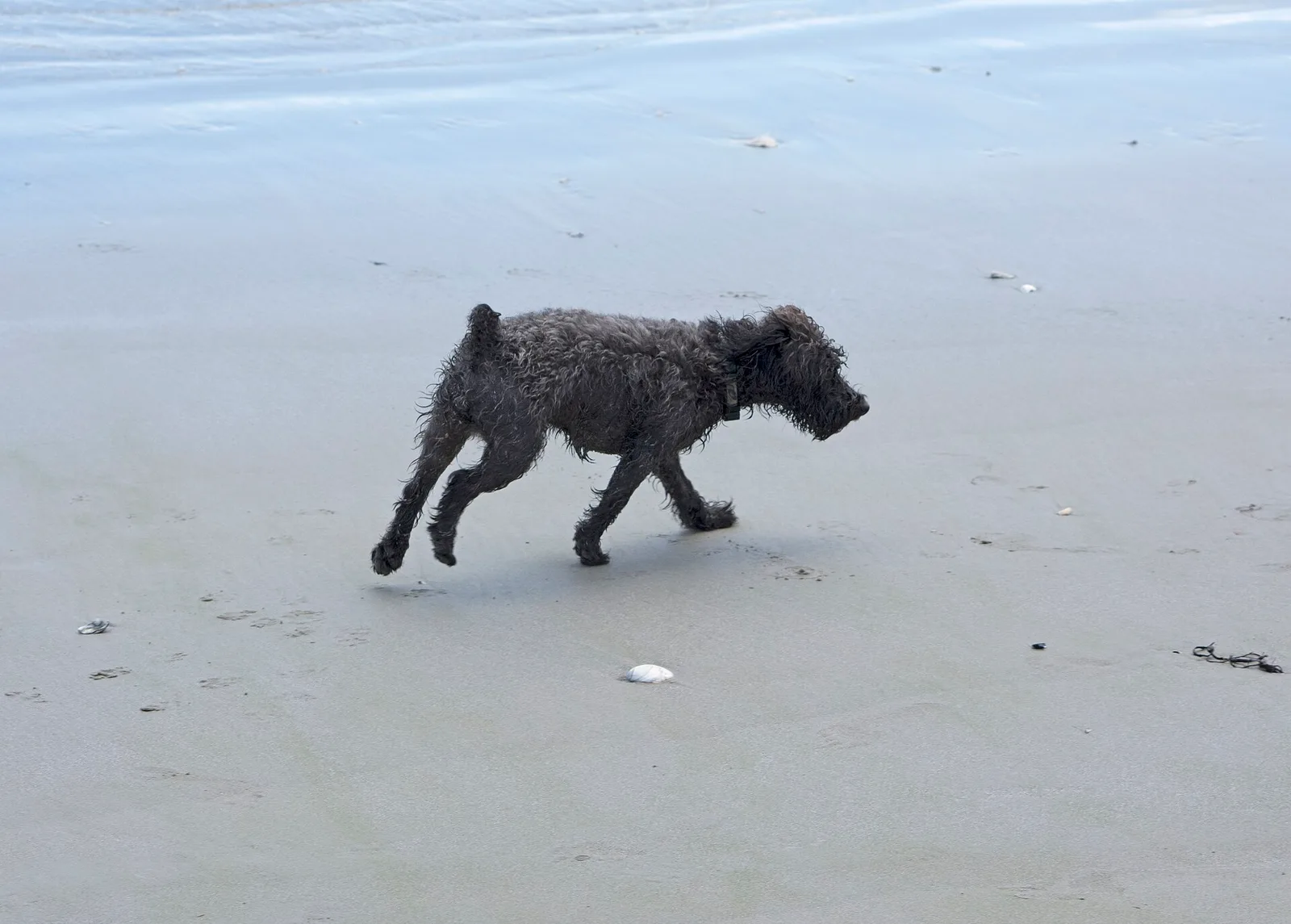
Die Szene kennt jeder, der im Sommer an einen öffentlichen Strand gefahren ist: Eine Familie stellt ihre Stühle ans Wasser, Kinder bauen Sandburgen, und plötzlich taucht ein riesiger Hund einer als aggressiv bekannten Rasse auf – ohne Maulkorb, ohne Leine –, hinterher sein Halter, der lächelnd alle mit einem einzigen Satz beruhigt: „Keine Angst, der ist ganz lieb.“ Doch das Kind, das weinend zusammenfährt, kennt den Unterschied zwischen lieb und bissig nicht, und die Mutter, die ihr Kleines gepackt hat und weggelaufen ist, interessiert das Führungszeugnis des Hundes nicht.
Noch bevor von Gesetzen die Rede ist: Dies ist moralisch falsch. Ein öffentlicher Strand ist gemeinsamer Raum – alle haben Eintritt bezahlt oder ihn als öffentliches Recht geerbt –, und wer dort ein Tier frei laufen lässt, das Menschen Angst macht, sagt damit praktisch: Meine Bequemlichkeit und die meines Hundes wiegen schwerer als die Sicherheit Ihrer Kinder. Genau darum geht es in dieser Rubrik: um die Kränkung des Bürgers und um den Angriff auf seine Ruhe an einem Ort, an den er gekommen ist, um sich zu erholen.
Die Angst ist hier weder Luxus noch Übertreibung. Ein einziger Hundebiss kann Wunden, Nähte und eine Serie von Tollwutimpfungen bedeuten – dazu einen seelischen Schrecken, der ein Kind jahrelang begleiten kann: Aus der Angst vor einem Hund wird die Angst vor allen Tieren und vor dem Strand selbst. Und selbst wenn der Hund niemanden beißt, genügt es schon, dass ein Tier einer gefährlichen Rasse zwischen den Badegästen umherrennt, um Dutzenden Familien den ganzen Tag zu verderben.
Dann ist da noch, was das Auge nicht sieht: das Waschen von Hunden in genau dem Meerwasser, in dem Menschen schwimmen. Ein Hund trägt in seinem Fell und in seinem Kot Keime und Parasiten, von denen manche auf den Menschen übertragbar sind; am stärksten gefährdet sind die Kinder, die beim Spielen Meerwasser schlucken. Wer seinen Hund in dem Wasser badet, in dem die Kinder anderer Leute schwimmen, behandelt das Meer wie seine private Badewanne – und das ist blanker Egoismus.
Und seien wir fair: Das Problem sind weder die Hundehaltung noch die Tierfreunde; Tiere zu versorgen und gut zu behandeln ist ein Wert, den wir achten und für den wir werben. Das Problem ist der Halter, der die einfachsten Regeln der Verantwortung ablehnt: die Leine, den Maulkorb für gefährliche Rassen, die Wahl der dafür vorgesehenen Orte – und eine schlichte Frage, bevor man sich einer Familie nähert: Stört es Sie?
Das ägyptische Recht hat die Sache nicht ungeregelt gelassen. Das Zivilgesetzbuch macht den Halter eines Tieres für den Schaden haftbar, den es anrichtet, und der Gesetzgeber hat 2023 ein eigenes Gesetz zur Haltung gefährlicher Tiere und von Hunden erlassen: Es schreibt eine Genehmigung vor, regelt das Mitführen von Hunden an öffentlichen Orten und bestraft Verstöße. Wer also einen aggressiven Hund zwischen Badegästen frei laufen lässt, begeht nicht nur ein moralisches Unrecht, sondern setzt sich auch dem Zugriff des Gesetzes aus.
Doch in dieser Rubrik setzen wir nicht allein auf Strafe, denn bevor dies ein juristisches Problem ist, ist es eine Frage des Anstands. Stellen Sie sich vor, jeder von uns trüge das, was die eigenen Nachbarn stört, in den öffentlichen Raum: Der eine dreht den Lautsprecher auf, der Zweite grillt auf dem Gehweg, der Dritte lässt seinen Hund zwischen Kindern laufen. Dann bliebe nichts mehr übrig, was „öffentlicher Raum“ heißt – nur ein Dschungel, in dem der Stärkste und Dreisteste sich seinen Platz auf Kosten aller sichert.
Was von Hundehaltern verlangt wird, ist klar und bedarf keiner Auslegung: Bringen Sie einen Hund einer gefährlichen Rasse gar nicht erst an einen ohnehin überfüllten öffentlichen Strand; wenn Sie einen gutmütigen Hund mitnehmen, dann stets an der Leine und bei Bedarf mit Maulkorb; baden Sie ihn nicht in Wasser, in dem Menschen schwimmen; räumen Sie hinter ihm auf; und respektieren Sie die Angst anderer, auch wenn sie Ihnen übertrieben erscheint – Angst ist ein Recht, das Ihre Erlaubnis nicht braucht.
Was von Staat und Kommunen verlangt wird, ist nicht weniger klar: das Gesetz über die Haltung gefährlicher Tiere an den Stränden auch tatsächlich durchzusetzen, statt es im Amtsblatt stehen zu lassen; an den Strandzugängen deutliche Schilder mit den Regeln für das Mitführen von Tieren anzubringen; und Hundehaltern eigene Flächen oder Zeiten fernab des Familienandrangs zuzuweisen, damit jeder zu seinem Recht kommt, ohne dass es zum Zusammenstoß kommt.
Die letzte Botschaft an alle, die sagen „Ich bin frei, und mein Hund ist es auch“: Ja – frei sind Sie in Ihrem Haus und auf den dafür ausgewiesenen Flächen. Am öffentlichen Strand aber endet Ihre Freiheit dort, wo die Sicherheit eines Kindes beginnt, dessen einzige Kraft sein Schreien ist. So ist es falsch, und richtig geht es einfacher, als Sie denken: Leine, Maulkorb, der passende Ort und Respekt vor den anderen.
Verwandte Artikel
„Keda ghalat“ („Das ist falsch“): Tierquälerei ist seit 1937 eine Straftat nach dem ägyptischen Strafgesetzbuch
Ein Nachbar stellt vergiftete Näpfe neben die Schulmauer; ein Karrenbesitzer schlägt seinem Esel ins Gesicht, weil dieser eine zu schwere Last trägt. Viele glauben, „nur ein Tier“ bedeute, dass kein Gesetz es schützt. Tatsächlich stellen die Artikel 355, 356 und 357 des Strafgesetzbuchs Töten, Vergiften und Misshandeln von Tieren unter Strafe, bis hin zu Gefängnis. Am Vorabend des Welttierschutztages erklären wir, was das Gesetz sagt.
3. Oktober 2026 · 6 Min. Lesezeit
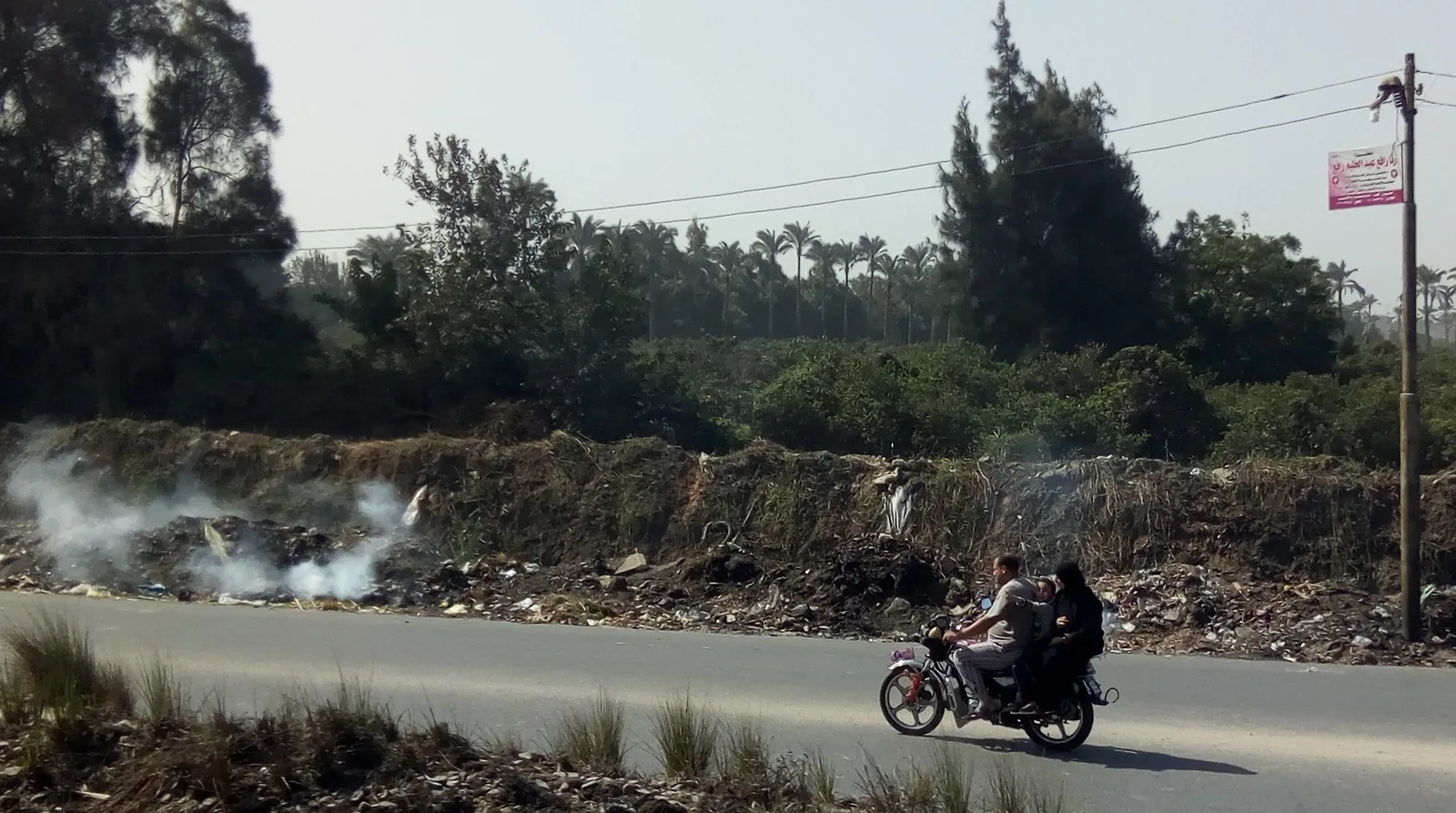
Vier auf einem Motorrad, keiner mit Helm: Der nackte Kopf ist das Teuerste, was eine Familie verlieren kann
In der zweiten Schulwoche wiederholt sich dieselbe Szene: der Vater am Lenker, ein Kind vorn, eines hinten, die Mutter mit den Taschen, kein einziger Helm. Presseberichte, gestützt auf CAPMAS, zeigen einen Anstieg der Toten von 190 auf 897 zwischen 2020 und 2024, während Cochrane belegt, dass der Helm das Sterberisiko um 42 Prozent senkt. Das Gesetz bestraft den nackten Kopf seit 1999, das Bußgeld stieg 2008. Warum halten wir uns nicht daran?
23. September 2026 · 8 Min. Lesezeit

„Ein Kabelanzapf“ ist keine Cleverness: Stromdiebstahl ist ein Verbrechen, das die ganze Nachbarschaft bezahlt
Ein blankes Kabel hängt von einem Mast zu einem Balkon, eine Klimaanlage läuft über einen Zähler, der sich nie dreht, und eine Sicherung brennt zum dritten Mal durch und stürzt den zahlenden Nachbarn in Dunkelheit. Artikel 71 des Elektrizitätsgesetzes nennt dies unrechtmäßige Stromaneignung, geahndet mit Haft und Geldstrafe, während eine schärfere Novelle auf das Abgeordnetenhaus wartet. Was verliert eine Straße durch einen Anzapf?
14. September 2026 · 7 Min. Lesezeit