Ein Café unter deinem Schlafzimmer: Wenn Untergeschosse zu Shisha-Höhlen bis zum Morgengrauen werden
Rauch, der durch die Lüftungsschächte in die Wohnungen zieht, Stimmengewirr und Gelächter bis zum Morgengrauen – und ein Kind, das am Morgen eine Prüfung hat und nicht weiß, wie es schlafen soll. Keller und Untergeschosse von Wohnhäusern in Shisha-Cafés zu verwandeln, die die ganze Nacht geöffnet sind, ist ein täglicher Übergriff auf Gesundheit und Ruhe der Bewohner. So nicht – Wohnen ist ein Recht, und es kommt vor jedem Gewerbe.

In zahllosen Wohnhäusern unserer Städte wiederholt sich dieselbe Szene: Ein Keller oder ein Erdgeschoss, einst als Garage, Lagerraum oder Wohnung ausgewiesen, wird vermietet und über Nacht in ein Café verwandelt — Plastikstühle, die über den Gehweg kriechen, ein riesiger Bildschirm für die Fußballspiele und Dutzende Wasserpfeifen, deren Kohlen vom Nachmittag bis lange nach dem Morgengrauen nicht erlöschen. Direkt darüber entdecken Familien plötzlich, dass ihre Wohnung über einem dauerhaften nächtlichen Treiben liegt, nach dem sie niemand gefragt hat.
Beginnen wir dort, wo diese Rubrik immer beginnen muss: Das ist ein moralisches Vergehen, bevor es ein Verwaltungsverstoß ist. Das Zuhause ist die letzte Festung des Menschen, der Ort, an dem man die Tür hinter seiner Erschöpfung schließen und schlafen soll. Wenn aber der Rauch von Wasserpfeife und Melassetabak durch Lüftungsschächte und Lichthöfe bis in die Schlafzimmer zieht, wenn Gelächter, der Lärm der Fußballfans und das Klappern der Tische bis drei Uhr morgens durch die Wohnungswände dringen, dann führen die Betreiber des Cafés kein Gewerbe: Sie enteignen den Schlaf eines ganzen Hauses.
Der Schaden ist hier kein vorübergehendes Unbehagen. Der Passivrauch, der in die Wohnungen zieht, schadet allen, am meisten aber Kindern, Lungen- und Allergiekranken sowie älteren Menschen; die Medizin hat diese Frage vor Jahrzehnten entschieden. Und chronischer Schlafentzug ist kein entgangener Luxus, sondern ein unmittelbarer Gesundheitsschaden: Ein Schüler kommt erschöpft in die Schule und seine Leistungen brechen ein, ein Angestellter fährt morgens mit halber Aufmerksamkeit zur Arbeit, eine kranke Mutter findet keine Stunde Ruhe.
Dann sind da noch der Gehweg und die Straße. Das Café, das mit ein paar Stühlen vor der Tür beginnt, verschlingt bald den gesamten Gehweg, sodass Fußgänger auf die Fahrbahn ausweichen müssen; der Hauseingang wird zum Wartesaal, und die Bewohner bahnen sich zwischen Tischen und Rauchschwaden den Weg in die eigene Wohnung, als wären sie lästige Gäste im eigenen Haus.
Das ägyptische Recht sieht hier nicht tatenlos zu — das Problem liegt beim Vollzug. Das Baugesetz Nr. 119 aus dem Jahr 2008 und die dazugehörigen Auflagen regeln die Nutzung von Einheiten und deren Nutzungsänderung; die Umwandlung einer Wohnung oder eines Kellers in eine gewerbliche Nutzung ist kein absolutes Recht des Eigentümers, sondern ein Verfahren mit eigenen Vorgaben und Genehmigungen. Das Gesetz über öffentliche Betriebe Nr. 154 aus dem Jahr 2019 verlangt eine Lizenz und legt die Betriebsauflagen fest, das Gesetz zur Bekämpfung der Schäden des Rauchens Nr. 52 aus dem Jahr 1981 samt seinen Änderungen verbietet das Rauchen in geschlossenen öffentlichen Räumen, und das Umweltgesetz Nr. 4 aus dem Jahr 1994 setzt Lärmgrenzwerte, die nachts nicht überschritten werden dürfen. Die rechtlichen Instrumente sind vorhanden; was fehlt, ist ihre Anwendung.
Und seien wir fair: Wir sind nicht gegen Cafés — sie gehören fest zum gesellschaftlichen Leben Ägyptens — und auch nicht gegen einen jungen Mann, der ein Geschäft eröffnet, um sein Brot zu verdienen. Wir sind gegen genau eine Sache: dass ein solcher Betrieb an einem Ort eingerichtet wird, der sich dafür nicht eignet, und zwar so, dass die Ruhe der Bewohner zum Preis seines Gewinns wird. Ein Café gehört in Gewerbegebiete und Geschäftsstraßen und unter die vorgeschriebenen Auflagen — nicht in den Bauch eines Wohnhauses, über dem Kinder schlafen.
Und die Verantwortung liegt nicht allein beim Mieter. Der Eigentümer, der den Keller vermietet hat, obwohl er genau wusste, was daraus werden würde, ist voll am Schaden beteiligt: Er hat die Ruhe von Nachbarn, mit denen er jahrelang Tür an Tür lebte, gegen eine höhere Miete verkauft. Und die Genehmigungsbehörden, die einen Betrieb an einem ungeeigneten Standort erlauben oder stillschweigend dulden, sind ein dritter Mitverantwortlicher, der nicht weniger in der Pflicht steht.
Was wir vom Bürger erwarten: Der Café-Betreiber sollte sich eine einzige Frage stellen — würde er selbst mit seinen Kindern über seinem Café wohnen wollen? Lautet die Antwort Nein, dann soll er wissen, dass er anderen antut, was er für sich selbst nicht hinnähme. Der Eigentümer sollte Wohnungen und Kellerräume nicht an Betriebe vermieten, die den Bewohnern schaden, so verlockend die Rendite auch sein mag. Und die betroffenen Bewohner sollten nicht aufgeben: Eine dokumentierte Sammelbeschwerde beim Bezirk und bei den Genehmigungsbehörden ist ihr gutes Recht, und ruhiges, organisiertes Nachhaken bringt mehr als der tägliche Streit.
Und was wir vom Staat erwarten: dass die Kontrolle von Nutzungsänderungen bei Wohnungen und Kellerräumen echt und nicht saisonal ist; dass die Lizenz für jeden öffentlichen Betrieb an eine ernsthafte Prüfung seines Standorts und seiner Auswirkungen auf die Bewohner geknüpft wird; dass nächtliche Lärmgrenzwerte und Sperrstunden tatsächlich durchgesetzt werden und nicht nur auf dem Papier stehen; und dass Beschwerden der Bewohner ein gangbarer Weg mit einem Ergebnis sind und kein Leidensweg durch Amtsstuben, der mit dem Ablegen der Akte endet.
Auf der Waage dieser Rubrik ist die Regel einfach: Das Recht auf Schlaf und saubere Luft geht dem Recht auf durchwachte Nächte und Gewinn vor. Wer ein Café eröffnen will, soll es dort und so eröffnen, wie es sich gehört. Wohnhäuser aber in Nachtlokale zu verwandeln, die ihren eigenen Bewohnern aufgezwungen werden — das ist schlicht falsch: falsch gegenüber dem Kind, das morgen eine Prüfung schreibt, gegenüber dem Kranken, der Stille braucht, und gegenüber der Idee des Zuhauses selbst.
Verwandte Artikel

„Keda ghalat“ („Das ist falsch“): Tierquälerei ist seit 1937 eine Straftat nach dem ägyptischen Strafgesetzbuch
Ein Nachbar stellt vergiftete Näpfe neben die Schulmauer; ein Karrenbesitzer schlägt seinem Esel ins Gesicht, weil dieser eine zu schwere Last trägt. Viele glauben, „nur ein Tier“ bedeute, dass kein Gesetz es schützt. Tatsächlich stellen die Artikel 355, 356 und 357 des Strafgesetzbuchs Töten, Vergiften und Misshandeln von Tieren unter Strafe, bis hin zu Gefängnis. Am Vorabend des Welttierschutztages erklären wir, was das Gesetz sagt.
3. Oktober 2026 · 6 Min. Lesezeit

Vier auf einem Motorrad, keiner mit Helm: Der nackte Kopf ist das Teuerste, was eine Familie verlieren kann
In der zweiten Schulwoche wiederholt sich dieselbe Szene: der Vater am Lenker, ein Kind vorn, eines hinten, die Mutter mit den Taschen, kein einziger Helm. Presseberichte, gestützt auf CAPMAS, zeigen einen Anstieg der Toten von 190 auf 897 zwischen 2020 und 2024, während Cochrane belegt, dass der Helm das Sterberisiko um 42 Prozent senkt. Das Gesetz bestraft den nackten Kopf seit 1999, das Bußgeld stieg 2008. Warum halten wir uns nicht daran?
23. September 2026 · 8 Min. Lesezeit
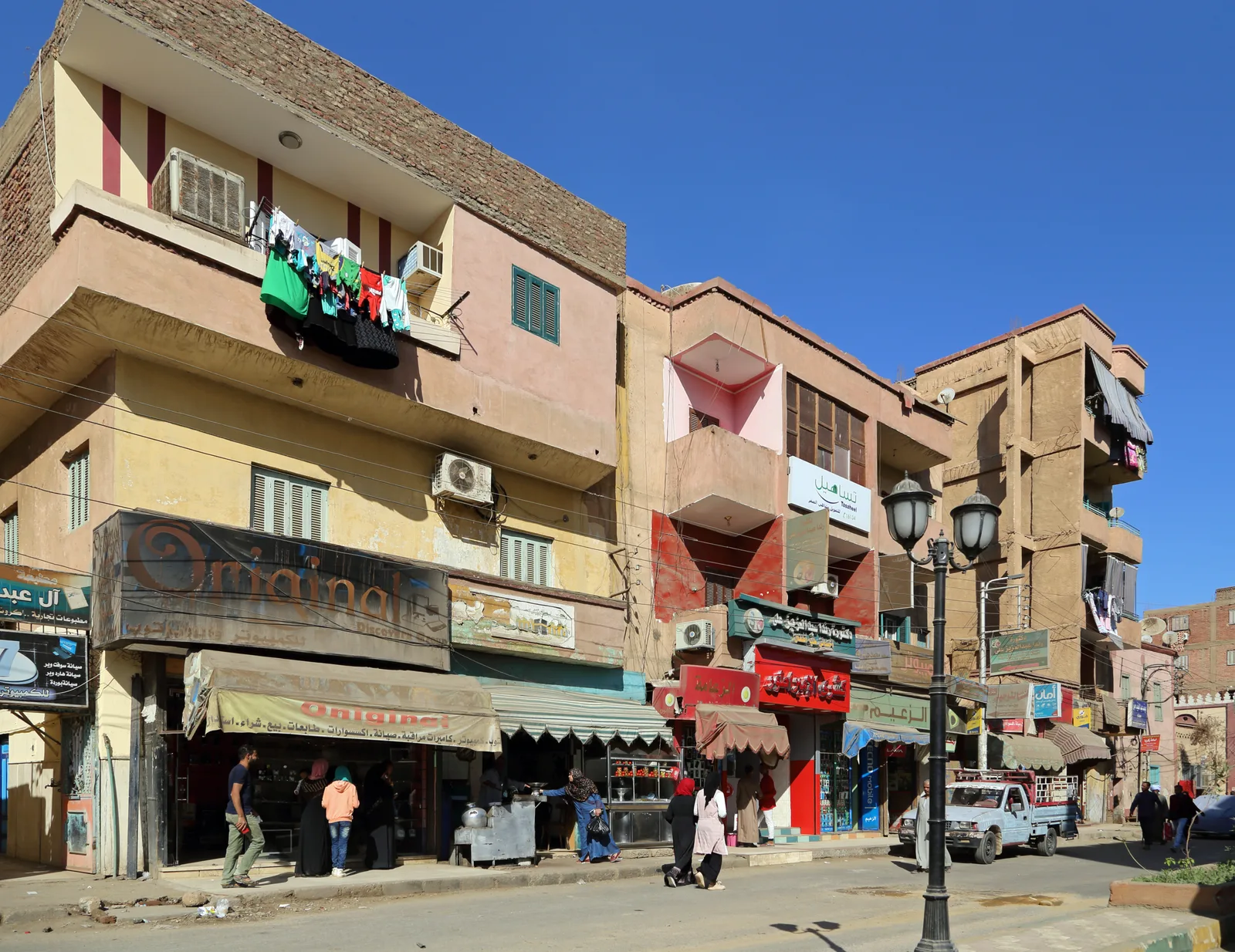
„Ein Kabelanzapf“ ist keine Cleverness: Stromdiebstahl ist ein Verbrechen, das die ganze Nachbarschaft bezahlt
Ein blankes Kabel hängt von einem Mast zu einem Balkon, eine Klimaanlage läuft über einen Zähler, der sich nie dreht, und eine Sicherung brennt zum dritten Mal durch und stürzt den zahlenden Nachbarn in Dunkelheit. Artikel 71 des Elektrizitätsgesetzes nennt dies unrechtmäßige Stromaneignung, geahndet mit Haft und Geldstrafe, während eine schärfere Novelle auf das Abgeordnetenhaus wartet. Was verliert eine Straße durch einen Anzapf?
14. September 2026 · 7 Min. Lesezeit