Benban: Wie Ägyptens Wüstensonne zu einem der größten Kraftwerke der Welt wurde
In der Westlichen Wüste nördlich von Assuan reihen sich Dutzende Solaranlagen aneinander und bilden den Komplex von Benban, einen der größten Photovoltaikparks der Erde – ein Projekt, das Ägyptens härteste Naturgewalt, die Wüstensonne, in einen erneuerbaren nationalen Reichtum verwandelt hat.
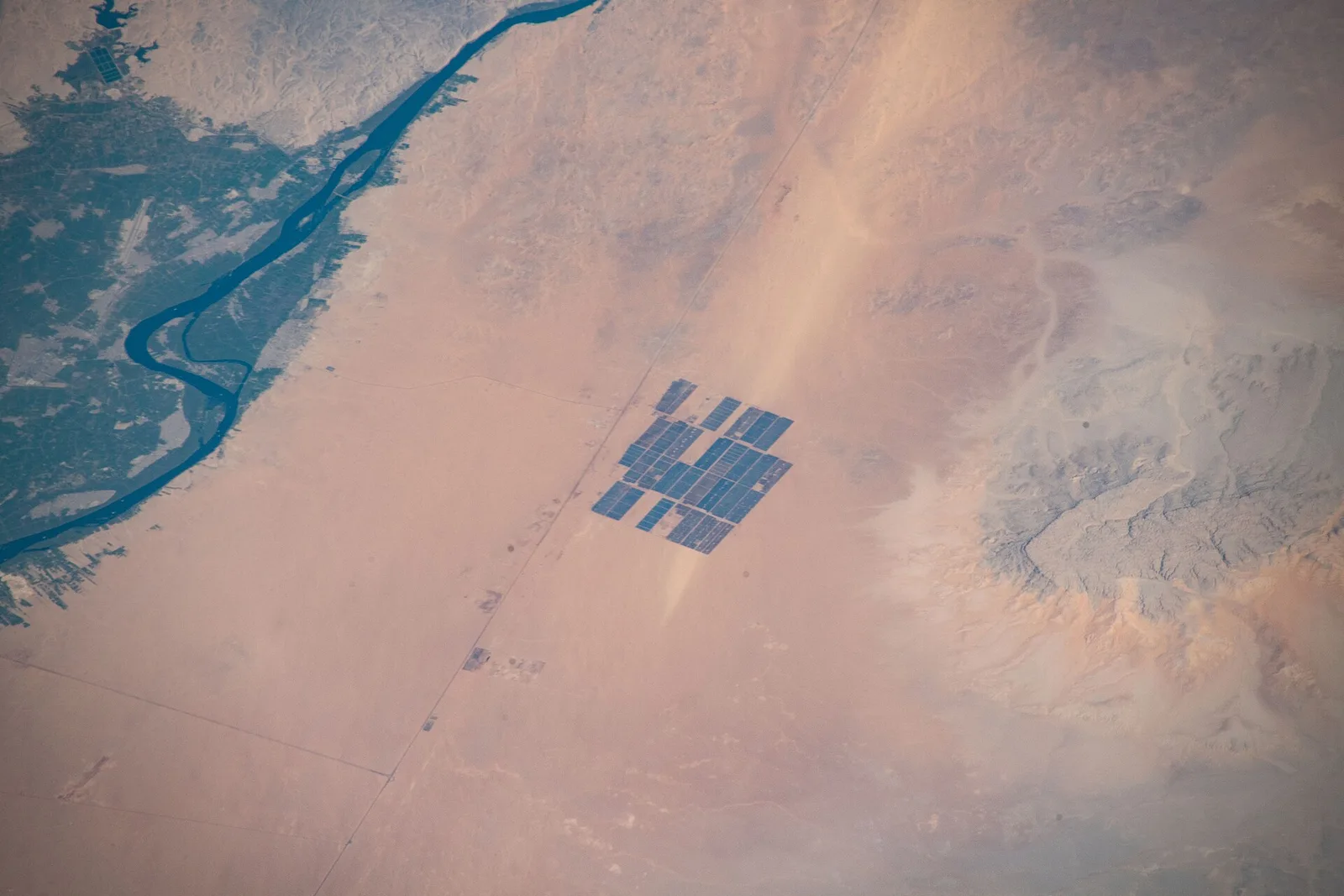
Einige Dutzend Kilometer nördlich von Assuan, unweit eines kleinen Dorfes namens Benban, erstreckt sich eine Landschaft, die in Ägypten ihresgleichen sucht: endlose Reihen dunkelblauer Solarmodule bedecken weite Flächen der Westlichen Wüste und glänzen unter einer Sonne, die kaum je verschwindet. Das ist der Solarpark Benban, der seit seiner Fertigstellung am Ende des vergangenen Jahrzehnts zu den größten Photovoltaikanlagen der Welt zählt – mit einer Gesamtleistung von rund 1,65 Gigawatt, verteilt auf Dutzende benachbarter Kraftwerke.
Benban entstand nicht als ein einziges Großkraftwerk, sondern als Mosaik vieler Projekte. Statt selbst eine riesige Anlage zu errichten, teilte der Staat über die Behörde für neue und erneuerbare Energien ein ausgedehntes Wüstenareal in Dutzende Parzellen und schrieb sie im Rahmen des Mitte des vergangenen Jahrzehnts aufgelegten Einspeisetarifprogramms für private Entwickler aus Ägypten und aus aller Welt aus. Die Finanzierung floss von großen internationalen Institutionen, allen voran der Internationalen Finanz-Corporation der Weltbankgruppe und der Europäischen Bank für Wiederaufbau und Entwicklung, sodass die Idee binnen weniger Jahre Wirklichkeit wurde.
Warum ausgerechnet Assuan? Die Antwort liegt in Physik und Geografie zugleich. Der Süden Ägyptens verfügt über eine der höchsten Sonneneinstrahlungsraten der Welt: Fast das ganze Jahr über scheint die Sonne, nennenswerte Wolken gibt es kaum. Hinzu kommt, dass die flache, dünn besiedelte Wüste gewaltige Flächen zu niedrigen Kosten bietet und ihre relative Nähe zum nationalen Stromnetz den Anschluss der Kraftwerke wirtschaftlich überhaupt erst möglich machte.
Der Park beruht auf der Photovoltaik: Siliziumzellen wandeln das Sonnenlicht unmittelbar in Gleichstrom um, den Geräte namens Wechselrichter anschließend in transportfähigen Wechselstrom überführen. Der Strom jedes einzelnen Kraftwerks wird in großen Umspannwerken gebündelt und in das nationale Netz eingespeist – er erhellt Wohnungen und Fabriken, die Hunderte Kilometer vom Sand von Benban entfernt liegen.
Auf den Alltag heruntergerechnet reicht der saubere Strom des Komplexes aus, um Hunderttausende ägyptische Haushalte zu versorgen. Er erspart die Verbrennung riesiger Mengen fossiler Brennstoffe, die sonst importiert oder den heimischen Vorräten entnommen werden müssten, und mindert damit den Ausstoß des klimaschädlichen Kohlendioxids.
Die Wirkung war nicht nur wirtschaftlicher und ökologischer, sondern auch gesellschaftlicher Art. In den Baujahren schuf das Projekt Tausende Arbeitsplätze, von denen viele Menschen aus Assuan und den umliegenden Dörfern profitierten; rund um den Park entstanden zudem dauerhafte Betriebs- und Wartungsaufgaben, die Techniker und Ingenieure erfordern – in einem Gouvernement, das jahrzehntelang über den Mangel an industriellen Möglichkeiten klagte.
Benban steht im Zentrum einer breiteren ägyptischen Energiestrategie, die den Anteil erneuerbarer Quellen am Strommix bis 2035 auf rund 42 Prozent bringen soll. Neben der Sonne setzt Ägypten auf Windkraft in Regionen wie dem Golf von Suez und Zafarana sowie auf die historische Wasserkraft des Assuan-Hochdamms, um die Quellen zu diversifizieren und die Abhängigkeit von Erdgas zu verringern.
Doch die Wüste gibt ihre Sonne nicht umsonst her. Staub und Sand lagern sich auf den Modulen ab und drücken deren Ertrag, was in einer wasserarmen Umgebung ständige Reinigung erfordert und die Betreiber zu Trockenreinigungsverfahren und spezialisierten Robotern gedrängt hat. Auch die große Hitze selbst senkt den Wirkungsgrad der Zellen – ein bekanntes Paradox der Solartechnik. Hinzu kommt die Aufgabe, eine unstete Quelle, die nachts ausfällt, in ein Netz einzubinden, das rund um die Uhr stabil bleiben muss.
Diese Herausforderungen haben Benban zu einem lebendigen Labor der Wissenschaft gemacht. Ägyptische und internationale Universitäten und Forschungszentren untersuchen dort das Verhalten der Module in heißen, staubigen Klimazonen und erproben Lösungen für Speicherung, Reinigung und Ertragsprognose – Erfahrungen, deren Wert mit der Ausbreitung von Solarprojekten in der arabischen Welt und in Afrika stetig wächst.
Am Ende reicht die Bedeutung Benbans über den Strom hinaus. Das Projekt lieferte ein Modell für die Partnerschaft von Staat, Privatwirtschaft und internationaler Finanzierung in einem Feld, das lange die klassischen Wärmekraftwerke beherrschten, und es festigte Ägyptens Rolle als regionaler Anwärter auf den Export sauberer Energie über Verbundnetzprojekte mit den Nachbarländern. Die Sonne, die die Ägypter lange als Härte des Klimas empfanden, ist im Sand von Benban zu einer nationalen Ressource geworden, mit der man rechnen muss.
Verwandte Artikel
„Ägyptisch Blau“: Das erste synthetische Pigment der Geschichte ist zurück – für Fingerabdrücke und leuchtende Zellen
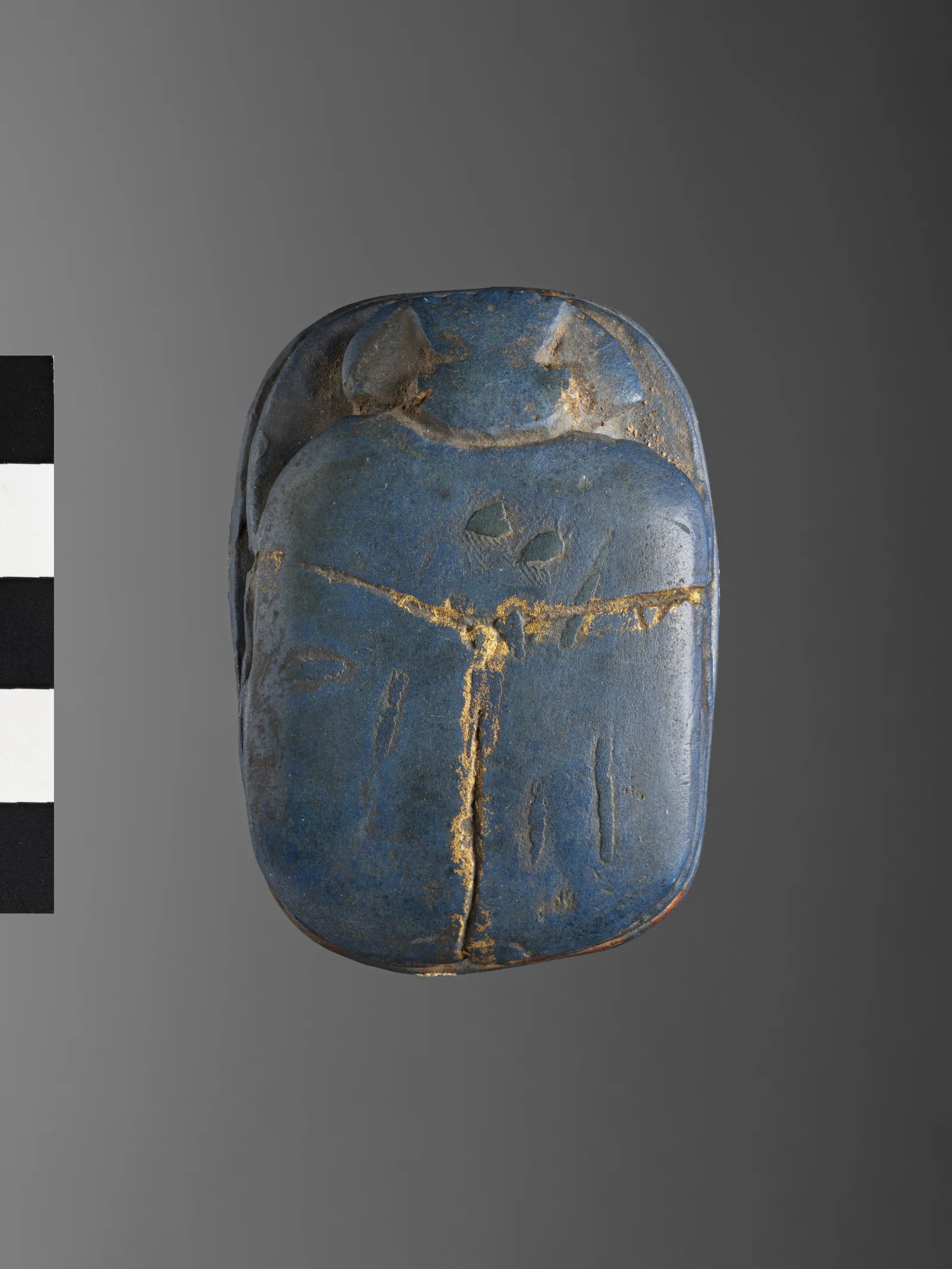
Ein Blau, das ägyptische Chemiker vor Jahrtausenden aus Sand, Kupfer und Kalk herstellten, zerfällt, wie Forscher 2013 entdeckten, in nanodünne Plättchen, die im Infraroten leuchten. Seither macht es in Australien Fingerabdrücke sichtbar und bringt in Deutschland Fliegenembryonen und Pflanzenblätter zum Leuchten. Die Geschichte eines antiken Materials mit einer sehr modernen Eigenschaft, und eine Frage an unsere Labore von heute.
17. September 2026 · 7 Min. Lesezeit
Achtzig Millionen Jahre vor den Pharaonen: Mansouras Dinosaurier und die Oasenfossilien, die der Krieg verbrannte
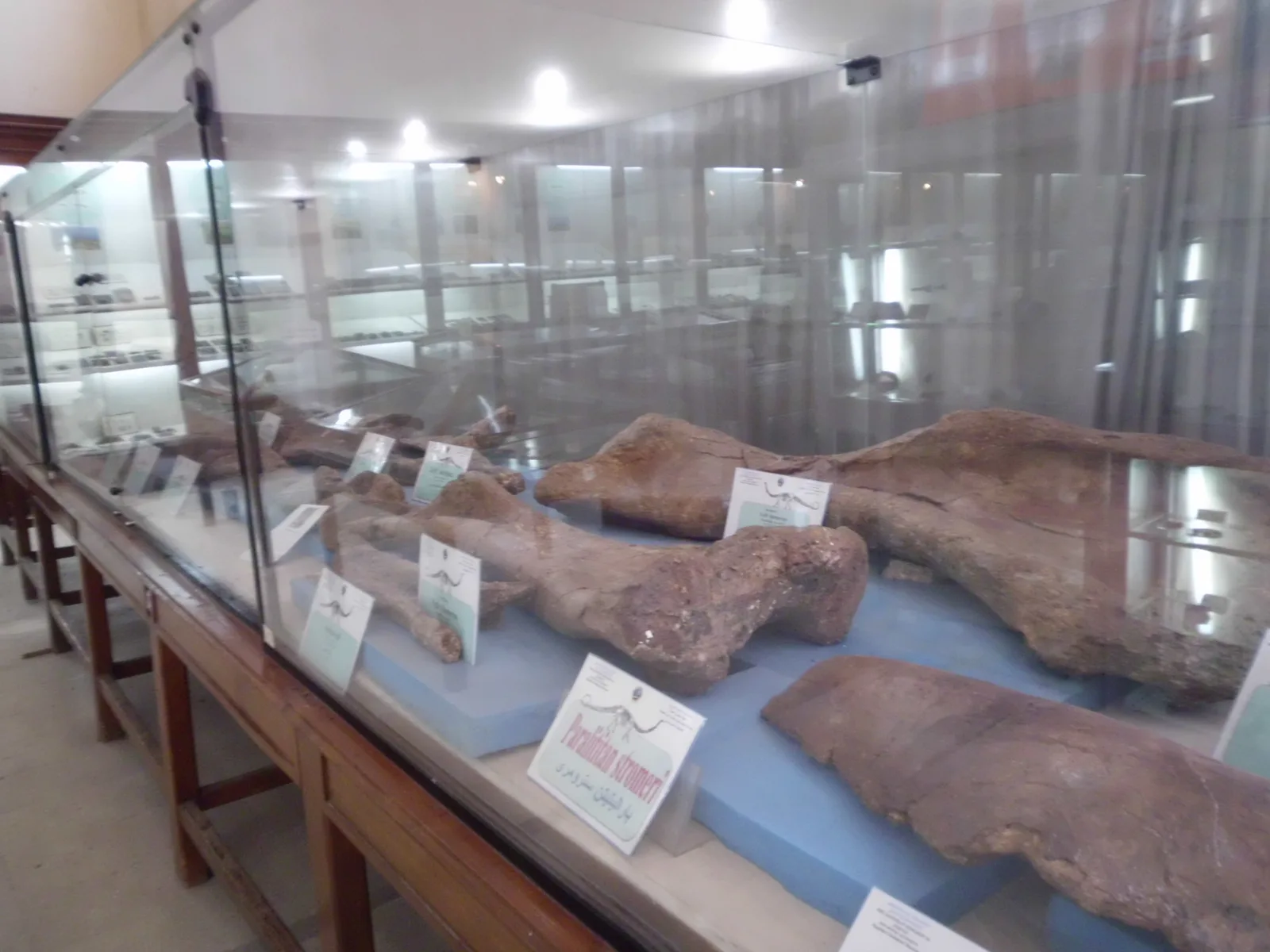
Ägyptische Studierende der Universität Mansoura bargen aus dem Gestein der Oase Dachla die Knochen des Mansourasaurus, des vollständigsten je in Afrika gefundenen Dinosaurierskeletts der späten Kreidezeit. Ein Jahrhundert zuvor hatte ein deutscher Forscher die Dinosaurier von Bahariya nach München gebracht, wo der Krieg sie verbrannte. Die Geschichte des Erdarchivs in Ägyptens Wüste und einer Wissenschaft, die Ihr Kind hier studieren kann.
8. September 2026 · 7 Min. Lesezeit
„Keda ghalat“ („Das ist falsch“): Tierquälerei ist seit 1937 eine Straftat nach dem ägyptischen Strafgesetzbuch
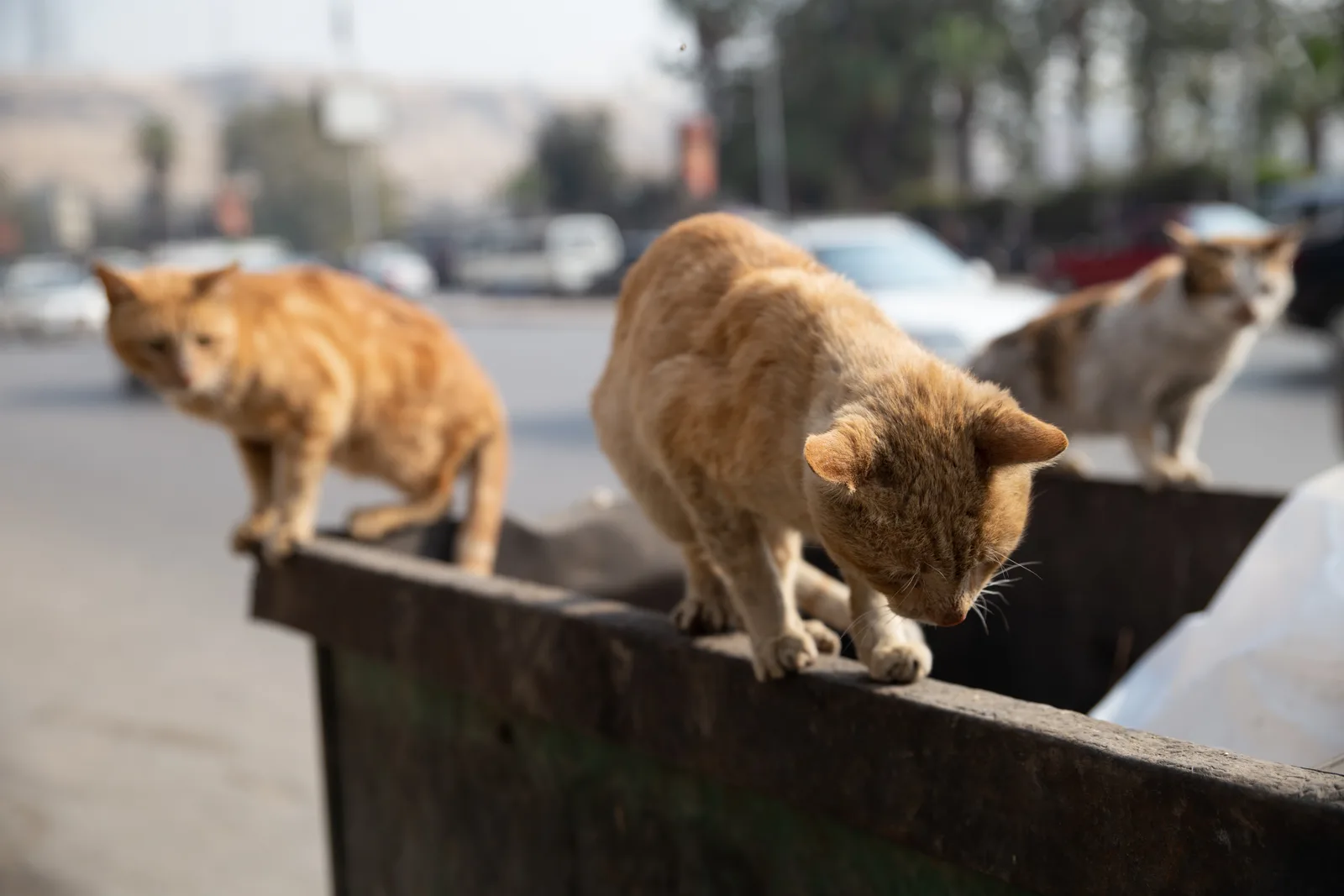
Ein Nachbar stellt vergiftete Näpfe neben die Schulmauer; ein Karrenbesitzer schlägt seinem Esel ins Gesicht, weil dieser eine zu schwere Last trägt. Viele glauben, „nur ein Tier“ bedeute, dass kein Gesetz es schützt. Tatsächlich stellen die Artikel 355, 356 und 357 des Strafgesetzbuchs Töten, Vergiften und Misshandeln von Tieren unter Strafe, bis hin zu Gefängnis. Am Vorabend des Welttierschutztages erklären wir, was das Gesetz sagt.
3. Oktober 2026 · 6 Min. Lesezeit