In der Brotschlange: Ägyptens tägliches Ritual, in dem Geduld mit dem Fladen verknetet wird
Vor jeder ägyptischen Bäckerei tritt noch vor dem Morgengrauen ein kleines, sich selbst regierendes Parlament zusammen: die Schlange für das Baladi-Brot. Ein Porträt aus der Straßenperspektive dieses täglichen Rituals – seine ungeschriebenen Regeln, seine Smartcards, seine raue Gleichheit und warum die Schlange vor der Bäckerei seit jeher ein Barometer für den Zustand des Landes ist.
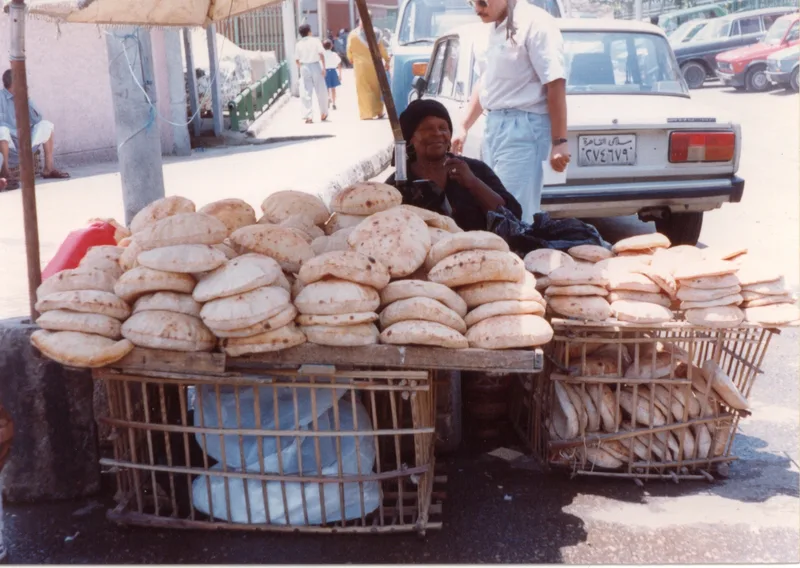
Der Tag beginnt mit Rauch. Noch bevor das Echo des ersten Gebetsrufs verklungen ist, atmet der Schornstein der Bäckerei im Viertel bereits, und der Geruch backenden Teigs zieht durch Straßen, die sonst noch schlafen. Wenn das Metallgitter rasselnd hochgeht, hat sich längst eine Reihe gebildet: Männer in Galabija, Frauen mit Stoffbeuteln, ein verschlafener Junge, den seine Mutter mit der Chipkarte der Familie in der Faust hinuntergeschickt hat. Die Brotschlange — eine der ältesten, gewöhnlichsten und aufschlussreichsten Einrichtungen des ägyptischen Alltags — ist zusammengetreten.
Gegenstand all dieser Aufmerksamkeit ist ein flacher, runder Fladen: Aisch Baladi, dunkel gebacken aus grobem Mehl, blasig und heiß aus einem tosenden Ofen. Im ägyptischen Arabisch heißt Brot Aisch — wörtlich „Leben“ —, und die Sprache übertreibt nicht. Subventioniertes Baladi-Brot trägt den ägyptischen Tisch seit Generationen; sein Preis wurde vom Staat jahrzehntelang auf einem Niveau gehalten, das sich in Piastern bemisst, damit der ärmste Haushalt der Straße jeden einzelnen Tag Brot auf den Tisch bringen kann.
Die Schlange hat ihre eigene ungeschriebene Verfassung. Eine Hand auf einer Schulter hält den Platz, während der Besitzer schnell etwas erledigt. Ein alter Mann wird ohne Diskussion vorgelassen. Einer Frau mit einem Kleinkind auf dem Arm reicht man die Fladen zuerst, und alle tun so, als sei das immer schon die Reihenfolge gewesen. Jemand drängelt sich vor, die Reihe empört sich, streitet, verhandelt und ordnet sich binnen einer Minute selbst — ein kleines Parlament, selbstverwaltet, das jeden Morgen ohne Vorsitz und ohne Protokoll zusammentritt.
Die Technik ist dem Ritual beigetreten. Seit Jahren läuft die Subvention über Chipkarten: Jedes gemeldete Familienmitglied berechtigt den Haushalt zu einer festgelegten Zahl subventionierter Fladen pro Tag, und die Karte geht durchs Fenster, bevor das Brot es tut. Das leise Piepen des Lesegeräts gehört längst zur Klangkulisse der Schlange, neben dem Schaben des hölzernen Schiebers auf dem Ofenboden und der ewigen Frage, die von hinten gerufen wird: „Gibt's Brot oder nicht?“
Drinnen ist die Choreografie präzise. Ein Arbeiter legt die Teiglinge auf einen langen Holzschieber und schwingt sie in die Flammen; ein zweiter fängt die fertigen Fladen auf, während sie aufgehen und Blasen werfen; ein dritter zählt sie am Fenster in einem Tempo, das keine Kasse mitginge, und schnippt sie auf ausgestreckte Tabletts und aufgeschlagene Zeitungen. Die Hitze am Ofenmaul ist im Sommer brutal, und die Männer dort arbeiten in den Fastentagen des Ramadan wie an Augustnachmittagen gleichermaßen.
Dann folgt einer der ägyptischsten Anblicke überhaupt: der Abzug des Brotes. Heiße Fladen lassen sich nicht in Tüten packen — sie würden dampfen und weich werden —, also reisen sie unter freiem Himmel, flach getragen auf Palmwedel-Gestellen und Drahttabletts, balanciert auf Köpfen, auf Fahrradlenkern, auf Autodächern, zum Auskühlen ausgelegt auf jeder sauberen Fläche, die eine Straße hergibt. Der Gehweg vor einer Bäckerei um sieben Uhr früh ist ein Mosaik aus auskühlendem Brot und unhastigem Gespräch.
Das Gespräch ist der Punkt, jedenfalls die Hälfte davon. In der Schlange gleicht die Straße ihre Notizen ab: Preise am Gemüsekarren, eine Hochzeit am Donnerstag, ein Nachbar im Krankenhaus, die Prüfungsergebnisse, das Spiel. Stammgäste kennen die Bestellungen der anderen und ihre Sorgen. Für ältere Menschen, die allein leben, ist der morgendliche Gang zur Bäckerei mitunter das gesellschaftliche Hauptereignis des Tages — eine garantierte Begegnung mit vertrauten Gesichtern zu fester Stunde.
Was die Schlange lehrt, ist eine Art rauer Gleichheit. Die Familie des Arztes und die des Hausmeisters holen denselben Fladen am selben Fenster zum selben Preis. In einer geschichteten Stadt gibt es nur noch wenige Orte, an denen das gilt. Menschen, die einander sonst nie begegnen würden, stehen Schulter an Schulter, verbunden durch denselben bescheidenen Gang, und das Brot, das herauskommt, ist für alle identisch: heiß, unvollkommen, mit Kleie bestäubt und vollkommen demokratisch.
Am späten Vormittag ist der erste Ansturm vorbei; ein zweiter Schub zieht vor dem Mittag eine kürzere Reihe an. Der Junge läuft nach Hause, die Fladen am Unterarm gestapelt, die Karte in der Tasche, eine Ecke schon abgerissen und gegessen — die Steuer, die jedes Kind in Ägypten auf dem Heimweg erhebt. Morgen, vor der Dämmerung, wird der Schornstein wieder atmen und das Parlament des Gehwegs erneut zusammentreten. Solange es das tut, hält etwas Wesentliches im Alltag des Landes.
Verwandte Artikel
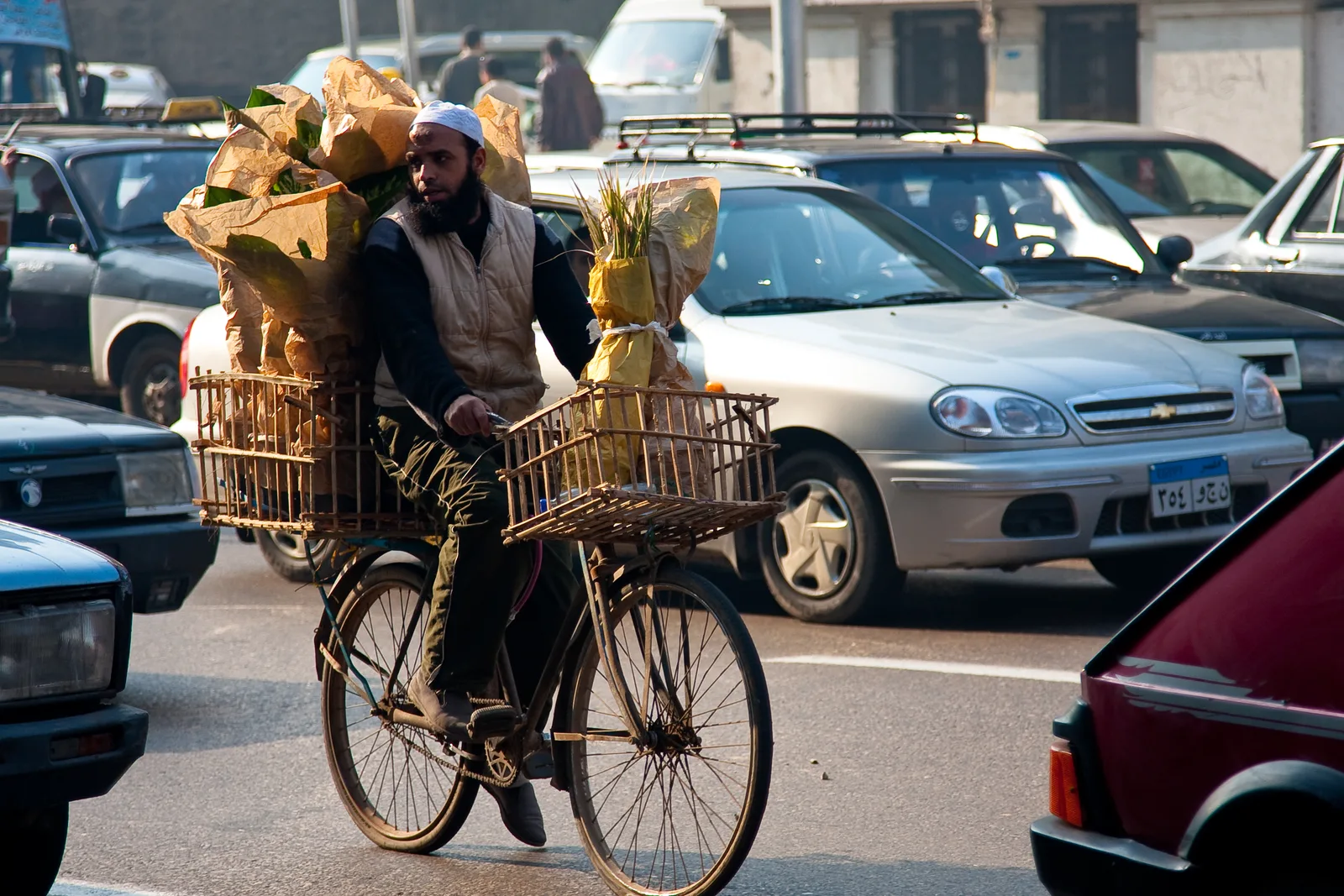
Auf zwei Rädern durch den Stau: Welchen Platz hat das Fahrrad auf Ägyptens Straßen am autofreien Tag?
Am 22. September begeht die Welt den autofreien Tag, während sich das Fahrrad auf unseren Straßen zwischen Mikrobussen hindurchschlängelt und über eine Spur fährt, auf der ein Auto parkt. Von Cairo Bike über „Dein Fahrrad, deine Gesundheit“ bis zum Jungen mit dem Brotblech auf dem Kopf: eine Reportage über das, was jeder Passant sehen kann, und eine Frage: Wem gehört das Fahrrad in Ägypten, und warum bleibt die sichere Spur ein Traum?
22. September 2026 · 8 Min. Lesezeit
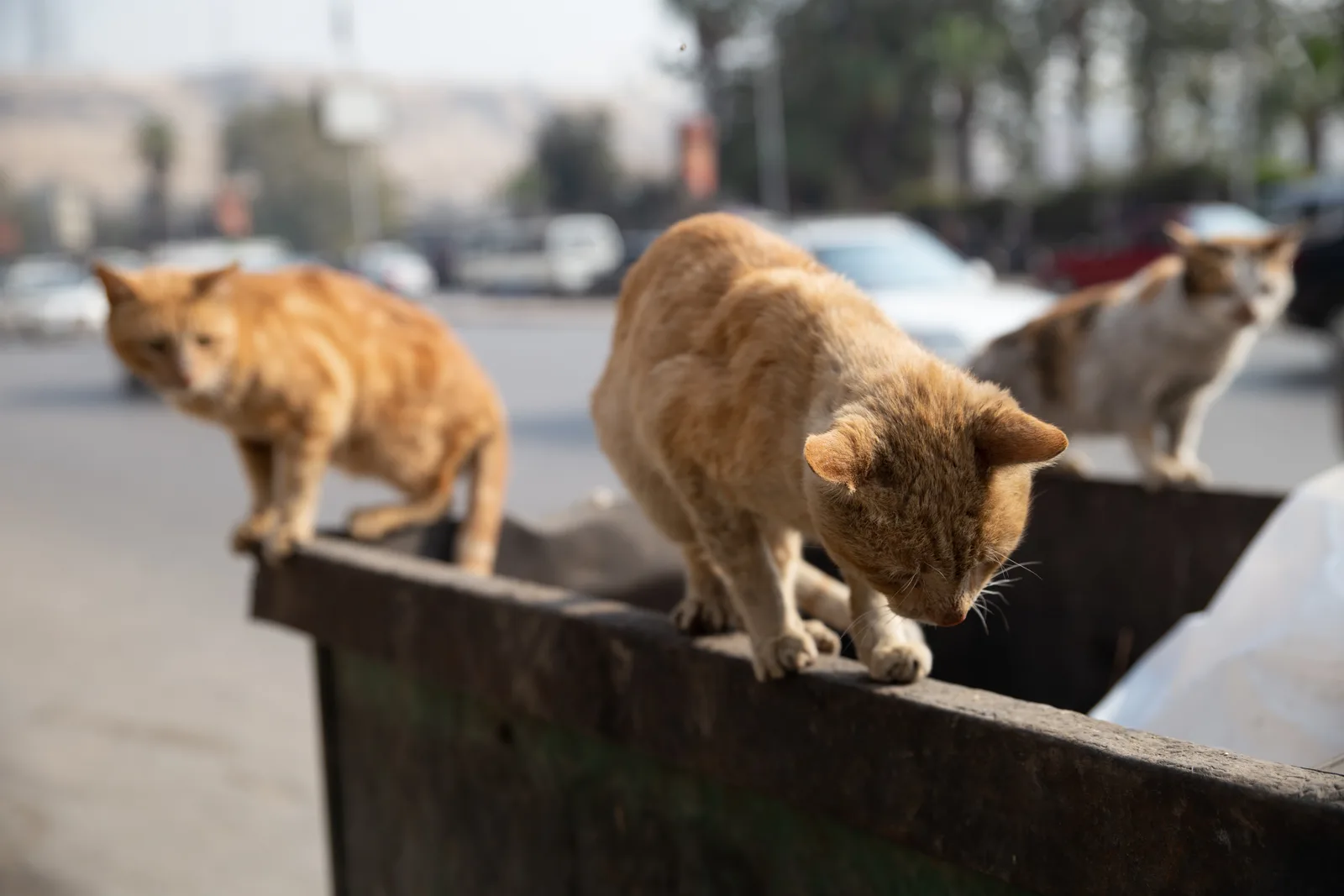
„Keda ghalat“ („Das ist falsch“): Tierquälerei ist seit 1937 eine Straftat nach dem ägyptischen Strafgesetzbuch
Ein Nachbar stellt vergiftete Näpfe neben die Schulmauer; ein Karrenbesitzer schlägt seinem Esel ins Gesicht, weil dieser eine zu schwere Last trägt. Viele glauben, „nur ein Tier“ bedeute, dass kein Gesetz es schützt. Tatsächlich stellen die Artikel 355, 356 und 357 des Strafgesetzbuchs Töten, Vergiften und Misshandeln von Tieren unter Strafe, bis hin zu Gefängnis. Am Vorabend des Welttierschutztages erklären wir, was das Gesetz sagt.
3. Oktober 2026 · 6 Min. Lesezeit
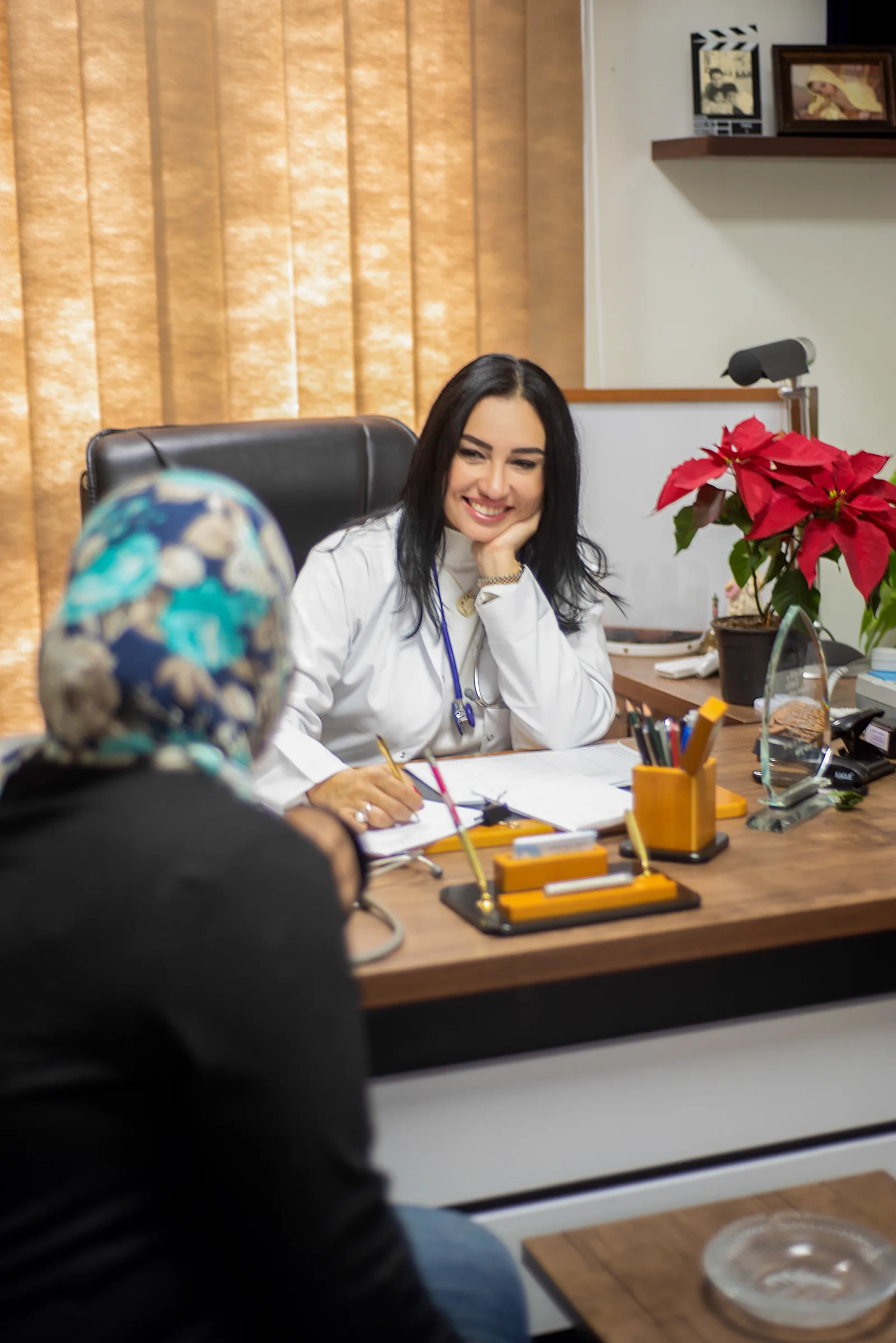
Pink October: kostenlose Untersuchung – warum Früherkennung das Schicksal ägyptischer Frauen verändert
„Mir tut nichts weh“ ist kein Grund zum Aufschieben. Seit Juli 2019 stehen Ägyptens Gesundheitsstationen jeder Frau ab 18 Jahren kostenlos offen, und bis Juni 2026 sank der Anteil der erst im Spätstadium entdeckten Fälle von 60 auf 19,5 Prozent. Wir erklären, was in der Station geschieht, welche Anzeichen einen Besuch erfordern und warum Angst diese wichtige Untersuchung verzögert.
2. Oktober 2026 · 7 Min. Lesezeit