Abwehr der Kriege der vierten Generation: So begegnen wir Gerüchten mit wissenschaftlicher Methode
Wir sind nicht bloß ein Überbringer von Nachrichten: Wir sind die erste Nachrichtenplattform, die sich offen der Abwehr der Kriege der vierten Generation verschreibt. In diesem Artikel erklären wir, was hinter diesen Kriegen steckt und wie Gerüchte fabriziert werden, um Ägyptens Wirtschaft und sozialen Frieden zu treffen, legen die Schritte unserer wissenschaftlichen Verifikationsmethode mit Experten und Fachleuten offen – und zeigen, wie sich jeder Bürger wappnet, bevor er auf »Teilen« drückt.

Vom ersten Tag an hat sich diese Plattform zu etwas verpflichtet, was vor ihr kein anderes Nachrichtenportal offen auf sich genommen hat: zur erklärten und systematischen Abwehr der Kriege der vierten Generation – jener Kriege, die nicht mit Panzern und Flugzeugen geführt werden, sondern mit Gerüchten, Lügen und gefälschten Bildern. Heute legen wir diese Methode in aller Transparenz in die Hände unserer Leserschaft, denn der Leser ist unser erster Partner in diesem Kampf.
Der Begriff „Kriege der vierten Generation“ ist keine journalistische Erfindung: Er tauchte Ende der 1980er-Jahre in der amerikanischen Militärliteratur auf, in einem berühmt gewordenen Artikel, den die Zeitschrift „Marine Corps Gazette“ 1989 aus der Feder von William Lind und seinen Mitautoren veröffentlichte. Der Gedanke ist einfach: Moderne Kriege werden nicht mehr allein an den Fronten ausgetragen. Sie sind in die Köpfe der Menschen gewandert, wo die Grenzen zwischen Krieg und Politik, zwischen Kämpfer und Zivilist verschwimmen und die Manipulation von Informationen zu einer Waffe wird, deren Wirkung Geschützen und Raketen gleichkommt.
Das Gerücht ist in diesen Kriegen keine flüchtige Lüge, die jemand zum Zeitvertreib in die Welt setzt, sondern ein sorgfältig hergestelltes Produkt: Es beginnt in der Regel mit einem kleinen Körnchen Wahrheit, wird dann in Übertreibung und Verzerrung verpackt, mit Angst oder Wut angereichert und zu einem genau berechneten Zeitpunkt losgelassen – kurz vor einer wirtschaftlichen Entscheidung, mitten in einer Krise oder am Vorabend eines nationalen Anlasses –, um größtmögliche Verbreitung und größtmöglichen Schaden zu erzielen.
Seine Muster sind bekannt und in der akademischen wie journalistischen Literatur weltweit dokumentiert: ein altes Foto aus einem anderen Land, verbreitet als Ereignis, das gestern in Ägypten geschehen sei; eine erfundene Äußerung, die einem Amtsträger zugeschrieben wird, der sie nie getan hat; der bearbeitete Screenshot einer amtlichen Mitteilung; die Behauptung, eine Ware werde demnächst knapp, die die Menschen zu Panikkäufen treibt und so genau jene Krise erzeugt, die sie behauptet hat; und aus dem Zusammenhang gerissene Wirtschaftszahlen, die einen Zusammenbruch suggerieren, den es nicht gibt.
Und warum gerade Ägypten? Weil ein wirtschaftliches Gerücht, sobald die Menschen es glauben, in Handeln umschlägt: Waren werden gehortet, die Märkte geraten in Panik, die Währung gerät unter Druck, Investitionen bleiben aus. Und weil ein Gerücht, das Zwietracht sät, das gemeinsame Gewebe zwischen den Bürgern des Landes zerreißt, sobald es sich verbreitet. Das eigentliche Ziel dieser Kampagnen ist nicht, einen Einzelnen zu täuschen, sondern eine ganze Gesellschaft zu zermürben und ihr Vertrauen in sich selbst und in ihre Institutionen zu erschüttern.
Wie also begegnen wir dem? Unser erster Schritt ist die Rückverfolgung der Quelle. Bei jeder Behauptung, die uns erreicht, fragen wir: Wo ist sie zuerst aufgetaucht? Auf einem verifizierten Konto oder auf einer anonymen Seite, die vor wenigen Tagen angelegt wurde? Wer hat sie weiterverbreitet, und warum? Wem nützt ihre Verbreitung? Ein gemachtes Gerücht hinterlässt immer Spuren, die auf seinen Urheber verweisen.
Der zweite Schritt ist das Sammeln von Belegen: Wir gehen auf das Originaldokument und die vollständige amtliche Erklärung zurück, nicht auf den kursierenden Ausschnitt; wir nutzen die umgekehrte Bildersuche, um recycelte Aufnahmen zu entlarven; wir prüfen Daten, Orte und die kleinen Einzelheiten, die eine Fälschung verraten; und wir vergleichen die kursierenden Zahlen mit den Daten, die ihre ursprünglichen Quellen veröffentlicht haben.
Der dritte Schritt – und er ist der Kern unserer Methode – ist die Hinzuziehung von Fachleuten. Wir begnügen uns nicht mit der Einschätzung der Redaktion: Die wirtschaftliche Behauptung legen wir Wirtschaftsprofessoren vor, die medizinische Ärztinnen und Ärzten, die juristische Juristen; und der Experte tritt mit Namen und Funktion auf, um vor der Leserschaft für seine Einschätzung einzustehen. So wird aus der Überprüfung statt eines journalistischen Eindrucks ein wissenschaftliches Zeugnis.
Der vierte Schritt: die Belege einordnen und ein offenes Urteil fällen. Jede Recherche endet mit einem klaren Befund nach einer veröffentlichten Skala: wahr, teilweise wahr, irreführend, falsch oder Satire. Zusammen mit dem Urteil legen wir Schritt für Schritt die Belege offen, auf die wir es gestützt haben, damit die Leserschaft unsere Methode selbst prüfen kann. Und wenn wir uns irren, korrigieren wir unseren Fehler öffentlich – denn Glaubwürdigkeit entsteht nur durch Transparenz.
Die stärkste Verteidigungslinie sind aber nicht wir, sondern Sie. Die Impfung gegen das Gerücht beginnt mit einem Moment des Innehaltens, bevor Sie auf „Teilen“ drücken. Fragen Sie sich: Woher stammt diese Nachricht? Trägt sie ein eindeutiges Datum? Hat eine bekannte Stelle sie veröffentlicht, die für das einsteht, was sie verbreitet? Und warum treibt mich dieser Beitrag in heftige Wut oder Angst? Inhalte, die Ihre Gefühle mit Wucht aufwühlen, sind meist genau dafür gemacht.
Es gibt einfache Werkzeuge, die jedem Bürger zur Verfügung stehen: die umgekehrte Bildersuche, bevor Sie einem Foto glauben; ein Blick auf die offiziellen Konten und Webseiten der betroffenen Stelle; und Vorsicht bei Nachrichten, die mit der Formel „weitergeleitet, wie ich es erhalten habe“ beginnen – dieser Satz ist das offene Eingeständnis, dass der Absender kein einziges Wort davon überprüft hat. Und eine goldene Regel: Wenn Sie es nicht bestätigen können, teilen Sie es nicht. Über ein Gerücht zu schweigen ist tausendmal besser, als es zu verbreiten.
Dies ist ein langer Kampf, der weder mit einer Recherche noch mit hundert endet. Wir verpflichten uns Ihnen gegenüber zur wissenschaftlichen Methode, zur Fachperson mit bekanntem Namen und bekannter Funktion, zum begründeten Urteil und zur öffentlichen Korrektur im Fall eines Fehlers. Und wir bitten Sie um eines: Machen Sie die Überprüfung zu einer täglichen Gewohnheit wie das Händewaschen. Denn wenn jeder Bürger vor dem Teilen eine einzige Sekunde innehält, verlieren die Kriege der vierten Generation ihre schärfste Waffe: unsere eigenen Finger.
Verwandte Artikel
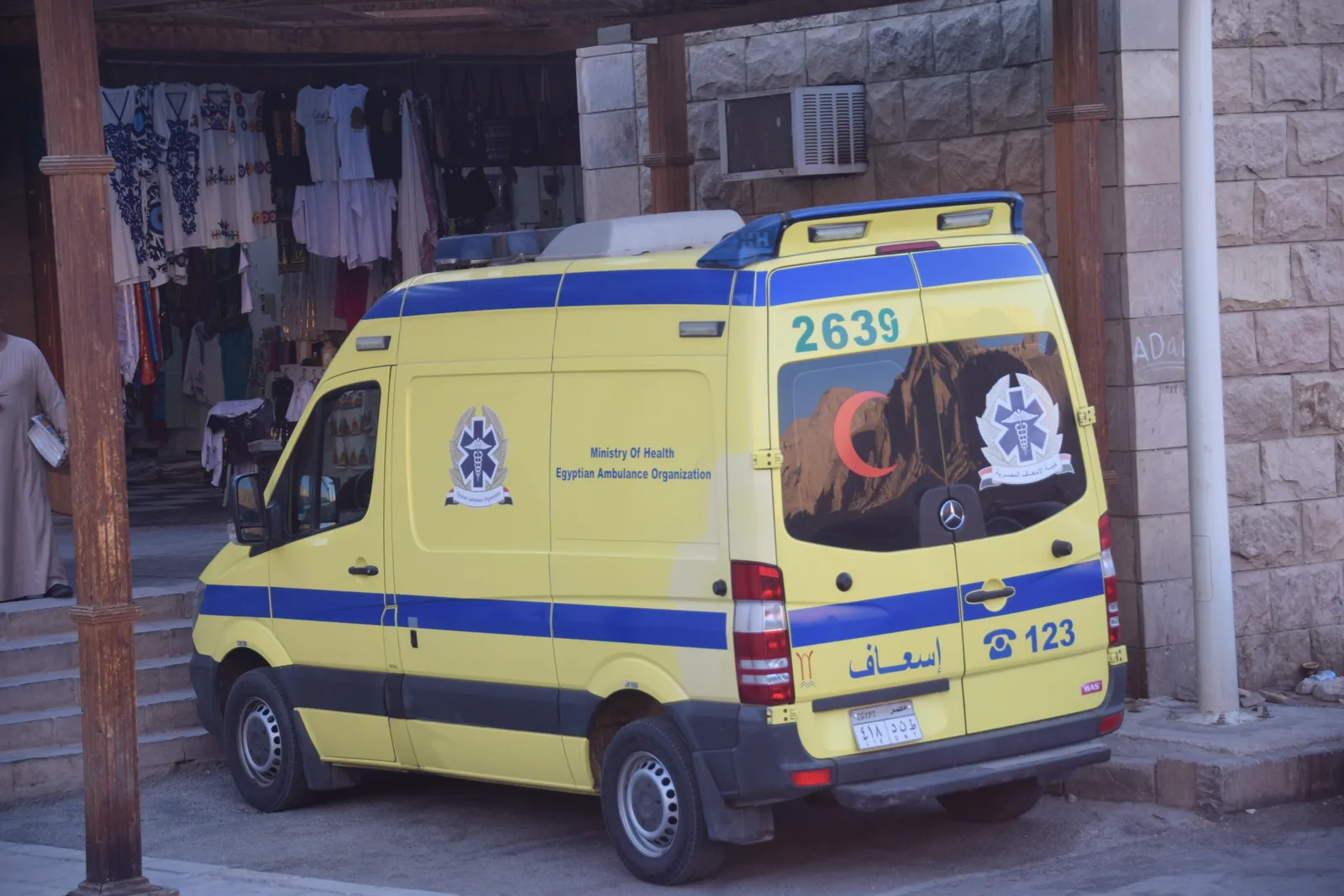
„Kräftig husten, dann überleben Sie den Herzinfarkt auch allein“: Die WhatsApp-Nachricht, der die Medizin widerspricht
Eine Kettennachricht erreicht fast jedes Telefon in Ägypten: Wer allein einen Herzinfarkt erleidet, soll kräftig und im Rhythmus husten, bis das Herz wieder regelmäßig schlägt. Die American Heart Association lehnt die „Husten-Reanimation“ ausdrücklich ab, die Nachricht verwechselt Herzinfarkt und Herzstillstand, und jede Minute Husten statt Anruf beim kostenlosen Rettungsdienst 123 geht vom Leben des Patienten ab. Das sagt die Medizin.
28. September 2026 · 7 Min. Lesezeit
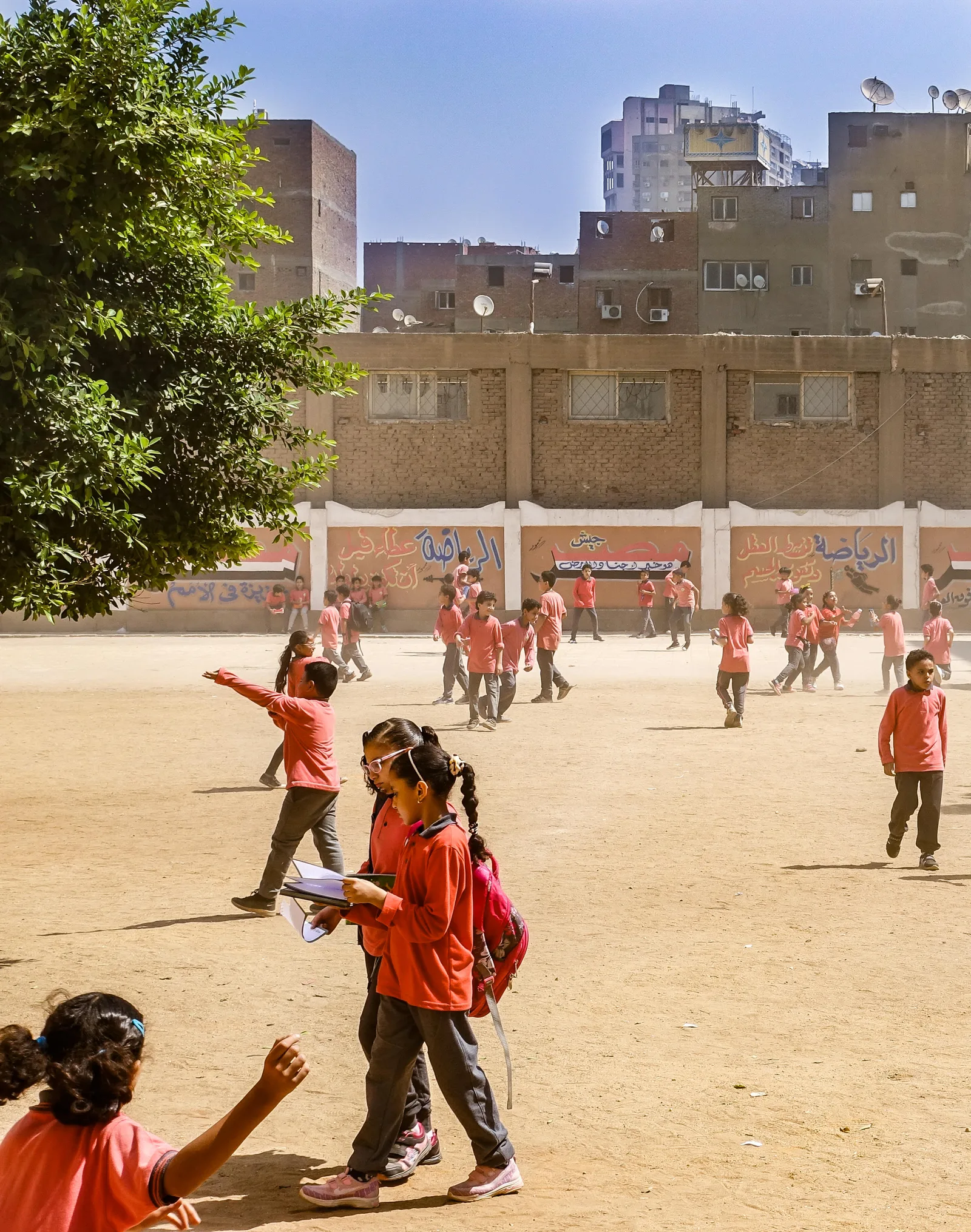
„Lesen bei schwachem Licht verdirbt die Augen“: Was Augenärzte bestätigen und welche Gefahr Eltern tatsächlich übersehen
Mit dem abendlichen Lernen unter einer einzigen Glühbirne kehrt die alte Warnung zurück: „Du wirst noch blind.“ Wir haben die Behauptung Wort für Wort geprüft, und die Augenärzte sind sich einig: Schwaches Licht und ein geringer Abstand zum Bildschirm ermüden die Augen, schädigen sie aber nicht. Dahinter steht jedoch eine reale Gefahr, die die meisten Haushalte übersehen, und regionale Schätzungen sehen Ägyptens Kinder dabei ganz vorn.
19. September 2026 · 7 Min. Lesezeit
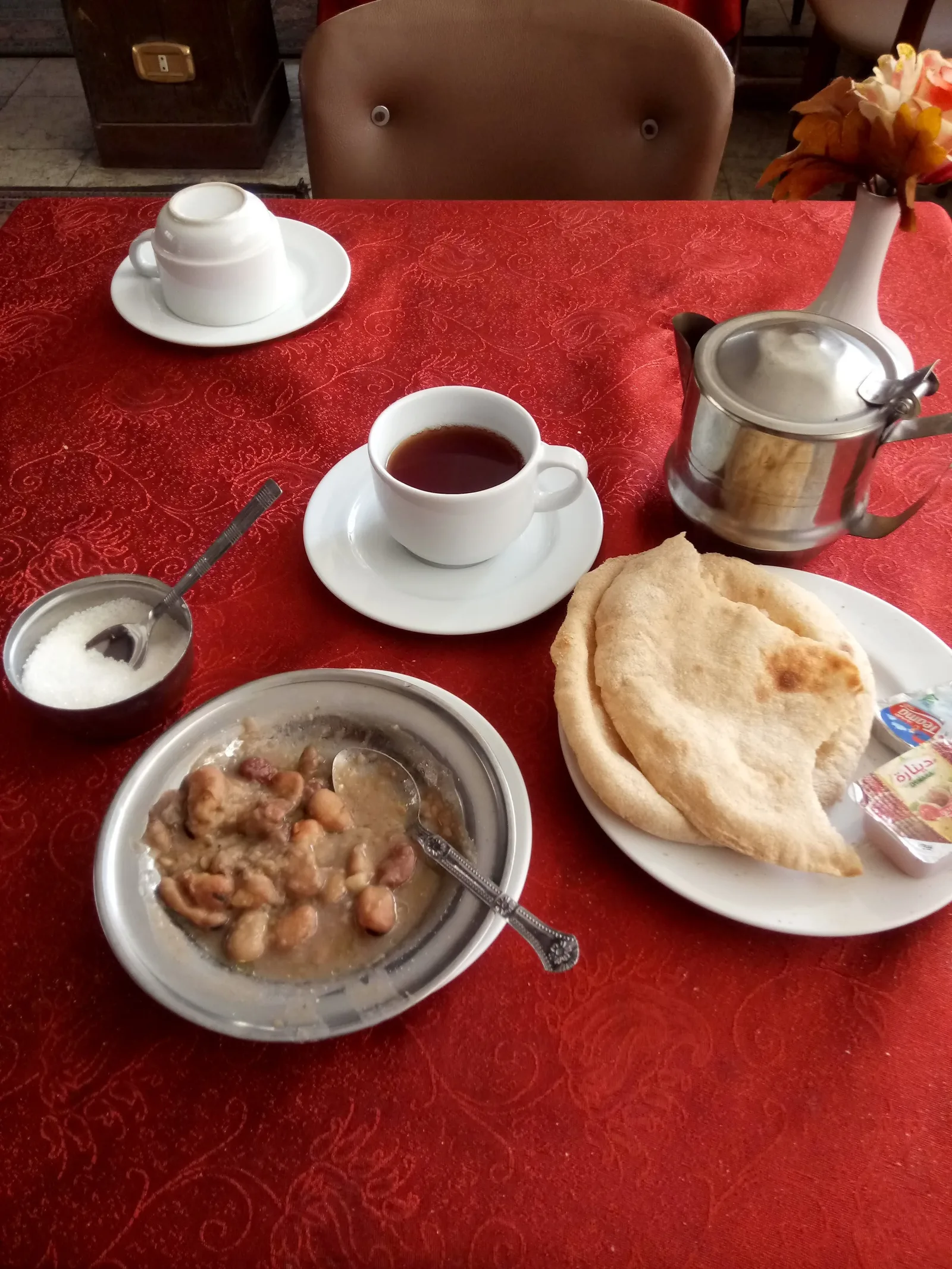
„Tee nach dem Essen blockiert das Eisen“: Die Mütter-Warnung, bestätigt von der Wissenschaft
Selten wird eine Warnung aus der ägyptischen Küche vom Labor so eindeutig bestätigt. Schwarzer Tee zum Essen senkt die Aufnahme des Eisens aus Brot, Linsen und Gemüse in erstaunlichem Ausmaß, und Milch hilft dagegen nicht. Die Lösung ist jedoch nicht, das Teetablett zu verbannen, sondern es eine Stunde später zu bringen und ein Stück Zitrone auf den Tisch zu stellen. Wir legen die Belege dar und erklären, warum das Thema gerade Ägypten betrifft.
10. September 2026 · 7 Min. Lesezeit