Ägyptens Wirtschaft in zwei Zahlen: 5,2 Prozent Wachstum – und eine Region am Rande der Eskalation
Die Regierung meldet 5,2 Prozent Wachstum in neun Monaten und prüft zugleich aktualisierte Notfallszenarien für eine regionale Eskalation. Bei einer Inflation von 14,9 Prozent und einem Dollarkurs von rund 50 Pfund stellt sich die Frage: Was bedeuten die beiden Zahlen für den Geldbeutel der Bürger?
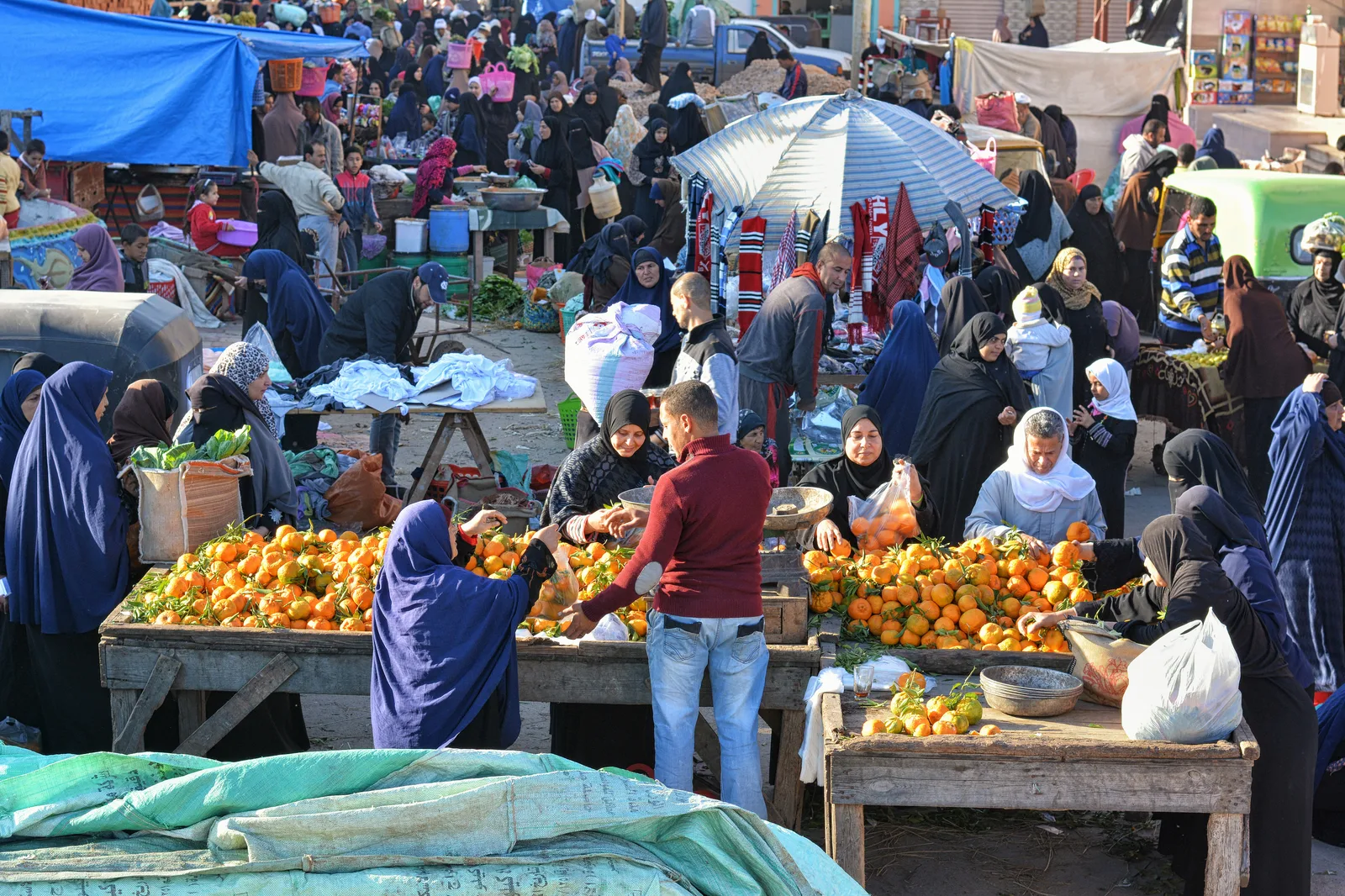
Die ägyptische Wirtschaft steht in diesem Sommer im Zeichen zweier Zahlen, die selten in derselben Meldung auftauchen: ein Wachstum von 5,2 Prozent in den ersten neun Monaten des Haushaltsjahres 2025/2026 nach Angaben des Ministeriums für Planung und wirtschaftliche Entwicklung – und „aktualisierte“ Notfallszenarien, die die Regierung mit Blick auf die Folgen der Eskalation in der Region durchgeht. Zwischen beiden Zahlen steht der Bürger und fragt sich, was das für seine Preise und seinen Arbeitsplatz bedeutet.
Die erste Zahl gab das Planungsministerium Anfang Juni bekannt: Das Bruttoinlandsprodukt wuchs zwischen Juli 2025 und März 2026 um 5,2 Prozent – um jeweils 5,3 Prozent im ersten und im zweiten Quartal und um 5 Prozent im dritten (Januar bis März), das mit dem Ausbruch der jüngsten Eskalationsrunde in der Region zusammenfiel. Das Ministerium führt die Entwicklung auf die Erholung der Privatwirtschaft zurück.
Die zweite Zahl erscheint auf keinem Bildschirm, ist aber in jeder Kabinettssitzung präsent. Der Ministerrat widmete einen Teil seiner wöchentlichen Sitzung Mitte August in der neuen Stadt Al-Alamein der Durchsicht der „aktualisierten Szenarien“, die die Ministerien für die möglichen Folgen der Spannungen erarbeitet haben – von Gaza und dem Libanon bis zur Eskalation zwischen Washington und Teheran, wie es in einer Mitteilung des Ministerpräsidiums heißt. Ministerpräsident Mustafa Madbuli hatte bereits Anfang März angeordnet, die „integrierten Szenarien“ zu aktualisieren und gemeinsam mit der Zentralbank einen Plan zu erstellen, der die Devisen für Lebensmittel, Erdölprodukte und Vorleistungsgüter sichert.
Die Schutzlinien bewegen sich bislang nach oben. Wie Madbuli in derselben Sitzung mitteilte, beliefen sich die Devisenreserven Ende Juli auf 56,3 Milliarden Dollar, rund 1,2 Milliarden mehr als im Juni; zugleich erklärt die Regierung, die Vorräte einiger Grundnahrungsmittel – darunter Zucker – reichten für etwa ein ganzes Jahr. Seit Juli baut der Staat zudem verstärkt Kraftstoffreserven auf, um gegen jede Störung der Schifffahrt in der Nähe der Straße von Hormus gewappnet zu sein, wie das Wirtschaftsportal „AGBI“ berichtet.
An der Preisfront, wo die Bürger die Spannungen zuerst spüren, endete eine kurze Beruhigungsphase: Die Inflation stieg in den Städten im Juli auf 14,9 Prozent nach 14,3 Prozent im Juni, getrieben vor allem von den Lebensmittelpreisen, wie die staatliche Statistikbehörde CAPMAS mitteilt. Im Januar, vor der Verschärfung der Eskalation, hatte die Rate bei 11,9 Prozent gelegen – die Teuerung hat sich also binnen eines halben Jahres um drei Prozentpunkte beschleunigt.
Der Wechselkurs erzählt beide Hälften der Geschichte. Auf dem Höhepunkt der Eskalation Ende April kostete der Dollar amtlich rund 53 Pfund und näherte sich Anfang Mai in einzelnen Banken der Marke von 54, wie der Sender „Al-Arabiya“ berichtete; in dieser Woche liegt er nach den Kursen der Zentralbank wieder bei etwa 50,2 Pfund. Die relative Erholung des Pfunds dämpft die Importkosten, hängt aber davon ab, dass weiterhin Dollar aus dem Tourismus, aus dem Kanal und aus den Überweisungen der Ägypter im Ausland hereinkommen.
Der Suezkanal, die für die Stimmungslage der Region anfälligste Einnahmequelle des Staates, erholt sich – erholt ist er noch nicht. Seine Einnahmen erreichten im Haushaltsjahr 2025/2026 4,67 Milliarden Dollar, ein Plus von 23 Prozent, bei einem Monatsdurchschnitt von etwa 390 Millionen Dollar nach Angaben des Internationalen Währungsfonds. Das ist weniger als die Hälfte des historischen Höchstwerts von rund 10 Milliarden Dollar im Jahr vor der Krise im Roten Meer. Jeder Monat unterhalb dieses Höchstwerts bedeutet Devisen, die weder in die Staatskasse fließen noch das Pfund stützen.
Der Tourismus ist bislang die Ausnahme in der Region. Die Zahl der Ankünfte stieg im ersten Quartal 2026 um 16 Prozent, während der Tourismus im gesamten Nahen Osten um 14 Prozent zurückging – so die von „Al-Ahram“ zitierten Daten von UN Tourism; in den ersten vier Monaten kamen 6,1 Millionen Besucher, 7 Prozent mehr als zuvor. Die Einnahmen der Branche kletterten im ersten Halbjahr des Haushaltsjahres um 17,3 Prozent auf 10,2 Milliarden Dollar, wie offizielle Zahlen belegen, die „Egypt Independent“ veröffentlichte. Doch der Rückgang des kumulierten Wachstums von 16 auf 7 Prozent mit Beginn des Aprils zeigt, wie schnell eine Eskalation eine Branche trifft, von der Millionen Familien leben.
Auf dem Arbeitsmarkt führt das Planungsministerium das Wachstum auf die stärkere Aktivität der Privatwirtschaft zurück, des größten Arbeitgebers der Volkswirtschaft. Der Internationale Währungsfonds senkte seine Wachstumsprognose für das Haushaltsjahr 2026/2027 allerdings auf rund 4,4 Prozent und verwies dabei auf rückläufige Investitionen, teurere Finanzierung und die konfliktbedingte Unsicherheit – Faktoren, die das Entstehen neuer Arbeitsplätze in der Regel bremsen, bevor es sich in irgendeinem anderen Indikator zeigt.
Auch Vorsorge hat ihren Preis. Der von Madbuli geleitete Krisenstab beschloss im April ein Maßnahmenpaket zur Rationalisierung von Staatsausgaben und Verbrauch, während der Aufbau der Waren- und Kraftstoffvorräte einen Teil der knappen Devisen bindet. Die erklärte Gleichung der Regierung lautet: die Märkte beruhigen, ohne jene Reserven aufzuzehren, die sie als Beleg für Stabilität vorzeigt.
In den kommenden Wochen werden drei Indikatoren bestimmen, wie es um den „Geldbeutel der Bürger“ steht: die Inflationsdaten für August und die Frage, ob die Lebensmittelwelle anhält; das Tempo, in dem die Reedereien in den Kanal zurückkehren; und der Verlauf der Ölpreise, der von der abwartenden Stimmung in der Region abhängt. All das wird auf die Zinsentscheidungen der Zentralbank durchschlagen.
Unterm Strich stimmen beide Zahlen zugleich: eine Wirtschaft, die so schnell wächst wie seit Jahren nicht, in einer Region, die dieses Wachstum jederzeit an den Rändern abtragen kann. Steigende Reserven und volle Lager lassen keinen Grund zur Panik; eine Inflation nahe 15 Prozent und ein Kanal, der weniger als die Hälfte seiner Ertragskraft ausschöpft, lassen ebenso wenig Raum zum Zurücklehnen.
Verwandte Artikel
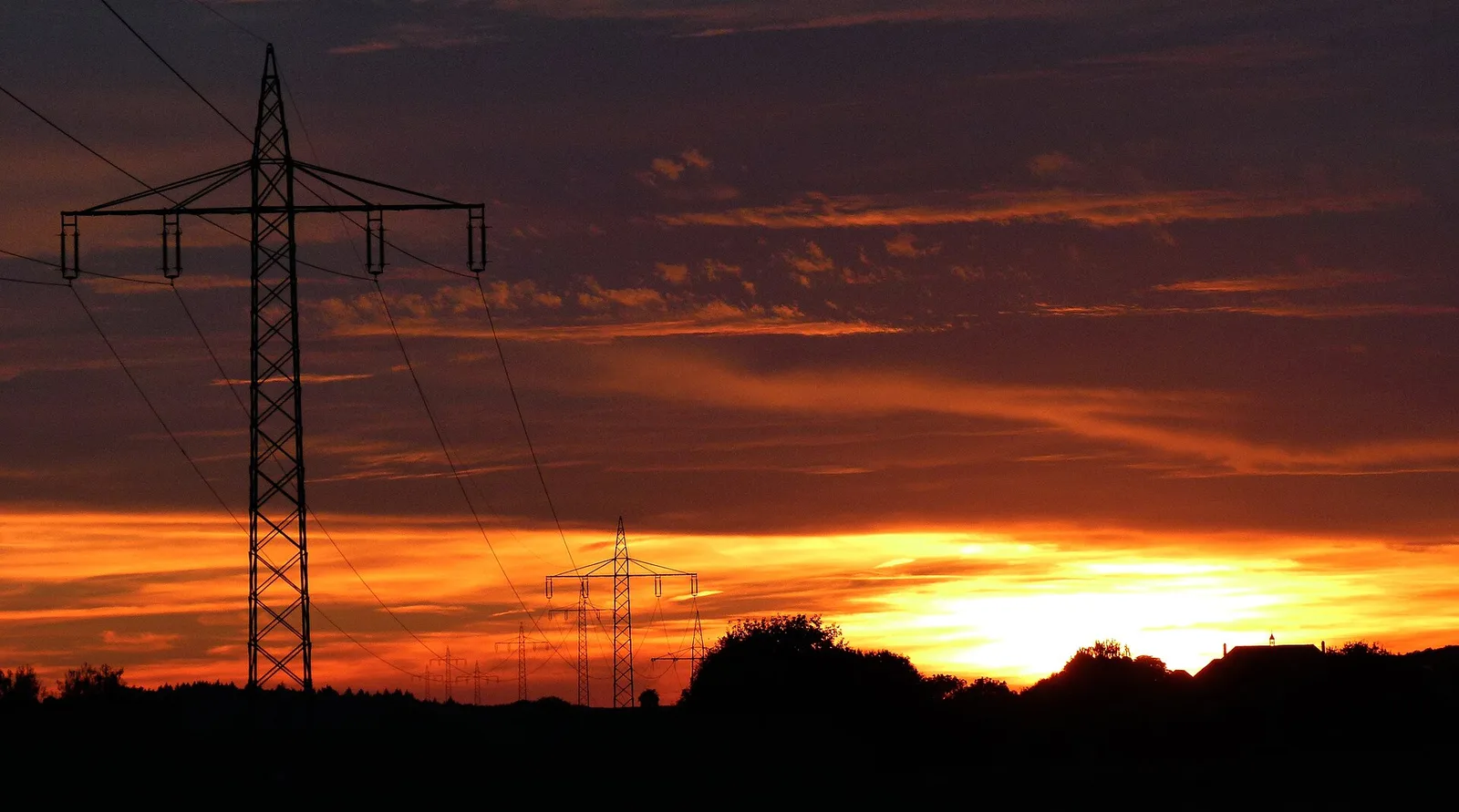
August-Spitze: Ägyptens Stromnetz überschreitet erstmals 40.000 Megawatt – ohne Lastabwürfe
Während der Hitzewelle der vergangenen Woche hat Ägyptens nationales Stromnetz erstmals in seiner Geschichte die Marke von 40.000 Megawatt überschritten – ohne Rückkehr zu geplanten Stromabschaltungen. Wie die Brennstoffversorgung nach dem Drohnenangriff auf Damietta standhielt und was die neuen Tarifstufen für Ihre Stromrechnung bedeuten.
19. August 2026 · 7 Min. Lesezeit
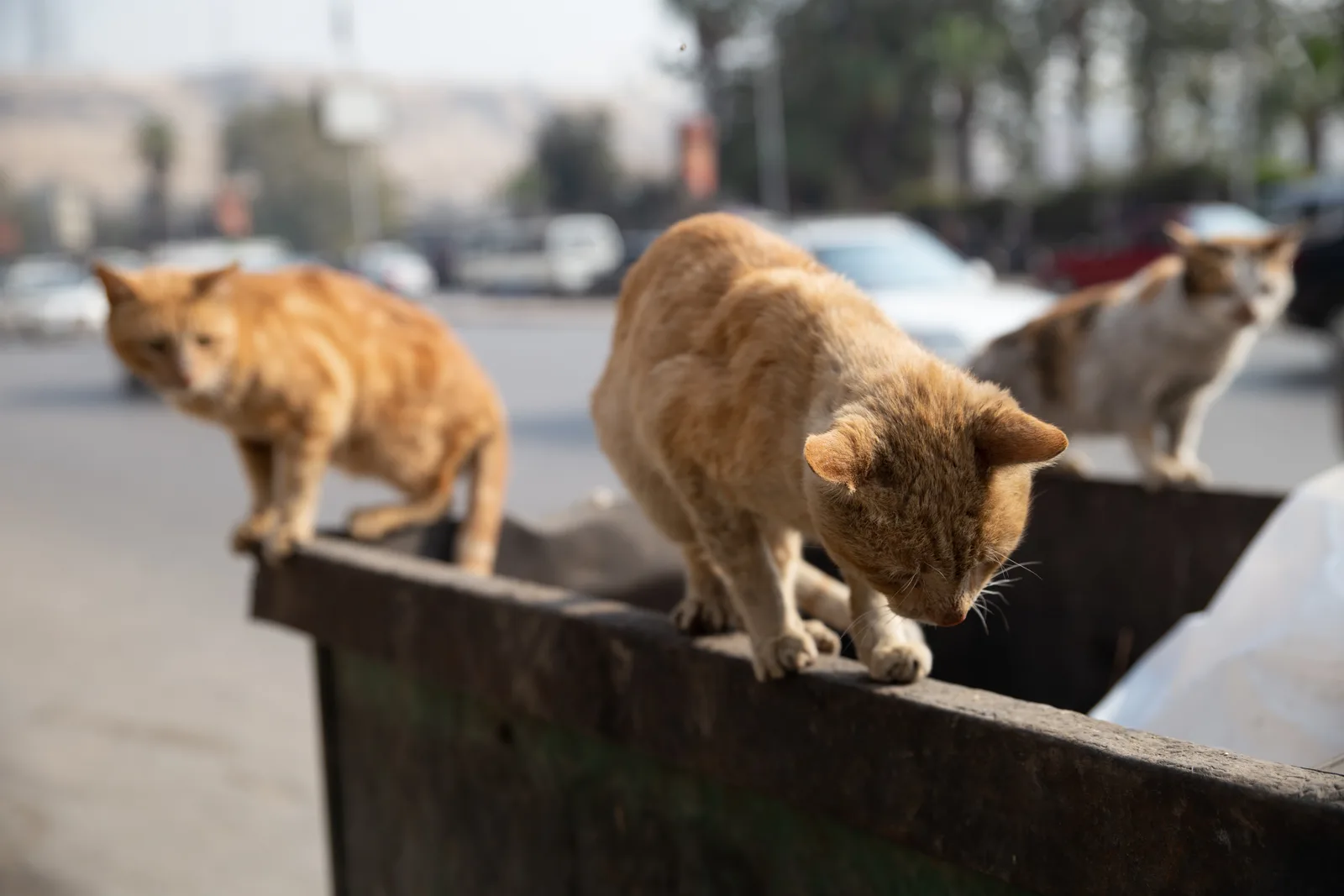
„Keda ghalat“ („Das ist falsch“): Tierquälerei ist seit 1937 eine Straftat nach dem ägyptischen Strafgesetzbuch
Ein Nachbar stellt vergiftete Näpfe neben die Schulmauer; ein Karrenbesitzer schlägt seinem Esel ins Gesicht, weil dieser eine zu schwere Last trägt. Viele glauben, „nur ein Tier“ bedeute, dass kein Gesetz es schützt. Tatsächlich stellen die Artikel 355, 356 und 357 des Strafgesetzbuchs Töten, Vergiften und Misshandeln von Tieren unter Strafe, bis hin zu Gefängnis. Am Vorabend des Welttierschutztages erklären wir, was das Gesetz sagt.
3. Oktober 2026 · 6 Min. Lesezeit

Pink October: kostenlose Untersuchung – warum Früherkennung das Schicksal ägyptischer Frauen verändert
„Mir tut nichts weh“ ist kein Grund zum Aufschieben. Seit Juli 2019 stehen Ägyptens Gesundheitsstationen jeder Frau ab 18 Jahren kostenlos offen, und bis Juni 2026 sank der Anteil der erst im Spätstadium entdeckten Fälle von 60 auf 19,5 Prozent. Wir erklären, was in der Station geschieht, welche Anzeichen einen Besuch erfordern und warum Angst diese wichtige Untersuchung verzögert.
2. Oktober 2026 · 7 Min. Lesezeit