Weibliche Genitalverstümmelung: Vom Gesetz unter Strafe gestellt, von Religion und Medizin verworfen – kein Brauch, der ein Fortbestehen verdient
Noch immer wird die Genitalverstümmelung von Mädchen im Stillen praktiziert, im Namen des Brauchtums und eines vermeintlich richtigen Glaubens – obwohl das ägyptische Gesetz sie mit verschärften Strafen belegt, obwohl al-Azhar und Dar al-Ifta erklärt haben, dass sie keinerlei Grundlage in der Religion hat, und obwohl die Medizin einhellig urteilt: reiner Schaden, ohne einen einzigen Nutzen. Dieser Artikel klagt die Familien nicht an, er ruft zu ihrem Schutz auf: Der Schutz unserer Töchter beginnt mit dem »Nein« von Vater und Mutter.

Es gibt falsche Bräuche, die auf offener Straße vor aller Augen ausgeübt werden; wir sehen sie und empören uns über sie. Und es gibt einen weit gefährlicheren Brauch, der hinter verschlossenen Türen ausgeübt wird, in vollständigem familiärem Schweigen – und zwar im Namen der Fürsorge und der Angst um das Mädchen, nicht im Namen der Absicht, ihm zu schaden. Die weibliche Genitalverstümmelung ist dieser Brauch: ein Verbrechen, das das ägyptische Recht mit Strafen bis hinauf zur Verbrechensstufe ahndet und das dennoch weiterhin Menschen findet, die es aus einer ererbten Überzeugung heraus praktizieren, es bedeute „Bewahrung“, „Reinheit“ und „Herkunft“.
Beginnen wir dort, wo dieses Thema beginnen muss: Wir schreiben nicht, um Familien an den Pranger zu stellen, und nicht, um Müttern und Großmüttern Hartherzigkeit vorzuwerfen. Die meisten, die diesen Schritt getan haben, taten es in dem Glauben, das Richtige zu tun; sie haben die Gewissheit geerbt wie den Familiennamen. Wir schreiben, um klar zu sagen: Diese ererbte Gewissheit ist von Grund auf falsch – medizinisch falsch, religiös falsch, rechtlich falsch und, noch vor alledem, ein Unrecht an einem Mädchen, das über sich selbst nichts zu bestimmen hat.
In der Medizin gibt es längst keine Debatte mehr. Die Weltgesundheitsorganisation und die medizinischen Fachgremien der ganzen Welt, zusammen mit dem ägyptischen Gesundheitsministerium und der Ärztekammer, haben die Frage entschieden: Die weibliche Genitalverstümmelung hat nicht einen einzigen gesundheitlichen Nutzen, und ihre Schäden sind real und langanhaltend. Sie beginnen bei den Risiken des Eingriffs selbst und enden nicht bei den körperlichen und seelischen Folgen, die ein Mädchen ein Leben lang begleiten können – als Ehefrau und als Mutter. Jede Behauptung eines medizinischen Nutzens ist schlicht eine Behauptung ohne jede Grundlage in der medizinischen Wissenschaft.
Und hier muss die gefährlichste Illusion dieses Themas eingerissen werden: die Illusion der „sicheren Beschneidung“ durch einen Arzt. Das Verbrechen aus der Hand einer traditionellen Beschneiderin in eine Hand mit sterilem Skalpell zu verlegen, macht daraus keine ärztliche Handlung – es macht sie noch schwerwiegender. Genau deshalb verschärft das ägyptische Recht die Strafe, wenn der Täter Arzt oder Angehöriger eines Heilberufs ist, und genau deshalb untersagt das Berufsrecht sie. Ein Arzt, der sie vornimmt, übt nicht Medizin aus; er leiht sich das Ansehen seines Berufsstandes, um einen Schaden zu rechtfertigen, den dieser Berufsstand einhellig ablehnt.
In der Religion ist das entscheidende Wort von jenen Institutionen gesprochen worden, denen die Ägypter am meisten vertrauen: Die Al-Azhar und das Dar al-Iftaa, die ägyptische Fatwa-Behörde, haben in wiederholten Erklärungen und Rechtsgutachten festgestellt, dass die weibliche Genitalverstümmelung ein ererbter Brauch ohne jede Grundlage in der wahren Religion ist und dass ihre Vornahme angesichts des erwiesenen Schadens religiös unzulässig ist; ebenso hat die ägyptische Kirche sie kategorisch zurückgewiesen. Wer diesen Brauch also aus Vorsicht um seines Glaubens willen ausgeübt hat, darf beruhigt sein: Der Glaube, den er schützen wollte, ist frei davon, und die Institutionen, die ihr Leben seinem Dienst gewidmet haben, sind genau jene, die zur Abkehr von diesem Brauch aufrufen.
Und im Recht gibt es keinen Auslegungsspielraum mehr: Ägypten hat die weibliche Genitalverstümmelung bereits 2008 im Strafgesetzbuch unter Strafe gestellt, die Strafen dann mit der Novelle von 2016 verschärft, die sie zum Verbrechen erhob, und sie mit der Novelle von 2021 erneut verschärft, sodass die Strafe in ihren schweren Formen bis zu langjähriger Zuchthausstrafe reicht. Sie trifft denjenigen, der den Eingriff vornimmt, ebenso die Angehörigen, die ihn verlangen, und diejenigen, die ihn ermöglichen; für Ärzte fällt sie besonders schwer aus und zieht das Verbot der Berufsausübung nach sich. Die Botschaft des Gesetzgebers ist vollkommen eindeutig: Der ägyptische Staat betrachtet diese Tat als Verbrechen, nicht als familiäre Entscheidung.
Der Staat hat es nicht beim Strafgesetz belassen. Über die Jahre hat er landesweite Aufklärungs- und Bekämpfungskampagnen gestartet und einen Nationalen Ausschuss zur Beseitigung der weiblichen Genitalverstümmelung gebildet, in dem die für Gesundheit, soziale Solidarität, Kindheit und Mutterschaft zuständigen Stellen zusammenkommen; Kampagnen von Tür zu Tür haben Dörfer und Weiler durchzogen, um mit den Familien in der Sprache der Nähe zu sprechen und nicht in der Sprache der Einschüchterung. Das ist der richtige Weg, denn ein jahrhundertealter Brauch lässt sich nicht durch einen Gesetzestext allein besiegen, sondern nur durch die Überzeugung eines Vaters und einer Mutter.
Halten wir einen Augenblick beim moralischen Kern der Sache inne, dem Herzstück dieses Ressorts: Das Mädchen, an dem dieser Eingriff vorgenommen wird, ist nicht gefragt worden und hat nicht eingewilligt; es kann sich nicht wehren; und ein dauerhafter, nicht wiedergutzumachender Schaden trifft es aufgrund einer Entscheidung, die die ihm nächsten Menschen für es getroffen haben – dieselben, die es zuallererst hätten schützen müssen. Welche moralische Waage auf dieser Welt erlaubt es, dem Körper eines Kindes einen sicheren, unumkehrbaren Schaden zuzufügen, um Vermutungen und ererbten Vorstellungen zu begegnen, von denen Medizin und Religion gemeinsam gesagt haben, dass sie ohne jede Grundlage sind?
Wir kennen das letzte Bollwerk dieses Brauchs: „Was sollen die Leute sagen?“ – die Angst der Familien vor dem Gerede und davor, dass dem Mädchen vorgehalten wird, es sei nicht beschnitten worden. Genau diesem Einwand muss jedes Haus mutig entgegentreten, denn das Gerede der Leute heilt keinen Schaden und gibt keinen unversehrten Körper zurück. Eine Gesellschaft, die sich verändert, verändert sich nicht auf einen Schlag, sondern Haus für Haus: durch einen Vater, der „Nein“ gesagt hat, eine Mutter, die ihm beistand, und eine Großmutter, die das Ererbte noch einmal überdachte, als sie erfuhr, dass Religion und Medizin gemeinsam auf der Seite ihrer Enkelin stehen.
Was von jeder Familie verlangt wird: Schützen Sie Ihre Töchter mit einem einzigen klaren Wort im eigenen Haus, und sprechen Sie es notfalls laut vor der ganzen Verwandtschaft aus. Berufen Sie sich auf das, was die Al-Azhar, das Dar al-Iftaa und die Ärzte gesagt haben – das ist Rückhalt von den höchsten Kanzeln. Und wer davon erfährt, dass ein solcher Eingriff an einem Mädchen geplant ist, sollte daran denken: Eine Meldung über die Kindernotrufnummer ist keine Denunziation, sondern eine Rettung, und das Gesetz steht auf der Seite dessen, der sie erstattet.
Und was vom Staat verlangt wird: Er möge die eine Hand weiterhin aufklärend ausstrecken und die andere fest am Gesetz halten – keine Nachsicht mit denen, die den Eingriff vornehmen, und schon gar nicht mit Angehörigen der Heilberufe, und kein Einstellen der Aufklärungskampagnen mit der Begründung, das Gesetz sei ja erlassen. Denn ein Gesetz schützt erst, wenn die Menschen davon wissen und wenn sie sehen, dass es tatsächlich auf jene angewandt wird, die es brechen.
In diesem Ressort haben wir über einen zugestellten Gehweg geschrieben, über ein rücksichtsloses Auto und ein Café, das niemanden schlafen lässt – lauter Übergriffe auf den Bürger im öffentlichen Raum. Hier aber trifft der Übergriff den schwächsten Bürger überhaupt: ein kleines Mädchen, in seinem eigenen Zuhause, durch die Hände derer, die es lieben. Genau deshalb stellen wir dieses Thema an die Spitze all dessen, was aus unserem Alltagsbild verschwinden muss. Das ist falsch – ganz und gar falsch, ohne jede Halbheit – und richtig ist, dass jedes Mädchen in Ägypten unversehrt an Körper und Würde aufwächst, geschützt zugleich durch das Gesetz seines Landes, durch seine Religion und durch seine Familie.
Verwandte Artikel

„Keda ghalat“ („Das ist falsch“): Tierquälerei ist seit 1937 eine Straftat nach dem ägyptischen Strafgesetzbuch
Ein Nachbar stellt vergiftete Näpfe neben die Schulmauer; ein Karrenbesitzer schlägt seinem Esel ins Gesicht, weil dieser eine zu schwere Last trägt. Viele glauben, „nur ein Tier“ bedeute, dass kein Gesetz es schützt. Tatsächlich stellen die Artikel 355, 356 und 357 des Strafgesetzbuchs Töten, Vergiften und Misshandeln von Tieren unter Strafe, bis hin zu Gefängnis. Am Vorabend des Welttierschutztages erklären wir, was das Gesetz sagt.
3. Oktober 2026 · 6 Min. Lesezeit

Vier auf einem Motorrad, keiner mit Helm: Der nackte Kopf ist das Teuerste, was eine Familie verlieren kann
In der zweiten Schulwoche wiederholt sich dieselbe Szene: der Vater am Lenker, ein Kind vorn, eines hinten, die Mutter mit den Taschen, kein einziger Helm. Presseberichte, gestützt auf CAPMAS, zeigen einen Anstieg der Toten von 190 auf 897 zwischen 2020 und 2024, während Cochrane belegt, dass der Helm das Sterberisiko um 42 Prozent senkt. Das Gesetz bestraft den nackten Kopf seit 1999, das Bußgeld stieg 2008. Warum halten wir uns nicht daran?
23. September 2026 · 8 Min. Lesezeit
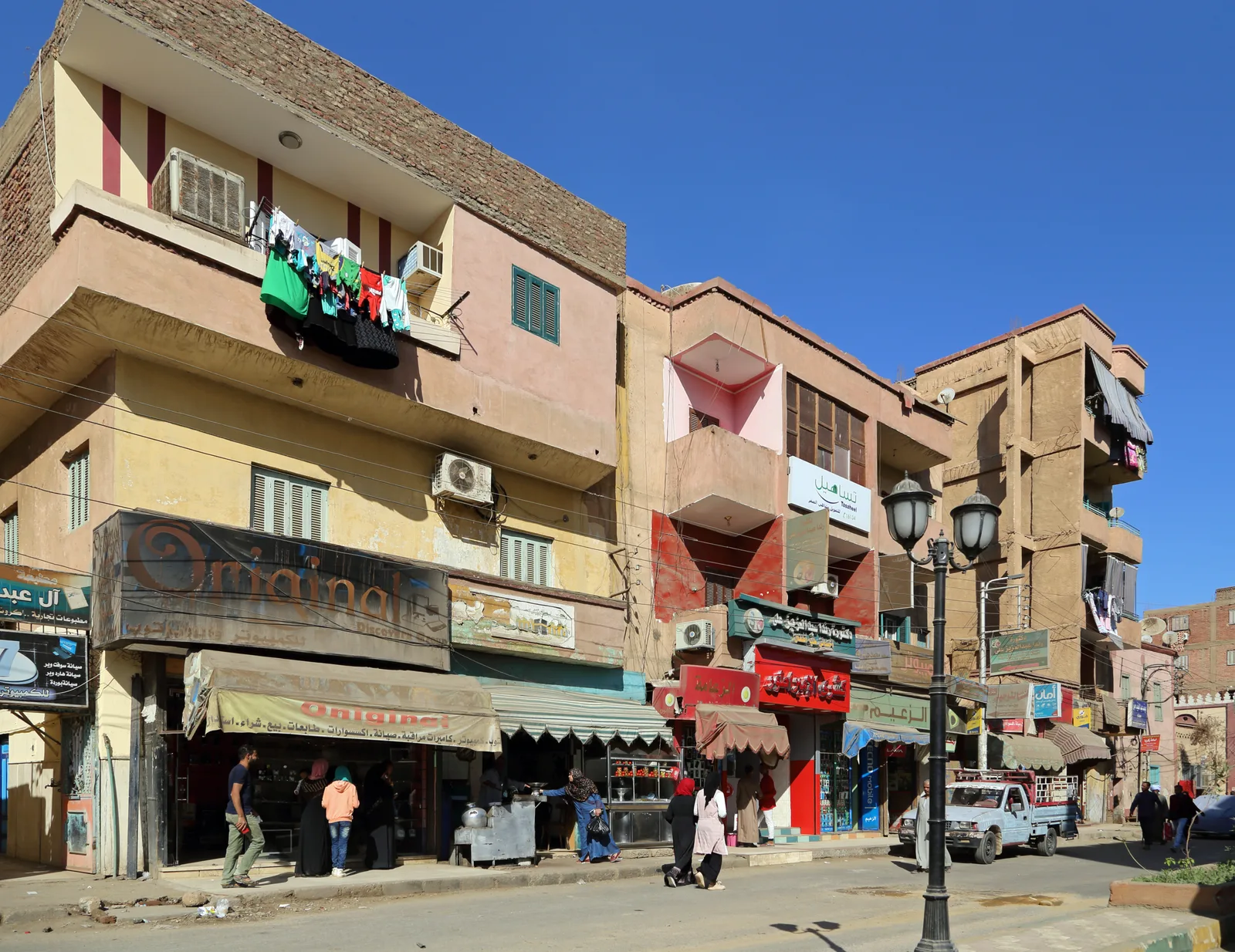
„Ein Kabelanzapf“ ist keine Cleverness: Stromdiebstahl ist ein Verbrechen, das die ganze Nachbarschaft bezahlt
Ein blankes Kabel hängt von einem Mast zu einem Balkon, eine Klimaanlage läuft über einen Zähler, der sich nie dreht, und eine Sicherung brennt zum dritten Mal durch und stürzt den zahlenden Nachbarn in Dunkelheit. Artikel 71 des Elektrizitätsgesetzes nennt dies unrechtmäßige Stromaneignung, geahndet mit Haft und Geldstrafe, während eine schärfere Novelle auf das Abgeordnetenhaus wartet. Was verliert eine Straße durch einen Anzapf?
14. September 2026 · 7 Min. Lesezeit