Von der Warteschlange zum Bildschirm: Der Bürger, die Behörde und das digitale Ägypten
Von der Schlange im Morgengrauen bis zum Schalter mit dem „Kommen Sie morgen wieder“: Der Gang zur Behörde ist in Ägypten eine geteilte nationale Erfahrung. Nun schreibt eine dokumentierte Digitalisierungsoffensive – das Portal „Digitales Ägypten“, die Zustellung von Dokumenten nach Hause und elektronisches Bezahlen – das Verhältnis zwischen Bürger und Schalter leise um.

Die Szene ist in fast jedem ägyptischen Haushalt vertraut. Sie stehen vor Sonnenaufgang auf, sammeln eine Mappe voller Fotokopien und machen sich auf den Weg zur Behörde, in der Hoffnung, dem Andrang zuvorzukommen. Eine Geburtsurkunde muss ausgestellt, ein Personalausweis erneuert, eine Unterschrift beglaubigt, ein Rentenpapier abgestempelt werden. Über Generationen hinweg gehörte dieser Weg — die Schlange, der Schalter, der Stempel und der Satz „Kommen Sie morgen wieder“ — zu den prägendsten gemeinsamen Erfahrungen des ägyptischen Alltags, geteilt von Arm und Reich, von Stadt- wie von Dorfbewohnern.
Der klassische Weg folgt einem Drehbuch, das die Bürgerinnen und Bürger auswendig kennen. Er beginnt beim Kopierladen, der stets neben der Behörde betrieben wird, denn eine Akte ist nie vollständig. Er führt über den Schalter für Gebührenmarken und weiter zu dem Beamten, der jedes Blatt prüft, und er kann abrupt an einem einzigen fehlenden Dokument enden, das den gesamten Weg an einem anderen Tag von vorn beginnen lässt. Der Papierkram hat sein eigenes Vokabular: die Mappe, das Siegel, die Unterschrift des Abteilungsleiters und der Satz, an dem nun alles hängt: „in Erwartung der Genehmigung“.
Dieses System ist nicht zufällig entstanden. Ägypten verfügt über einen der ältesten durchgehend bestehenden Verwaltungsapparate der Erde, und seine moderne Gestalt formte sich im 19. und 20. Jahrhundert rund um Papierakten, die in getrennten Ämtern lagerten. Das Personenstandsregister verwahrt Geburten und Sterbefälle, die Notariats- und Grundbuchämter halten Verträge und Vollmachten fest, die Verkehrsbehörden verwalten die Führerscheine, und die Versorgungsämter betreuen die Lebensmittelkarten. Weil jede Stelle historisch ihre eigenen Bücher führte, wurde der Bürger zum Boten, der gestempelte Papiere von einem Gebäude zum nächsten trug, um Tatsachen zu belegen, die der Staat selbst erfasst hatte.
Die Kosten dieses Weges bemaßen sich immer in mehr als nur Geduld. Ein Arbeiter verliert einen Tageslohn, um einen Ausweis zu erneuern. Ein Dorfbewohner fährt in die Kreisstadt, manchmal mehr als einmal, für ein Papier, dessen Druck Minuten dauert. Ältere Menschen und Menschen mit Behinderung stehen vor Gebäuden, die nicht für sie gebaut wurden. Und überall dort, wo die Schlangen lang und die Verfahren undurchsichtig werden, entsteht ein Markt für Mittelsmänner, die „jemanden drinnen kennen“ — eine Last, die am schwersten auf denen ruht, die am wenigsten zahlen können.
Genau diese Landschaft will Ägyptens Digitalisierungskampagne verändern. Das offizielle staatliche Onlineportal „Digitales Ägypten“, das unter dem Dach des Ministeriums für Kommunikation und Informationstechnologie betrieben wird, bündelt ein wachsendes Paket alltäglicher Dienstleistungen auf einer einzigen Website und in einer einzigen App. Personenstandsurkunden wie Geburtsurkunden lassen sich online beantragen und nach Hause liefern. Beglaubigungsdienste, Verfahren rund um die Versorgungskarten, einige gerichtliche Anträge und Verkehrsdienstleistungen sind ganz oder teilweise in den elektronischen Kanal übergegangen.
Die Nutzung des Portals folgt einer einfachen Logik. Sie legen ein Konto mit Ihrer nationalen Identifikationsnummer und Ihrer Mobilfunknummer an, wählen die Dienstleistung, tragen die Daten ein, zahlen elektronisch per Karte oder digitaler Geldbörse und erhalten das Dokument anschließend per Post oder holen es an einer bestimmten Ausgabestelle ab. Wer keinen Internetzugang hat oder dem Netz nicht traut, findet dieselben Dienstleistungen in Postämtern und staatlichen Servicezentren, wo ein Mitarbeiter den elektronischen Antrag stellvertretend ausfüllt: Der Schalter bleibt, doch die Papiere dahinter haben sich verändert.
Nichts davon wäre ohne ein älteres Fundament möglich: die nationale Identifikationsnummer. Seit Ägypten sein Personenstandsregister modernisiert und maschinenlesbare Ausweise ausgegeben hat, trägt jeder Bürger eine einzige Nummer, die seine Akten über die Behörden hinweg verknüpft. Diese Nummer ist der Faden, an dem die digitalen Dienstleistungen hängen. Wenn Datenbanken miteinander sprechen können, braucht der Staat vom Bürger keinen Nachweis mehr für Tatsachen, die er ohnehin besitzt — und darin liegt, mehr als in jeder Website, die eigentliche Revolution, die gerade stattfindet.
Der Unterschied zeigt sich in kleinen, greifbaren Einzelheiten. Eine Geburtsurkunde verlangte früher eine Reise zum Standesamt des Geburtsortes — eine beschwerliche Fahrt für jemanden, der in Assuan geboren wurde und in Alexandria lebt. Heute können Sie sie per Telefon bestellen, und sie kommt mit der Post. Für eine Vollmacht lässt sich ein Termin buchen, statt einen ganzen Vormittag zu warten. Jede Dienstleistung, die ins Netz wandert, misst sich nicht an Technik, sondern an den Stunden, die den Menschen zurückgegeben werden.
Zum ehrlichen Bild gehören auch die Grenzen. Nicht jeder Ägypter besitzt ein Smartphone, einen verlässlichen Internetanschluss oder die digitale Sicherheit, ein Formular im Netz auszufüllen, und gerade ältere Menschen empfinden den neuen Kanal mitunter als schwieriger als die alte Schlange. Manche Verfahren erfordern weiterhin zu Recht persönliche Anwesenheit: Fingerabdrücke, Lichtbilder, Originalunterschriften. Und kein elektronisches System ist besser als die Daten, die dahinterstehen; ein Fehler in einem Register braucht nach wie vor einen Menschen, der ihn korrigiert. Die Digitalisierung hat den Weg verkürzt, abgeschafft hat sie ihn noch nicht.
Für die Bürgerinnen und Bürger gibt es einige Gewohnheiten, mit denen das neue System besser funktioniert. Die amtlichen Gebühren jeder Dienstleistung stehen auf dem Portal selbst und sind der sicherste Schutz davor, mehr zu zahlen als nötig. Jeder elektronische Antrag erzeugt eine Vorgangsnummer, die Sie aufbewahren sollten, bis das Dokument eintrifft. Das Postamt, das es in fast jedem Dorf gibt, ist der Ersatzschalter für alle, die ein menschliches Gegenüber vorziehen. Und wenn es eine Dienstleistung online gibt, erspart es Ihnen oft die ganze Fahrt, sie zuerst dort zu beantragen.
Die Schlange vor der Behörde wird nicht über Nacht verschwinden; Gewohnheiten und Strukturen, die über ein Jahrhundert gewachsen sind, lösen sich nicht in einem Jahrzehnt auf. Doch die Richtung des Weges ist klar und belegt: mehr Dienstleistungen im Netz, mehr Lieferungen bis vor die Haustür, weniger Wege mit der Mappe unter dem Arm. Die tiefere Veränderung betrifft das Verhältnis selbst — vom Bürger, der an einem Schalter bittet, zum Bürger, der eine Dienstleistung bestellt und erwartet, dass sie ankommt. Und diese Erwartung verschwindet, einmal gepflanzt, nicht so leicht.
Verwandte Artikel
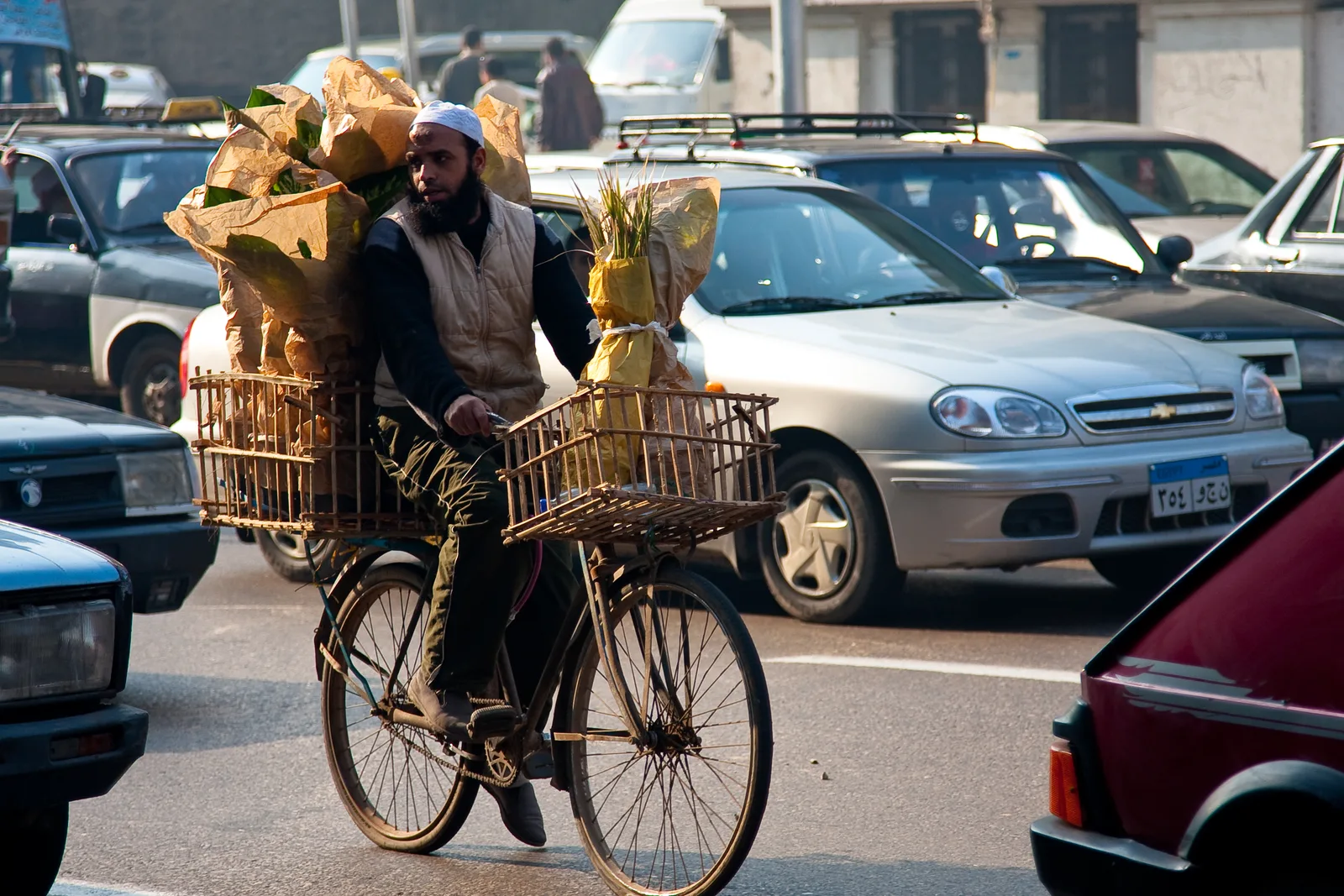
Auf zwei Rädern durch den Stau: Welchen Platz hat das Fahrrad auf Ägyptens Straßen am autofreien Tag?
Am 22. September begeht die Welt den autofreien Tag, während sich das Fahrrad auf unseren Straßen zwischen Mikrobussen hindurchschlängelt und über eine Spur fährt, auf der ein Auto parkt. Von Cairo Bike über „Dein Fahrrad, deine Gesundheit“ bis zum Jungen mit dem Brotblech auf dem Kopf: eine Reportage über das, was jeder Passant sehen kann, und eine Frage: Wem gehört das Fahrrad in Ägypten, und warum bleibt die sichere Spur ein Traum?
22. September 2026 · 8 Min. Lesezeit

„Keda ghalat“ („Das ist falsch“): Tierquälerei ist seit 1937 eine Straftat nach dem ägyptischen Strafgesetzbuch
Ein Nachbar stellt vergiftete Näpfe neben die Schulmauer; ein Karrenbesitzer schlägt seinem Esel ins Gesicht, weil dieser eine zu schwere Last trägt. Viele glauben, „nur ein Tier“ bedeute, dass kein Gesetz es schützt. Tatsächlich stellen die Artikel 355, 356 und 357 des Strafgesetzbuchs Töten, Vergiften und Misshandeln von Tieren unter Strafe, bis hin zu Gefängnis. Am Vorabend des Welttierschutztages erklären wir, was das Gesetz sagt.
3. Oktober 2026 · 6 Min. Lesezeit

Pink October: kostenlose Untersuchung – warum Früherkennung das Schicksal ägyptischer Frauen verändert
„Mir tut nichts weh“ ist kein Grund zum Aufschieben. Seit Juli 2019 stehen Ägyptens Gesundheitsstationen jeder Frau ab 18 Jahren kostenlos offen, und bis Juni 2026 sank der Anteil der erst im Spätstadium entdeckten Fälle von 60 auf 19,5 Prozent. Wir erklären, was in der Station geschieht, welche Anzeichen einen Besuch erfordern und warum Angst diese wichtige Untersuchung verzögert.
2. Oktober 2026 · 7 Min. Lesezeit