Ist die Chinesische Mauer vom Mond aus zu sehen? Die Astronauten haben die Frage entschieden
Ein beliebter Schulbuchsatz besagt, die Chinesische Mauer sei das einzige von Menschen errichtete Bauwerk, das vom Mond aus sichtbar ist. Die Astronauten, die dort waren – und Chinas erster Raumfahrer selbst –, sagen etwas anderes, und die Optik gibt ihnen recht. Was man vom Weltall aus wirklich sieht, von den Lichtern der Städte bis zum leuchtenden Nildelta, ist die schönere Geschichte. Urteil: falsch.
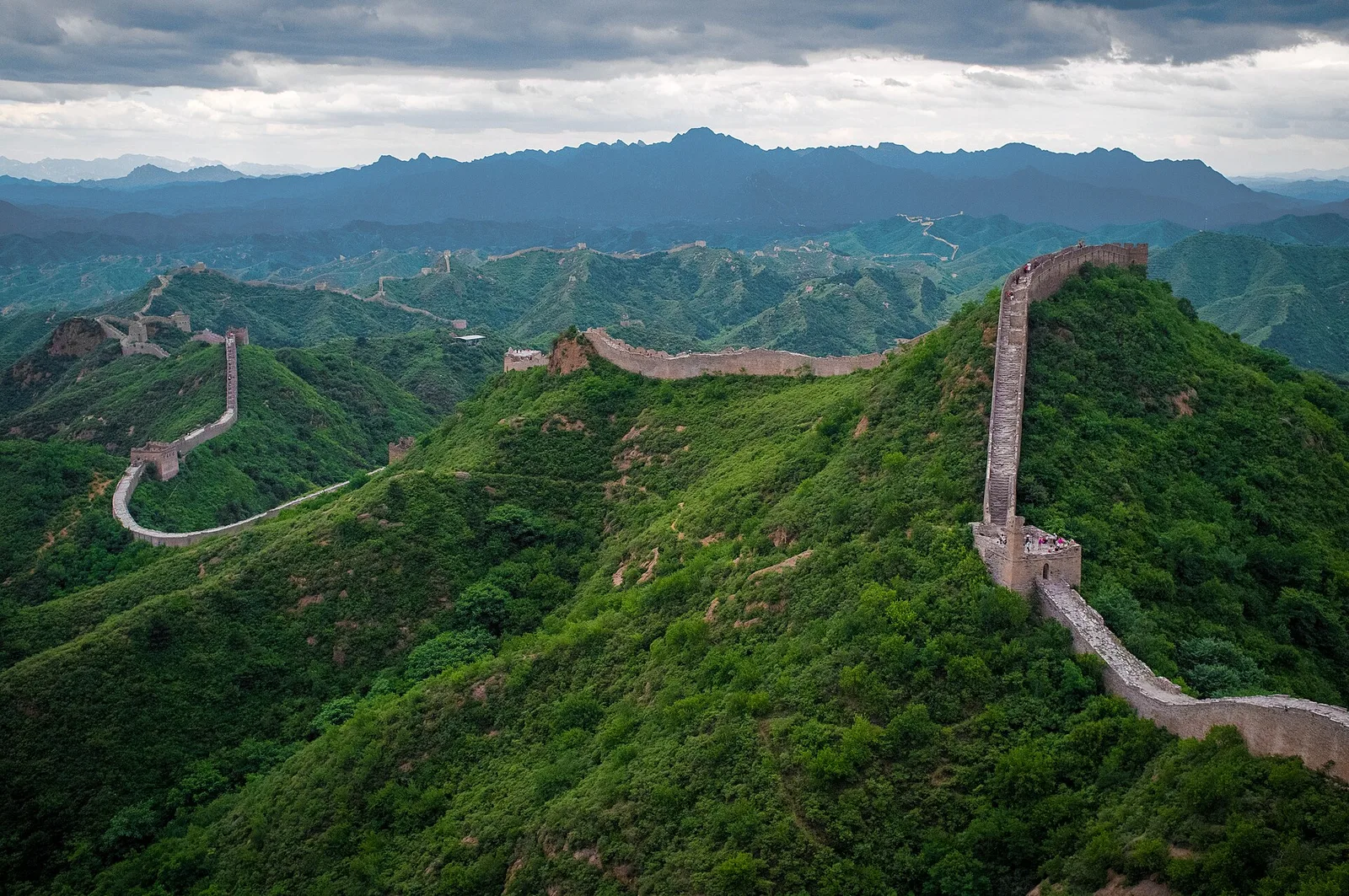
Die Behauptung steht in Schulbüchern, in Quizsendungen und in selbstsicheren Tischgesprächen auf allen Kontinenten: Die Chinesische Mauer sei, so heißt es, das einzige von Menschenhand geschaffene Bauwerk, das mit bloßem Auge vom Mond aus zu sehen sei – oder, in der milderen Fassung, „aus dem Weltraum“. Wenige Behauptungen werden mit solcher Selbstsicherheit wiederholt, und wenige lassen sich so leicht überprüfen, denn Menschen haben tatsächlich auf dem Mond gestanden und umkreisen die Erde seit Jahrzehnten. Ihr Zeugnis, gestützt auf einfache Optik, ist unmissverständlich – und es sagt das Gegenteil.
Das Merkwürdigste an diesem Mythos ist sein Alter: Er entstand lange, bevor überhaupt jemand fliegen konnte. Schon im 18. Jahrhundert mutmaßte der englische Altertumsforscher William Stukeley in einem Brief, die Mauer könnte vom Mond aus sichtbar sein, und Autoren des 19. Jahrhunderts wiederholten die schöne Wendung. Im 20. Jahrhundert trug die populäre Serie „Ripley's Believe It or Not!“ sie zu Millionen von Lesern. Als es endlich Raketen gab, stand die „Tatsache“ längst in den Schulbüchern – eine Vermutung über den Weltraum, vom Lehnstuhl aus geäußert, Jahrhunderte vor der Raumfahrt.
Beginnen wir beim Mond, rund 384.000 Kilometer entfernt. Aus dieser Entfernung wirkt die gesamte Erde etwa so groß wie ein Daumennagel bei ausgestrecktem Arm: eine leuchtende blau-weiße Scheibe, auf der die Astronauten Ozeane, Kontinente und wirbelnde Wolken unterscheiden konnten – und nicht das Geringste von Menschenhand Gebautes. Wissenschaftler haben für den nötigen Maßstab einen anschaulichen Vergleich gefunden: Die Chinesische Mauer vom Mond aus zu erkennen, entspräche in etwa dem Versuch, ein einzelnes menschliches Haar aus mehr als drei Kilometern Entfernung auszumachen.
Diejenigen, die es am besten wissen mussten, haben es unmissverständlich gesagt. Die Apollo-Astronauten, die zum Mond flogen, berichteten, von dort sei kein einziges menschliches Bauwerk zu sehen; Alan Bean von Apollo 12 beschrieb den Anblick als eine schöne Kugel aus weißen Wolken, blauem Ozean und gelben Wüstenflecken, ohne dass sich auf diese Entfernung irgendetwas Menschengemachtes hätte ausmachen lassen. Zwölf Menschen sind über die Mondoberfläche gegangen, viele weitere haben ihn umkreist; nicht einer von ihnen hat berichtet, die Mauer gesehen zu haben. In der Fassung „vom Mond aus“ ist das Zeugnis einhellig.
Und wie steht es um die niedrige Erdumlaufbahn, nur etwa 400 Kilometer hoch, wo die Internationale Raumstation ihre Bahnen zieht? Hier ist es die Bauweise der Mauer selbst, die das Auge besiegt. Über weite Strecken ist sie nur fünf bis neun Meter breit – schmaler als viele Autobahnen – und sie wurde aus der Erde und dem Gestein der Umgebung errichtet, sodass ihre Farbe mit den Bergkämmen verschmilzt, denen sie folgt. Ob ein Bauwerk von oben zu erkennen ist, hängt von seiner Breite und seinem Kontrast zur Umgebung ab, und der Mauer fehlt beides. Straßen, Flughäfen und Talsperren, die breiter und heller sind, lassen sich tatsächlich leichter ausmachen.
Das entscheidende Zeugnis kam 2003 von Yang Liwei, dem ersten chinesischen Raumfahrer, nach seiner Erdumrundung an Bord von Shenzhou 5. Auf die Frage, deren Antwort seine ganze Nation hören wollte, erklärte er ehrlich, er habe die Mauer nicht sehen können. Seine Antwort sorgte in China gerade deshalb für Aufsehen, weil die Behauptung in chinesischen Schulbüchern stand, und sie löste eine öffentliche Debatte über deren Korrektur aus. Besatzungsmitglieder der Internationalen Raumstation haben die Mauer zwar fotografiert – aber mit starken Teleobjektiven und in genauer Kenntnis der Stelle, auf die zu blicken war, und das ist etwas anderes als Sichtbarkeit mit bloßem Auge.
Warum hat sich der Mythos so hartnäckig gehalten? Zum Teil, weil er schmeichelt: Er krönt ein wahrhaft überwältigendes Bauwerk mit einem Superlativ, den ihm kein Konkurrent streitig macht. Zum Teil, weil er zwei volle Jahrhunderte kursierte, bevor ihn jemand prüfen konnte, und dabei zu „Allgemeinwissen“ erstarrte. Und zum Teil, weil die Formel „aus dem Weltraum sichtbar“ bequem unscharf ist: Aus einer hinreichend niedrigen Umlaufbahn, bei idealem Licht und mit geschulten Augen lässt sich über eine Beinahe-Sichtbarkeit endlos streiten. Die Mondfassung dagegen lässt überhaupt keinen Streit zu.
Die ehrliche Fassung der Frage hat eine weit schönere Antwort. Was Astronauten aus der Umlaufbahn mit bloßem Auge tatsächlich sehen, sind tagsüber Küstenlinien und Städte und nachts die funkelnden Netze der Stadtlichter – einer der meistfotografierten Anblicke von der Raumstation aus. Die Ägypter dürfen hier besonders stolz sein: Das Niltal und das Delta bilden nachts, leuchtend inmitten der dunklen Wüste, eines der berühmtesten Motive der Orbitalfotografie und werden oft mit einer leuchtenden Lotosblüte verglichen. Was das Auge einfängt, sind breite, helle, kontrastreiche Dinge – und ganz sicher keine neun Meter breite Mauer.
Zu den weiteren menschlichen Werken, die aus der Umlaufbahn unter guten Bedingungen sichtbar oder fotografierbar sind, zählen die riesigen Gewächshausfelder von Almería in Spanien, die als blasser, glänzender Fleck an der Küste erscheinen; große Flughäfen; mächtige Talsperren und Stauseen; und die künstlichen Inseln vor Dubai. Die Lehre dieser Liste ist stets dieselbe: Es kommt auf Fläche und Kontrast an, nicht auf die Länge. Ein Bauwerk, das sich über Tausende von Kilometern erstreckt, aber nur wenige Meter breit ist, verschwindet schlicht – so wie ein langer dünner Faden auf einem gemusterten Teppich verschwindet, den Sie vom anderen Ende des Zimmers betrachten.
Das Urteil lautet also: falsch in beiden Fassungen der Behauptung. Vom Mond aus ist überhaupt kein menschliches Bauwerk zu sehen – die Astronauten, die dort waren, sind sich einig, und die Optik belegt es mathematisch. Aus der niedrigen Erdumlaufbahn liegt die Chinesische Mauer bestenfalls an der Grenze der Sichtbarkeit mit bloßem Auge, und Chinas erster Raumfahrer selbst berichtete, er habe sie nicht sehen können. Kaum eine Behauptung lässt sich unmittelbarer prüfen, als indem man Menschen an den fraglichen Beobachtungspunkt schickt – und diese Prüfung hat sie nicht bestanden.
Nichts davon schmälert die Mauer selbst. Amtliche chinesische Denkmalerhebungen beziffern ihre zahlreichen Zweige und Abschnitte auf mehr als zwanzigtausend Kilometer – ein Verteidigungssystem, das über rund zwei Jahrtausende errichtet und immer wieder neu errichtet wurde, und eine der größten Bauleistungen der Menschheitsgeschichte. Sie braucht keinen Mythos. Im Gegenteil: Die Wahrheit trägt die demütigere Lehre in sich. Aus nur wenigen Hundert Kilometern Höhe verschmilzt fast alles, was Menschen je gebaut haben, mit der Oberfläche des Planeten – ein nützlicher Gedanke für eine Spezies, die dazu neigt, ihre eigene Sichtbarkeit zu überschätzen.
Verwandte Artikel

„Kräftig husten, dann überleben Sie den Herzinfarkt auch allein“: Die WhatsApp-Nachricht, der die Medizin widerspricht
Eine Kettennachricht erreicht fast jedes Telefon in Ägypten: Wer allein einen Herzinfarkt erleidet, soll kräftig und im Rhythmus husten, bis das Herz wieder regelmäßig schlägt. Die American Heart Association lehnt die „Husten-Reanimation“ ausdrücklich ab, die Nachricht verwechselt Herzinfarkt und Herzstillstand, und jede Minute Husten statt Anruf beim kostenlosen Rettungsdienst 123 geht vom Leben des Patienten ab. Das sagt die Medizin.
28. September 2026 · 7 Min. Lesezeit

„Lesen bei schwachem Licht verdirbt die Augen“: Was Augenärzte bestätigen und welche Gefahr Eltern tatsächlich übersehen
Mit dem abendlichen Lernen unter einer einzigen Glühbirne kehrt die alte Warnung zurück: „Du wirst noch blind.“ Wir haben die Behauptung Wort für Wort geprüft, und die Augenärzte sind sich einig: Schwaches Licht und ein geringer Abstand zum Bildschirm ermüden die Augen, schädigen sie aber nicht. Dahinter steht jedoch eine reale Gefahr, die die meisten Haushalte übersehen, und regionale Schätzungen sehen Ägyptens Kinder dabei ganz vorn.
19. September 2026 · 7 Min. Lesezeit

„Tee nach dem Essen blockiert das Eisen“: Die Mütter-Warnung, bestätigt von der Wissenschaft
Selten wird eine Warnung aus der ägyptischen Küche vom Labor so eindeutig bestätigt. Schwarzer Tee zum Essen senkt die Aufnahme des Eisens aus Brot, Linsen und Gemüse in erstaunlichem Ausmaß, und Milch hilft dagegen nicht. Die Lösung ist jedoch nicht, das Teetablett zu verbannen, sondern es eine Stunde später zu bringen und ein Stück Zitrone auf den Tisch zu stellen. Wir legen die Belege dar und erklären, warum das Thema gerade Ägypten betrifft.
10. September 2026 · 7 Min. Lesezeit