Islamisches und koptisches Kairo: Ein Freilichtmuseum von Bab al-Futuh bis zur Hängenden Kirche
Nur wenige Städte können ihre Besucher auf einem einzigen Spaziergang durch tausend Jahre Architektur führen. Das historische Kairo, seit 1979 auf der Welterbeliste, tut genau das: von der al-Muizz-Straße und ihren Moscheen zu den Kirchen Alt-Kairos und der Ben-Esra-Synagoge – samt der Geschichte einer Restaurierung, die dem Stein sein Leben zurückgab.
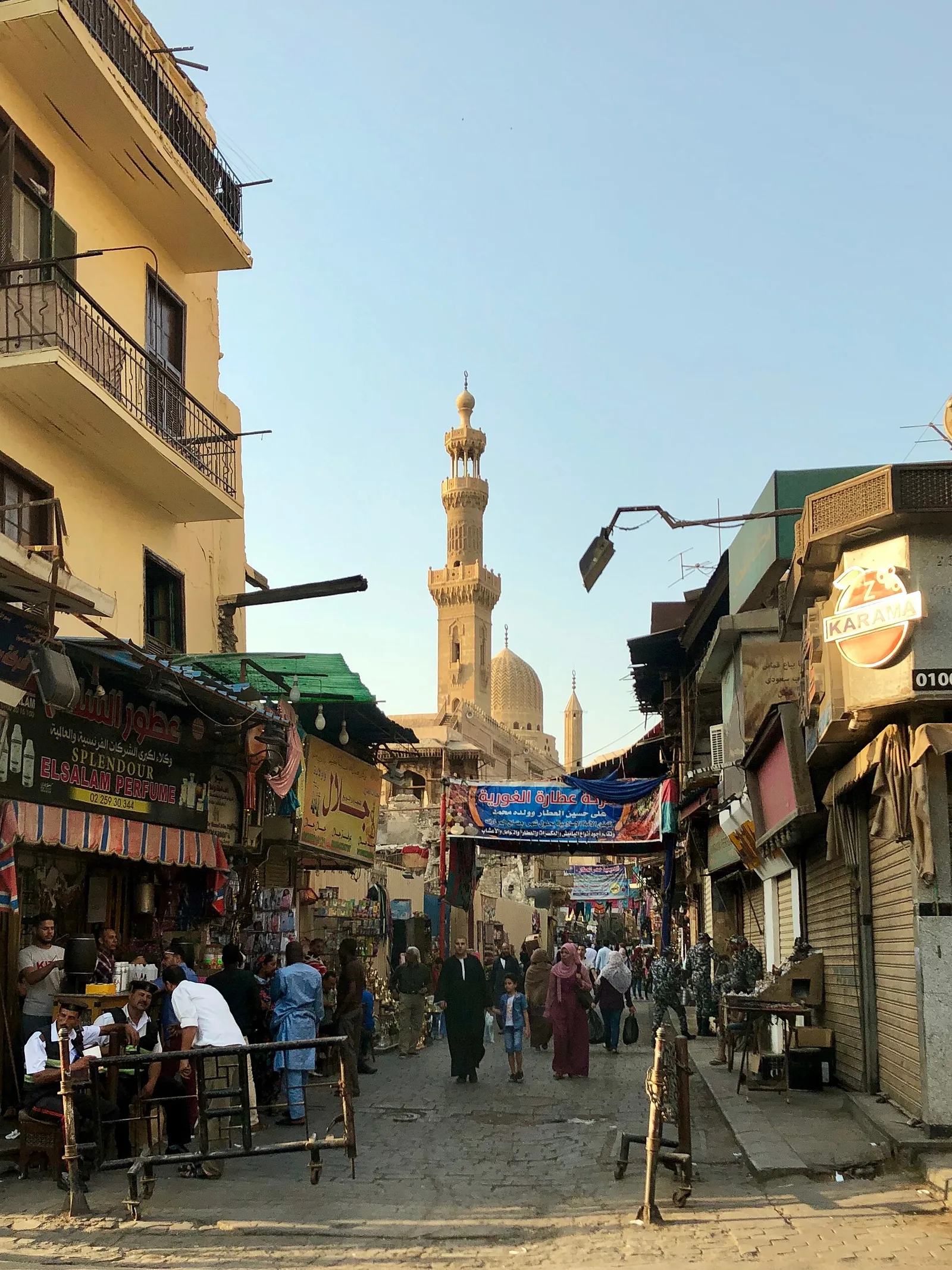
Nur wenige Städte können ihre Besucher an einem einzigen Nachmittag durch tausend Jahre Architektur führen. Das historische Kairo kann es. Seit seiner Aufnahme in die Welterbeliste der Unesco im Jahr 1979 vereint es eine der dichtesten Ansammlungen mittelalterlicher Baudenkmäler der Welt: Moscheen, Madrasas, Kirchen, eine Synagoge, Stadttore, Kaufmannshäuser und öffentliche Brunnen, die noch immer inmitten lebendiger Viertel stehen. Ägypter sprechen häufig von zwei Vierteln, dem islamischen und dem koptischen Kairo, doch versteht man sie besser als ein einziges, zusammenhängendes Freilichtmuseum, dessen Schichten von Jahrhunderten getrennt werden und nicht von Mauern.
Der Gründungsmoment der islamischen Stadt fällt in das Jahr 969, als der fatimidische Feldherr Dschauhar für den Kalifen al-Muizz li-Din Allah eine neue befestigte Hauptstadt absteckte und sie „al-Qahira“ nannte – jenen Namen, den die Stadt bis heute trägt. Binnen weniger Jahre besaß die neue Stadt ihre große Moschee, al-Azhar, die zu einem der ältesten ohne Unterbrechung arbeitenden Bildungszentren der Welt heranwuchs. Kairo war nicht die erste islamische Hauptstadt Ägyptens, aber es wurde jene, die alle früheren in sich aufnahm.
Das Rückgrat jener fatimidischen Stadt hat sich in der al-Muizz-Straße erhalten, die vom Tor Bab al-Futuh im Norden bis zum Bab Zuweila im Süden verläuft. Auf knapp einem Kilometer führt sie an Bauten der fatimidischen, ayyubidischen, mamlukischen und osmanischen Zeit vorbei, die Schulter an Schulter stehen; deshalb gilt sie oft als eine der großartigsten Freilichtsammlungen mittelalterlicher islamischer Architektur überhaupt. Sie zu durchschreiten kommt dem Blättern in Kairos Geschichte auf Straßenniveau am nächsten.
Die Bauwerke belohnen langsames Hinsehen. Der Komplex des Sultans Qalawun aus dem späten 13. Jahrhundert vereinte in einer einzigen Fassade ein Kuppelmausoleum, eine Madrasa und ein Krankenhaus – mittelalterliche öffentliche Fürsorge, in Stein gehauen. Die kleine fatimidische al-Aqmar-Moschee zeigt einige der ältesten verzierten Steinfassaden der Stadt, die zur Straße hin ausgerichtet sind. Der Sabil-Kuttab des Abd al-Rahman Katchuda wiederum ist eine rein kairenische Erfindung: unten ein Brunnen, der kostenlos Wasser ausgibt, oben eine Koranschule, die kostenlos Bildung ausgibt. Ganz in der Nähe bewahrt das Kaufmannshaus Bait as-Suhaimi ein lebendiges Bild davon, wie wohlhabende Familien tatsächlich lebten.
Südlich von alldem und älter als die fatimidische Stadt selbst liegt Alt-Kairo. Sein Kern ist die Festung Babylon, die die Römer Jahrhunderte vor der arabischen Eroberung an einem strategischen Punkt am Nil errichteten. In und um ihre erhaltenen Türme wuchs jenes Viertel, das die Ägypter das koptische Kairo nennen: Kirchen, ein Kloster, eine Synagoge und heute das Koptische Museum. Wer auf römischen Steinen unter mittelalterlichen Kirchen steht, erlebt die wahre Schichtung der Stadt: Kairo hat nicht ausgelöscht, was vor ihm da war, es hat sich darübergelegt.
Die Kirchen tragen das Gedächtnis des Viertels. Die Hängende Kirche, al-Muallaqa, verdankt ihren Namen dem Umstand, dass sie über einem Torbau der römischen Festung errichtet wurde. Die Kirche der Heiligen Sergius und Bacchus, bekannt als Abu Serga, birgt eine Krypta, die die koptische Überlieferung mit dem Aufenthalt der Heiligen Familie in Ägypten verbindet. Die Barbarakirche bewahrt feine mittelalterliche Holzarbeiten. Die Ben-Esra-Synagoge wiederum wurde weltberühmt durch ihre „Geniza“, jene Kammer ausgesonderter Schriftstücke, deren Erforschung einen beispiellosen Blick auf das mittelalterliche Leben im Mittelmeerraum eröffnete.
Nur einen kurzen Fußweg entfernt steht die Moschee des Amr ibn al-As, im siebten Jahrhundert in Fustat gegründet und als erste Moschee Ägyptens und Afrikas in Erinnerung; sie wurde vielfach neu errichtet, doch ihr Standort hat nie aufgehört, ein Ort des Gebets zu sein. Auf die Nähe kommt es an: Auf wenigen Hundert Metern kann ein Besucher in einer Moschee der Frühzeit des Islam stehen, in Kirchen der christlichen Jahrhunderte Ägyptens und in einer Synagoge seiner jüdischen Gemeinde. Die Kairoer nennen das „den Komplex der Religionen“ – die Identität der Stadt im Kleinen.
Das Freilichtmuseum reicht über beide Viertel hinaus. Die Ibn-Tulun-Moschee aus dem neunten Jahrhundert mit ihrem spiralförmigen Minarett und ihrem weiten Hof zählt zu den ältesten Moscheen der Stadt, die ihrer ursprünglichen Gestalt noch nahekommen. Die Madrasa des Sultans Hassan aus dem vierzehnten Jahrhundert ist monumentale Mamlukenarchitektur in ihrer kühnsten Form. Über beiden erhebt sich die Zitadelle Saladins, viel später gekrönt von der Moschee Muhammad Alis im osmanischen Stil, deren Kuppeln und schlanke Minarette Kairos Silhouette prägen. Jede Epoche fügte eine Schicht hinzu, und keine löschte die vorherige aus.
Dieses Überdauern war keineswegs selbstverständlich, sondern das Ergebnis einer langen Restaurierungsgeschichte. Im ersten Jahrzehnt des Jahrtausends sanierte ein großes staatliches Projekt die al-Muizz-Straße: Die Leitungen unter der Fahrbahn wurden erneuert, Fassaden und Denkmäler gereinigt und instand gesetzt, der Autoverkehr zugunsten der Fußgänger eingeschränkt und eine Abendbeleuchtung entworfen, die die Bauwerke nach Sonnenuntergang zur Geltung bringt. Die Straße wurde als verwaltetes Freilichtmuseum wiedereröffnet, und das Vorhaben wurde zum Modell: Denkmalpflege in Kairo heißt ebenso sehr, Kanalisation und Leitungen in Ordnung zu bringen, wie Stein zu restaurieren.
Ein weiteres Kapitel schrieb der Aga Khan Trust for Culture, der einen über Jahrhunderte gewachsenen Schutthügel am Rand der Stadt in den al-Azhar-Park verwandelte, der 2005 eröffnet wurde. Die Erdarbeiten legten einen lange verschütteten Abschnitt der ayyubidischen Stadtmauer Kairos frei, der ausgegraben und restauriert wurde; das Projekt griff auf das benachbarte Viertel Darb al-Ahmar über und verband Denkmalpflege mit der Instandsetzung von Wohnhäusern und der Ausbildung im Handwerk. In Alt-Kairo wiederum wurde das 1908 zur Bewahrung des Erbes des christlichen Ägypten gegründete Koptische Museum umfassend saniert und 2006 wiedereröffnet.
Was das historische Kairo einzigartig macht, ist, dass es nie zu einem Museum im erstarrten Sinne geworden ist. Zwischen den Denkmälern wird gelebt, gehandelt, gebetet und Tee getrunken, und Handwerker hämmern noch immer Kupfer in Gassen, die ihre Zünfte seit Generationen bewohnen. Das ist seine Größe und zugleich sein Dilemma, denn Denkmalpflege in einer bewohnten Stadt muss ihren Bewohnern dienen, statt sie zu verdrängen. Für Besucher sind die Regeln einfach: Kleiden Sie sich zurückhaltend, fragen Sie um Erlaubnis, bevor Sie Menschen fotografieren, und denken Sie daran, dass dieses Viertel für seine Bewohner ein Zuhause ist. Der Lohn ist eine Stadt, in der Sie ein Jahrtausend mit der Hand berühren können.
Verwandte Artikel
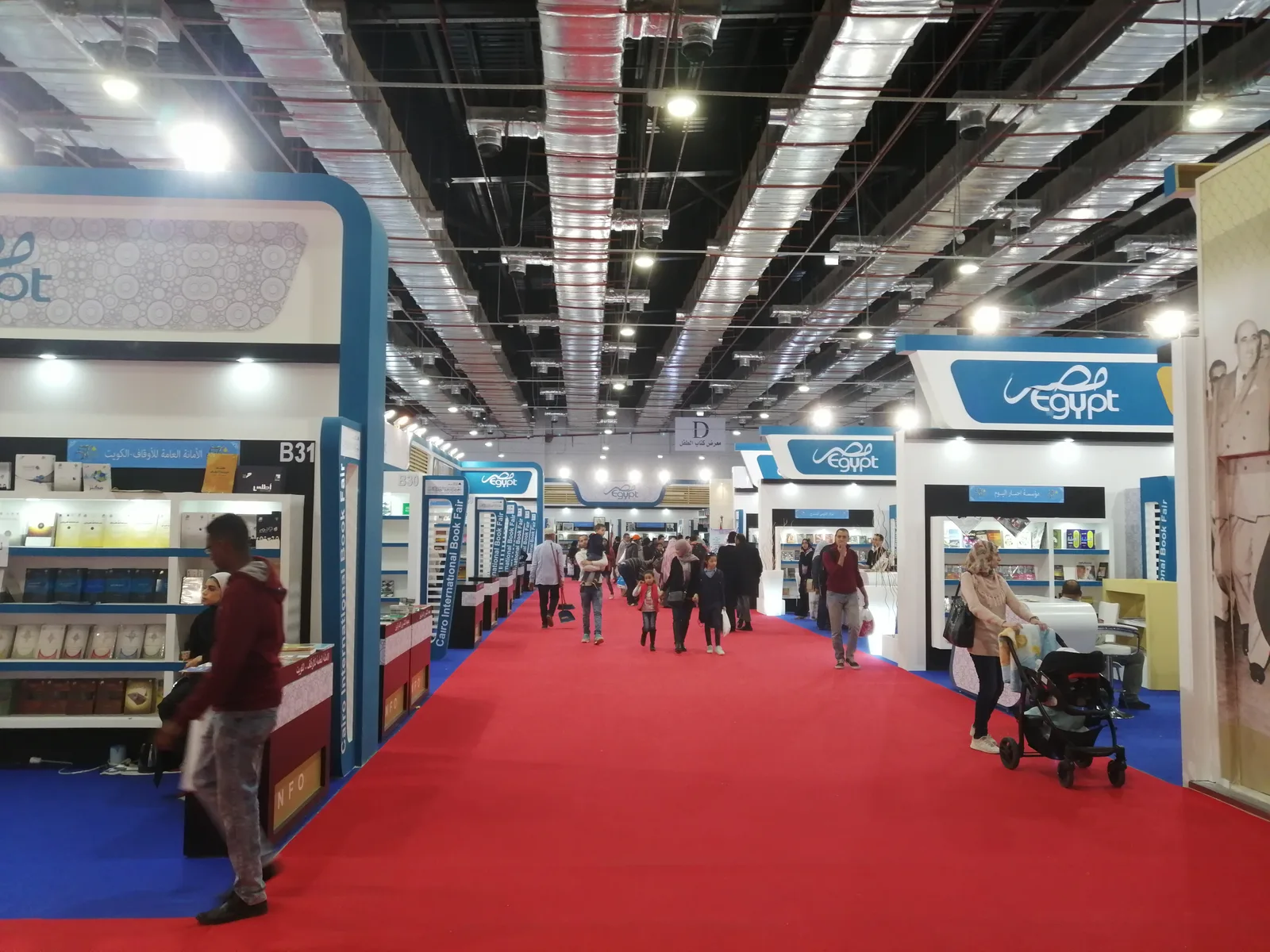
Internationaler Tag des Übersetzens: von der Sprachenschule 1835 zum Nationalen Zentrum
Am 30. September feiert die Welt das Übersetzen. Hinter dem übersetzten Buch, das man von der Messe nach Hause trägt, steht eine zwei Jahrhunderte alte ägyptische Geschichte: ein Scheich der Al-Azhar, aus Paris zurückgekehrt, gründete 1835 die erste moderne Übersetzerschule Ägyptens; Komitees und Projekte scheiterten oder gelangen, bis 2006 das Nationale Übersetzungszentrum entstand. Hier die ganze Geschichte – und was sie für Sie bedeutet.
30. September 2026 · 7 Min. Lesezeit
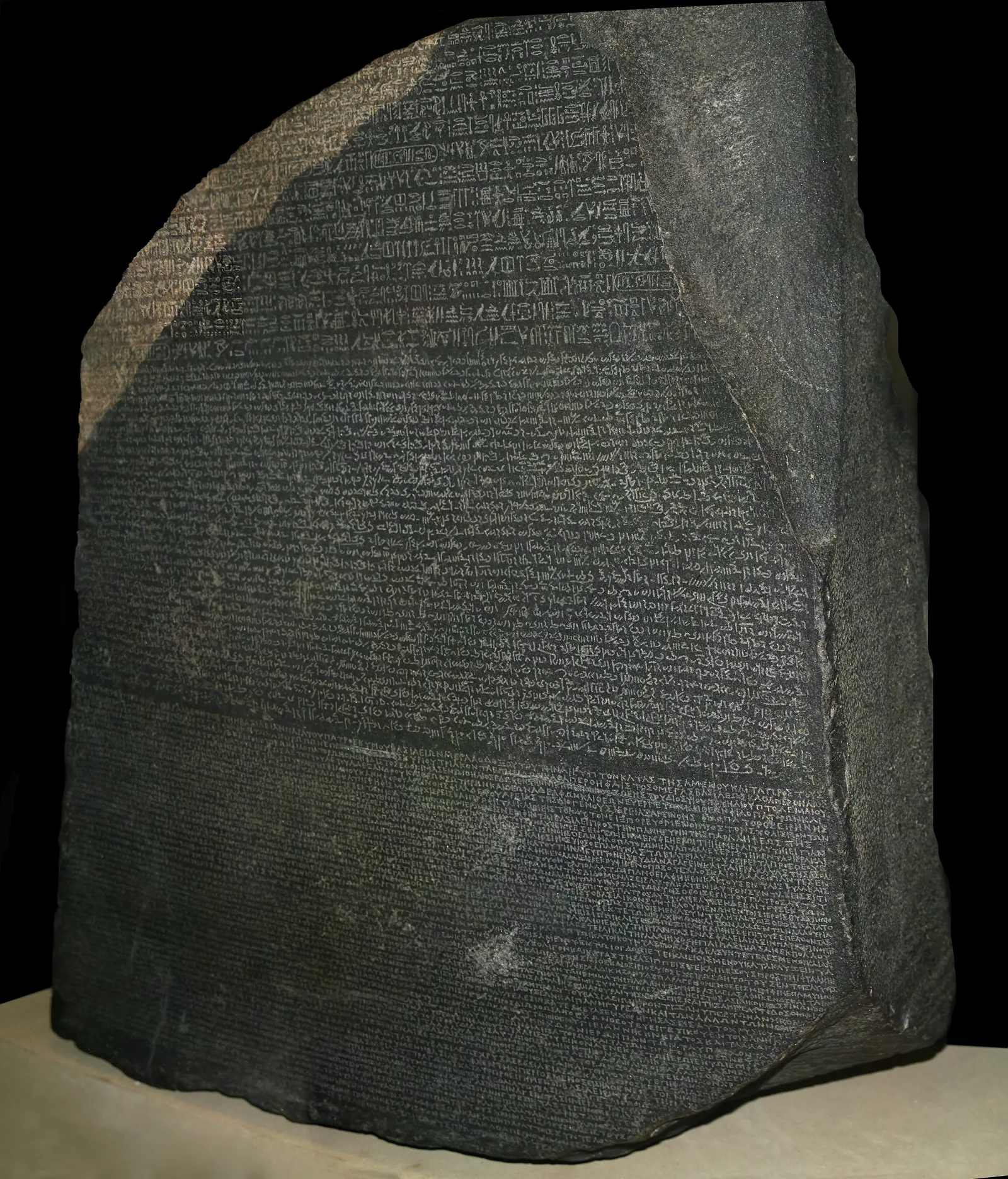
27. September 1822: Der Tag, an dem die alten Ägypter ihre Stimme wiederfanden — Stein von Rosette und sein Schlüssel
In einem Saal in Paris verlas ein Einunddreißigjähriger einen Brief, der den ägyptischen Mauern nach langem Schweigen die Sprache zurückgab. Von Raschid 1799 über London 1802 bis zum Sitzungssaal der Akademie 1822, weiter zu Ahmed Kamal Pascha und seinem zu Lebzeiten nie gedruckten Wörterbuch, bis hin zur heutigen Frage: Kehrt der Stein zurück? Die Geschichte eines Schlüssels, der verloren ging und wiedergefunden wurde.
26. September 2026 · 8 Min. Lesezeit
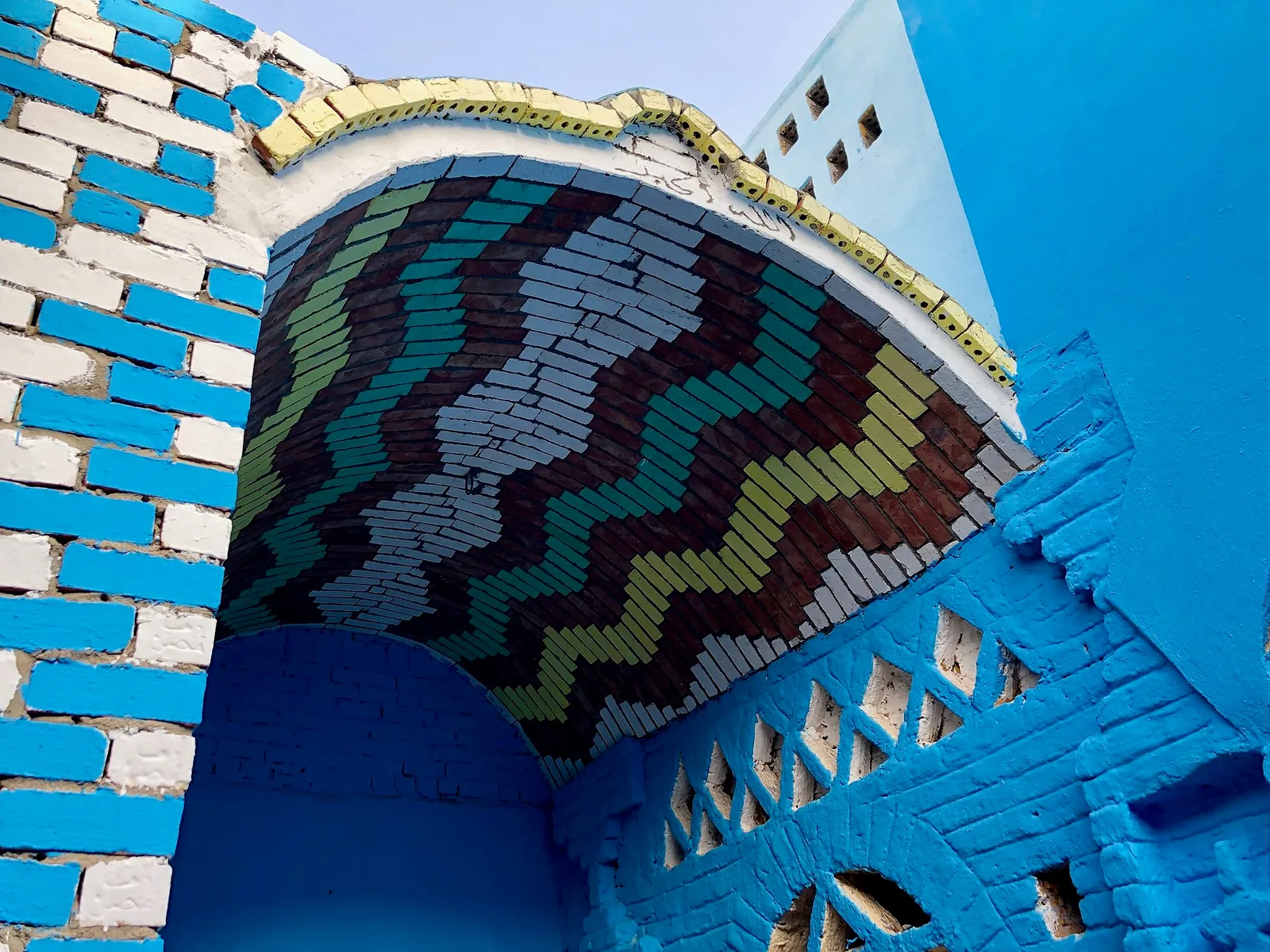
Hassan Fathy: Der „Architekt der Armen“, der aus Ägyptens Lehm eine Baukunst schuf, die die Welt verblüffte
In einer Zeit, in der die Klimaanlage das Haushaltseinkommen auffrisst, stellt das Leben von Hassan Fathy eine alte Frage neu: Warum haben wir eine Baukunst aufgegeben, die unsere Häuser ohne Strom kühlte? Die Geschichte des „Architekten der Armen“, der aus Ägyptens Lehm ein ganzes Dorf baute, ein Buch schrieb, das die Welt übersetzte, und der Welle des grünen Bauens um Jahrzehnte voraus war.
4. September 2026 · 8 Min. Lesezeit