Queren mitten durch den Verkehr: Ein Glücksspiel, das Fußgänger und Fahrer gemeinsam bezahlen
Wenige Meter von der Fußgängerbrücke oder dem Überweg entfernt stürzt sich der Passant in den Fluss aus Asphalt, läuft zwischen den Autos hindurch, die Hand den heranrasenden Wagen entgegengestreckt, als wäre sie eine Bremse. Eine alltägliche Szene, an die wir uns so gewöhnt haben, dass wir vergessen haben, was sie wirklich ist: ein Spiel um das Leben des Fußgängers – und um die Nerven des Fahrers, der ausweichen und Unschuldige treffen kann. So nicht – das gilt für beide Seiten, und auch der Staat trägt Verantwortung.
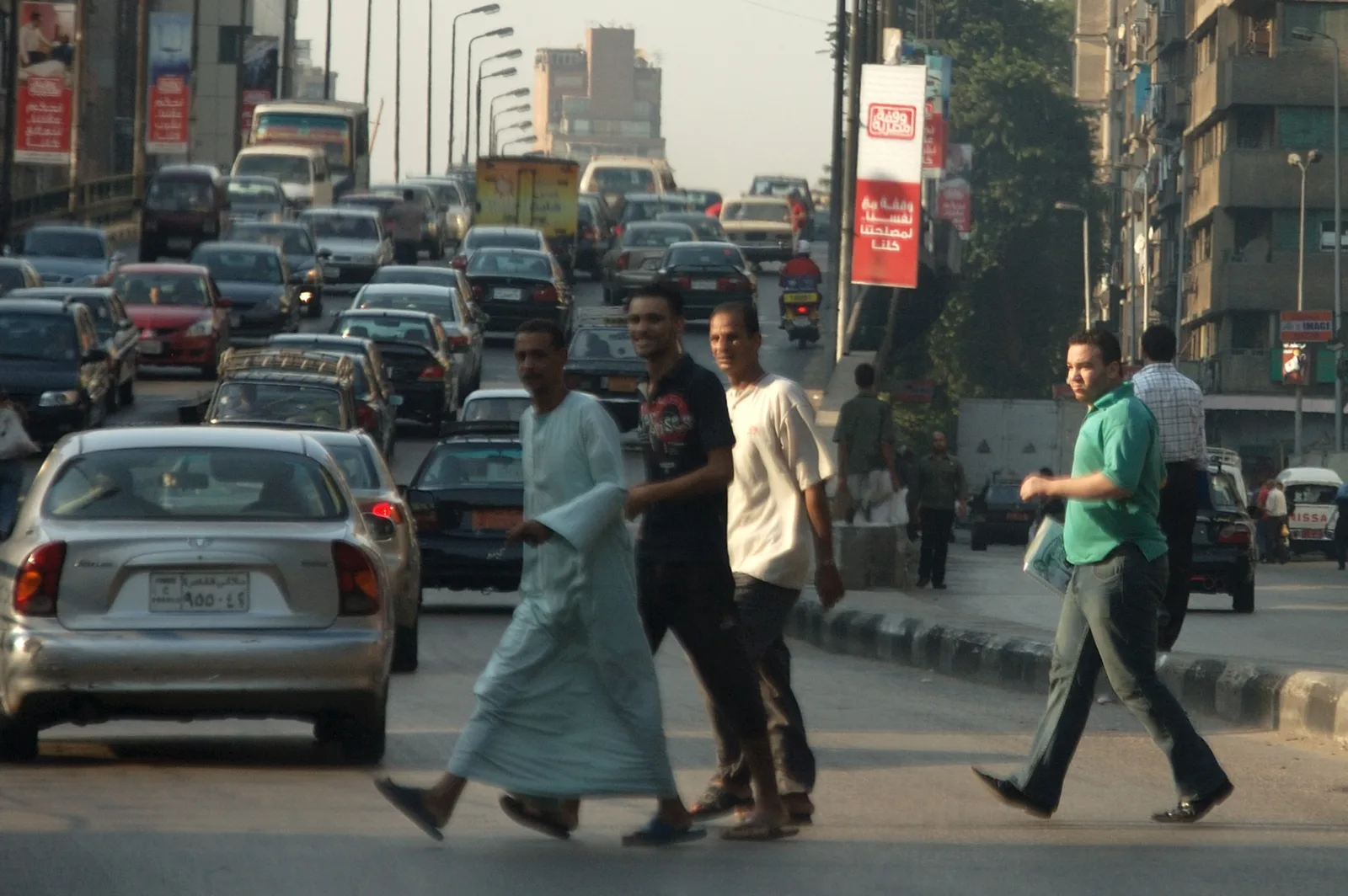
Die Szene ist so vertraut, dass wir sie längst nicht mehr wahrnehmen: eine Schnellstraße oder eine Hauptstraße, auf der die Autos vorbeischießen, wenige Meter entfernt eine Fußgängerbrücke oder ein markierter Überweg — und dennoch wählt der Passant die kürzeste gerade Linie. Er steigt hinab in den Asphaltstrom, weicht einem Wagen aus, erstarrt vor dem nächsten, hebt den Handteller gegen die Heranrasenden, als wäre eine Handfläche eine Bremse, und rennt dann weiter ans andere Ufer, während allen, die ihn sehen, das Herz stehen bleibt.
Nennen wir diese Handlung beim Namen: ein Glücksspiel. Eine Wette, bei der der Fußgänger sein Leben auf den Tisch legt, um zwei Minuten zu sparen oder sich die Mühe zu ersparen, die Stufen einer Brücke hinaufzusteigen. Und es ist eine Wette, bei der er nur die Hälfte der Karten in der Hand hält; die andere Hälfte liegt bei einem Fahrer, den er nicht kennt. War er aufmerksam? Sind seine Bremsen in Ordnung? Ist die Fahrbahn nass? Blendet ihn die Sonne genau in diesem Augenblick? Jede geglückte wilde Überquerung ist kein Beweis von Geschick, sondern ein Würfelwurf, der diesmal gewonnen hat.
Das vergessene Opfer dieser Szene ist der Fahrer. Wir sprechen immer von der Gefahr für den, der die Straße überquert, und vergessen, dass der Fahrer, vor dem plötzlich mitten auf der Fahrbahn eine menschliche Gestalt auftaucht, im Bruchteil einer Sekunde vor eine unmögliche Wahl gestellt wird: den Menschen erfassen; brutal bremsen und vom nachfolgenden Wagen aufgefahren werden; oder ausweichen und dabei ein anderes Auto treffen — oder einen anderen Fußgänger auf dem Gehweg. Stellen Sie sich vor, Sie fahren mit erlaubter Geschwindigkeit und sind vollkommen aufmerksam, und plötzlich springt zwischen zwei parkenden Autos ein Mensch vor Ihren Wagen. Welche Schuld tragen Sie? Und welche Gerechtigkeit liegt darin, dass ein Mensch ein Leben lang die Last einer Tat im Gewissen trägt, die er nie begangen hat, nur weil ein anderer vor seinen Rädern mit dem eigenen Leben gespielt hat?
Und hier liegt der moralische Vorwurf, der uns noch vor dem Gesetz beschäftigt: Wer mitten zwischen den Autos die Straße überquert, riskiert nicht nur sich selbst — das allein wäre schon tadelnswert —, sondern zwingt jedem Fahrer auf dieser Straße ein Risiko auf, das dieser nie gewählt hat, und bürdet ihm die Möglichkeit einer seelischen und juristischen Katastrophe auf, an der er keinerlei Schuld trägt. Ihre Freiheit, den eigenen Körper aufs Spiel zu setzen, endet in dem Moment, in dem Sie einen anderen zum unfreiwilligen Mitspieler dieses Glücksspiels machen.
Noch gefährlicher ist, dass das wilde Überqueren eine Gewohnheit ist, die durch das Vorbild weitervererbt wird. Das Kind, das die Hand seines Vaters hält, während dieser sich zwischen fahrenden Autos hindurchschlängelt, lernt genau eine Lektion: So überquert man eine Straße. Danach helfen tausend Verkehrserziehungsstunden in der Schule nichts gegen eine einzige, immer wiederholte Szene der Eltern. Wer mit einem Kind an der Hand wild über die Straße geht, begeht den Fehler zweimal: einmal heute und einmal bei jeder Überquerung, die dieses Kind morgen allein bewältigen wird.
Fairerweise muss man sagen: Das ägyptische Straßenverkehrsgesetz hat die Sache nicht ungeregelt gelassen. Es verpflichtet Fußgänger, die dafür vorgesehenen Übergänge zu benutzen, wo es sie gibt, und verpflichtet die Fahrer, den Fußgängern an diesen Stellen Vorrang zu gewähren. Die Rechtsnorm existiert; aber sie braucht — wie so viele andere — jemanden, der an sie erinnert, und jemanden, der sie durchsetzt.
Und wir wären unseren Lesern gegenüber nicht ehrlich, wenn wir die ganze Verantwortung allein dem Fußgänger aufbürdeten. Sagen wir es deutlich: An vielen Stellen fehlt der sichere Übergang schlicht, oder er liegt unzumutbar weit entfernt, oder er ist eine verfallene Fußgängerbrücke mit zerbrochenen Stufen, unbeleuchtet, der nachts keine Frau traut und die kein älterer oder behinderter Mensch bewältigen kann. Wenn eine Straße so geplant wird, als gäbe es keine Fußgänger, dann wundern Sie sich nicht, wenn diese sie überqueren, als gäbe es keine Autos. Sicheres Überqueren ist eine geteilte Verantwortung: Der Fußgänger muss nutzen, was vorhanden ist, und der Staat muss dafür sorgen, dass das Vorhandene menschenwürdig und benutzbar ist.
Was verlangen wir vom Bürger? Eine einzige Regel ohne Ausnahme: Überqueren Sie die Straße dort, wo ein Übergang vorgesehen ist, wo immer es einen gibt, und mag er Sie noch so viele zusätzliche Schritte kosten; denn die Minute, die Sie durch das wilde Überqueren „sparen“, kann Ihre letzte sein — oder die erste Minute im Albtraum eines unschuldigen Fahrers. Und wenn Sie dort hinüber müssen, wo es keinen sicheren Weg gibt: Bleiben Sie stehen, schauen Sie in beide Richtungen, gehen Sie in gerader Linie hinüber, ohne zu rennen und ohne Handy in der Hand — und nehmen Sie niemals ein Kind mit in dieses Glücksspiel.
Und was verlangen wir vom Staat? Sichere Übergänge in vernünftigen Abständen auf den Hauptstraßen: klare, beleuchtete Fahrbahnmarkierungen, Fußgängerampeln, die tatsächlich funktionieren, saubere, beleuchtete Fußgängerbrücken mit intakten Stufen und Rampen für ältere und behinderte Menschen, damit die Brücke eine echte Möglichkeit ist und keine Strafe. Und dann die Durchsetzung der Verkehrsregeln auf beiden Seiten: gegenüber dem Fahrer, der am Fußgängerüberweg nicht hält, und gegenüber dem Fußgänger, der auf die Fahrbahn stürmt, obwohl der sichere Weg nur wenige Meter entfernt ist.
Zwischen den beiden Ufern einer Straße liegen Leben: das Leben des Fußgängers, die Nerven des Fahrers und das Auge eines Kindes, das gerade lernt. Die wenigen Meter, die das Stürmen über die Fahrbahn einspart, sind keines davon wert. Dem Fußgänger, der zwischen den Autos hindurchtaucht, während die Brücke über seinem Kopf steht, und dem Verantwortlichen, der eine Hauptstraße ohne menschenwürdigen Übergang gelassen hat, sagen wir es gemeinsam und mit der gleichen Entschiedenheit: So ist es falsch.
Verwandte Artikel
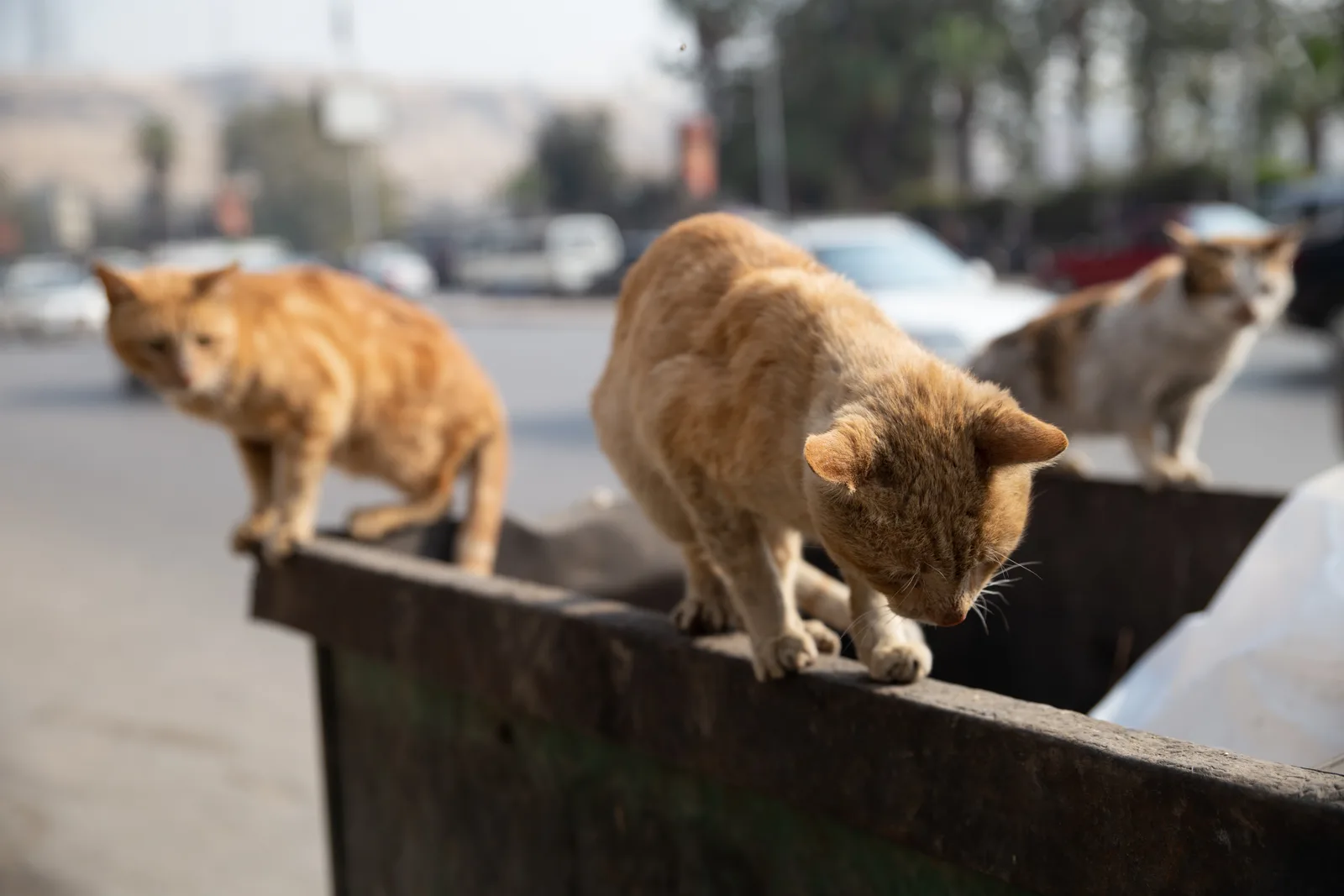
„Keda ghalat“ („Das ist falsch“): Tierquälerei ist seit 1937 eine Straftat nach dem ägyptischen Strafgesetzbuch
Ein Nachbar stellt vergiftete Näpfe neben die Schulmauer; ein Karrenbesitzer schlägt seinem Esel ins Gesicht, weil dieser eine zu schwere Last trägt. Viele glauben, „nur ein Tier“ bedeute, dass kein Gesetz es schützt. Tatsächlich stellen die Artikel 355, 356 und 357 des Strafgesetzbuchs Töten, Vergiften und Misshandeln von Tieren unter Strafe, bis hin zu Gefängnis. Am Vorabend des Welttierschutztages erklären wir, was das Gesetz sagt.
3. Oktober 2026 · 6 Min. Lesezeit
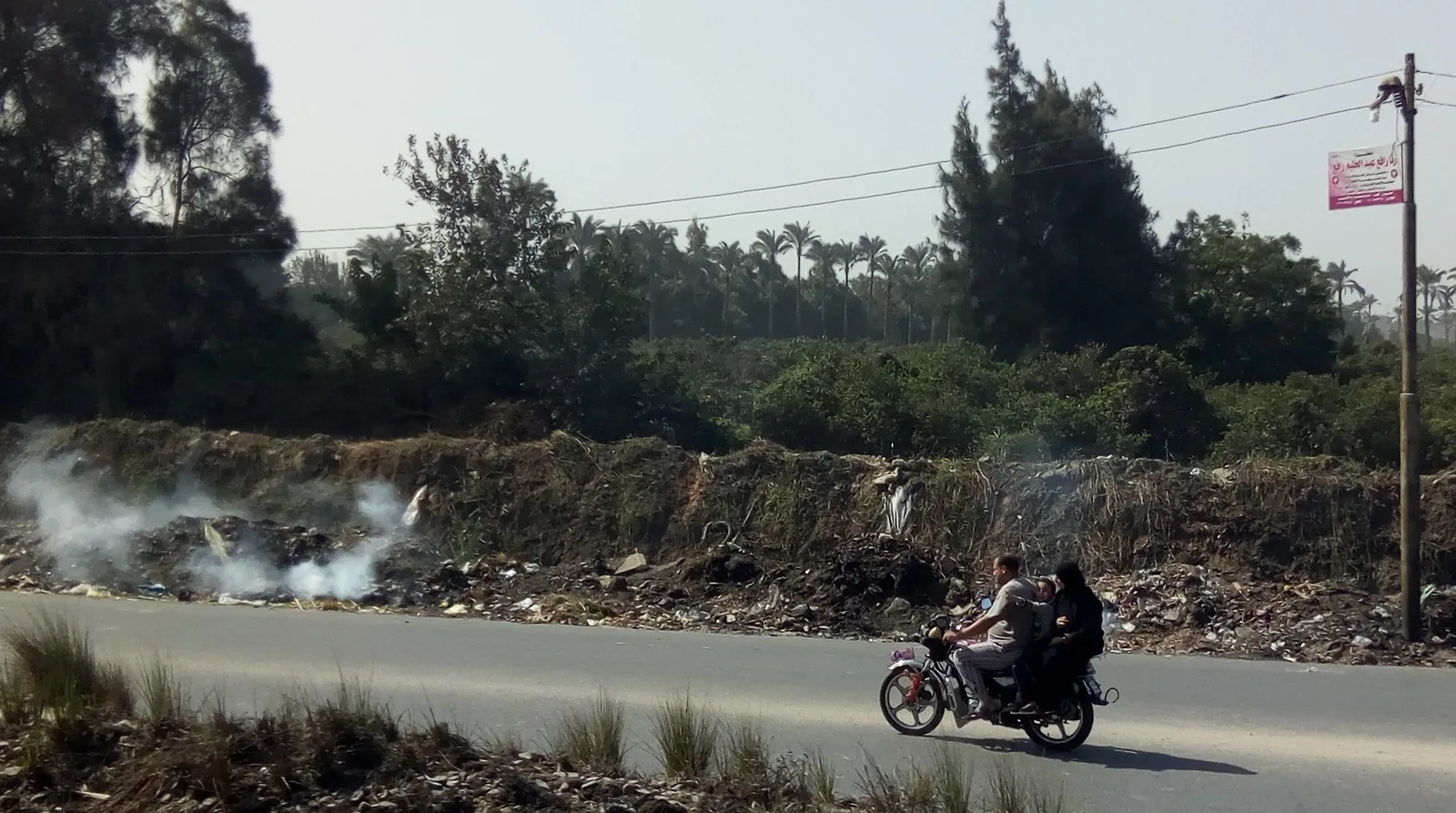
Vier auf einem Motorrad, keiner mit Helm: Der nackte Kopf ist das Teuerste, was eine Familie verlieren kann
In der zweiten Schulwoche wiederholt sich dieselbe Szene: der Vater am Lenker, ein Kind vorn, eines hinten, die Mutter mit den Taschen, kein einziger Helm. Presseberichte, gestützt auf CAPMAS, zeigen einen Anstieg der Toten von 190 auf 897 zwischen 2020 und 2024, während Cochrane belegt, dass der Helm das Sterberisiko um 42 Prozent senkt. Das Gesetz bestraft den nackten Kopf seit 1999, das Bußgeld stieg 2008. Warum halten wir uns nicht daran?
23. September 2026 · 8 Min. Lesezeit
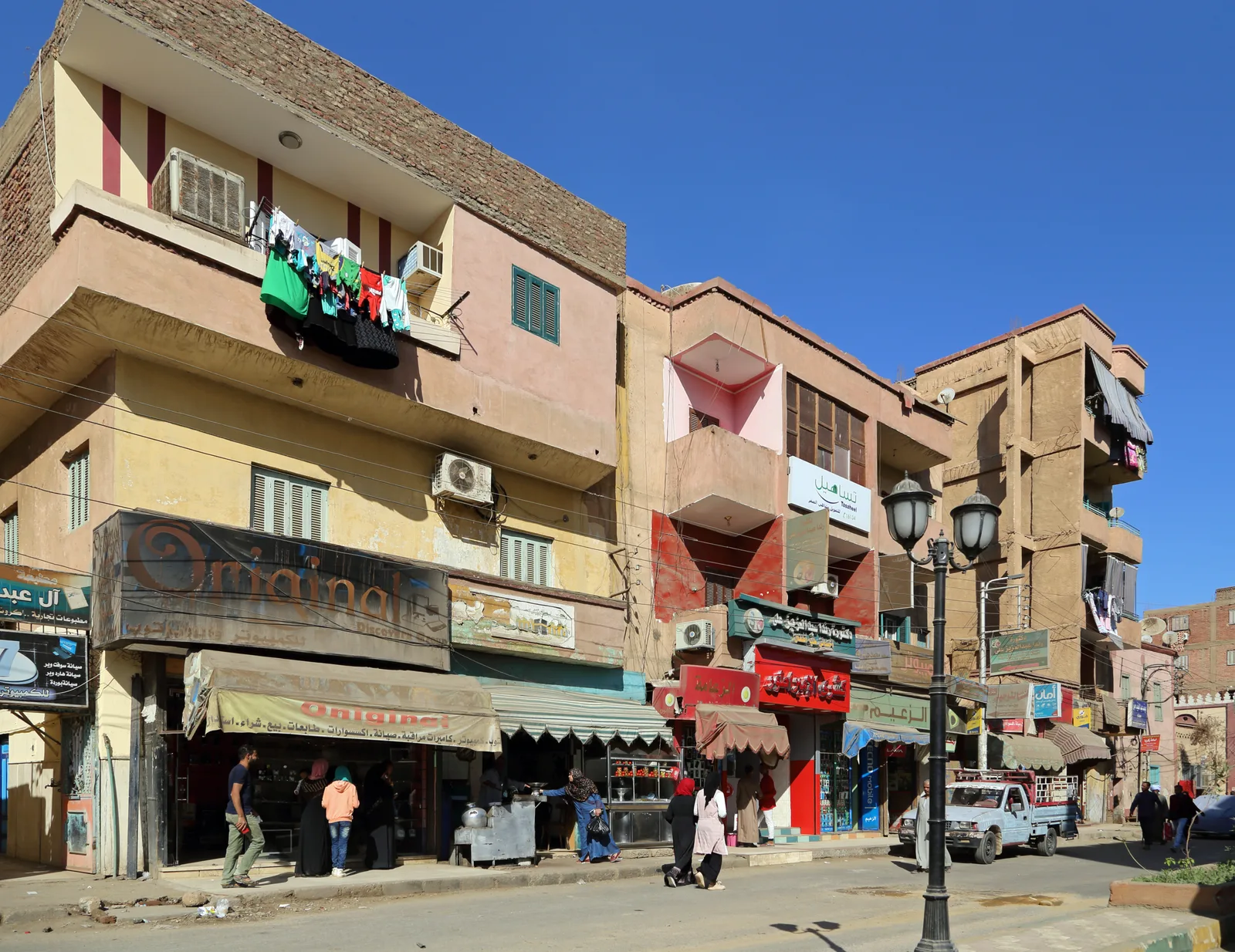
„Ein Kabelanzapf“ ist keine Cleverness: Stromdiebstahl ist ein Verbrechen, das die ganze Nachbarschaft bezahlt
Ein blankes Kabel hängt von einem Mast zu einem Balkon, eine Klimaanlage läuft über einen Zähler, der sich nie dreht, und eine Sicherung brennt zum dritten Mal durch und stürzt den zahlenden Nachbarn in Dunkelheit. Artikel 71 des Elektrizitätsgesetzes nennt dies unrechtmäßige Stromaneignung, geahndet mit Haft und Geldstrafe, während eine schärfere Novelle auf das Abgeordnetenhaus wartet. Was verliert eine Straße durch einen Anzapf?
14. September 2026 · 7 Min. Lesezeit