„So nicht!“: Eine Bananenschale kostet einen Unschuldigen das Leben
Eine kurze Geschichte mit schwerem Ende: Eine Hand wirft eine Bananenschale aus dem Autofenster, ein Schüler rennt zu seiner Prüfung – und kommt nie an. In dieser Folge erzählen wir die Geschichte, fragen, was Religion und Gesetz dazu sagen, und wie sich eine Gewohnheit ändern lässt, die wir „harmlos“ nennen – und die tötet.

Eine Geschichte, die gewöhnlich klingen könnte – wäre da nicht ihr Ende. Ein teurer Wagen gleitet durch eine belebte Straße; der Fahrer schält eine Banane, isst sie in aller Ruhe, streckt dann den Arm aus dem Fenster und wirft die Schale auf den Asphalt, beiläufig wie einen Gruß, und fährt weiter. Er hat sich nicht umgedreht, und keinen Augenblick lang kam ihm der Gedanke, dieses kleine gelbe Stück könne sich Minuten später in ein Werkzeug des Todes verwandeln.
Wenige Minuten später kommt an derselben Stelle ein Schüler vorbei, die Tasche auf dem Rücken und die Träume im Kopf, rennend aus Angst, zu spät zur Prüfung zu kommen. Sein Fuß landet auf der Schale, er verliert das Gleichgewicht, rutscht aus und stürzt hart; sein Kopf schlägt auf die Bordsteinkante. Schwere innere Blutungen, Schreie der Passanten, ein Krankenwagen, der zu spät kommt, wie er immer zu spät kommt … dann die Todesnachricht.
Wir erzählen sie hier als Warnung, nicht als Unfallprotokoll, denn ihre Einzelheiten wiederholen sich – in der einen oder anderen Form – Tag für Tag auf unseren Gehwegen: eine Hand, die wirft, ein Fuß, der ausrutscht, ein Kopf, der aufschlägt. Und der Schluss bleibt derselbe: Ein Kind starb, weil es lernen ging, und ein Mann warf eine Schale weg, weil er es nie gelernt hat.
Nach jedem Unglück dieser Art sagt jemand: „Ausgerechnet daran?“ Ja, ausgerechnet daran. Leichtsinn bemisst sich nicht an der Größe der Tat, sondern an der Größe ihrer Folgen: Die Schale, die zehnmal danebengeht, trifft beim elften Mal – und wenn sie trifft, wird nichts mehr, wie es war.
Die Straße ist kein Mülleimer. Wir nehmen auf die leichte Schulter, was wir „Kleinigkeiten“ nennen und was in Wahrheit tödliche Gewohnheiten sind: eine Bananenschale, eine Chipstüte oder eine Wasserflasche, aus dem Fenster eines rasenden Autos geworfen; Abfall, der vom Balkon auf die Köpfe der Passanten fällt; Öl oder Seifenwasser, das auf den Asphalt gekippt wird und ihn in eine Rutschbahn verwandelt, die kein Auge sieht. Alles beginnt mit einer Handbewegung, die keine Sekunde dauert, und manches endet mit einem ganzen Leben.
Was sagt die Religion? Etwas Schädliches vom Weg zu räumen, gilt als Almosen – was ist dann von dem zu halten, der den Schaden mit eigener Hand dorthin legt? Der Prophet, Friede sei mit ihm, sagte: „Hütet euch vor den beiden Dingen, die Flüche heraufbeschwören.“ Man fragte: „Und welche sind das, Gesandter Gottes?“ Er antwortete: „Wer seine Notdurft auf dem Weg der Menschen verrichtet oder in ihrem Schatten“ (überliefert bei Muslim). Wenn schon dies den Fluch der Menschen nach sich zieht – was gilt dann für den, der ihnen etwas in den Weg wirft, das sie zu Fall bringt und tötet?
Ein weiterer Hadith lautet: „Der Glaube hat über siebzig Zweige … und der geringste davon ist, Schädliches vom Weg zu entfernen“ (überliefert bei Muslim). Den Weg frei zu machen gehört also zum Glauben selbst; Schädliches in den Weg der Menschen zu legen, ist ein Mangel an Glauben und an Menschlichkeit zugleich. Vor Gott haben Sie sich für jeden Fuß zu verantworten, der ausrutschte, für jeden Kopf, der aufschlug, und für jede Mutter, die wegen Ihrer Gleichgültigkeit geweint hat.
Und was sagt das Gesetz? Diese Handlung ist weder „persönliche Freiheit“ noch eine „kleine Sünde“, sondern ein ausdrücklich unter Strafe gestellter Verstoß. Das ägyptische Gesetz Nr. 202 von 2020 zur Regelung der Abfallwirtschaft verbietet in Artikel 38, Abfall außerhalb der dafür vorgesehenen Orte abzuladen; Artikel 71 sieht für jeden, der nicht gefährliche Abfälle am falschen Ort entsorgt, eine Geldstrafe von mindestens 10.000 und höchstens 100.000 ägyptischen Pfund vor. Im Wiederholungsfall treten Haft und Geldstrafe zusammen ein, samt Einziehung des für den Verstoß genutzten Fahrzeugs.
Führt die Nachlässigkeit dagegen zur Verletzung oder zum Tod eines Menschen, ändert sich die rechtliche Bewertung von Grund auf: Aus einem Ordnungsverstoß wird fahrlässige Tötung oder fahrlässige Körperverletzung nach dem Strafgesetzbuch (Artikel 238 und 244), bestraft mit Haft – zusätzlich zum zivilrechtlichen Schadensersatz, den die Familie des Opfers verlangen kann. Gewiss obliegt es Staatsanwaltschaft und Gericht, den Zusammenhang zwischen Schale und Sturz im Einzelfall zu würdigen; der Grundsatz aber steht fest: Wer durch seine Fahrlässigkeit den Tod eines Menschen verursacht, hat sich dafür zu verantworten. Sie werfen keine Schale aus dem Fenster – Sie werfen den Beweis hinaus, der Sie überführen wird.
Wie schaffen wir Bewusstsein? Predigten allein genügen nicht, Geldstrafen allein ebenso wenig; gefragt ist eine Verhaltensänderung, und dafür sind wir alle verantwortlich. Sie beginnt mit fünf einfachen Schritten.
Erstens: Fangen Sie bei sich selbst und in Ihrem Haushalt an. Eine kleine Mülltüte im Auto und eine Regel, die Ihre Kinder auswendig können – die eigene Tasche ist sauberer als die Straße. Was der Mensch in jungen Jahren lernt, begleitet ihn bis ins Alter.
Zweitens: Das Wort trägt Verantwortung. Predigerinnen und Prediger, Lehrkräfte, Content-Schaffende – erzählen Sie diese Geschichte, die Geschichte der Bananenschale, die einen Schüler getötet hat. Erzählungen erreichen die Herzen weit eher als Zahlen und Verordnungen.
Drittens: Die Schule ist der Schlüssel. Eine Unterrichtsstunde im Monat über „die Ethik der Straße“ genügt, um eine Generation heranzuziehen, die kein Papier mehr wegwirft. Die eigentliche Prüfung findet nicht im Prüfungsraum statt, sondern auf der Straße.
Viertens: gesellschaftliche Abschreckung. Lachen Sie nicht mit, wenn jemand etwas aus dem Autofenster wirft, sondern begegnen Sie ihm mit einem missbilligenden Blick. Dokumentieren Sie den Verstoß, wenn Sie es gefahrlos können, und melden Sie ihn über die offiziellen Beschwerdewege. Die Scham vor den Mitmenschen ist das stärkste Gesetz.
Fünftens: das Vorbild. Stellen Sie einen kleinen Abfallbehälter in Ihr Auto, vor Ihr Geschäft und neben Ihre Haustür. Die Menschen ahmen Taten nach, nicht Worte.
An Sie, die Sie die Schale weggeworfen und es vergessen haben: Eine Mutter hat es nicht vergessen, eine Träne ist nicht getrocknet, und ein Platz im Prüfungsraum blieb leer. Denken Sie daran, bevor Sie irgendetwas aus dem Fenster werfen: Würden Sie es hinnehmen, dass diese Schale den Traum eines Menschen beendet? Die Straße gehört nicht Ihnen allein; sie gehört dem Kind, das seiner Zukunft entgegengeht, dem alten Mann auf dem Weg zum Gebet und der Mutter, die ihren Säugling trägt. Reinigen Sie Ihr Herz, bevor Sie Ihre Hände reinigen – wessen Herz rein ist, der bringt es nicht über sich, den Weg der anderen zu beschmutzen.
In der Rubrik „Das ist falsch“ nennt „Die Stimme des Bürgers“ den Fehler weiterhin beim Namen, ohne jemanden bloßzustellen: Es geht um Verhalten, nicht um Personen. Teilen Sie mit uns, was Ihnen auffällt – ohne sich selbst in Gefahr zu bringen und ohne jemanden an den Pranger zu stellen – über den Dienst „Die Linse des Bürgers“ im Formular „Ihre Stimme“ auf unserer Plattform, damit wir gemeinsam eine belegte Sammlung aufbauen, die den zuständigen Stellen vorgelegt wird.
Verwandte Artikel

„Keda ghalat“ („Das ist falsch“): Tierquälerei ist seit 1937 eine Straftat nach dem ägyptischen Strafgesetzbuch
Ein Nachbar stellt vergiftete Näpfe neben die Schulmauer; ein Karrenbesitzer schlägt seinem Esel ins Gesicht, weil dieser eine zu schwere Last trägt. Viele glauben, „nur ein Tier“ bedeute, dass kein Gesetz es schützt. Tatsächlich stellen die Artikel 355, 356 und 357 des Strafgesetzbuchs Töten, Vergiften und Misshandeln von Tieren unter Strafe, bis hin zu Gefängnis. Am Vorabend des Welttierschutztages erklären wir, was das Gesetz sagt.
3. Oktober 2026 · 6 Min. Lesezeit
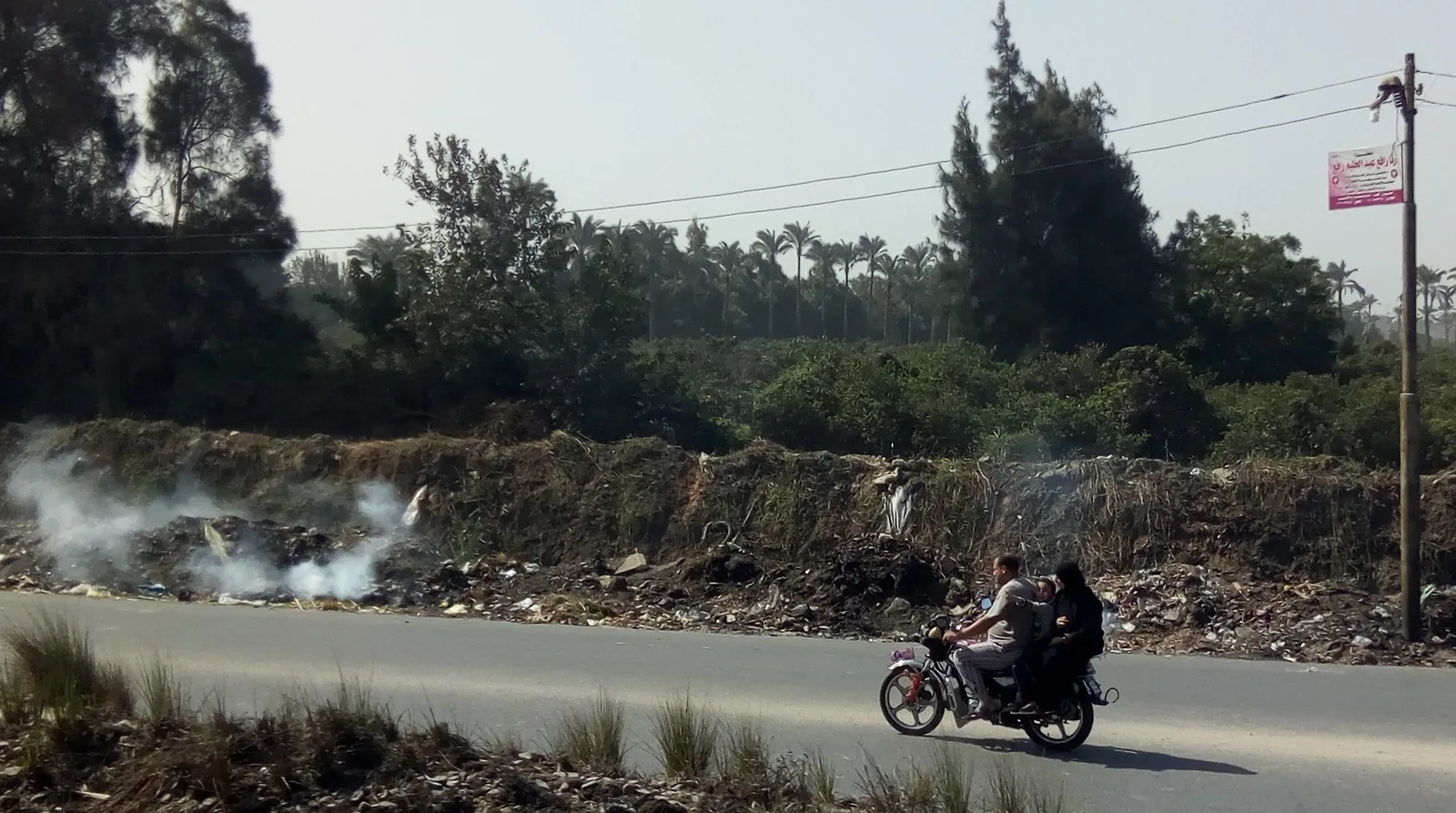
Vier auf einem Motorrad, keiner mit Helm: Der nackte Kopf ist das Teuerste, was eine Familie verlieren kann
In der zweiten Schulwoche wiederholt sich dieselbe Szene: der Vater am Lenker, ein Kind vorn, eines hinten, die Mutter mit den Taschen, kein einziger Helm. Presseberichte, gestützt auf CAPMAS, zeigen einen Anstieg der Toten von 190 auf 897 zwischen 2020 und 2024, während Cochrane belegt, dass der Helm das Sterberisiko um 42 Prozent senkt. Das Gesetz bestraft den nackten Kopf seit 1999, das Bußgeld stieg 2008. Warum halten wir uns nicht daran?
23. September 2026 · 8 Min. Lesezeit

„Ein Kabelanzapf“ ist keine Cleverness: Stromdiebstahl ist ein Verbrechen, das die ganze Nachbarschaft bezahlt
Ein blankes Kabel hängt von einem Mast zu einem Balkon, eine Klimaanlage läuft über einen Zähler, der sich nie dreht, und eine Sicherung brennt zum dritten Mal durch und stürzt den zahlenden Nachbarn in Dunkelheit. Artikel 71 des Elektrizitätsgesetzes nennt dies unrechtmäßige Stromaneignung, geahndet mit Haft und Geldstrafe, während eine schärfere Novelle auf das Abgeordnetenhaus wartet. Was verliert eine Straße durch einen Anzapf?
14. September 2026 · 7 Min. Lesezeit