»So nicht!«: Ein Ressort, das Fehlverhalten beim Namen nennt
In diesem Ressort werden wir nicht schmeicheln und nicht schweigen. Verhaltensweisen, die sich zu schlechten Gewohnheiten und Bräuchen verfestigt haben, nennen wir beim Namen und sagen es laut und deutlich: So nicht. Denn noch bevor sie gegen das Gesetz verstoßen, sind sie ein moralisches Verbrechen am Mitbürger: Beleidigung, Provokation, Schädigung. Dies ist die Gründungserklärung dieses Ressorts – und unser Versprechen an seine Leserinnen und Leser.

Jeder ägyptische Morgen bringt Bilder, die wir so gut kennen, dass wir sie kaum noch wahrnehmen: ein Müllbeutel, der aus dem Fenster eines rasenden Autos fliegt; eine Rauchwolke in einem geschlossenen Büro, die auch jene einatmen, die nie geraucht haben; ein Gehweg, den ein Kiosk besetzt hat, sodass die Fußgänger mitten auf die Fahrbahn zwischen die Autos ausweichen. Wir haben uns angewöhnt, den Kopf zu schütteln und weiterzugehen. Dieses Ressort ist entstanden, um vor diesen Bildern stehen zu bleiben und laut zu sagen: „Das ist falsch.“
Das Credo dieses Ressorts ist einfach und klar: Manche dieser Verhaltensweisen sind Verstöße, die das Gesetz bestraft, andere werden von keiner Rechtsnorm erfasst. Was uns aber zuallererst angeht, ist, dass sie ein moralisches Vergehen am Bürger sind: Sie beleidigen, sie provozieren, sie schaden seinen Gefühlen, seiner Gesundheit, seiner Sicherheit und seiner Würde. Zuerst das moralische Urteil, dann das strafrechtliche – überall dort, wo es eine Vorschrift gibt.
Und warum das Ganze laut beim Namen nennen? Weil das Schweigen den Fehler zur Gewohnheit gemacht hat, die Gewohnheit zur Sitte und die Sitte zum Alltagsbild, das niemanden mehr stört. Wenn schlechtes Verhalten unkommentiert bleibt, lernen alle, dass es in Ordnung ist. Wir sind überzeugt: Der erste Schritt, damit diese Gewohnheiten aus dem ägyptischen Alltag verschwinden, ist, sie öffentlich auszusprechen – und dass derjenige, der sie begeht, weiß, dass die Menschen ihn sehen und über ihn urteilen.
Nehmen Sie den, der seinen Abfall aus dem Autofenster wirft, und sei es aus einem Luxuswagen. Er hinterlässt eine Falle auf dem Asphalt. Stellen Sie sich einen Schüler vor, der am Straßenrand zur Schule geht, auf dem Weggeworfenen ausrutscht und womöglich mit seinem Leben für die paar Sekunden Bequemlichkeit eines Menschen bezahlt, der nicht bis zum nächsten Papierkorb warten wollte. Und selbst wenn überhaupt nichts geschieht, bleibt es ein unmoralisches, unzivilisiertes und provozierendes Verhalten.
Nehmen Sie den, der in einem geschlossenen Raum raucht und jedem Einwand entgegnet: „Ich bin ein freier Mensch.“ Seine Freiheit endet an der Lunge seines Nachbarn. Um ihn herum sitzen Allergiker, Kinder und Schwangere, die das Passivrauchen zwangsweise einatmen – und es gibt längst ein Gesetz: Das Gesetz Nr. 52 von 1981 zum Schutz vor den Schäden des Rauchens verbietet in der Fassung des Gesetzes Nr. 154 von 2007 das Rauchen in geschlossenen öffentlichen Räumen.
Nehmen Sie jene, die den Nil verschmutzen. Die Lebensader, die Ägypten seit Anbeginn der Geschichte am Leben hält, behandeln manche wie eine Müllkippe – als wäre das Wasser, in das sie ihren Unrat werfen, nicht dasselbe, das Millionen Ägypter nach ihnen trinken werden.
Oder jene, die scharfe Hunde an die Strände mitbringen, Kinder erschrecken und Familien den Tag verderben und ihre Tiere anschließend in genau dem Meerwasser baden, in dem die Menschen schwimmen – mitsamt allem, was das an Keimen überträgt. Oder jene, die mit halsbrecherischem Tempo in einem klapprigen Wagen ohne verlässliche Bremsen und ohne intakte Reifen fahren und die öffentliche Straße in eine Gefahr für das Leben der Bürger verwandeln.
Oder jene, die die Erdgeschosse von Wohnhäusern vermieten, damit dort Cafés entstehen, aus denen Zigaretten- und Schischa-Rauch aufsteigt und die die ganze Nacht geöffnet bleiben – mit einem Lärm, der Schulkindern den Schlaf und ihren Eltern die Ruhe raubt. Die Bewohner des Hauses haben sich nicht ausgesucht, über einem Café zu leben, das niemals schläft.
Oder der Fußgänger, der zwischen rasenden Autos über die Straße geht, ohne sich um die vorgesehenen Übergänge zu kümmern, und damit sein Leben und das der Fahrer gefährdet. Oder die Kioske auf den Gehwegen, die die Passanten auf die Fahrbahn drängen – eine Praxis, die ein Eingriff in das Recht der Fußgänger bleibt, selbst wenn der Stadtbezirk sie genehmigt hat. Und der „Sayes“, der nicht zugelassene Parkwächter, der sich selbst zum Herrn der Straße erklärt hat und von jedem, der im öffentlichen Raum parkt, seinen Obolus verlangt.
Oder der, der die noch glimmende Zigarettenkippe aus dem Fenster oder auf den Gehweg wirft, ohne zu ahnen, dass eine kleine Glut schon der Anfang von Bränden und Katastrophen war. Bis hin zur weiblichen Genitalverstümmelung, die das ägyptische Strafgesetzbuch ausdrücklich unter Strafe stellt und die es dennoch weiter gibt, im Verborgenen weitergegeben, als wäre sie ein unabwendbares Schicksal.
Eines sei klar: Unser Objektiv ist für alle dasselbe. Wer aus einem Luxuswagen Müll auf die Straße wirft, steht vor diesem Ressort genau dort, wo jeder andere steht, der sich falsch verhält. Anstand ist eine Frage des Verhaltens, nicht der Automarke; dieses Ressort verurteilt weder Armut noch Reichtum, sondern Taten. Und wir werden auch keine Kanzel für herablassende Predigten: Wir sind Teil dieser Straße und schreiben über Gewohnheiten, die manche von uns selbst einmal geteilt haben, bevor sie umgedacht haben.
Dieses Ressort gehört zu einer größeren Plattform, die – soweit wir wissen – stolz darauf ist, die erste Nachrichtenplattform zu sein, die den Gerüchten der Kriege der vierten Generation mit einer systematischen, wissenschaftlichen Methode und mithilfe von Fachleuten und Spezialisten entgegentritt und dem Bürger die Lügen vor Augen führt, die Ägypten schaden sollen. Ebenso öffnet sie das Dossier des Bevölkerungswachstums, das jeden Entwicklungsfortschritt auffrisst, schlägt praktische Lösungen vor und zeigt die Erfahrungen von Ländern, die das Problem angegangen sind oder das Wachstum in Humankapital verwandelt haben.
Unser Versprechen an Sie lautet: Wir nennen das Verhalten, nicht die Person; wir trennen stets das moralische Vergehen von der Straftat; und wir erfinden weder einen Vorfall noch eine Zahl noch einen Namen. Jeden Artikel beenden wir mit einer einzigen Frage: Was ist zu tun? Der Bürger soll bei sich selbst anfangen und höflich, aber bestimmt widersprechen; der Staat soll die bestehenden Gesetze anwenden, bevor er neue erlässt. Bis diese Gewohnheiten aus dem ägyptischen Alltag verschwinden, werden wir es weiter sagen: „Das ist falsch.“
Verwandte Artikel
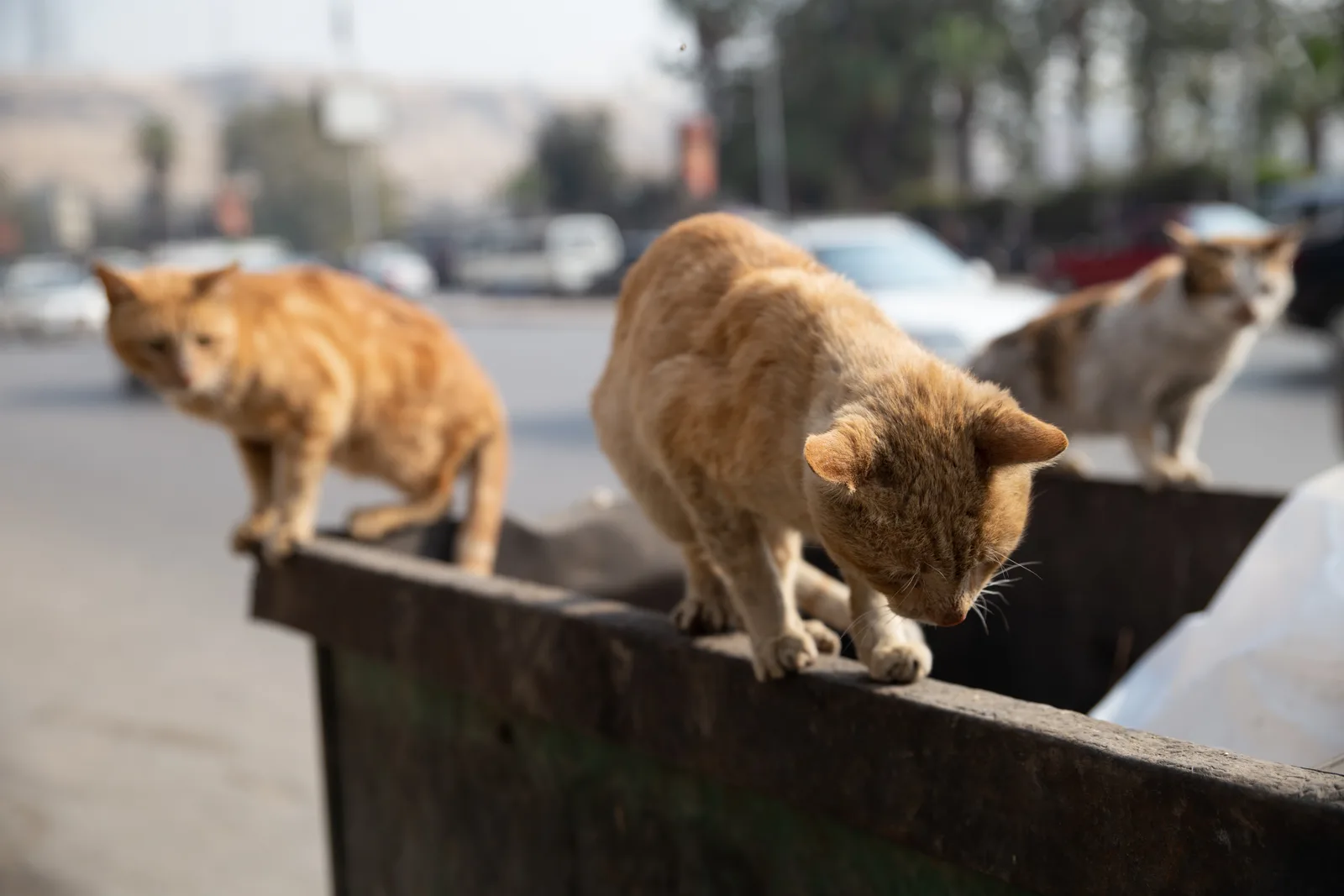
„Keda ghalat“ („Das ist falsch“): Tierquälerei ist seit 1937 eine Straftat nach dem ägyptischen Strafgesetzbuch
Ein Nachbar stellt vergiftete Näpfe neben die Schulmauer; ein Karrenbesitzer schlägt seinem Esel ins Gesicht, weil dieser eine zu schwere Last trägt. Viele glauben, „nur ein Tier“ bedeute, dass kein Gesetz es schützt. Tatsächlich stellen die Artikel 355, 356 und 357 des Strafgesetzbuchs Töten, Vergiften und Misshandeln von Tieren unter Strafe, bis hin zu Gefängnis. Am Vorabend des Welttierschutztages erklären wir, was das Gesetz sagt.
3. Oktober 2026 · 6 Min. Lesezeit
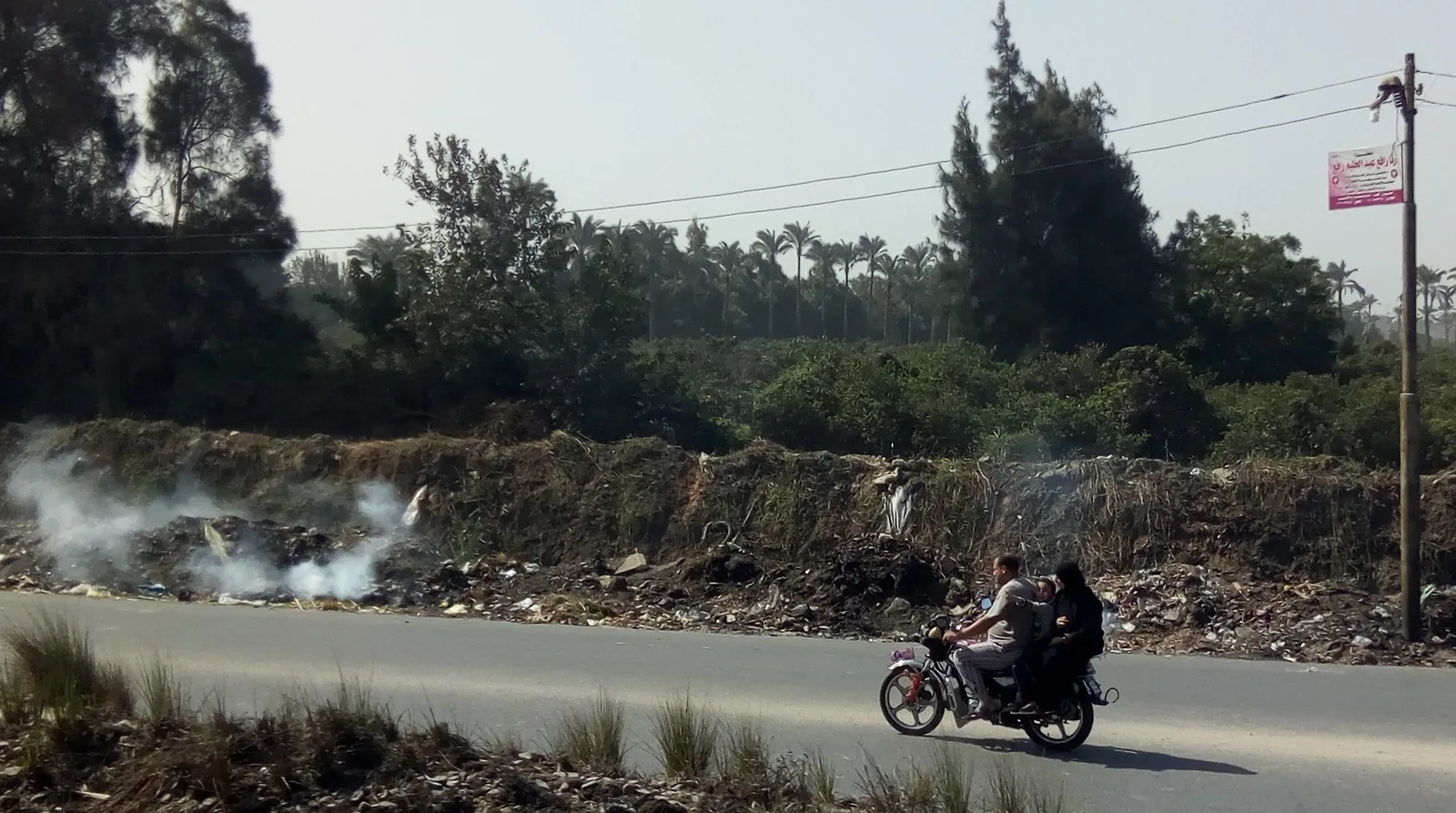
Vier auf einem Motorrad, keiner mit Helm: Der nackte Kopf ist das Teuerste, was eine Familie verlieren kann
In der zweiten Schulwoche wiederholt sich dieselbe Szene: der Vater am Lenker, ein Kind vorn, eines hinten, die Mutter mit den Taschen, kein einziger Helm. Presseberichte, gestützt auf CAPMAS, zeigen einen Anstieg der Toten von 190 auf 897 zwischen 2020 und 2024, während Cochrane belegt, dass der Helm das Sterberisiko um 42 Prozent senkt. Das Gesetz bestraft den nackten Kopf seit 1999, das Bußgeld stieg 2008. Warum halten wir uns nicht daran?
23. September 2026 · 8 Min. Lesezeit
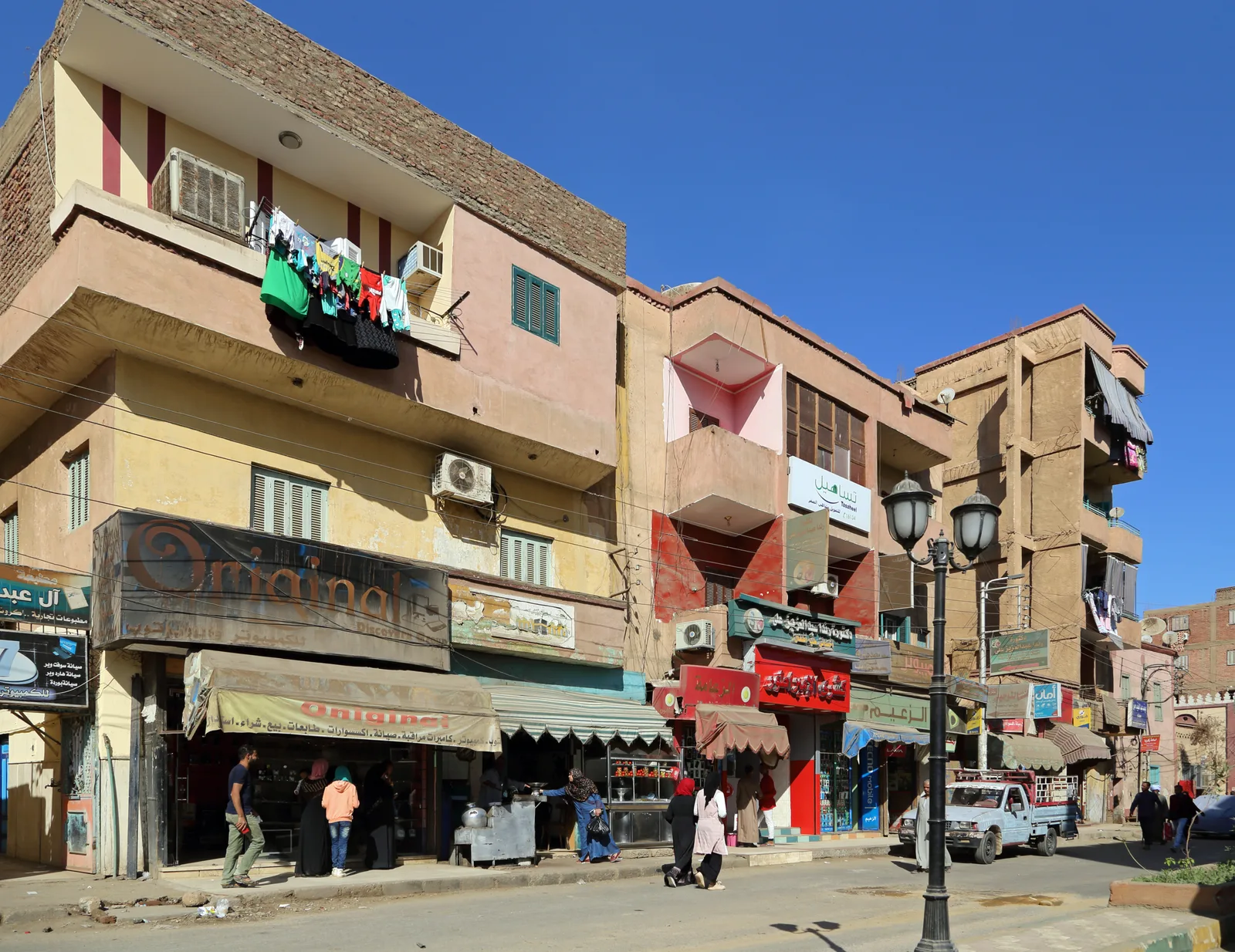
„Ein Kabelanzapf“ ist keine Cleverness: Stromdiebstahl ist ein Verbrechen, das die ganze Nachbarschaft bezahlt
Ein blankes Kabel hängt von einem Mast zu einem Balkon, eine Klimaanlage läuft über einen Zähler, der sich nie dreht, und eine Sicherung brennt zum dritten Mal durch und stürzt den zahlenden Nachbarn in Dunkelheit. Artikel 71 des Elektrizitätsgesetzes nennt dies unrechtmäßige Stromaneignung, geahndet mit Haft und Geldstrafe, während eine schärfere Novelle auf das Abgeordnetenhaus wartet. Was verliert eine Straße durch einen Anzapf?
14. September 2026 · 7 Min. Lesezeit