Die glühende Zigarettenkippe: Ein kleines Stück Glut genügt für die Katastrophe
Eine einzige Bewegung des Fingers: Die Zigarette fliegt aus dem Fenster oder landet noch brennend auf dem Gehweg, und wer sie geworfen hat, geht davon. Doch die Glut weiß nicht, dass sie »klein« ist. Auf trockenem Gras, neben einem Müllhaufen, nahe einem Kraftstoffleck – ein einziger Funke genügt, und die Katastrophe nimmt ihren Lauf. Sekunden der Achtlosigkeit können die Lebensgrundlage ganzer Familien verschlingen. So nicht.
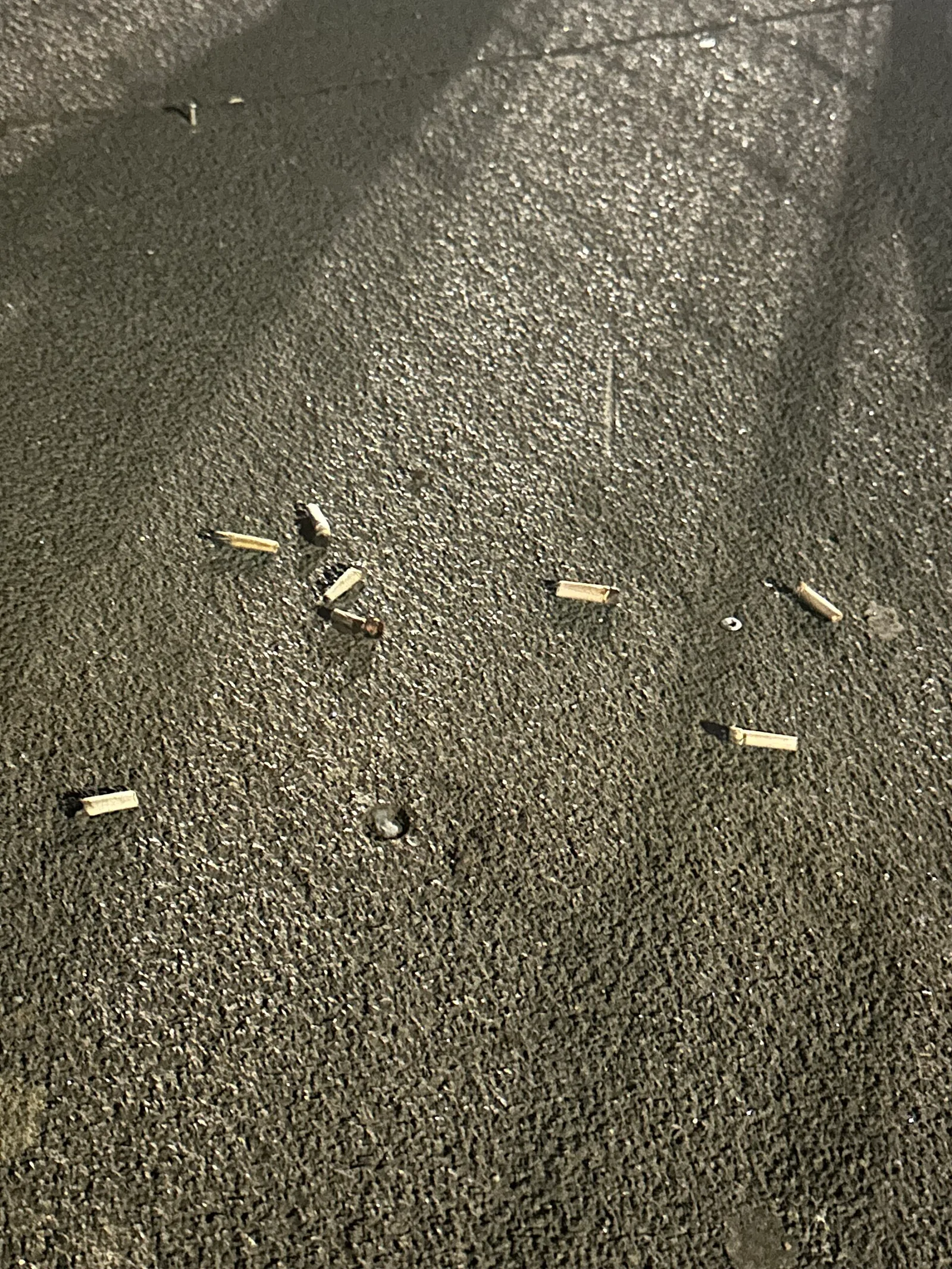
Es ist eine einzige Bewegung des Fingers, gedankenlos ausgeführt: ein letzter Zug an der Zigarette, dann ein Wurf aus dem Autofenster oder ein Fallenlassen auf den Gehweg – die Kippe noch brennend, Funken sprühend. Der Raucher geht seiner Wege, und die Glut bleibt allein auf dem Boden zurück und entscheidet über das Schicksal von allem, was sie umgibt.
Eine Glut weiß nicht, dass sie „klein“ ist. Feuer braucht nur drei Dinge, die sich auf unseren Straßen mühelos finden: Hitze, die die Glut liefert; brennbares Material; und ein wenig Luft. Trockenes Gras am Rand eines Feldwegs, ein Haufen Müll aus Papier und Pappe, Plastikabfälle, ein Fleck ausgelaufenen Kraftstoffs neben einer Tankstelle oder einer Werkstatt. Lauter Stoffe, die auf einen Funken warten – und der Funke kommt per Express aus dem Fenster eines vorbeifahrenden Autos.
Wie viele Brände haben genau so begonnen, mit einer Glut, die auszutreten sich ihr Besitzer nicht die Mühe machte? Wir müssen keine Einzelfälle erfinden: Die Berichte des Zivilschutzes in aller Welt führen achtlos weggeworfene Zigarettenkippen unter den wiederkehrenden Ursachen von Bränden in Betrieben der Landwirtschaft, in Lagerhallen und in Wohnhäusern. Das Muster ist bekannt und dokumentiert: eine Glut, trockenes Material, ein Windstoß – und dann ein Feuer, das derjenige, der es entfacht hat, nicht mehr löschen könnte, selbst wenn er es wollte.
Stellen Sie sich die Szene in ihrer einfachsten Form vor: Eine brennende Kippe fliegt auf einer Schnellstraße aus dem Autofenster, der Fahrtwind trägt sie ins Gesicht des Motorradfahrers dahinter, oder sie landet in einer Ladung Stroh auf einem Pritschenwagen. Oder eine Kippe fällt von einem Balkon auf die Stoffmarkise eines Ladens im Erdgeschoss, auf aufgehängte Wäsche oder auf den Nachbarbalkon, wo etwas Brennbares liegt. Keiner dieser Menschen hat sich dafür entschieden, an einem Spiel teilzunehmen, das ein anderer entzündet hat.
Und hier liegt der Kern des moralischen Vorwurfs, um den es uns vor allem geht: Wer eine glühende Kippe in einen gemeinsam genutzten Raum wirft, setzt Leben, Broterwerb und Eigentum anderer Menschen aufs Spiel, um drei Sekunden zu sparen – so lange dauert es, eine Zigarette auszudrücken, bevor man sie wegwirft. Selbst wenn nie etwas Feuer fängt, bleibt die Handlung eine Missachtung der Menschen, eine Provokation und eine Botschaft, die lautet: Ihre Sicherheit ist mir nicht einmal eine Fingerbewegung wert.
Auch die erloschene Kippe ist nicht ganz unschuldig: Sie ist Abfall, dessen Wegwerfen auf öffentlichen Wegen das ägyptische Gesetz über die öffentliche Sauberkeit Nr. 38 aus dem Jahr 1967 samt seinen Änderungen unter Strafe stellt, und sie gehört zu den weltweit am weitesten verbreiteten und am langsamsten verrottenden Abfällen auf der Straße. Die brennende Kippe jedoch verschiebt die Tat von der Kategorie des Schmutzes in die Kategorie der unmittelbaren Gefahr.
Das Paradoxe ist, dass die Lösung hier zu den billigsten und einfachsten überhaupt gehört. Der Raucher muss seine Zigarette nur vollständig löschen – indem er sie an einer harten Oberfläche ausdrückt oder mit etwas Wasser benetzt –, bevor er sie in einen Abfalleimer wirft. Wer im Auto raucht, hat dort einen Aschenbecher, der genau dafür gebaut wurde; wer auf dem Balkon sitzt, dem genügt ein kleiner Teller. Verlangt wird nicht, dass jemand mit dem Rauchen aufhört; verlangt wird nur, dass Ihre Zigarette nicht zum Brandgeschoss wird.
Was wird vom Bürger verlangt? Erst ausdrücken, dann wegwerfen – immer und ohne Ausnahme, auch wenn die Glut scheinbar von selbst gleich erlischt. Und bringen Sie den Rauchern in Ihrer Familie bei – wenn Sie sie schon nicht zum Aufhören bewegen können –, dass genau diese Bewegung eine rote Linie ist. Und wer sieht, wie jemand eine Glut aus dem Fenster schnippt, der sage es ihm: „So geht das nicht.“
Und was wird vom Staat und von öffentlich zugänglichen Einrichtungen verlangt? Metallene Ascheimer und Sandbehälter an den Eingängen von Wohnhäusern, Cafés und Verkehrsstationen, damit kein Raucher das Fehlen eines geeigneten Ortes vorschieben kann. Aufklärungskampagnen, die den direkten Zusammenhang zwischen der brennenden Kippe und dem Brand herstellen, denn viele tun es aus echter Unkenntnis der Folgen und nicht aus Rücksichtslosigkeit. Und dann die Durchsetzung der bestehenden Bußgelder gegenüber denen, die darauf beharren.
Die Glut einer Zigarette ist das Kleinste, was eine Hand tragen kann – und sie kann der erste Faden des größten Verlustes sein, den eine ganze Straße je erlebt hat. Zwischen beidem liegen drei Sekunden Aufmerksamkeit, mehr nicht. Wer sie seinen Nachbarn und den Passanten nicht gönnt, dem sagen wir es ohne Zögern: „So geht das nicht.“
Verwandte Artikel
„Keda ghalat“ („Das ist falsch“): Tierquälerei ist seit 1937 eine Straftat nach dem ägyptischen Strafgesetzbuch
Ein Nachbar stellt vergiftete Näpfe neben die Schulmauer; ein Karrenbesitzer schlägt seinem Esel ins Gesicht, weil dieser eine zu schwere Last trägt. Viele glauben, „nur ein Tier“ bedeute, dass kein Gesetz es schützt. Tatsächlich stellen die Artikel 355, 356 und 357 des Strafgesetzbuchs Töten, Vergiften und Misshandeln von Tieren unter Strafe, bis hin zu Gefängnis. Am Vorabend des Welttierschutztages erklären wir, was das Gesetz sagt.
3. Oktober 2026 · 6 Min. Lesezeit
Vier auf einem Motorrad, keiner mit Helm: Der nackte Kopf ist das Teuerste, was eine Familie verlieren kann
In der zweiten Schulwoche wiederholt sich dieselbe Szene: der Vater am Lenker, ein Kind vorn, eines hinten, die Mutter mit den Taschen, kein einziger Helm. Presseberichte, gestützt auf CAPMAS, zeigen einen Anstieg der Toten von 190 auf 897 zwischen 2020 und 2024, während Cochrane belegt, dass der Helm das Sterberisiko um 42 Prozent senkt. Das Gesetz bestraft den nackten Kopf seit 1999, das Bußgeld stieg 2008. Warum halten wir uns nicht daran?
23. September 2026 · 8 Min. Lesezeit
„Ein Kabelanzapf“ ist keine Cleverness: Stromdiebstahl ist ein Verbrechen, das die ganze Nachbarschaft bezahlt
Ein blankes Kabel hängt von einem Mast zu einem Balkon, eine Klimaanlage läuft über einen Zähler, der sich nie dreht, und eine Sicherung brennt zum dritten Mal durch und stürzt den zahlenden Nachbarn in Dunkelheit. Artikel 71 des Elektrizitätsgesetzes nennt dies unrechtmäßige Stromaneignung, geahndet mit Haft und Geldstrafe, während eine schärfere Novelle auf das Abgeordnetenhaus wartet. Was verliert eine Straße durch einen Anzapf?
14. September 2026 · 7 Min. Lesezeit