Müll aus dem Autofenster: Sekunden der Faulheit, die ein Leben kosten können
Ein Fenster öffnet sich, eine Hand streckt sich heraus, eine Tüte fällt auf den Asphalt, und der Wagen fährt weiter. Eine Szene, die sich Tag für Tag auf unseren Straßen wiederholt – aus bescheidenen Autos ebenso wie aus Luxuskarossen. Bevor es eine Ordnungswidrigkeit ist, ist es eine Botschaft der Verachtung an jeden, der auf der Straße unterwegs ist – und eine Falle, auf der ein Passant ausrutschen und mit dem Leben bezahlen kann. So nicht.
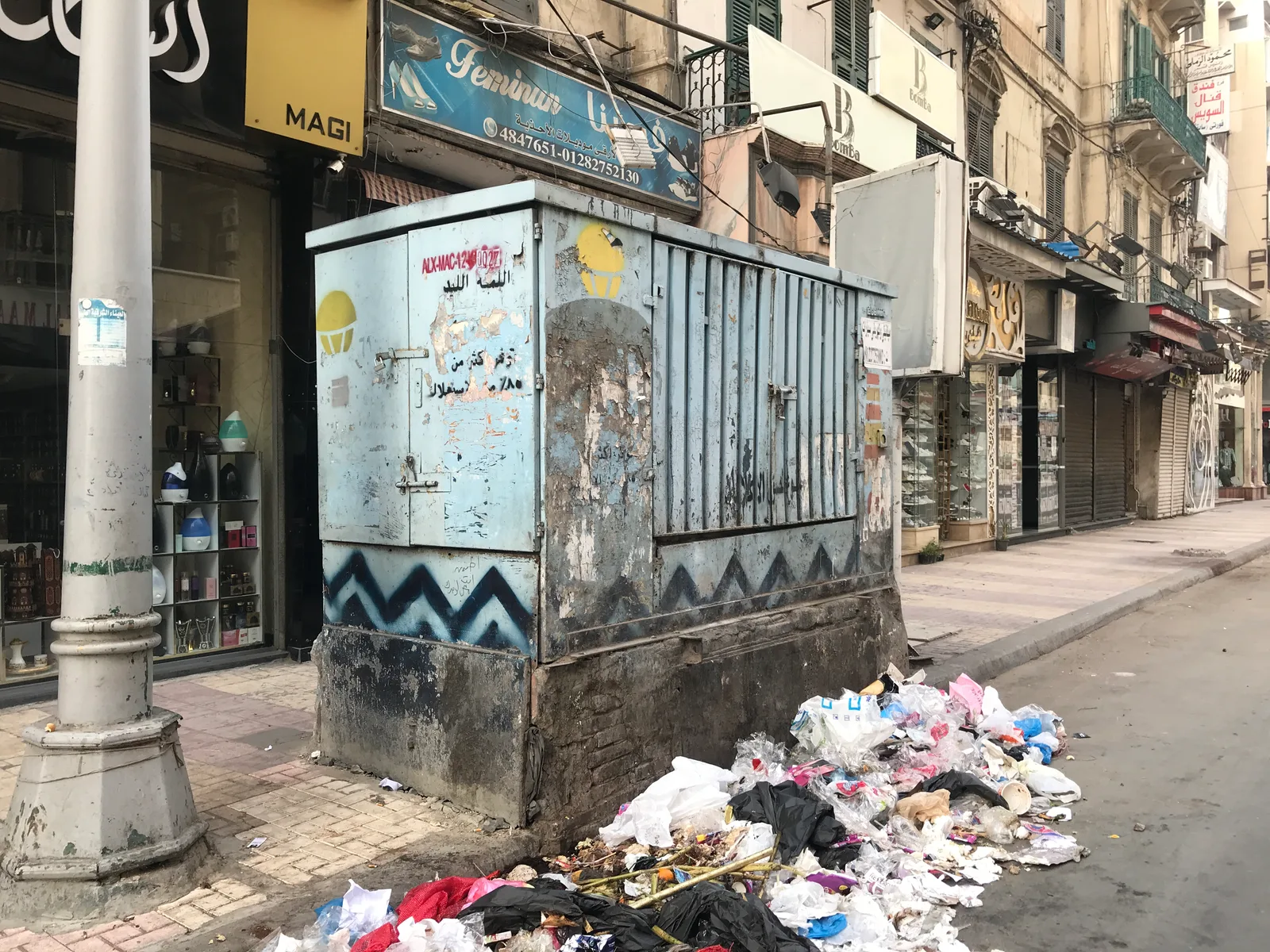
Die Szene braucht keine lange Beschreibung, denn wir sehen sie jeden Tag: Ein Auto fährt die Straße entlang, ein Fenster geht auf, eine Hand streckt sich heraus, mit einer Tüte, einer Flasche oder Essensresten, und alles fällt auf den Asphalt, während der Wagen weiterfährt, als wäre nichts gewesen. Für den Besitzer dieser Hand ist die Straße ein großer Mülleimer, und die Straßenkehrer sind dazu da, aufzuheben, was er wegwirft.
Sagen wir es gleich in der ersten Zeile deutlich: Der Luxus des Autos ist keine Entschuldigung. Wie oft haben wir gesehen, wie die Tüte aus der getönten Scheibe eines Wagens flog, der so viel kostet wie eine Wohnung? Niveau ist keine Marke und kein Baujahr; Niveau ist Verhalten. Wer seinen Abfall aus dem Autofenster wirft, stellt sich selbst auf denkbar deutlichste Weise vor – ganz gleich, was er fährt.
Das Vergehen ist hier ein moralisches, bevor es ein juristisches ist. Die Straße ist gemeinsames Eigentum aller, die sie benutzen: des Fußgängers, des Beifahrers, des Händlers, des Kindes auf dem Heimweg von der Schule. Wer seinen Müll dort abwirft, sagt ihnen allen praktisch: Meine Bequemlichkeit zählt mehr als all diese Menschen, und die Sauberkeit meines Wageninneren ist es wert, dass ihre Straße schmutzig wird. Das ist Beleidigung, Provokation und Schaden – selbst wenn aus der Tat sonst überhaupt nichts folgt.
Das Schlimme aber ist, dass aus der Tat weit mehr folgen kann als bloße Hässlichkeit. Stellen Sie sich einen Schüler vor, der morgens zur Schule geht und am Rand der Fahrbahn läuft, weil der Gehweg zugestellt ist, und der auf eine Obstschale oder eine nasse Tüte tritt, die Minuten zuvor aus dem Fenster eines vorbeifahrenden Autos geworfen wurde. Er rutscht aus, verliert das Gleichgewicht und stürzt in den fließenden Verkehr. In einer einzigen Sekunde wird aus der Trägheit eines Menschen, der es nicht ertrug, eine Tüte bis zum nächsten Mülleimer im Auto zu behalten, eine Tragödie, die eine ganze Familie zerstört.
Wir müssen die Tragödie nicht abwarten, um die Tat zu beurteilen. Selbst im besten Fall, wenn niemand ausrutscht und niemand zu Schaden kommt, bleibt es unmoralisch, unzivilisiert und für jeden, der es sieht, eine Provokation, Abfall aus dem Auto zu werfen. Das Hässliche liegt in der Tat selbst, nicht nur in ihren Folgen.
Und eine einzelne Tüte bleibt nie allein. Die erste Tüte am Straßenrand ist eine offene Einladung für die zweite und die dritte, bis der Seitenstreifen zur kleinen Müllkippe wird: Tüten fliegen den Fahrern ins Gesicht, verstopfen die Regenabläufe und landen am Ende in den Bewässerungs- und Entwässerungskanälen. Die schlechte Gewohnheit schafft sich ihre Umgebung selbst – ein schmutziger Ort lädt dazu ein, ihn noch weiter zu verschmutzen.
Auch das Gesetz hat hier ein Wort mitzureden, auch wenn wir es bewusst an zweiter Stelle nennen. Müll auf öffentlicher Straße wegzuwerfen ist ein Verstoß, der nach dem ägyptischen Gesetz über die öffentliche Sauberkeit Nr. 38 von 1967 und seinen Änderungen geahndet wird. Der Text existiert seit Jahrzehnten; was fehlt, ist die konsequente Anwendung, die jeden, der schon die Hand am Fensterheber hat, zweimal nachdenken lässt.
Und es gibt ein Argument, das immer griffbereit liegt: „Wozu gibt es denn die Straßenkehrer?“ Die Antwort ist einfach: Dass jemand die Straße kehrt, ist keine Erlaubnis, sie zu beschmutzen – genauso wenig, wie die Existenz von Ärzten eine Einladung ist, Menschen zu verletzen. Der Straßenkehrer verdient es, dass wir seine Arbeit achten und sie nicht sinnlos vervielfachen, dass wir ihm seine Würde lassen und ihn nicht wie einen Besen behandeln, der hinter unseren Fenstern herläuft.
Was wird vom Bürger verlangt? Etwas fast schon lächerlich Einfaches: eine kleine Tüte im Auto, in der der Müll bis zum nächsten Papierkorb gesammelt wird. Das ist alles. Und wenn Sie es beobachten, sagen Sie es höflich und bestimmt, und sei es nur mit einem Blick: „So geht das nicht.“ Wer weiß, dass die Leute ihn sehen und seine Tat missbilligen, ändert sich sehr viel schneller als jemand, dessen Verhalten unkommentiert bleibt.
Und was wird vom Staat verlangt? Genügend Abfallbehälter, mit Verstand über Straßen und Plätze verteilt; eine wirkliche Durchsetzung der ohnehin vorgesehenen Bußgelder, damit der Bescheid den Fahrzeughalter ebenso erreicht wie ein Bußgeld wegen zu schnellen Fahrens; und die Nutzung der bereits vorhandenen Verkehrskameras, um dieses Verhalten zu erfassen, wo immer es möglich ist. Ein Gesetz, das nicht angewandt wird, verkommt zu einem guten Rat.
Die Straße ist ein Spiegel derer, die auf ihr unterwegs sind. Wenn die Tüte aus dem Fenster fliegt, fällt nicht nur sie auf den Asphalt; mit ihr fällt ein Stück vom Bild der Stadt und vom Bild ihrer Menschen. „So geht das nicht“ – und wir werden es so lange sagen, bis der Anblick der Hand, die mit einer Tüte aus dem Fenster greift, ein Bild aus der Vergangenheit ist.
Verwandte Artikel

„Keda ghalat“ („Das ist falsch“): Tierquälerei ist seit 1937 eine Straftat nach dem ägyptischen Strafgesetzbuch
Ein Nachbar stellt vergiftete Näpfe neben die Schulmauer; ein Karrenbesitzer schlägt seinem Esel ins Gesicht, weil dieser eine zu schwere Last trägt. Viele glauben, „nur ein Tier“ bedeute, dass kein Gesetz es schützt. Tatsächlich stellen die Artikel 355, 356 und 357 des Strafgesetzbuchs Töten, Vergiften und Misshandeln von Tieren unter Strafe, bis hin zu Gefängnis. Am Vorabend des Welttierschutztages erklären wir, was das Gesetz sagt.
3. Oktober 2026 · 6 Min. Lesezeit
Vier auf einem Motorrad, keiner mit Helm: Der nackte Kopf ist das Teuerste, was eine Familie verlieren kann
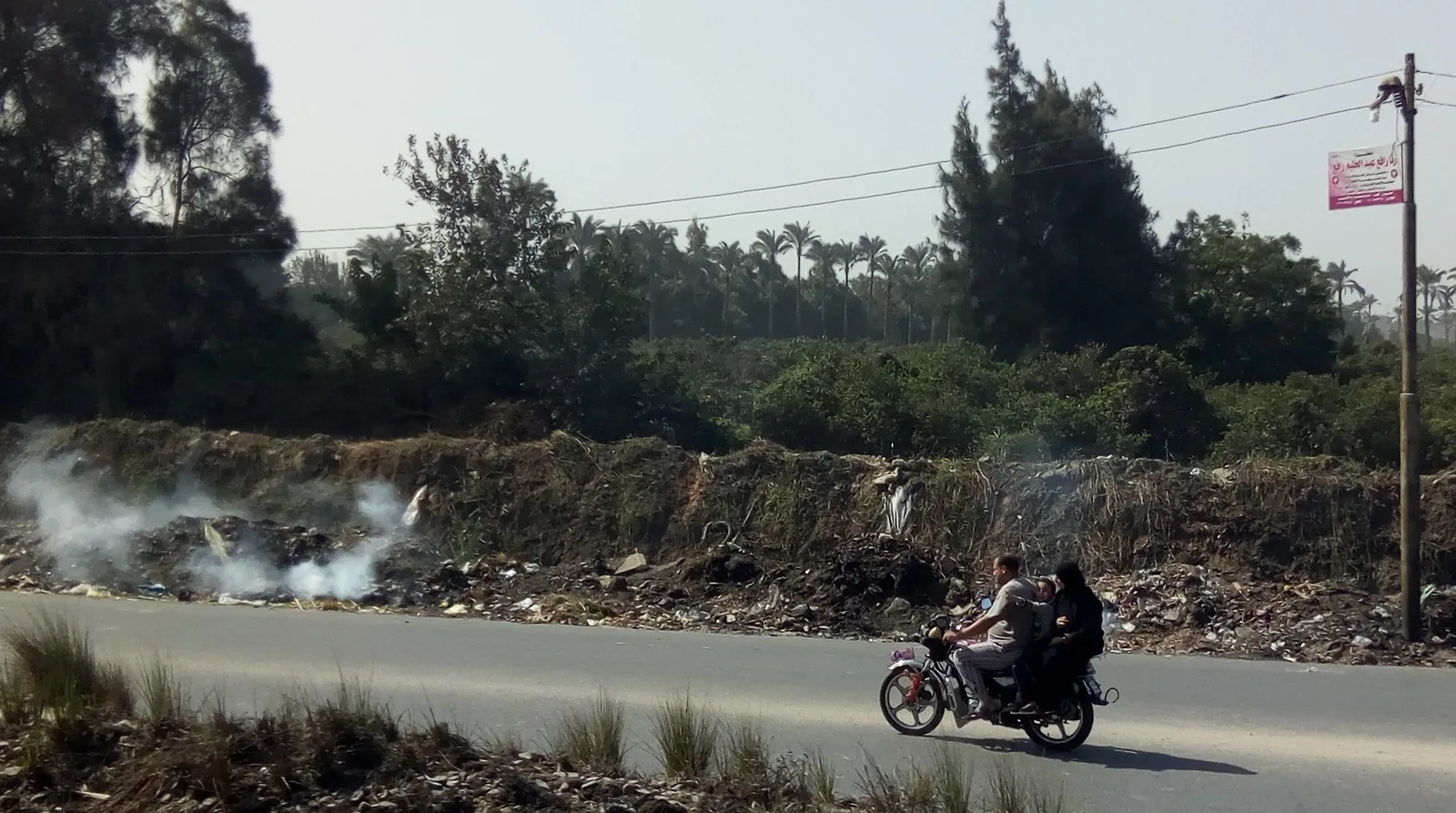
In der zweiten Schulwoche wiederholt sich dieselbe Szene: der Vater am Lenker, ein Kind vorn, eines hinten, die Mutter mit den Taschen, kein einziger Helm. Presseberichte, gestützt auf CAPMAS, zeigen einen Anstieg der Toten von 190 auf 897 zwischen 2020 und 2024, während Cochrane belegt, dass der Helm das Sterberisiko um 42 Prozent senkt. Das Gesetz bestraft den nackten Kopf seit 1999, das Bußgeld stieg 2008. Warum halten wir uns nicht daran?
23. September 2026 · 8 Min. Lesezeit

„Ein Kabelanzapf“ ist keine Cleverness: Stromdiebstahl ist ein Verbrechen, das die ganze Nachbarschaft bezahlt
Ein blankes Kabel hängt von einem Mast zu einem Balkon, eine Klimaanlage läuft über einen Zähler, der sich nie dreht, und eine Sicherung brennt zum dritten Mal durch und stürzt den zahlenden Nachbarn in Dunkelheit. Artikel 71 des Elektrizitätsgesetzes nennt dies unrechtmäßige Stromaneignung, geahndet mit Haft und Geldstrafe, während eine schärfere Novelle auf das Abgeordnetenhaus wartet. Was verliert eine Straße durch einen Anzapf?
14. September 2026 · 7 Min. Lesezeit