Der Nil ist keine Müllkippe: Wer die Lebensader vergiftet, trifft den ganzen Körper
Der Strom, auf dem Ägypten seit Anbeginn der Geschichte gründet, wird von manchen wie ein offener Abwasserkanal behandelt: Tüten fliegen von den Brücken, Abfälle werden ins Wasser gekippt, Müll bleibt an den Ufern liegen. Wer etwas in den Nil wirft, verschandelt nicht bloß eine »Aussicht« – er verschmutzt das Trinkwasser von Millionen Ägyptern flussabwärts. Und das Gesetz stellt genau das ausdrücklich unter Strafe. So nicht.
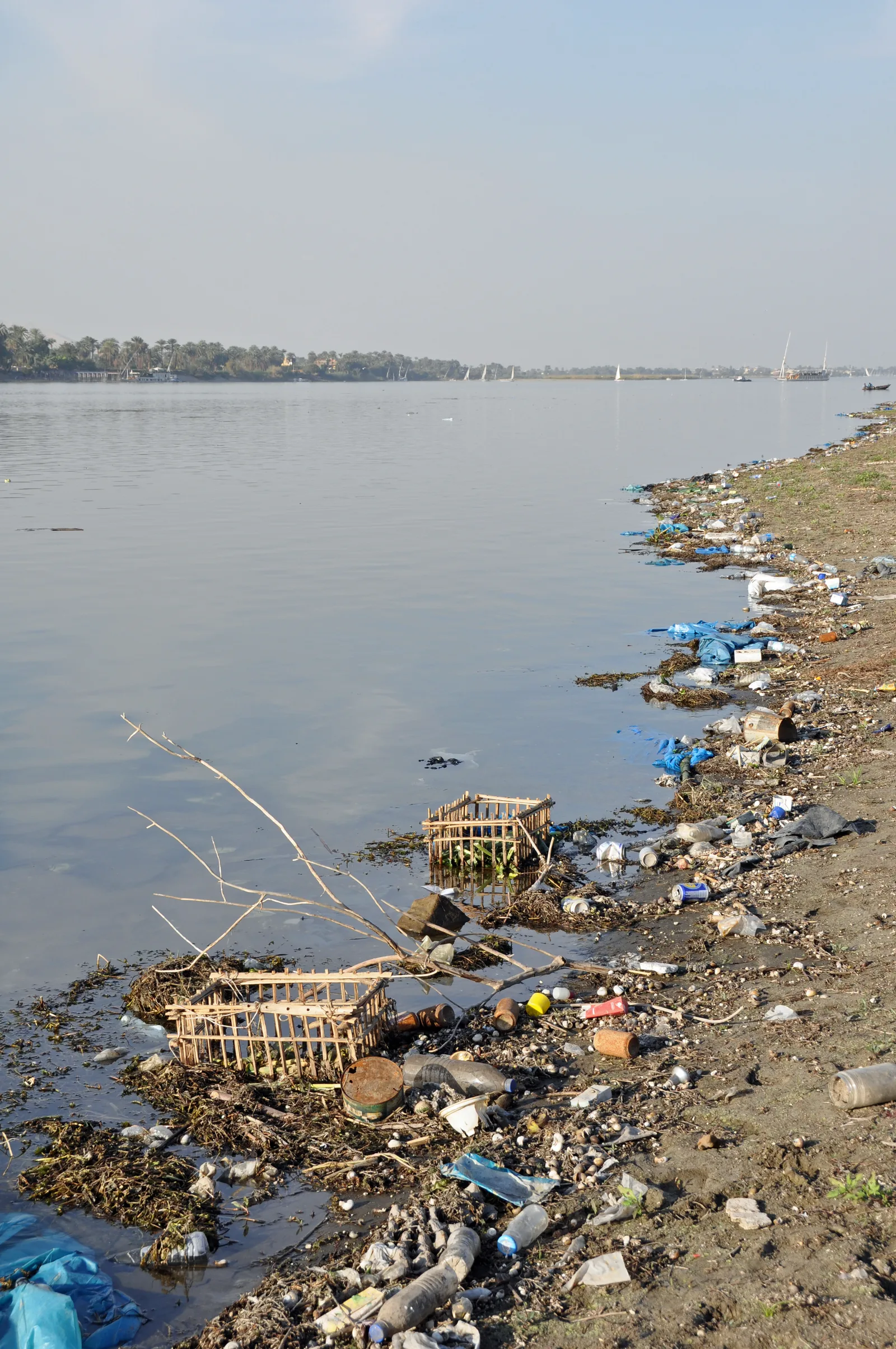
Erinnern wir uns zunächst daran, was dieser Fluss ist. Der Nil ist keine Touristenattraktion und keine Kulisse für Sonnenuntergangsfotos; er ist der Grund, warum es Ägypten überhaupt gibt. An seinen beiden Ufern entstand eine der ältesten Zivilisationen der Welt, und aus ihm trinken, bewässern und leben die Ägypter seit Jahrtausenden. Der griechische Historiker Herodot schrieb einst, Ägypten sei ein Geschenk des Nils, und der Satz ist bis heute wörtlich wahr: ein Land, das größtenteils Wüste ist, eine einzige Wasserader, die mitten hindurchfließt, und darauf ruht alles.
Und nun sehen Sie, wie manche von uns mit dieser Ader umgehen. Ein Müllsack, mit einer Handbewegung von keiner Sekunde von einer Brücke geworfen. Abfälle, die im Schutz der Nacht an den Ufern abgeladen werden. Flaschen und Plastiktüten, die nach einem Ausflugstag am Ufer zurückbleiben, damit das Wasser sie forttrage. Abwässer, die ihren Weg in den Strom oder in die mit ihm verbundenen Kanäle und Entwässerungsgräben finden. Jeder Einzelne sagt sich, seine Tat sei klein und der Fluss groß – und das Ergebnis ist, dass sich Millionen „kleiner Taten“ in ein und demselben Wasser sammeln.
Und hier liegt die Tatsache, die das Verschmutzen des Nils von jeder anderen Müllablagerung unterscheidet: Der Fluss fließt. Was Sie an einer Stelle ins Wasser werfen, bleibt nicht dort; es zieht weiter zu denen, die nach Ihnen kommen. Die Trinkwasserwerke entnehmen genau diesem Strom ihr Wasser, die Felder werden daraus bewässert, der Fischer wirft darin sein Netz aus. Wer den Nil verschmutzt, vergreift sich nicht an einem „schönen Anblick“, sondern greift praktisch in das Wasserglas im Haus eines Menschen, den er nicht kennt, und in den Teller, dessen Inhalt mit diesem Wasser angebaut wird.
Deshalb ist das Vergehen hier vor allem ein moralisches, bevor es ein juristisches ist. Müll in den Nil zu werfen ist ein stiller Übergriff auf jeden Ägypter, der flussabwärts von Ihnen lebt – ein Übergriff, bei dem der Täter seine Opfer nie sieht und die Opfer ihn nicht sehen, der aber zweifellos wirklich ist. Und er ist obendrein eine Beleidigung und eine Provokation für jeden, der ein Ufer sieht, das zur Müllkippe geworden ist: Das ist unser aller Fluss – wer hat Ihnen das Recht gegeben, ihn zu entstellen?
Der Kunststoff ist dabei ein Feind eigener Art. Die Tüte, deren Wegwerfen eine Sekunde dauert, bleibt viele Jahre im Gewässer, zerfällt in immer kleinere Teile und wird von den Fischen verschluckt, die auf unseren Tellern landen. Die Verschmutzung von heute endet nicht heute; sie ist ein giftiges Pfand, das wir unseren Kindern im Fluss hinterlassen.
Auch das Gesetz hat hier ein klares und altes Wort. Das Gesetz Nr. 48 von 1982 zum Schutz des Nils und der Wasserwege vor Verschmutzung verbietet es, feste oder flüssige Abfälle in den Fluss, seine Arme, die Kanäle und die Entwässerungsgräben einzuleiten, außer mit Genehmigung und nach festgelegten Normen; das Umweltgesetz Nr. 4 von 1994 samt seinen Änderungen verschärft diesen Schutz und sieht Strafen vor. Die Texte gibt es seit Jahrzehnten; nötig ist, dass sie aus Texten zu einer Wirklichkeit werden, die jeder zu sehen bekommt, der den Fluss für einen Abwasserkanal zu halten wagt.
Und seien wir fair: Nicht jede Form der Verschmutzung ist das Werk Einzelner. Ungeklärte Abwässer sowie Industrie- und Agrarabfälle sind Aufgaben, die weit größer sind als das Verhalten eines einzelnen Bürgers; die Verantwortung dafür liegt zuerst bei den staatlichen Stellen und den Betrieben, und Ägyptens Engagement für Kläranlagen und für die Auskleidung der Bewässerungskanäle sind Schritte in die richtige Richtung, auf denen sich aufbauen lässt. Doch das entlastet den Einzelnen nicht: Die Tüte, die Sie von der Brücke werfen, trägt die Unterschrift keiner Behörde. Jeder wird nach seiner eigenen Hand gefragt.
Was wird vom Bürger verlangt? Dass nichts aus Ihrer Hand in den Nil gelangt oder in einen Kanal oder Graben, der mit ihm verbunden ist: keine Tüte, keine Flasche, keine Picknickreste, keine Schlachtabfälle. Wenn Sie sich ans Ufer setzen, verlassen Sie es so, wie Sie es vorgefunden haben – oder sauberer. Und wenn Sie jemanden sehen, der seinen Abfall ins Wasser wirft, gehen Sie nicht einfach weiter: ein ruhiges, festes Wort – und eine Meldung an die zuständigen Behörden, wenn die Tat schwer wiegt. So geht das nicht.
Und was wird von den Bootsbesitzern und den Betrieben auf dem Nil verlangt? Abfallbehälter auf jedem Boot und die Verpflichtung, sie an Land zu entleeren und nicht ins Wasser. Der Nil ist Ihre Lebensgrundlage noch vor der aller anderen, und es ist widersinnig, wenn das Geschäft auf dem Fluss den Fluss tötet, von dem es lebt.
Und was wird vom Staat verlangt? Eine wirkliche Durchsetzung der Gesetze 48 von 1982 und 4 von 1994 gegenüber den Verschmutzern, Einzelpersonen wie Betrieben; die Fortsetzung und Ausweitung der Abwasserprojekte; genügend Abfallbehälter an den Uferpromenaden und Böschungen, damit das richtige Verhalten leichter fällt als das falsche; und Unterstützung für die Initiativen zur Reinigung des Flusses sowie Schutz für ihre Freiwilligen.
Eine ganze Nation lebt von einer einzigen Ader. Das ist keine rhetorische Floskel, sondern eine genaue geografische Beschreibung Ägyptens. Und wer diese Ader ersticht – mit einer Tüte, einem Abwasserrohr oder einer Ladung Müll –, ersticht den ganzen Körper, und zuallererst die eigenen Kinder. Der Nil hat uns alles gegeben; ihm gegenüber stehen wir in der Pflicht, ihn zu schützen. Und wer ihn im Stich lässt, dem sagen wir es mit der Stimme des Flusses selbst, hätte er eine: So geht das nicht.
Verwandte Artikel
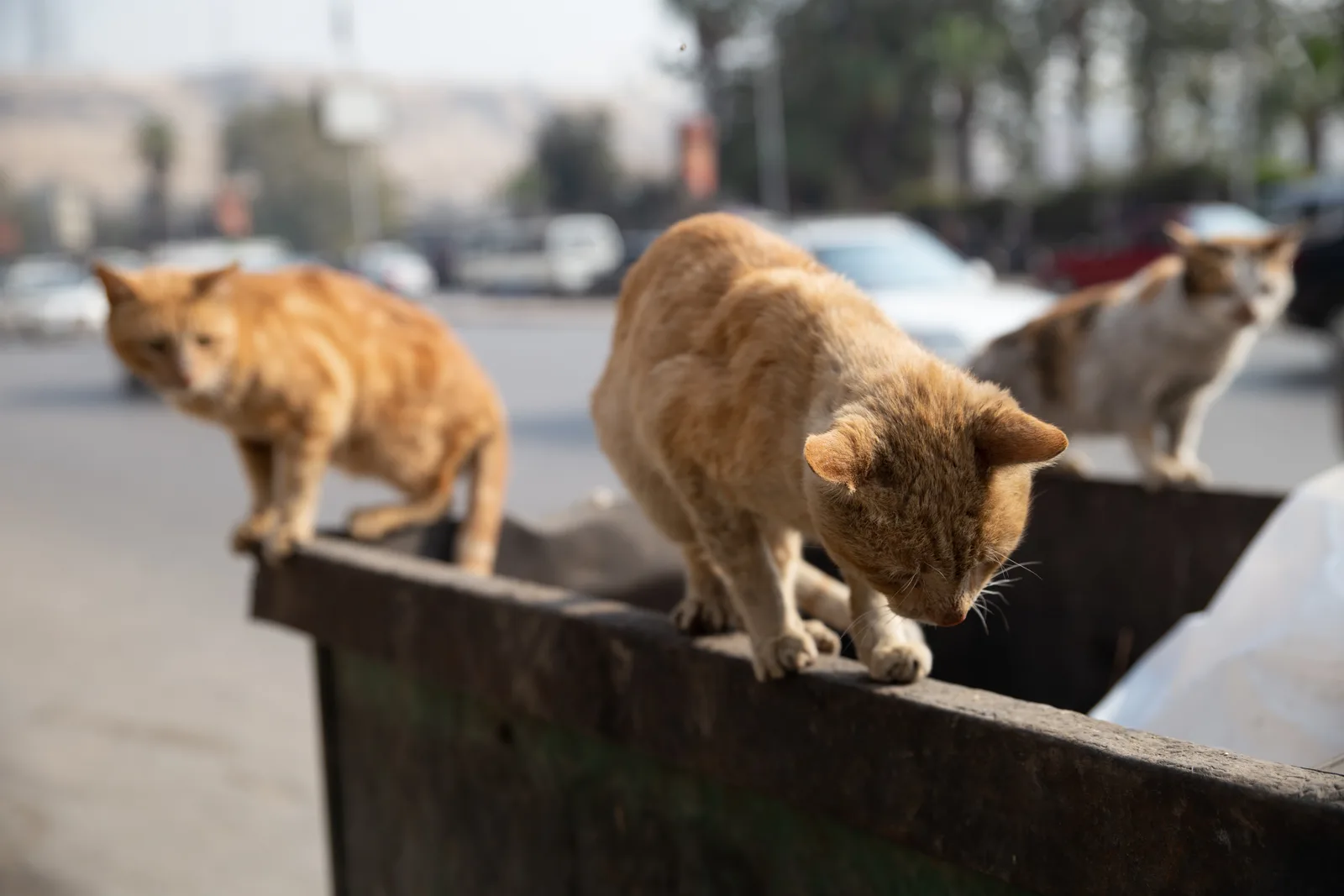
„Keda ghalat“ („Das ist falsch“): Tierquälerei ist seit 1937 eine Straftat nach dem ägyptischen Strafgesetzbuch
Ein Nachbar stellt vergiftete Näpfe neben die Schulmauer; ein Karrenbesitzer schlägt seinem Esel ins Gesicht, weil dieser eine zu schwere Last trägt. Viele glauben, „nur ein Tier“ bedeute, dass kein Gesetz es schützt. Tatsächlich stellen die Artikel 355, 356 und 357 des Strafgesetzbuchs Töten, Vergiften und Misshandeln von Tieren unter Strafe, bis hin zu Gefängnis. Am Vorabend des Welttierschutztages erklären wir, was das Gesetz sagt.
3. Oktober 2026 · 6 Min. Lesezeit
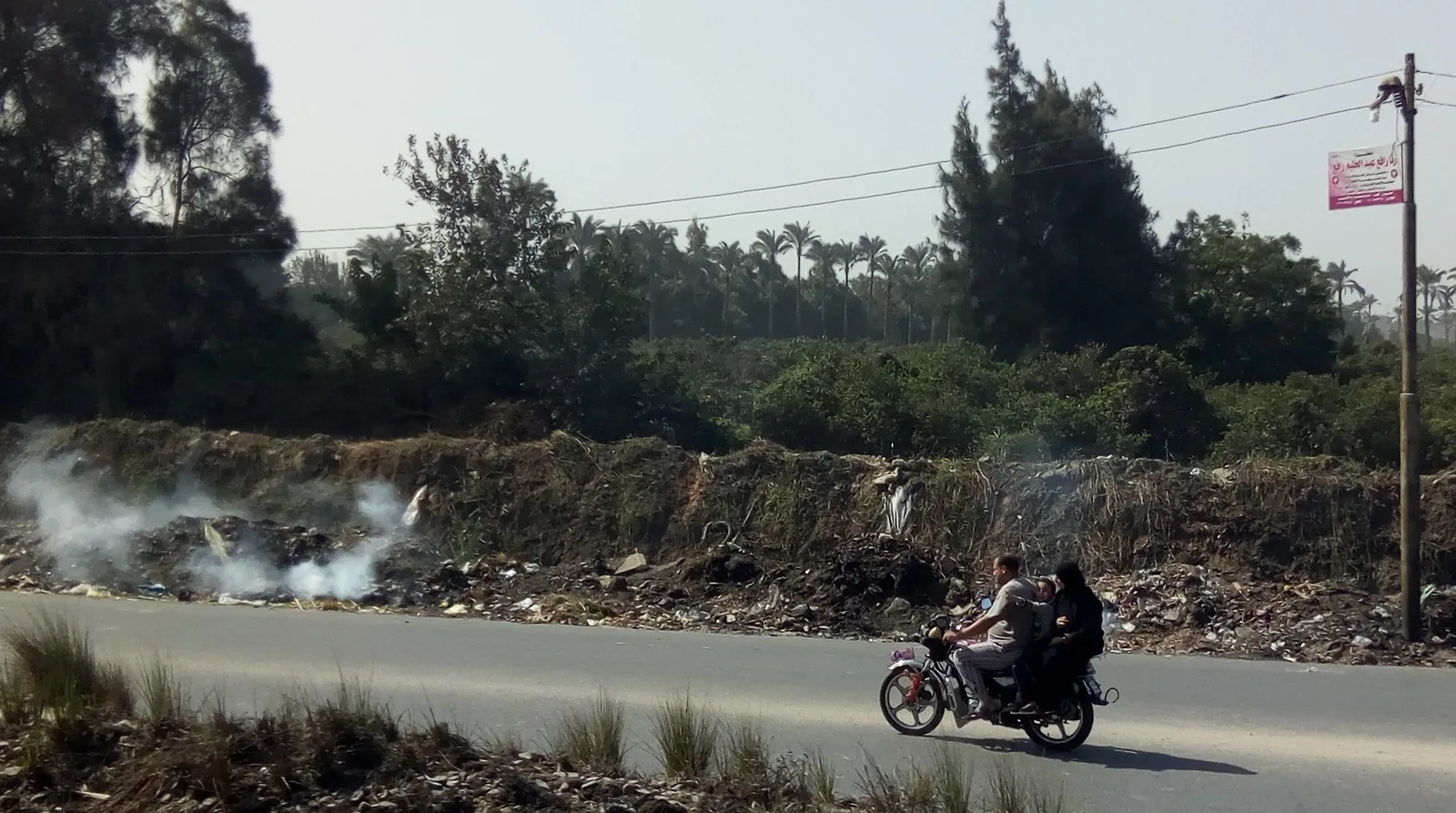
Vier auf einem Motorrad, keiner mit Helm: Der nackte Kopf ist das Teuerste, was eine Familie verlieren kann
In der zweiten Schulwoche wiederholt sich dieselbe Szene: der Vater am Lenker, ein Kind vorn, eines hinten, die Mutter mit den Taschen, kein einziger Helm. Presseberichte, gestützt auf CAPMAS, zeigen einen Anstieg der Toten von 190 auf 897 zwischen 2020 und 2024, während Cochrane belegt, dass der Helm das Sterberisiko um 42 Prozent senkt. Das Gesetz bestraft den nackten Kopf seit 1999, das Bußgeld stieg 2008. Warum halten wir uns nicht daran?
23. September 2026 · 8 Min. Lesezeit
„Ein Kabelanzapf“ ist keine Cleverness: Stromdiebstahl ist ein Verbrechen, das die ganze Nachbarschaft bezahlt
Ein blankes Kabel hängt von einem Mast zu einem Balkon, eine Klimaanlage läuft über einen Zähler, der sich nie dreht, und eine Sicherung brennt zum dritten Mal durch und stürzt den zahlenden Nachbarn in Dunkelheit. Artikel 71 des Elektrizitätsgesetzes nennt dies unrechtmäßige Stromaneignung, geahndet mit Haft und Geldstrafe, während eine schärfere Novelle auf das Abgeordnetenhaus wartet. Was verliert eine Straße durch einen Anzapf?
14. September 2026 · 7 Min. Lesezeit