Der Gehweg ist ein Recht des Bürgers: Kioske, die Fußgänger in den tödlichen Strom der Fahrbahn drängen
Eine Mutter schiebt ihren Kinderwagen zwischen fahrenden Autos, ein alter Mann tastet sich an den Mikrobussen entlang – weil der Gehweg, der für sie gebaut wurde, von einem Kiosk, von Getränkekühlschränken und ausgelegter Ware verschluckt worden ist. Ein Kiosk auf dem Gehweg – und sei er noch so lizenziert – beschlagnahmt einen Weg, der für die Menschen gebaut wurde, und drängt sie auf die Fahrbahn. So nicht: Der Gehweg ist keine Immobilie zur Vermietung, sondern eine Sicherheitsader für jeden Bürger.
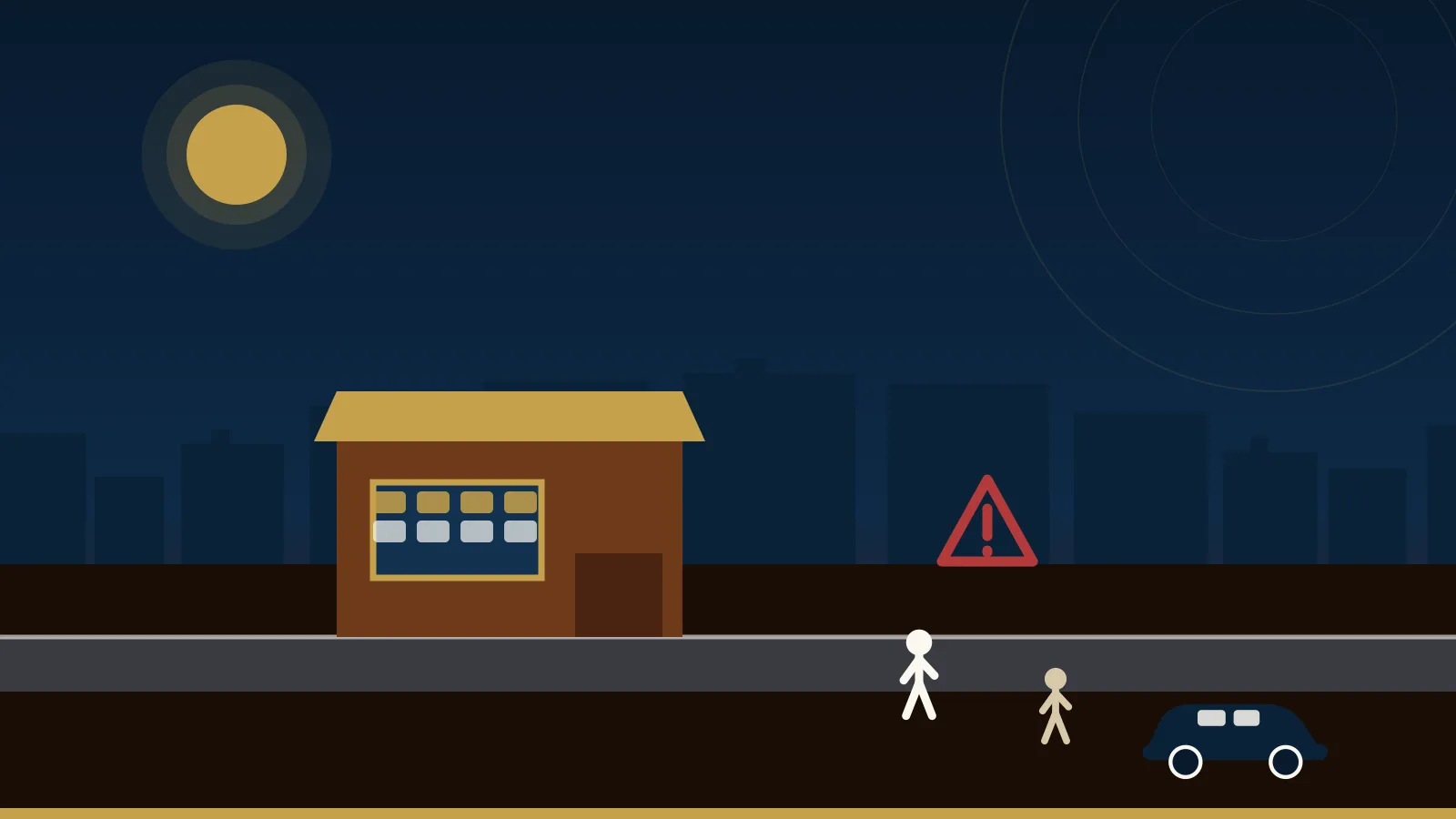
Versuchen Sie einmal, in einer beliebigen ägyptischen Stadt eine Hauptstraße von einem Ende zum anderen auf dem Gehweg abzulaufen, ohne ein einziges Mal auf die Fahrbahn hinuntersteigen zu müssen. In vielen Vierteln werden Sie schon vor den ersten hundert Metern scheitern: ein Kiosk für Zigaretten und Limonade, der sich zu einem regelrechten Laden ausgewachsen hat, Kühlschränke und Warenkisten, Markisen und Stühle – bis den Passanten nur noch ein schmaler Streifen bleibt oder überhaupt nichts. Das Ergebnis ist ein alltägliches Bild, das uns so vertraut geworden ist, dass wir seine Ungeheuerlichkeit vergessen haben: Menschen, die zwischen Autos gehen, weil der für sie bestimmte Weg besetzt ist.
Sagen wir es, wie es ist: Das ist kein ästhetisches Detail und keine bloße Frage des „zivilisierten Erscheinungsbilds“, sondern eine Frage der Sicherheit und des Lebens. Wer als Fußgänger auf die Fahrbahn ausweicht, steht Autos und Motorrädern unmittelbar gegenüber, und die Schwächsten trifft es am härtesten: das Kind auf dem Schulweg, die Mutter mit dem Kinderwagen, der langsam gehende alte Mensch und Menschen mit Behinderung, für die eine Stadt ohne begehbare Gehwege schlicht unpassierbar ist. Jeder Kiosk, der einen Gehweg versperrt, drängt diese Menschen buchstäblich in die Gefahr.
Noch vor dem Gesetz ist dies ein offenkundiges moralisches Vergehen. Der Gehweg ist reines öffentliches Eigentum, gebaut vom Geld aller, damit alle sicher darauf gehen können. Wer ihn für sein Privatgeschäft in Beschlag nimmt, sagt praktisch zu jedem Passanten: Mein Vorteil zählt mehr als Ihre Sicherheit – weichen Sie auf die Straße aus und tragen Sie das Risiko. Genau das ist die tägliche Zumutung, die diese Rubrik beim Namen nennen will: die kleine, immer wiederkehrende Verletzung der Würde eines Bürgers, der sich im eigenen Land seinen Weg zwischen Autos sucht.
Und damit sind wir bei dem Punkt, der mit Mut ausgesprochen werden muss: Eine Genehmigung macht aus Unrecht kein Recht. Ein vom Bezirk genehmigter Kiosk, der sich später ausgedehnt und den Gehweg verschluckt hat, richtet nicht weniger Schaden an als ein wilder – er ist womöglich schlimmer, weil er den öffentlichen Weg mit amtlichem Stempel besetzt. Eine Lizenz erlaubt eine Tätigkeit innerhalb gezogener Grenzen; ein Eigentumstitel auf den Fußgängerweg kann sie niemals sein. Und wenn eine Behörde eine Genehmigung erteilt, die das Gehen auf dem Gehweg unmöglich macht, ist diese Behörde am Fehler mitschuldig.
Das ägyptische Recht hat den Grundsatz vor Jahrzehnten entschieden: Das Gesetz Nr. 140 von 1956 über die Inanspruchnahme öffentlicher Straßen regelt jede Nutzung des öffentlichen Wegs und macht sie zur genehmigungspflichtigen Ausnahme unter Auflagen, nicht zur absoluten Regel – denn im Grundsatz sind Straße und Gehweg ein gemeinsames Recht all derer, die dort vorbeikommen. Die rechtliche Grundlage ist also vorhanden, der Grundsatz entschieden. Was fehlt – wie so oft in den Fällen dieser Rubrik –, ist der konsequente Vollzug, der keinen Unterschied macht zwischen einem kleinen Kiosk, einem großen Café und einem bekannten Geschäft, das seine Ware meterweit vor die Fassade schiebt.
Seien wir auch den Kioskbetreibern gegenüber gerecht: Viele von ihnen sind Familienernährer, die ihren Lebensunterhalt verdienen, der Kiosk ist ihr einziges Vorhaben, und es stünde einer moralischen Kampagne schlecht an, in einen Krieg gegen das Auskommen der kleinen Leute umzuschlagen. Doch Gerechtigkeit heißt nicht, den Schaden hinzunehmen: Ein ehrliches Auskommen lässt sich nicht darauf gründen, das Leben der Passanten zu gefährden. Die Lösung ist nicht die Abschaffung der Kioske, sondern ihre Ordnung – eine festgelegte Fläche, die eingehalten wird, ein Fußgängerweg, der unangetastet bleibt, und geordnete Ausweichstandorte dort, wo der Gehweg zu schmal ist.
Stellen Sie sich mit uns das umgekehrte Bild vor – es ist keine Fantasie, denn in vielen Städten der Welt und auf bereits neu geplanten ägyptischen Straßen gibt es das längst: ein durchgehender, begehbarer Gehweg, der Kiosk auf der ihm zugewiesenen Fläche und keinen Zentimeter darüber hinaus, und eine Mutter, die den Kinderwagen vom einen Ende der Straße bis zum anderen schiebt, ohne ein einziges Mal auf die Fahrbahn ausweichen zu müssen. Der Unterschied zwischen beiden Bildern ist kein Fantasiebudget, sondern der Wille zum Vollzug und der wechselseitige Respekt vor gezogenen Grenzen.
Vom Kioskbetreiber verlangen wir: Halten Sie die Grenzen Ihrer Genehmigung auf den Zentimeter genau ein; der zusätzliche Kühlschrank und die vorgeschobene Warenkiste sind keine Cleverness, sondern ein Übergriff auf den Weg der Menschen. Und stellen Sie sich die Frage, die wir allen Protagonisten dieser Rubrik stellen: Wären Sie damit einverstanden, dass Ihre Mutter oder Ihre Tochter zwischen den Autos gehen muss, weil ihr Gehweg besetzt ist?
Vom Staat und den Kommunen verlangen wir: die Sondernutzungsgenehmigungen an einem einzigen ausdrücklichen Maßstab zu überprüfen – dass ein durchgehender und ausreichend breiter Fußgängerweg erhalten bleibt; zu räumen, was die Gehwege versperrt, ohne Nachsicht gegenüber den Großen und ohne eine Härte, die den Kleinen ohne Alternative die Existenz wegreißt; geordnete Ersatzstandorte bereitzustellen, wo es nötig ist; und das Recht der Fußgänger in jede neue Planung und jeden neuen Straßenbau einzuschreiben. Denn ein Gehweg, der gebaut und dann der Besetzung überlassen wird, ist zweimal vergeudet: einmal am Geld und einmal an seinem Zweck.
Der Gehweg ist ein kleiner Test für eine große Idee: Gehört die Straße allen – oder dem, der zuerst die Hand darauf gelegt hat? Jeder Meter Gehweg, der den Fußgängern zurückgegeben wird, ist eine Botschaft: Das Recht des Schwachen gilt, und sei es nur das Recht, vorbeizugehen. Und jeder Kiosk, der den Weg verschluckt und die Menschen auf die Fahrbahn drängt, sendet die gegenteilige Botschaft, die wir zurückweisen: So ist es falsch – der Gehweg ist das Recht des Bürgers, vor jedem Privatinteresse.
Verwandte Artikel
„Keda ghalat“ („Das ist falsch“): Tierquälerei ist seit 1937 eine Straftat nach dem ägyptischen Strafgesetzbuch
Ein Nachbar stellt vergiftete Näpfe neben die Schulmauer; ein Karrenbesitzer schlägt seinem Esel ins Gesicht, weil dieser eine zu schwere Last trägt. Viele glauben, „nur ein Tier“ bedeute, dass kein Gesetz es schützt. Tatsächlich stellen die Artikel 355, 356 und 357 des Strafgesetzbuchs Töten, Vergiften und Misshandeln von Tieren unter Strafe, bis hin zu Gefängnis. Am Vorabend des Welttierschutztages erklären wir, was das Gesetz sagt.
3. Oktober 2026 · 6 Min. Lesezeit
Vier auf einem Motorrad, keiner mit Helm: Der nackte Kopf ist das Teuerste, was eine Familie verlieren kann
In der zweiten Schulwoche wiederholt sich dieselbe Szene: der Vater am Lenker, ein Kind vorn, eines hinten, die Mutter mit den Taschen, kein einziger Helm. Presseberichte, gestützt auf CAPMAS, zeigen einen Anstieg der Toten von 190 auf 897 zwischen 2020 und 2024, während Cochrane belegt, dass der Helm das Sterberisiko um 42 Prozent senkt. Das Gesetz bestraft den nackten Kopf seit 1999, das Bußgeld stieg 2008. Warum halten wir uns nicht daran?
23. September 2026 · 8 Min. Lesezeit
„Ein Kabelanzapf“ ist keine Cleverness: Stromdiebstahl ist ein Verbrechen, das die ganze Nachbarschaft bezahlt
Ein blankes Kabel hängt von einem Mast zu einem Balkon, eine Klimaanlage läuft über einen Zähler, der sich nie dreht, und eine Sicherung brennt zum dritten Mal durch und stürzt den zahlenden Nachbarn in Dunkelheit. Artikel 71 des Elektrizitätsgesetzes nennt dies unrechtmäßige Stromaneignung, geahndet mit Haft und Geldstrafe, während eine schärfere Novelle auf das Abgeordnetenhaus wartet. Was verliert eine Straße durch einen Anzapf?
14. September 2026 · 7 Min. Lesezeit