Eine Bombe auf Rädern: Rasen mit schrottreifen Autos ist Verachtung für Menschenleben
Bremsen, die nur halb greifen, blank gefahrene Reifen, erloschene Lichter – und ein Fahrer, der damit über die Straße fliegt, als käme der Wagen gerade aus dem Werk. Ein rasendes, schrottreifes Auto ist kein Verkehrsmittel, sondern eine rollende Gefahr für jede Familie auf der Straße. So nicht: Deine Freiheit im eigenen Auto endet am Recht der anderen, lebend zu Hause anzukommen.
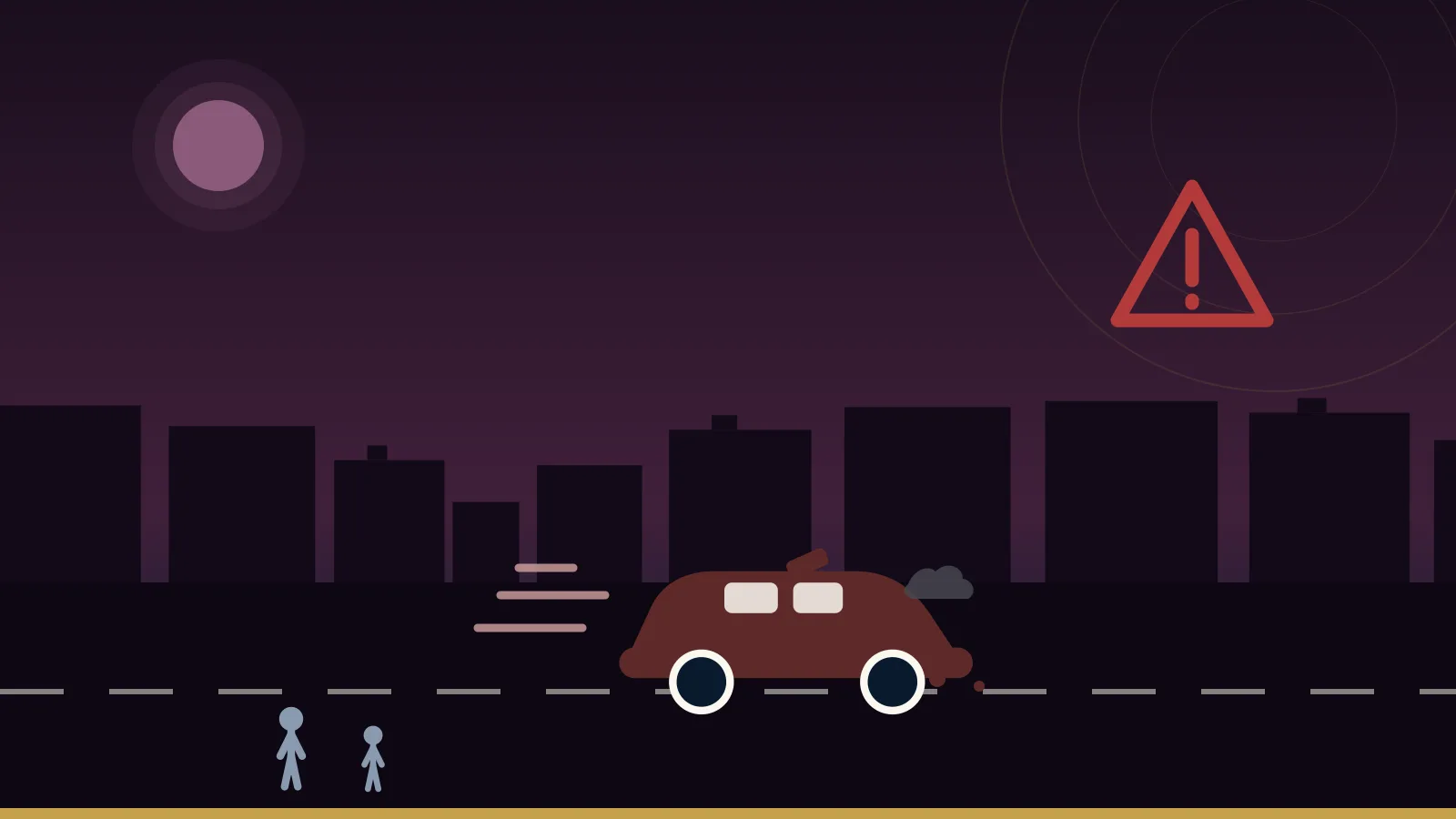
Wir alle haben ihn schon gesehen, auf den Fernstraßen wie mitten in den Städten: einen Wagen, dessen Karosserie der Rost zerfressen hat, der beim Überholen schlingert, ein Rücklicht zerbrochen, das andere erloschen, schwarzer Qualm aus dem Auspuff, Reifen, deren Profil vom jahrelangen Gebrauch verschwunden ist. Erschreckend ist nicht sein Zustand, denn der Besitzer mag durch bittere Not entschuldigt sein; erschreckend ist, dass dieser Wagen mit halsbrecherischem Tempo über den Asphalt jagt, rechts und links überholt, als säße sein Fahrer in einem Rennwagen und nicht in einem zerfallenden Gerippe.
Sagen wir es deutlich: Ein technisch nicht verkehrssicheres Auto mit hoher Geschwindigkeit zu fahren, ist weder Geschick noch Zwang, sondern ein moralischer Übergriff auf alle, die mit Ihnen die Straße teilen. Bremsen, die zweimal getreten werden müssen, bis sie greifen, ein abgefahrener Reifen, der bei der ersten Nässe wegrutscht, eine ausgeschlagene Lenkung: Das sind keine technischen Details, das ist der Abstand zwischen einem folgenlosen Schreck und einer Katastrophe, die ganze Familien zerstört.
Stellen Sie sich die Szene vor, die wir niemandem wünschen: eine verstopfte Straße zur Hauptverkehrszeit, ein klappriger Kleinbus, der zum Überholen ansetzt und plötzlich auf ein bremsendes Auto trifft. Der Fahrer des intakten Wagens tritt auf die Bremse, und der Wagen reagiert; der marode reagiert zu spät oder gar nicht. In diesen Sekunden zahlt nicht nur der Halter den Preis, sondern auch die Familie im Wagen nebenan, der Arbeiter am Straßenrand und ein Fahrgast, dessen einzige Schuld darin bestand, in das falsche Fahrzeug gestiegen zu sein.
Und hier muss man bei einem schmerzhaften Widerspruch innehalten: Viele dieser Fahrzeuge befördern ausgerechnet Menschen, Kleinbusse und Taxis, deren Lebensdauer vor Jahren abgelaufen ist. Das heißt, das mögliche Opfer bezahlt den Fahrpreis für die eigene Fahrt in die Gefahr, ohne den Luxus der Wahl dort, wo es keine Alternative gibt. Das verdoppelt die moralische Verantwortung von Halter und Fahrer, und es verdoppelt sie erst recht bei jenen Behörden, die das Fahrzeug angeblich geprüft und zugelassen haben.
Auf dem Papier fehlt das Gesetz keineswegs. Das ägyptische Straßenverkehrsgesetz macht die technische Untersuchung zur Voraussetzung für die Zulassung eines Fahrzeugs und für die Verlängerung seiner Papiere, und es stellt sowohl das Führen eines nicht verkehrssicheren Fahrzeugs als auch das Überschreiten der zulässigen Geschwindigkeit unter Strafe. Wie also fahren zwischen uns Fahrzeuge, denen jeder Passant mit bloßem Auge ansieht, dass sie nicht verkehrstauglich sind? Die traurige Antwort kennen alle: eine Prüfung, die mitunter zur bloßen Formsache verkommt, und ein Fahrer, der darauf wettet, dass ihn niemand anhält.
Doch bevor wir die ganze Last der Aufsicht zuschieben, sollten wir uns selbst ins Gesicht sehen: Wer ein Auto fährt, dessen Bremsen er als schwach kennt, und dann damit rast, braucht keine Verkehrskontrolle, um zu wissen, dass er im Unrecht ist. Er weiß es. Er setzt nur jeden Tag auf sein Glück, und das Problem ist, dass nicht allein sein eigenes Leben auf dem Spiel steht, sondern das von Menschen, die dieser Wette nie zugestimmt haben.
Und wir sagen es ohne Umschweife, genau so, wie wir es dem Besitzer der Luxuslimousine sagen, der seinen Müll aus dem Fenster wirft: Armut ist kein Vorwurf und Not ist keine Schande, aber rasende Geschwindigkeit in einem maroden Auto ist niemandem als Schicksal auferlegt. Sie können denselben Wagen langsam und vorsichtig fahren, bis Sie ihn instand setzen können: Langsam zu fahren in einem schwachen Auto ist achtbare Bescheidenheit, schnell zu fahren tödlicher Hochmut.
Was von Fahrer und Halter verlangt wird: Seien Sie ehrlich zu sich selbst über den Zustand Ihres Autos, und reparieren Sie zuerst, was die Sicherheit betrifft, denn Bremsen, Reifen und Beleuchtung sind kein Zubehör. Und wenn Sie noch nicht reparieren können, fahren Sie wenigstens in einem Tempo, das den Zustand Ihres Fahrzeugs respektiert. Wer mit seinem Wagen Fahrgäste befördert, trägt doppelte Verantwortung, denn wer ihm den Fahrpreis zahlt, hat ihm sein Leben anvertraut.
Was vom Staat verlangt wird: eine echte technische Prüfung statt eines Routinestempels; eine Straßenkontrolle, die sich zuerst die sichtbar heruntergekommenen Fahrzeuge vornimmt, vor den Unfällen und nicht danach; und wirkliche Förderprogramme für den Ersatz überalterter Fahrzeuge, vor allem jener im öffentlichen Personenverkehr, damit dem armen Fahrer nie nur die eine Wahl bleibt, mit dem Leben anderer zu spielen.
Die Straße ist gemeinsames Eigentum, und ihre schwächsten Nutzer, Fußgänger, Kinder und Fahrgäste des Nahverkehrs, haben ein Recht darauf, dass die stärksten unter ihnen die vorsichtigsten sind. Einen maroden Wagen, der im Schritttempo fährt, verstehen wir, und seinen Besitzer achten wir; ein maroder Wagen aber, der über die Straße fliegt, ist eine Bombe auf Rädern. Das ist schlicht falsch, und das Leben der Menschen ist kein Testgelände für das Glück irgendeines Einzelnen.
Verwandte Artikel
„Keda ghalat“ („Das ist falsch“): Tierquälerei ist seit 1937 eine Straftat nach dem ägyptischen Strafgesetzbuch
Ein Nachbar stellt vergiftete Näpfe neben die Schulmauer; ein Karrenbesitzer schlägt seinem Esel ins Gesicht, weil dieser eine zu schwere Last trägt. Viele glauben, „nur ein Tier“ bedeute, dass kein Gesetz es schützt. Tatsächlich stellen die Artikel 355, 356 und 357 des Strafgesetzbuchs Töten, Vergiften und Misshandeln von Tieren unter Strafe, bis hin zu Gefängnis. Am Vorabend des Welttierschutztages erklären wir, was das Gesetz sagt.
3. Oktober 2026 · 6 Min. Lesezeit
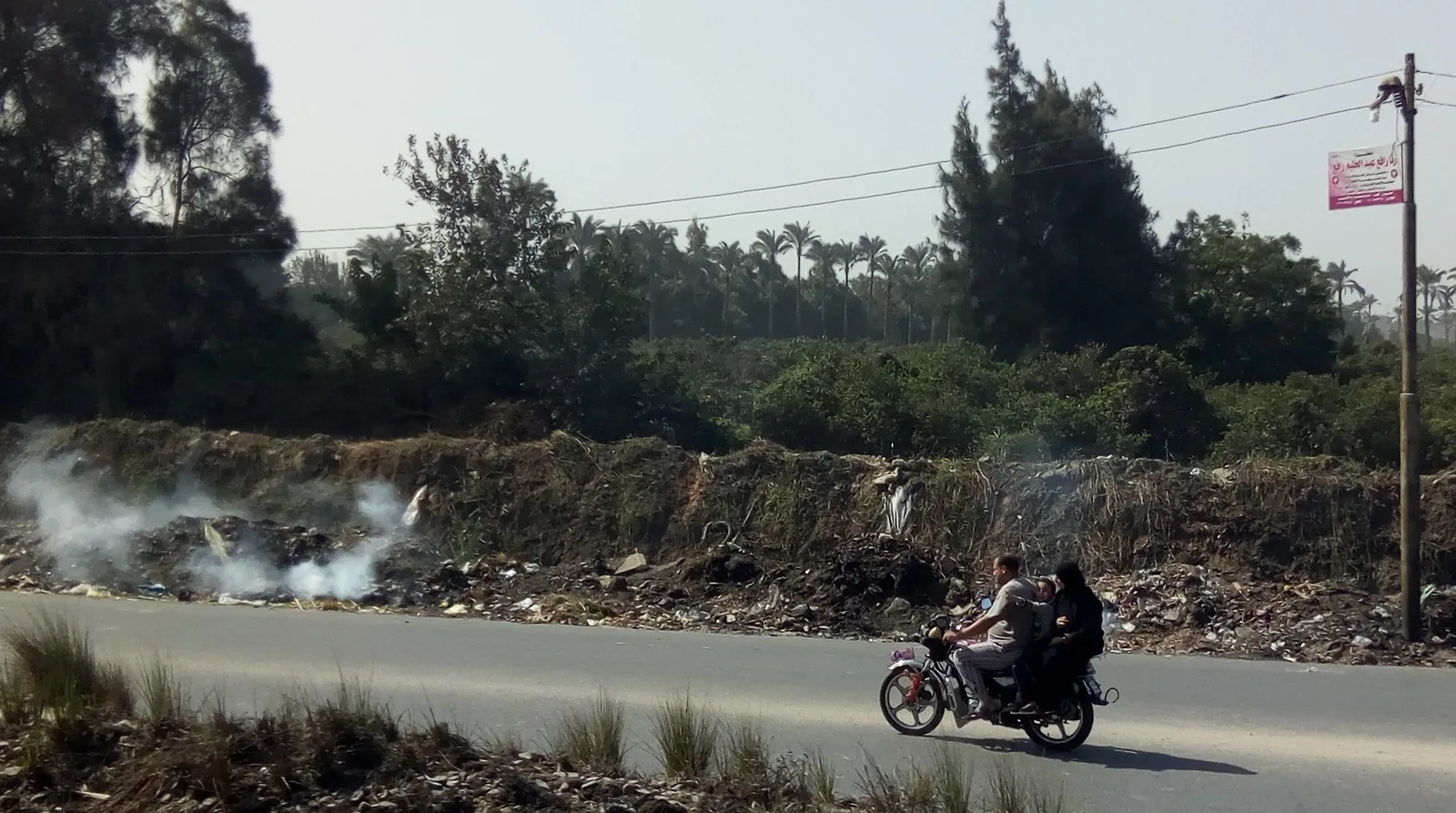
Vier auf einem Motorrad, keiner mit Helm: Der nackte Kopf ist das Teuerste, was eine Familie verlieren kann
In der zweiten Schulwoche wiederholt sich dieselbe Szene: der Vater am Lenker, ein Kind vorn, eines hinten, die Mutter mit den Taschen, kein einziger Helm. Presseberichte, gestützt auf CAPMAS, zeigen einen Anstieg der Toten von 190 auf 897 zwischen 2020 und 2024, während Cochrane belegt, dass der Helm das Sterberisiko um 42 Prozent senkt. Das Gesetz bestraft den nackten Kopf seit 1999, das Bußgeld stieg 2008. Warum halten wir uns nicht daran?
23. September 2026 · 8 Min. Lesezeit
„Ein Kabelanzapf“ ist keine Cleverness: Stromdiebstahl ist ein Verbrechen, das die ganze Nachbarschaft bezahlt
Ein blankes Kabel hängt von einem Mast zu einem Balkon, eine Klimaanlage läuft über einen Zähler, der sich nie dreht, und eine Sicherung brennt zum dritten Mal durch und stürzt den zahlenden Nachbarn in Dunkelheit. Artikel 71 des Elektrizitätsgesetzes nennt dies unrechtmäßige Stromaneignung, geahndet mit Haft und Geldstrafe, während eine schärfere Novelle auf das Abgeordnetenhaus wartet. Was verliert eine Straße durch einen Anzapf?
14. September 2026 · 7 Min. Lesezeit