»Das ist mein Revier«: Der Sayes als Schläger – wenn Schutzgeld zur Zwangsdienstleistung wird
Er steht in einer Straße, von der ihm kein Stein gehört, vergibt Parkplätze, als wäre sie sein Gut, diktiert den Tarif nach Laune – und wer widerspricht, riskiert einen scharfen Schlüssel an der Autotür oder ein demütigendes Wort vor der Familie. Der nicht lizenzierte Sayes, Ägyptens selbsternannter Parkwächter, der sich mit Einschüchterung aufdrängt, ist kein Dienstleister, sondern ein Schutzgeldeintreiber. So nicht: Die Straße ist öffentliches Eigentum, und das Gesetz hat das Gewerbe längst geregelt – für Schlägermethoden in dessen Gewand gibt es keine Entschuldigung.
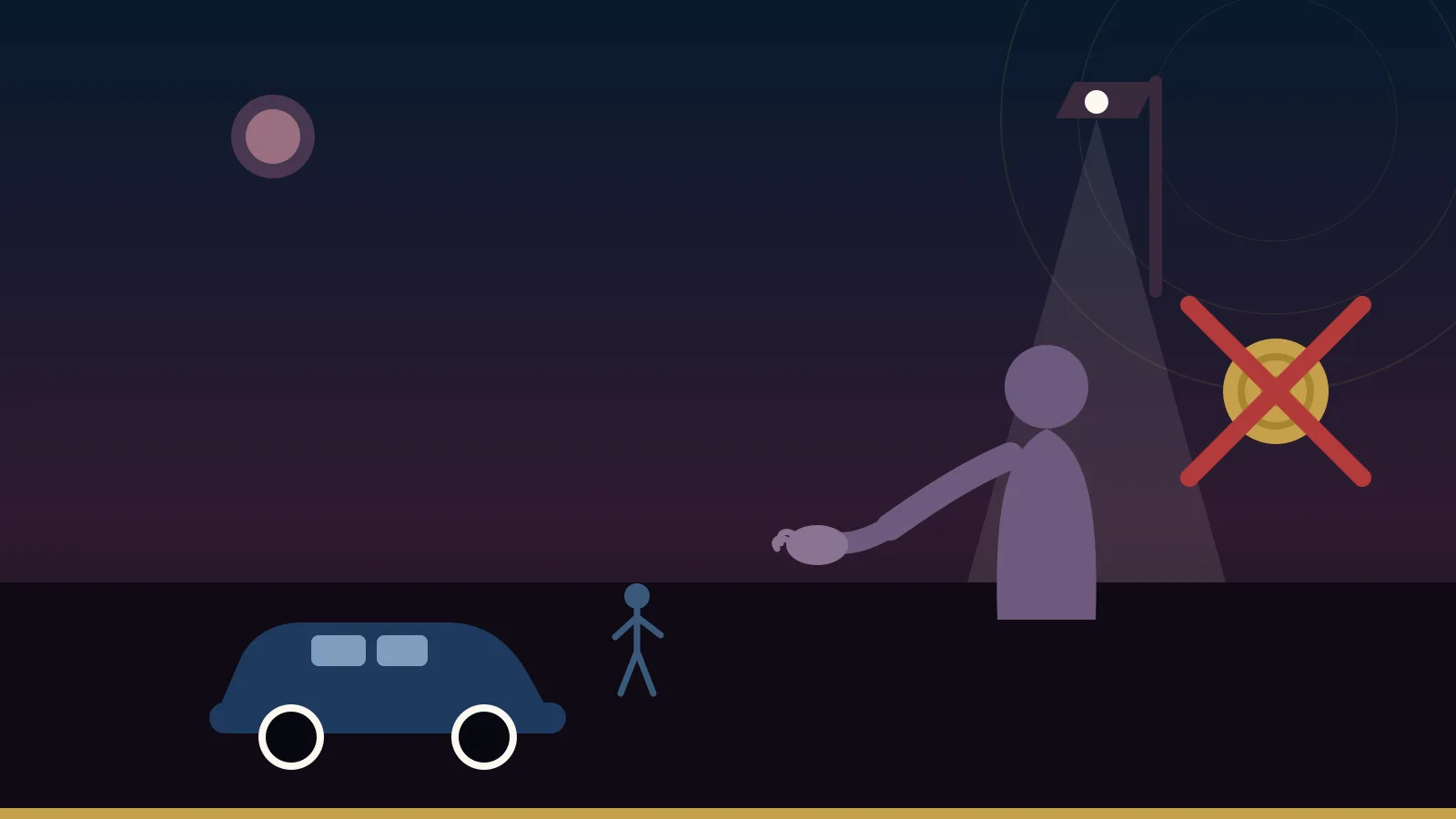
Sie kennen die Geschichte, bevor sie zu Ende erzählt ist: Sie biegen in eine Seitenstraße ein und suchen einen Platz für Ihr Auto, da taucht aus dem Nichts ein Mann auf und winkt Sie heran, mit der Selbstsicherheit dessen, dem der Asphalt gehört: „Hier lang, Chef.“ Sie haben seinen Dienst nicht bestellt, und er hat Sie nicht gefragt, ob Sie ihn wollen; doch von diesem Augenblick an ist er zum Zwangsteilhaber an Ihrem Parkplatz geworden, und bei der Rückkehr zahlen Sie, was er festlegt. Wehe Ihnen, wenn Sie über den Betrag diskutieren oder die ausgestreckte Hand übersehen.
Ziehen wir zunächst eine klare Grenze, denn Fairness ist das Leitwort dieser Rubrik: Es gibt den ehrlichen Parkwächter, den in jedem Viertel alle kennen. Er arbeitet hart, bewacht die Autos tatsächlich, hilft beim Einparken in enge Lücken und begnügt sich mit dem, was man ihm gern gibt. Das ist ein redlicher Broterwerb, den wir mit keinem Wort antasten und den der Gesetzgeber geregelt und dem er einen legalen Weg eröffnet hat. Die Rede ist hier von einer völlig anderen Sorte: von dem, der eine öffentliche Straße in Besitz genommen und das allen garantierte Recht, dort zu fahren und zu halten, in eine Ware verwandelt hat, die er unter Zwang verkauft.
Der Kern der Sache ist zuallererst moralisch: Dieser Mann verkauft Ihnen, was ihm nicht gehört. Die Straße ist öffentliches Eigentum; der Parkplatz darauf ist entweder ein Recht aller oder eine Leistung, die der Staat gegen ein bekanntes Entgelt organisiert. Er selbst bietet in Wahrheit nur eines an: die Beseitigung eines Schadens, dessen Quelle er selbst ist. Sie zahlen ihm kein Entgelt für eine Leistung, sondern den Preis dafür, dass Ihr Auto ausgerechnet vor ihm sicher ist. Das ist die wörtliche Definition von Schutzgeld.
Und die Zumutung reicht weit über die paar Pfund hinaus. Es ist das Gefühl des Bürgers, in einer Straße seines eigenen Landes erpresst zu werden, vor Frau und Kindern, gezwungen, zwischen kleinlautem Zahlen und einem Streit zu wählen, dessen Ausgang er nicht kennt: ein tiefer Kratzer vom Nagel, ein abgerissener Spiegel, ein platter Reifen oder, im schlimmsten Fall, eine offene Drohung. Wie oft haben wir gesehen, wie ein Fahrer seinen Zorn hinunterschluckt und zahlt, nicht aus Überzeugung, sondern um Schlimmeres abzuwenden, und dann davonfährt, mit einer Bitterkeit mehr, die sich auf alle früheren legt.
Noch gefährlicher ist, dass manche vom Einzelnen zur Organisation aufgestiegen sind: Gruppen, die die Straßen wie Beute unter sich aufteilen, Plätze mit Stühlen und Wasserkanistern blockieren, das Recht zu parken stunden- und monatsweise vermieten und jeden aus der Straße vertreiben, der nicht zahlt. Dann stehen wir nicht mehr vor dem Fehlverhalten eines Einzelnen, sondern vor einer kleinen Parallelmacht, die einem öffentlichen Raum ihr eigenes Gesetz auferlegt, und jede Parallelmacht fängt klein an.
Das ägyptische Recht hat diesen Bereich nicht im Grauen belassen: Das Gesetz Nr. 150 aus dem Jahr 2020 zur Regelung der Tätigkeit von Parkplatzeinweisern hat den Beruf zu einer genehmigungspflichtigen Tätigkeit mit Voraussetzungen, Regeln und einem festgelegten Entgelt gemacht und die Ausübung ohne Lizenz unter Strafe gestellt. Die Unterscheidung ist heute juristisch ebenso eindeutig wie moralisch: hier der lizenzierte Parkplatzeinweiser, der sich an die Regeln hält, dort der Hochstapler, der unter dem Namen eines Berufes Schutzgeld eintreibt. Und wer zur Drohung greift oder das Auto eines Widersprechenden beschädigt, hat den Bereich der nach dem Strafgesetzbuch strafbaren Taten längst betreten.
Auch die soziale Wurzel werden wir nicht übergehen: Viele, die diesem Gewerbe nachgehen, sind durch verschlossene Türen hineingedrängt worden, und mancher ernährt von diesen Pfund eine ganze Familie. Das verdient in der Beschäftigungspolitik ernsthafte Behandlung, taugt aber nicht als Rechtfertigung für Einschüchterung: Not spricht für den, der ehrlich arbeitet, sie spricht nicht für den, der Menschen erpresst. Und das Gesetz, das den Beruf geregelt hat, hat jedem eine legale Tür geöffnet, der durch sie gehen will.
Was vom Bürger verlangt wird: Belohnen Sie Einschüchterung nicht mit dauerhafter Fügsamkeit, als wäre sie Schicksal. Unterstützen Sie den ehrlichen, lizenzierten Parkwächter und geben Sie ihm gern etwas; dokumentieren Sie aber einen Übergriff, wenn er geschieht, und zeigen Sie ihn an, denn jeder Vorfall, der ohne Anzeige bleibt, festigt bei allen die Überzeugung, die Straße gehöre dem, der sich durchsetzt. Und kaufen Sie auch selbst keine „reservierten Plätze“ per Telefon bei jenen Gruppen, die sich die Straße angeeignet haben: Wer Gestohlenes mietet, finanziert den Diebstahl.
Und was vom Staat verlangt wird: das Gesetz zur Regelung des Parkwächtergewerbes in beiden Richtungen anzuwenden, also die ernsthafte Lizenzierung für alle zu erleichtern, die redlich arbeiten wollen, und entschieden gegen jene vorzugehen, die ohne Lizenz tätig sind oder Schutzgeld erheben, zusammen mit einer systematischen Alternative, die die Quelle trockenlegt: geordnetes Parken mit Markierungen, veröffentlichten Tarifen und klaren Zahlungswegen in den überfüllten Straßen. Wo es eine bekannt gemachte Regel gibt, wird der Raum eng für den, der sich seine eigenen Regeln ausdenkt.
Die Geschichte vom Parkwächter, der mit Muskeln regiert, ist größer als das Abstellen eines Autos: Sie ist die Frage, wer die Straße regiert, die allgemeine Regel oder der stärkere Arm an der Ecke. Jedes Mal, wenn ein Bürger mit erzwungenem Lächeln Schutzgeld zahlt, rückt die falsche Antwort einen Schritt vor. Das ist falsch. Richtig ist, dass der Bürger sein Auto in einer Straße seines eigenen Landes mit erhobenem Haupt abstellt und nichts zahlt außer einem bekannten Entgelt für eine wirkliche Leistung, die er aus freiem Willen gewählt hat.
Verwandte Artikel
„Keda ghalat“ („Das ist falsch“): Tierquälerei ist seit 1937 eine Straftat nach dem ägyptischen Strafgesetzbuch
Ein Nachbar stellt vergiftete Näpfe neben die Schulmauer; ein Karrenbesitzer schlägt seinem Esel ins Gesicht, weil dieser eine zu schwere Last trägt. Viele glauben, „nur ein Tier“ bedeute, dass kein Gesetz es schützt. Tatsächlich stellen die Artikel 355, 356 und 357 des Strafgesetzbuchs Töten, Vergiften und Misshandeln von Tieren unter Strafe, bis hin zu Gefängnis. Am Vorabend des Welttierschutztages erklären wir, was das Gesetz sagt.
3. Oktober 2026 · 6 Min. Lesezeit
Vier auf einem Motorrad, keiner mit Helm: Der nackte Kopf ist das Teuerste, was eine Familie verlieren kann
In der zweiten Schulwoche wiederholt sich dieselbe Szene: der Vater am Lenker, ein Kind vorn, eines hinten, die Mutter mit den Taschen, kein einziger Helm. Presseberichte, gestützt auf CAPMAS, zeigen einen Anstieg der Toten von 190 auf 897 zwischen 2020 und 2024, während Cochrane belegt, dass der Helm das Sterberisiko um 42 Prozent senkt. Das Gesetz bestraft den nackten Kopf seit 1999, das Bußgeld stieg 2008. Warum halten wir uns nicht daran?
23. September 2026 · 8 Min. Lesezeit
„Ein Kabelanzapf“ ist keine Cleverness: Stromdiebstahl ist ein Verbrechen, das die ganze Nachbarschaft bezahlt
Ein blankes Kabel hängt von einem Mast zu einem Balkon, eine Klimaanlage läuft über einen Zähler, der sich nie dreht, und eine Sicherung brennt zum dritten Mal durch und stürzt den zahlenden Nachbarn in Dunkelheit. Artikel 71 des Elektrizitätsgesetzes nennt dies unrechtmäßige Stromaneignung, geahndet mit Haft und Geldstrafe, während eine schärfere Novelle auf das Abgeordnetenhaus wartet. Was verliert eine Straße durch einen Anzapf?
14. September 2026 · 7 Min. Lesezeit