Zohr: Die Entdeckung, die die Energiekarte des östlichen Mittelmeers neu zeichnete
Im Sommer 2015 gab der Energiekonzern Eni die Entdeckung des Gasfelds Zohr vor der Küste von Port Said bekannt – damals beschrieben als größter Gasfund in der Geschichte des Mittelmeers. Dies ist die Geschichte der Entdeckung, der Förderung des Gases aus der Tiefsee – und warum sie Ägyptens Platz auf der regionalen Energiekarte verändert hat.
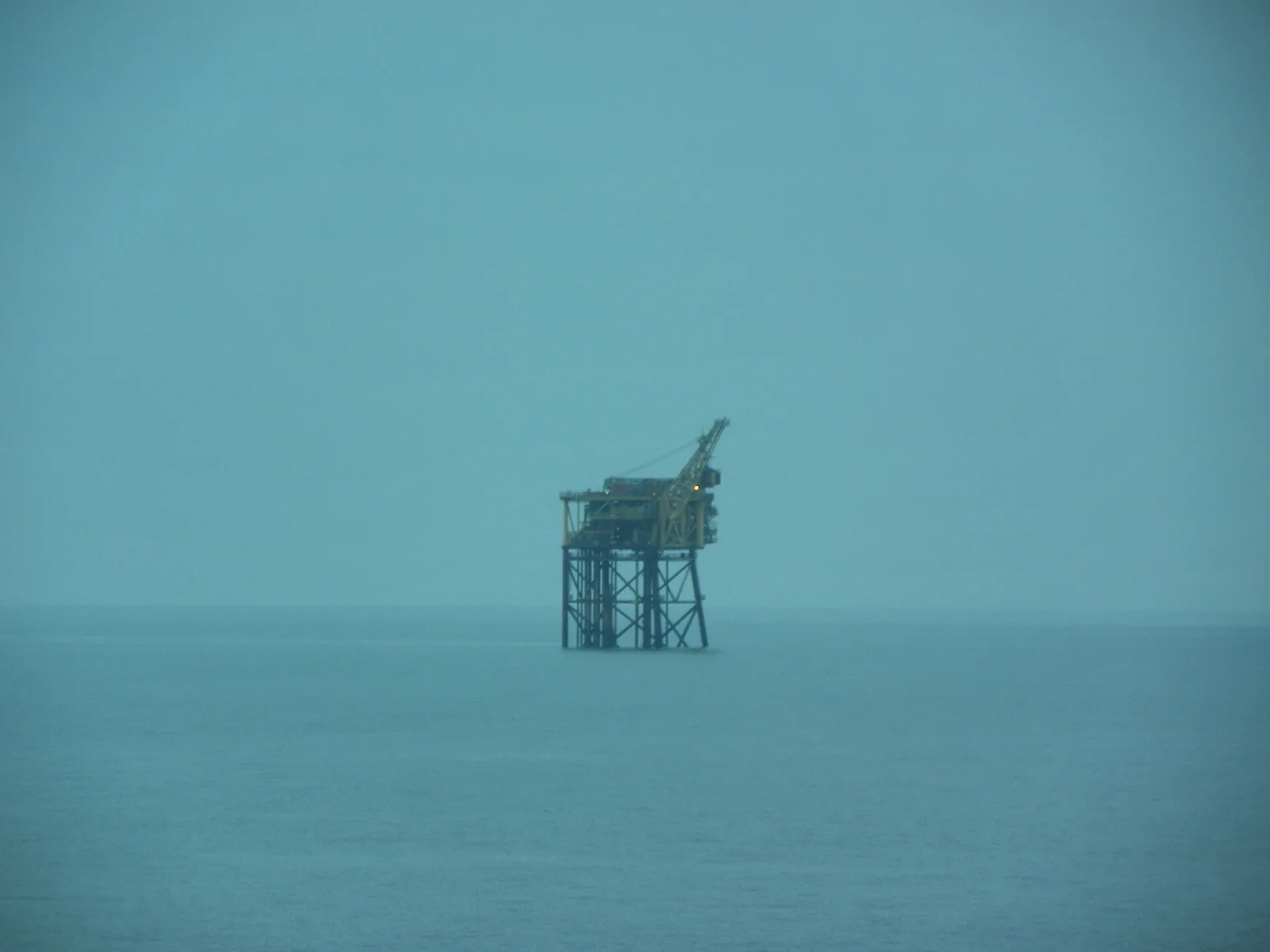
Im August 2015 gab der italienische Energiekonzern Eni die Entdeckung eines riesigen Erdgasfeldes in der Tiefsee des Mittelmeers bekannt, innerhalb der ägyptischen Konzession Shorouk, rund 190 Kilometer nördlich von Port Said. Das Feld erhielt den Namen Zohr und galt damals als der größte Gasfund, der je im Mittelmeer verzeichnet wurde. Die Nachricht war mehr als ein weiterer Eintrag auf einer Liste von Funden: Sie veränderte den Blick der Energiebranche auf das gesamte östliche Mittelmeer und rückte Ägypten zurück ins Zentrum der regionalen Gaskarte.
Schon die Zahlen erklärten die Aufregung. Erste Bewertungen bezifferten das in der Lagerstätte vorhandene Gas auf rund 30 Billionen Kubikfuß, eingeschlossen in Gestein unter etwa 1450 Metern Wassertiefe und Tausenden Metern Meeresbodenschichten. In der Sprache der Branche wurde Zohr zu den „Supergiganten“ gezählt, einer Kategorie, der weltweit nur eine Handvoll Felder angehört. Funde dieser Größenordnung sind überall selten; einen davon in einem seit Jahrzehnten erkundeten Meer zu machen, in Reichweite bestehender Pipelines und Aufbereitungsanlagen an der ägyptischen Küste, machte ihn noch seltener.
Zohr überraschte auch die Geologen. Ein halbes Jahrhundert lang hatte sich die Exploration vor der ägyptischen Küste auf die Sandsteinschichten des Nildeltas konzentriert, wo Flusssedimente das Gas in vertrauten Mustern einschlossen. Das Gas von Zohr dagegen lagert in einer Karbonatformation, den Überresten einer alten riffartigen Plattform – einem Speichertyp, den die Explorateure der Region weitgehend übersehen hatten. Der Fund bewies, dass es im östlichen Mittelmeer ein völlig anderes geologisches Modell gibt, und die Konzerne begannen umgehend, ihre seismischen Daten in ägyptischen und benachbarten Gewässern mit neuen Augen zu lesen.
Der Zeitpunkt wog nicht weniger schwer als die Geologie. Mitte jenes Jahrzehnts war Ägypten, lange ein Gasexporteur, ins Defizit gerutscht: Der heimische Verbrauch von Kraftwerken, Fabriken und Haushalten übertraf die Förderung alternder Felder, und das Land importierte Flüssigerdgas zu realen Kosten. Ein Riesenfund in nationalen Gewässern bot die Möglichkeit, diese Rechnung umzukehren. Gas geht in Ägypten alle an, denn das Stromnetz hängt stark von Gaskraftwerken ab; was weit draußen auf See geschieht, ist am Ende in jedem Haushalt zu spüren.
Danach wurde das Projekt zu einem Lehrstück beschleunigter Erschließung. Die Förderung begann im Dezember 2017, nur etwa zwei Jahre und vier Monate nach der Entdeckung – ein ungewöhnlich kurzer Zeitraum für ein Tiefseeprojekt dieser Größe, bei dem fünf bis sieben Jahre üblich sind. Möglich wurde das durch parallel geführte Ingenieurarbeiten, frühe Bestellungen von Ausrüstung und hohe Investitionen. Später traten internationale Partner an der Seite von Eni hinzu, um Kosten und Risiken zu teilen, während ägyptische Institutionen die Genehmigungen in gestrafften Fristen erteilten. Das Tempo selbst wurde damit Teil der Botschaft Ägyptens an die Energieinvestoren.
Wie findet man ein solches Feld überhaupt? Die Offshore-Exploration beginnt mit seismischen Messungen: Schiffe schleppen Messkabel, die Schallwellen durch Wasser und Gestein senden; die zurückkehrenden Echos werden zu dreidimensionalen Bildern von Strukturen kilometertief unter dem Meeresboden verarbeitet. Vielversprechende Strukturen werden anschließend mit einer Explorationsbohrung von einer schwimmenden Plattform aus geprüft – ein teures Wagnis, denn viele dieser Bohrungen finden nichts. Trifft eine Bohrung auf Gas, folgen Bewertungsbohrungen, um Größe und Förderfähigkeit der Lagerstätte genau zu bestimmen.
Die Förderung selbst beruht auf einem Konzept, das als „vom Meeresboden an die Küste“ bekannt ist. Statt einer mächtigen Plattform über dem Feld werden die Bohrungen in den Meeresboden getrieben und mit schwerer, am Grund verankerter Stahltechnik abgedeckt. Rohrleitungen sammeln das Gas dieser Unterwasserbohrungen und führen es an die Küste, während parallel verlegte Kabel Strom, Steuersignale und Chemikalien vom Land heranbringen. Vom Kontrollraum an Land aus können die Betreiber die Ventile am Meeresgrund öffnen und schließen – ein Verfahren, das sich für große Tiefen eignet, in denen feste Plattformen unpraktikabel werden.
Das Gas, das an Land ankommt, ist noch nicht verbrennungsfertig. In einer Aufbereitungsanlage bei Port Said wird es von Wasser und flüssigen Kohlenwasserstoffen getrennt, getrocknet und von Verunreinigungen befreit, bevor es in das nationale Netz eingespeist wird. Kondensate – leichte flüssige Kohlenwasserstoffe, die mit dem Gas austreten – werden gewonnen und gesondert verkauft. Von der Anlage aus gelangt das Gas in dasselbe Netz, das Kraftwerke, Dünger- und Zementfabriken sowie Hausanschlüsse versorgt; deshalb kann eine Lagerstätte weit hinter dem Horizont den Alltag an Land unbemerkt tragen.
Zohr gehört zudem in eine regionale Geschichte. Die Felder Tamar und Leviathan vor Israel und Aphrodite vor Zypern hatten bereits gezeigt, dass das östliche Mittelmeer ernstzunehmende Gasmengen birgt; Zohr bestätigte das in größerem Maßstab. Im Jahr 2020 brachte das Gasforum für das östliche Mittelmeer mit Sitz in Kairo Förder- und Verbraucherstaaten an einen Tisch. Ägypten hält dabei eine besondere Karte in der Hand: Die Jahre zuvor errichteten Verflüssigungsanlagen in Idku und Damiette können Gas in flüssige Form bringen und per Schiff exportieren – eine Infrastruktur, die den Nachbarn fehlt und auf der Ägyptens Ehrgeiz beruht, ein regionales Energiedrehkreuz zu werden.
Die tiefere Lehre aus Zohr betrifft die Frage, wie Energiesicherheit tatsächlich entsteht. Felder gehen mit der Förderung zurück; kein einzelner Fund entscheidet die Sache für immer, und die Exploration muss weitergehen, damit neue Kapitel geschrieben werden. Was Zohr bewiesen hat, ist die Kombination, die solche Kapitel möglich macht: eine Geologie, die neues Denken belohnt, eine Technik, die unter anderthalb Kilometern Wasser arbeiten kann, und Investitionsrahmen, die Kapital rasch in Bewegung setzen. Diese Kombination – nicht ein einzelnes Feld – hat die Karte neu gezeichnet.
Verwandte Artikel
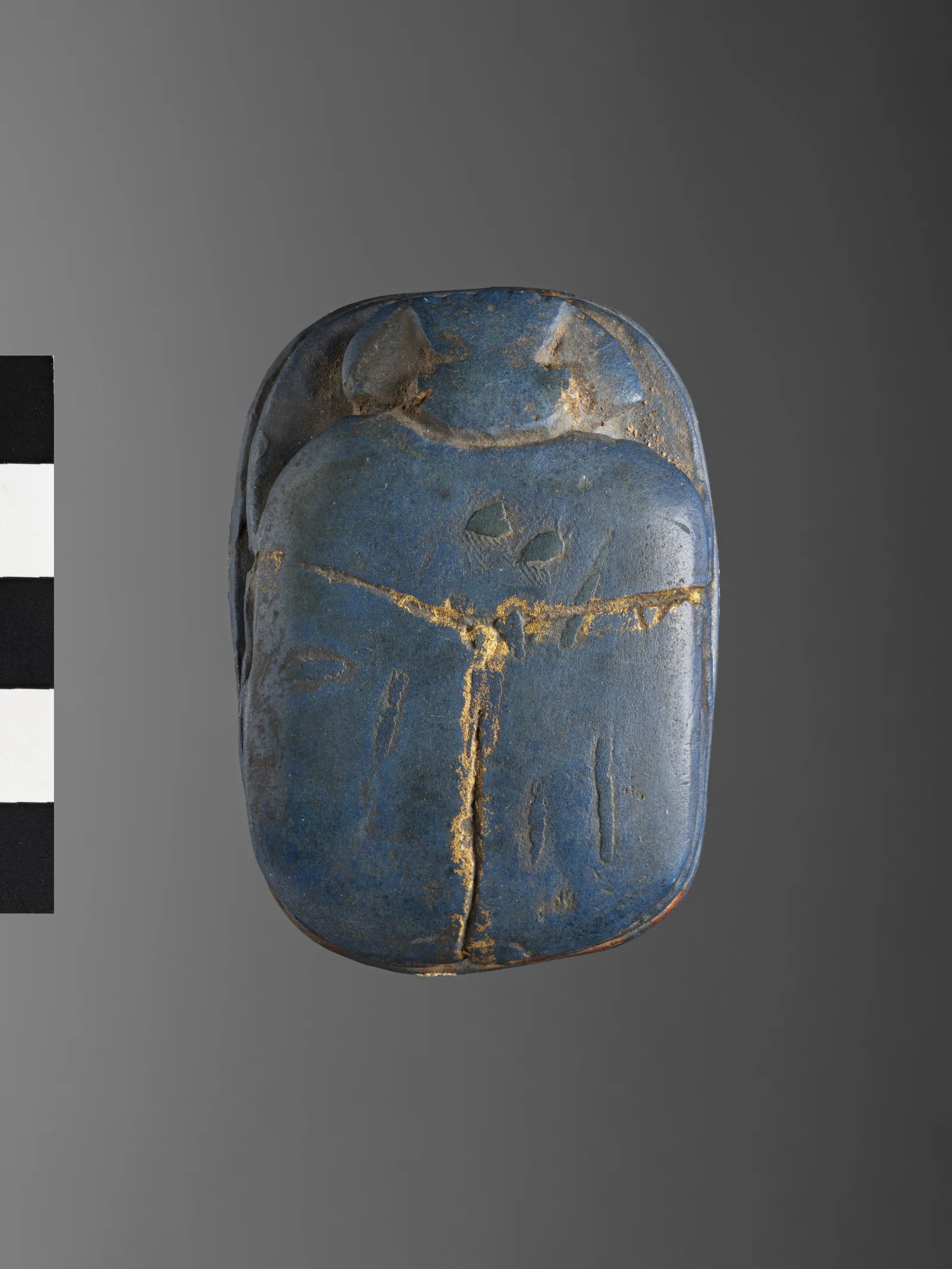
„Ägyptisch Blau“: Das erste synthetische Pigment der Geschichte ist zurück – für Fingerabdrücke und leuchtende Zellen
Ein Blau, das ägyptische Chemiker vor Jahrtausenden aus Sand, Kupfer und Kalk herstellten, zerfällt, wie Forscher 2013 entdeckten, in nanodünne Plättchen, die im Infraroten leuchten. Seither macht es in Australien Fingerabdrücke sichtbar und bringt in Deutschland Fliegenembryonen und Pflanzenblätter zum Leuchten. Die Geschichte eines antiken Materials mit einer sehr modernen Eigenschaft, und eine Frage an unsere Labore von heute.
17. September 2026 · 7 Min. Lesezeit
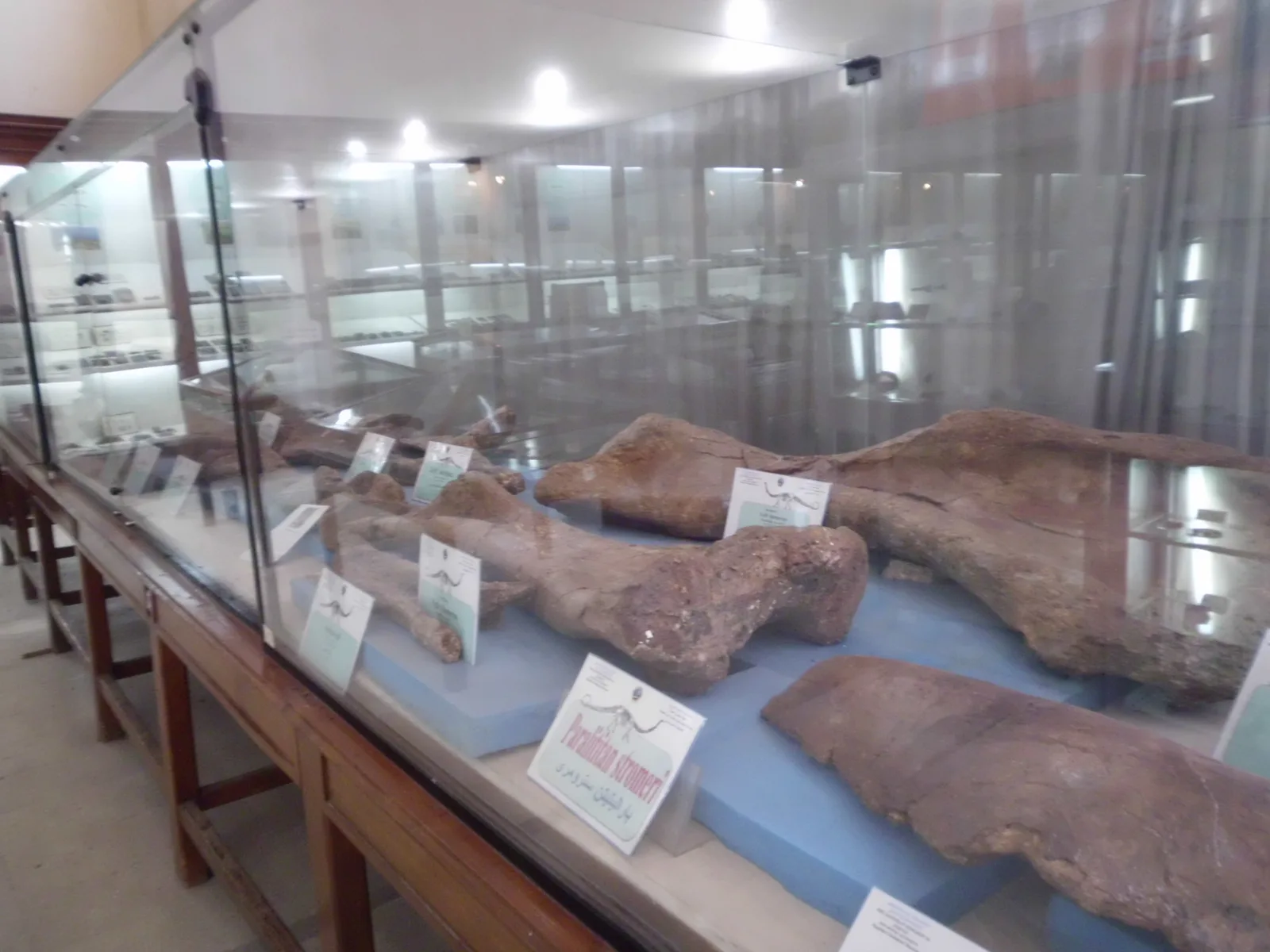
Achtzig Millionen Jahre vor den Pharaonen: Mansouras Dinosaurier und die Oasenfossilien, die der Krieg verbrannte
Ägyptische Studierende der Universität Mansoura bargen aus dem Gestein der Oase Dachla die Knochen des Mansourasaurus, des vollständigsten je in Afrika gefundenen Dinosaurierskeletts der späten Kreidezeit. Ein Jahrhundert zuvor hatte ein deutscher Forscher die Dinosaurier von Bahariya nach München gebracht, wo der Krieg sie verbrannte. Die Geschichte des Erdarchivs in Ägyptens Wüste und einer Wissenschaft, die Ihr Kind hier studieren kann.
8. September 2026 · 7 Min. Lesezeit
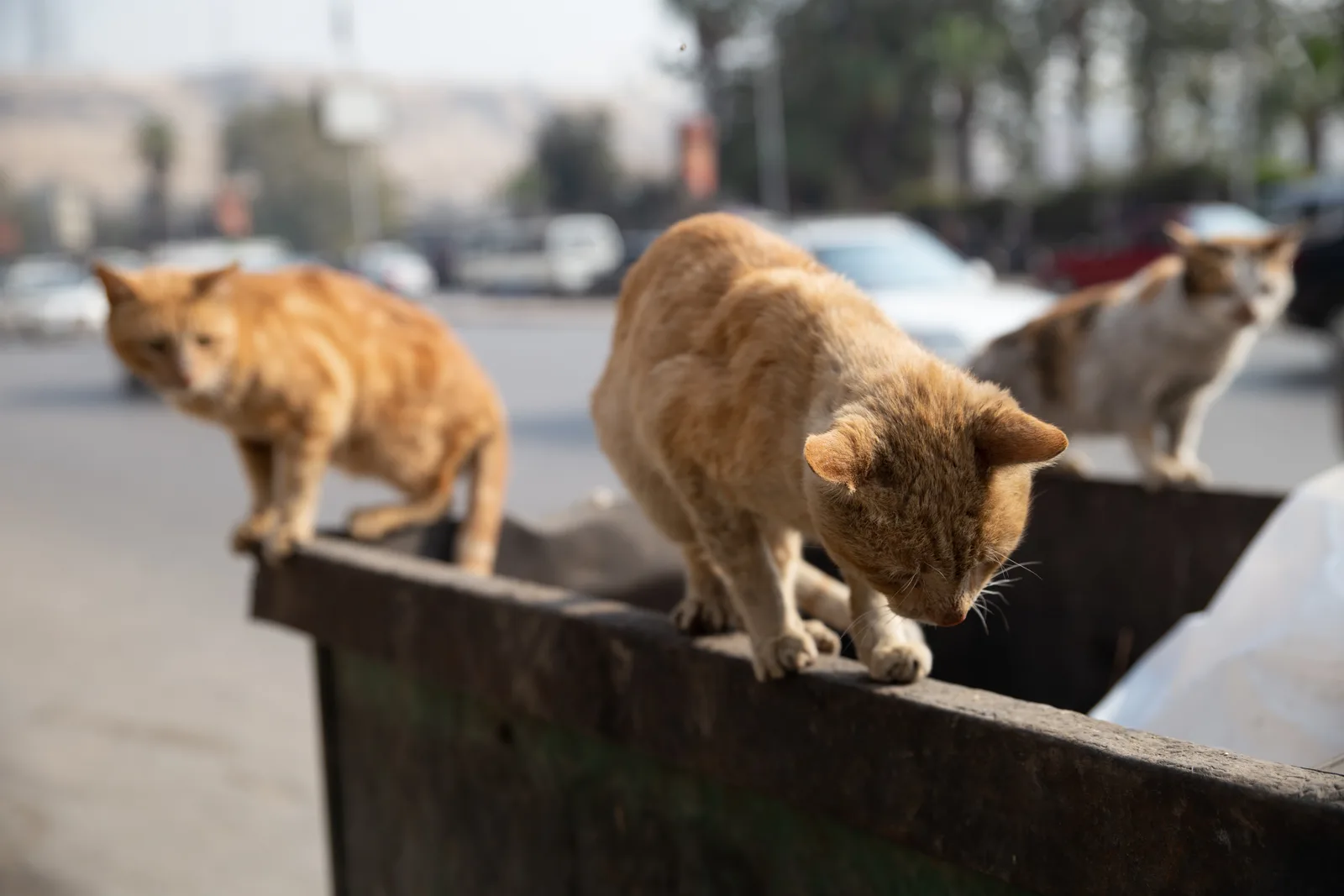
„Keda ghalat“ („Das ist falsch“): Tierquälerei ist seit 1937 eine Straftat nach dem ägyptischen Strafgesetzbuch
Ein Nachbar stellt vergiftete Näpfe neben die Schulmauer; ein Karrenbesitzer schlägt seinem Esel ins Gesicht, weil dieser eine zu schwere Last trägt. Viele glauben, „nur ein Tier“ bedeute, dass kein Gesetz es schützt. Tatsächlich stellen die Artikel 355, 356 und 357 des Strafgesetzbuchs Töten, Vergiften und Misshandeln von Tieren unter Strafe, bis hin zu Gefängnis. Am Vorabend des Welttierschutztages erklären wir, was das Gesetz sagt.
3. Oktober 2026 · 6 Min. Lesezeit