«100 Millones de Salud»: cómo Egipto examinó a toda una nación y por qué importa el cribado masivo
En 2018, Egipto lanzó la campaña «100 Millones de Salud» para examinar gratuitamente a todos los adultos en busca del virus de la hepatitis C y detectar hipertensión, diabetes y obesidad. Cómo funcionó una de las mayores campañas de cribado sanitario de la historia, qué encontró y por qué el cribado masivo cambia la salud pública.
En el otoño de 2018 Egipto lanzó una de las mayores campañas de cribado sanitario de la historia: la campaña «100 millones de vidas sanas». El objetivo era audaz: ofrecer a cada adulto del país una prueba gratuita de la hepatitis C junto con la medición de los principales riesgos de enfermedad crónica: la hipertensión arterial, el azúcar alto en sangre y la obesidad. En cuestión de meses, decenas de millones de personas habían pasado por los puntos de cribado. La campaña cambió el mapa sanitario de Egipto y se convirtió en un caso de estudio que se discute en todo el mundo.
Para entender por qué la hepatitis C ocupó el centro de la campaña hay que retroceder varias décadas: durante años Egipto registró la mayor prevalencia de hepatitis C del mundo. Buena parte de la epidemia se remonta a las campañas masivas de mediados del siglo XX que trataban con inyecciones la esquistosomiasis —la enfermedad parasitaria asociada al valle del Nilo—, en una época en que las agujas se reutilizaban y la esterilización era deficiente. El virus se propagó en silencio por toda una generación y, como la hepatitis C puede dañar el hígado durante veinte años sin dar síntomas, la mayoría de los portadores no sabía que estaba infectada.
Lo que hizo posible la campaña nacional fue una revolución en el tratamiento: los antivirales de acción directa aparecidos en la década de 2010 curan más del noventa por ciento de los casos de hepatitis C con un ciclo breve de pastillas, un giro radical frente a las viejas inyecciones de interferón, largas, duras y de escaso éxito. Egipto negoció precios drásticamente rebajados y autorizó la producción local de genéricos asequibles, con lo que el coste de una curación cayó a una fracción mínima de los precios internacionales. El tratamiento barato creó una lógica nueva: si la cura está disponible, la prioridad pasa a ser encontrar a los portadores silenciosos.
El cribado se diseñó para ser rápido y llegar lejos: los equipos instalaron puntos en unidades sanitarias y hospitales, pero también en centros juveniles, estaciones de tren, mezquitas, iglesias y lugares de trabajo. La visita duraba unos minutos: una prueba rápida de anticuerpos de la hepatitis C con un pinchazo en el dedo, una medición de la tensión arterial, un control del azúcar en sangre y la talla y el peso para calcular el índice de masa corporal. Los resultados se registraban electrónicamente con el número nacional de identidad, y todo era gratuito. Eliminar cada barrera —el coste, la distancia, el papeleo— era la idea: el cribado masivo solo funciona cuando hacerse la prueba resulta más fácil que evitarla.
El cribado por sí solo no cura a nadie, y la verdadera fuerza de la campaña estuvo en lo que venía después. Toda persona cuya prueba rápida apuntaba a la hepatitis C era derivada a un análisis PCR de confirmación, después a una evaluación médica y, si la infección estaba activa, a un ciclo gratuito de antivirales. A quienes se les detectaba tensión o azúcar altos se los orientaba hacia el seguimiento de las enfermedades crónicas. Esa cadena que va de la prueba al tratamiento es lo que los especialistas en salud pública llaman «vinculación con la atención», y es la diferencia entre un ejercicio estadístico y una intervención sanitaria real.
Los resultados fueron enormes: decenas de millones de adultos fueron examinados en las fases principales de la campaña, cientos de miles de infecciones se confirmaron y se trataron, y la prevalencia medida de la hepatitis C en Egipto cayó de forma abrupta frente a los niveles de la década anterior. En octubre de 2023 la Organización Mundial de la Salud anunció que Egipto se había convertido en el primer país en alcanzar el «nivel oro» en el camino hacia la eliminación de la hepatitis C, un reconocimiento oficial de que había cumplido criterios exigentes de cobertura diagnóstica y terapéutica.
¿Por qué importa tanto el cribado masivo? Porque las enfermedades crónicas más letales son silenciosas en sus primeros años. La hepatitis C destruye el hígado sin ruido; la hipertensión daña las arterias, el corazón y los riñones durante una década entera antes de la primera crisis; y la diabetes tipo 2 puede avanzar sin que nadie la note mientras castiga los ojos y los nervios. Cuando los síntomas empujan por fin al paciente hasta el médico, el daño suele estar avanzado y el tratamiento resulta mucho más caro. El cribado da la vuelta a ese calendario: encuentra la enfermedad cuando curarla es más barato y más sencillo.
La campaña dejó además una infraestructura que la sobrevivió: iniciativas sanitarias presidenciales posteriores aplicaron el mismo modelo a otras dolencias, como el cribado de las mujeres para la detección precoz del cáncer de mama y de los riesgos de la salud reproductiva, la revisión de los escolares en busca de anemia, obesidad y retraso del crecimiento, el seguimiento de la salud de madres y recién nacidos, y la detección de la enfermedad renal y de otros males crónicos. Cada iniciativa reutiliza la misma lógica: lleva la prueba gratuita y rápida hasta donde la gente ya está, registra los resultados en formato digital y conecta cada caso positivo con la atención médica.
Para quienes diseñan políticas sanitarias, la experiencia egipcia deja lecciones claras. La primera: una campaña ambiciosa necesita tres pilares —compromiso político al más alto nivel, pruebas diagnósticas rápidas y baratas, y tratamiento asequible garantizado para quien dé positivo—; quita cualquiera de ellos y el modelo se derrumba. La segunda: ir hasta la gente allí donde vive supera con creces a esperarla en las consultas. La tercera: los datos que genera un cribado masivo son en sí mismos un bien público, porque entregan a los planificadores un mapa real de la carga de enfermedad en lugar de meras estimaciones.
Para el ciudadano de a pie la lección es más simple y más personal: medirte la tensión lleva un minuto, analizarte el azúcar unos minutos más, y ambas cosas pueden revelar una amenaza años antes de que se convierta en crisis. El legado más hondo de la campaña sería que arraigara una cultura en la que los egipcios revisen estas cifras con regularidad —en una farmacia, en una unidad sanitaria o en una visita al médico— sin esperar a que una campaña nacional llame a la puerta. Hacerse la prueba una vez hizo historia; hacérsela con regularidad hace la salud.
Noticias relacionadas
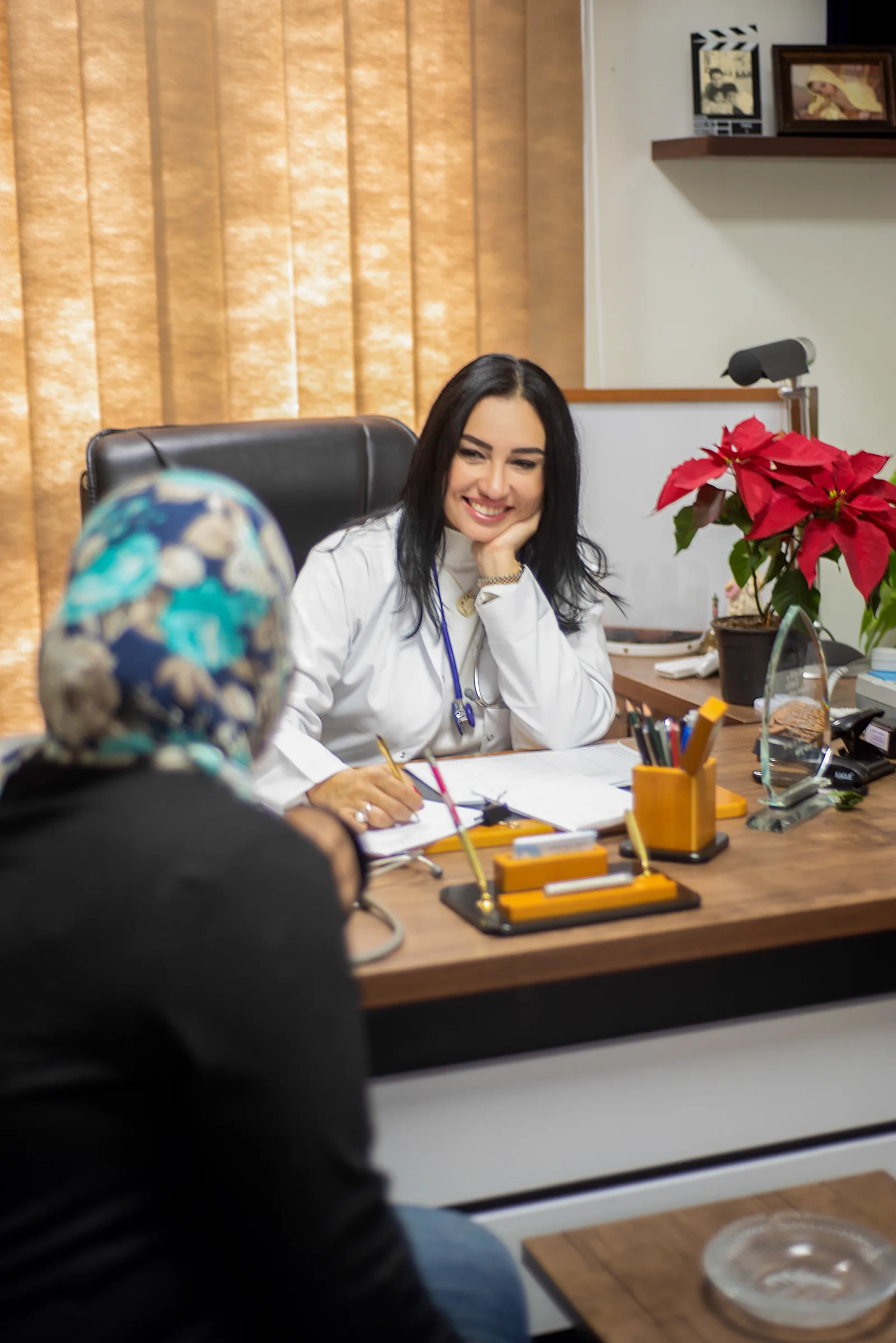
Octubre rosa: chequeo gratuito en la unidad de salud, por qué la detección precoz cambia el destino de la mujer egipcia
«No me duele nada» no es motivo para aplazarlo. Desde julio de 2019, las unidades de salud de Egipto abren sus puertas gratuitamente a toda mujer a partir de los 18 años, y en junio de 2026 la proporción de casos detectados en fase avanzada había caído del 60 % al 19,5 %. Explicamos qué ocurre en la unidad, qué señales exigen una visita y por qué el miedo retrasa esta revisión esencial.
2 de octubre de 2026 · 7 min de lectura
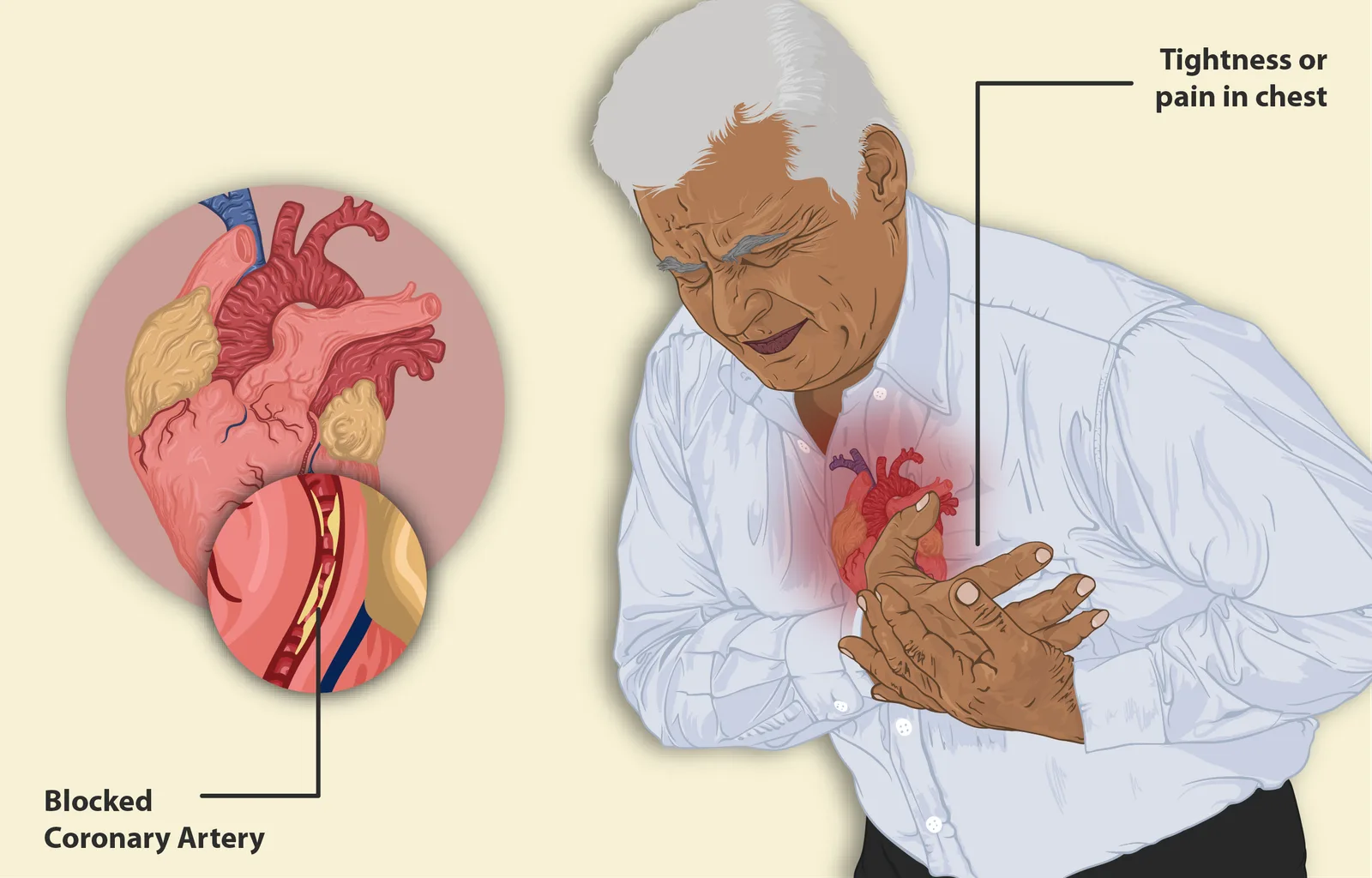
En el Día Mundial del Corazón: reconocer a tiempo la angina y el infarto, y qué hacer primero
Un hombre de cincuenta y tantos años atribuye la pesadez que siente en el pecho a una «acidez» por una cena copiosa y aplaza el hospital hasta la mañana. En el Día Mundial del Corazón explicamos la diferencia entre angina, infarto, paro cardíaco e ictus, las señales de alarma de la OMS, incluidas sus particularidades en las mujeres, y qué hacer en los primeros minutos: llamar al 123, gratuito, sentarse y no conducir.
29 de septiembre de 2026 · 7 min de lectura
La salud mental no es un lujo: cuándo la tristeza se convierte en enfermedad y dónde pedir ayuda sin estigma
Entre el «sé fuerte» y el «te falta fe», quienes viven con depresión y ansiedad se apagan en silencio. Una guía práctica que distingue la tristeza pasajera de la enfermedad que exige tratamiento, explica la diferencia entre el psiquiatra y el psicólogo y traza el camino de la ayuda en Egipto con palabras que abren la puerta en lugar de cerrarla.
31 de agosto de 2026 · 7 min de lectura