Alfabetización en Egipto: la magnitud del reto y las aulas que cambian la vida de los adultos
Los censos recientes sitúan el analfabetismo en cerca de una cuarta parte de los egipcios mayores de diez años: millones de adultos que nunca aprendieron a leer. De la Autoridad General de Alfabetización y Educación de Adultos a las aulas de las asociaciones civiles y los universitarios voluntarios, un recorrido por los programas que les enseñan y por lo que de verdad funciona.
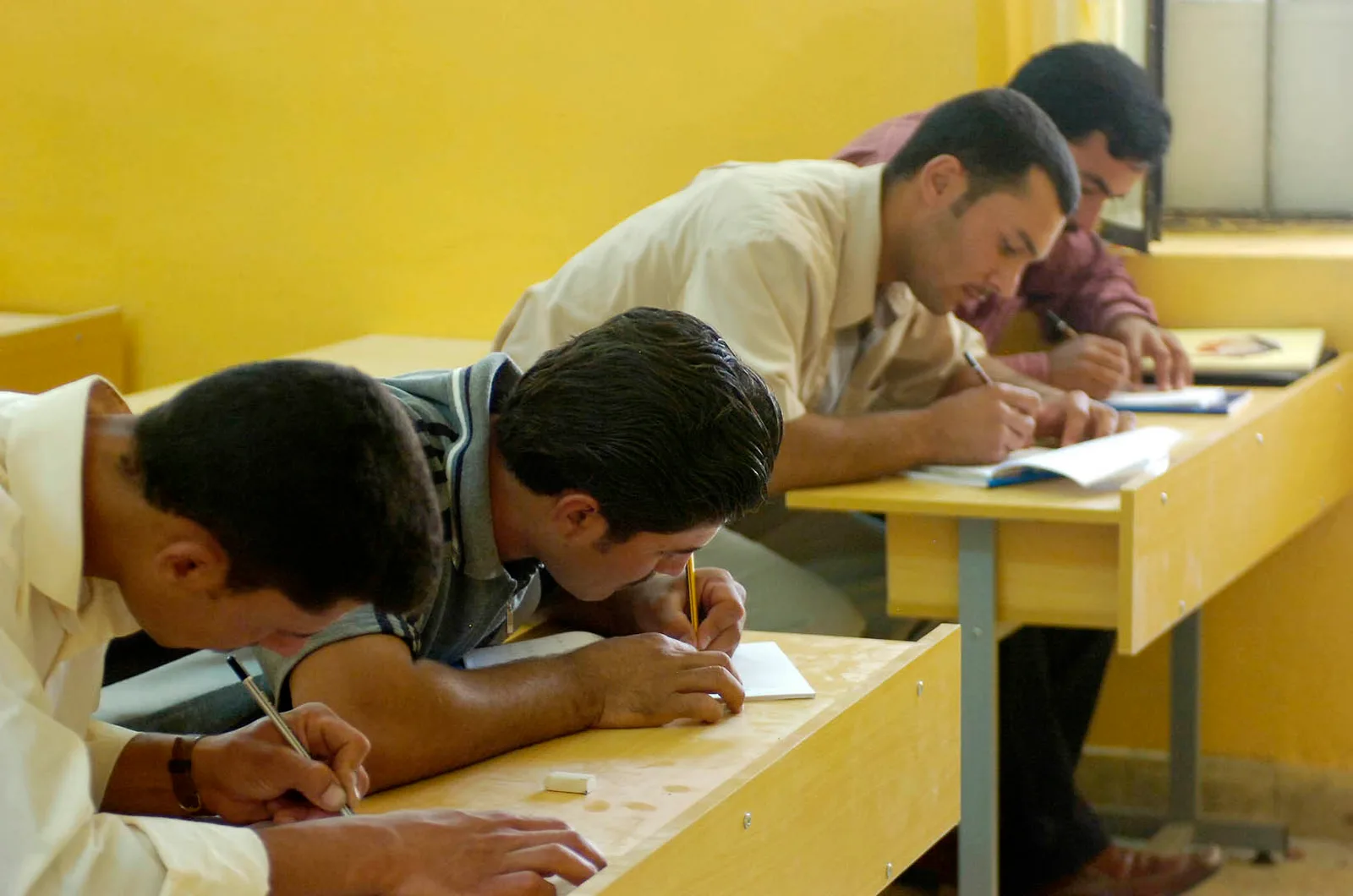
En un cuarto pequeño, después de la oración de la noche, una mujer de unos cincuenta años traza por primera vez en su vida la letra alif. Escenas como esta se repiten cada semana por todo Egipto — en mezquitas, iglesias, centros juveniles y aulas de asociaciones civiles — porque uno de los desafíos de desarrollo más antiguos del país sigue sin resolverse: millones de adultos egipcios no saben leer ni escribir, y una red discreta de programas trabaja para cambiarlo, alumno a alumno.
La magnitud del problema está documentada, no es cosa de anécdotas. El censo egipcio de 2017 situó el analfabetismo en torno a la cuarta parte de la población de diez años o más: millones de personas que lidian con contratos, prospectos de medicamentos, formularios bancarios y los boletines escolares de sus hijos sin poder leerlos. La tasa ha caído de forma sostenida a lo largo de las décadas, a medida que se ampliaba la escolarización, pero las cifras absolutas siguen siendo altas, porque la población egipcia ha crecido a un ritmo capaz de reponer continuamente ese saldo.
La carga no se reparte por igual. El analfabetismo es claramente mayor entre las mujeres que entre los hombres, mayor en el campo que en las ciudades, y alcanza su punto más alto entre las mujeres rurales de más edad del Alto Egipto: el grupo que hace una o dos generaciones tenía más probabilidades de quedarse sin escuela. El problema tiene además un afluente que lo alimenta: los niños que abandonan la escuela pronto, o que pasan por ella sin aprender de verdad, se convierten en la siguiente hornada de adultos que apenas leen.
Lo que está en juego va mucho más allá de leer por placer. Estudio tras estudio, en todo el mundo, la alfabetización aparece ligada a la salud, a los ingresos y al destino de la generación siguiente: una madre que lee sigue con precisión las dosis de los medicamentos, resuelve los papeles de sus hijos y les ayuda con los deberes. Un adulto que lee revisa un contrato antes de firmarlo, compara precios y usa el teléfono para algo más que llamar. El analfabetismo es un impuesto silencioso que se paga en cada trato con un Estado y un mercado modernos.
Egipto libra esta batalla desde hace mucho. Las campañas de alfabetización se remontan a mediados del siglo XX y, en 1991, la Ley n.º 8 creó la Autoridad General para la Alfabetización y la Educación de Adultos, el organismo estatal encargado de organizar las clases, fijar los planes de estudio y examinar a los alumnos. Su certificado es una llave real: acredita que un adulto sabe leer y escribir, y abre la puerta a seguir estudiando a quien quiera llegar más lejos.
La autoridad trabaja tanto mediante alianzas como con sus propias aulas: con las gobernaciones, con mezquitas e iglesias y con las universidades. Uno de los mecanismos egipcios más singulares recluta a estudiantes universitarios para dar clases de alfabetización, con incentivos ligados a su participación; el modelo convierte la enorme población estudiantil del país en un cuerpo docente y, en sus mejores versiones, tiende un puente entre generaciones: un joven de veinte años enseñando las letras a uno de sesenta.
La sociedad civil carga con buena parte del esfuerzo. La asociación Life Makers organiza campañas de voluntariado contra el analfabetismo desde hace dos décadas; la Fundación Misr El Kheir ha hecho de la alfabetización uno de los pilares de su labor de desarrollo; y la Organización Copta Evangélica para los Servicios Sociales y Cáritas Egipto llevan generaciones con programas de educación de adultos, mucho antes de que la causa se pusiera de moda. Entre todas, las aulas de las asociaciones llegan a aldeas y barrios que ningún calendario oficial cubre.
Décadas de experiencia, en Egipto y en el mundo, han enseñado qué funciona. Los adultos no son niños grandes: aprenden más rápido cuando el material habla de su vida, el enfoque conocido como alfabetización funcional. Un programa construido en torno a leer una receta médica, una factura de la luz, los precios del mercado y los mensajes del móvil mantiene a los alumnos en sus sillas; las cartillas abstractas los espantan. La UNESCO, que celebra cada 8 de septiembre el Día Internacional de la Alfabetización, ha documentado la misma lección en todos los continentes.
Y para las mujeres, que son la mayoría de los alumnos, los detalles lo deciden todo: clases programadas en torno a las tareas de la casa y las temporadas de cosecha, celebradas en un lugar del que una familia conservadora se fíe, impartidas por alguien que no avergüence a una abuela si tropieza. Los programas más exitosos combinan la lectura con algo que los alumnos quieren de inmediato — costura, habilidades para un pequeño negocio, acceso a un microcrédito, un curso de manejo del teléfono — para que la lectura les llegue como una herramienta y no como un examen.
El retrato honesto incluye también los obstáculos. El abandono de las clases de adultos es alto en todas partes; una cosecha, una enfermedad o un marido receloso pueden dar por terminada una educación. La recaída también es real: el lector nuevo que no encuentra nada que leer retrocede, y por eso importan los materiales de seguimiento y las etapas de «posalfabetización». Y el problema del afluente sigue ahí: cada niño que deja la escuela sin saber leer borra, estadísticamente, el trabajo de un aula entera de adultos.
Por eso la causa tiene dos frentes. El primero es enseñar a los adultos de hoy, y necesita voluntarios, financiación y aliento social en vez de vergüenza: celebrar al hombre de sesenta años que se sienta a hacer un examen en lugar de burlarse de él. El segundo es cerrar el grifo: mantener a los niños en la escuela y asegurarse de que esos años produzcan una lectura efectiva, para que las aulas de la autoridad trabajen sobre un saldo que mengua y no sobre un río que no deja de correr.
Cualquiera puede ocupar un lugar en esta línea: dar clase en una campaña, financiar un aula o, sencillamente, animar a un padre o a una vecina a matricularse y a no abandonar, y tratar su esfuerzo con el respeto que merece cualquier estudiante. Una sociedad en la que todos los adultos leen no se construye con un decreto; se va juntando letra a letra, en cuartos pequeños después de la oración de la noche, gracias a personas que decidieron que la frase «ya es tarde» no se aplica al aprendizaje.
Noticias relacionadas

El aire de El Cairo, una causa nacional: de la «nube negra» al autobús eléctrico, la batalla de cada respiración
Cada otoño, la «nube negra» vuelve a asfixiar el Gran Cairo, pero lo que de verdad mata es lo que no vemos: partículas más finas que un cabello que se cuelan en los pulmones y en la sangre. En vísperas del Día Mundial sin Coche, abrimos el expediente de uno de los problemas de salud ambiental más graves del Gran Cairo: qué dicen las cifras, qué se está haciendo y qué puede hacer usted en su día a día.
21 de septiembre de 2026 · 7 min de lectura

El mar avanza sobre el Delta: cómo Egipto defiende su tierra más fértil con barreras de arena y caña
En la carretera costera de Burullus, dunas fijadas con caña permanecen en pie; detrás, un campesino prueba el agua de su pozo y la encuentra salada. Una crisis silenciosa amenaza a una cuarta parte de los egipcios: un mar que sube y una tierra que se hunde. El artículo expone el peligro con cifras y presenta un proyecto de 105 millones de dólares que levantó 69 kilómetros de barreras blandas, preguntando qué papel corresponde al ciudadano.
13 de septiembre de 2026 · 8 min de lectura
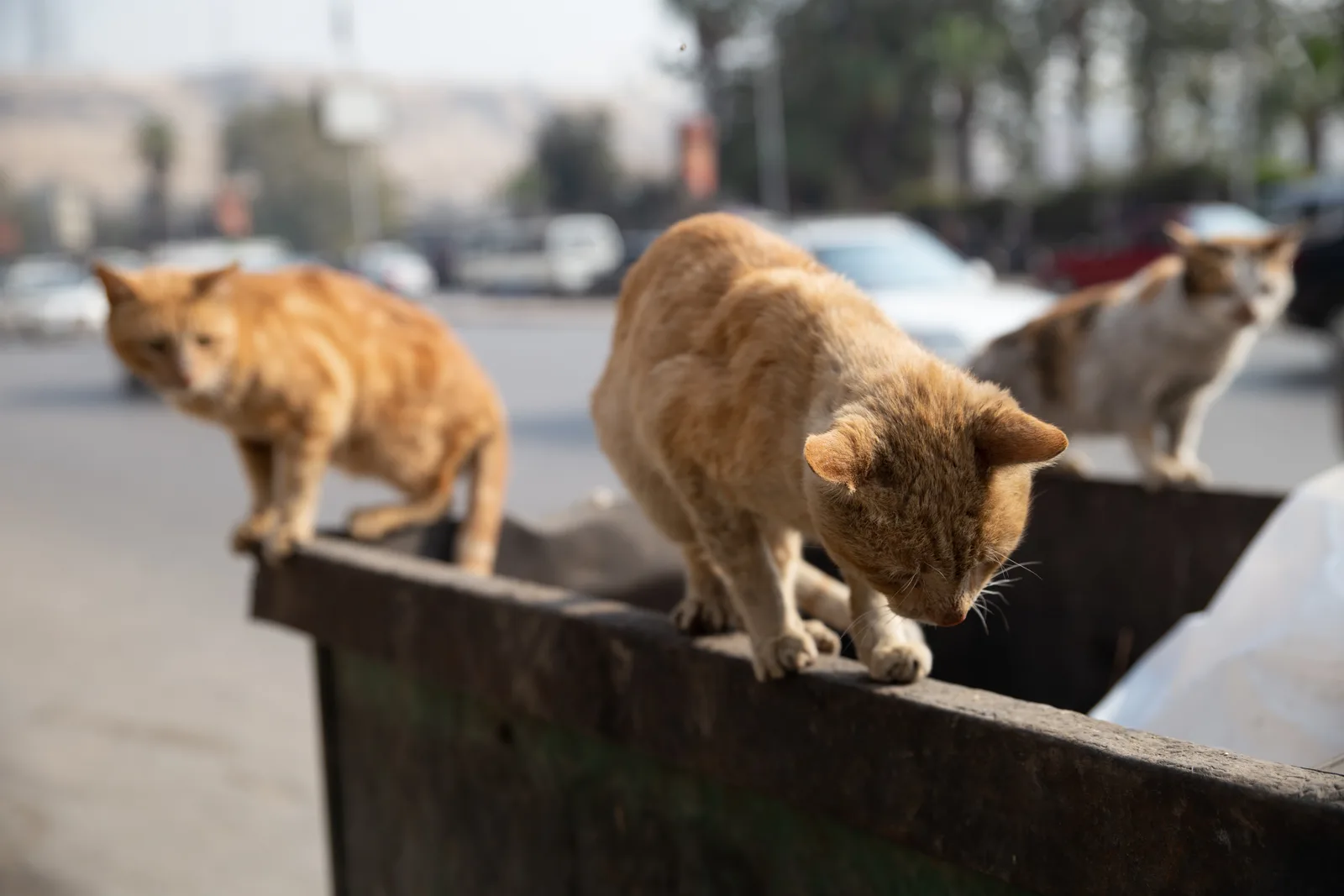
«Keda ghalat» («Esto está mal»): maltratar a un animal es un delito según el Código Penal egipcio desde 1937
Un vecino coloca platos envenenados junto al muro de la escuela; un carretero golpea a su burro en la cara bajo una carga excesiva. Muchos creen que «es solo un animal» y que ninguna ley lo protege. En realidad, los artículos 355, 356 y 357 del Código Penal castigan matar, envenenar y maltratar animales, con penas de hasta prisión. En vísperas del Día Mundial de los Animales, explicamos qué dice la ley.
3 de octubre de 2026 · 6 min de lectura