Benban: cómo el sol del desierto egipcio se convirtió en una de las mayores centrales eléctricas del mundo
En el desierto occidental, al norte de Asuán, decenas de plantas solares contiguas forman el complejo de Benban, uno de los mayores parques fotovoltaicos de la Tierra: un proyecto que transformó la fuerza natural más implacable de Egipto —el sol del desierto— en una riqueza nacional renovable.
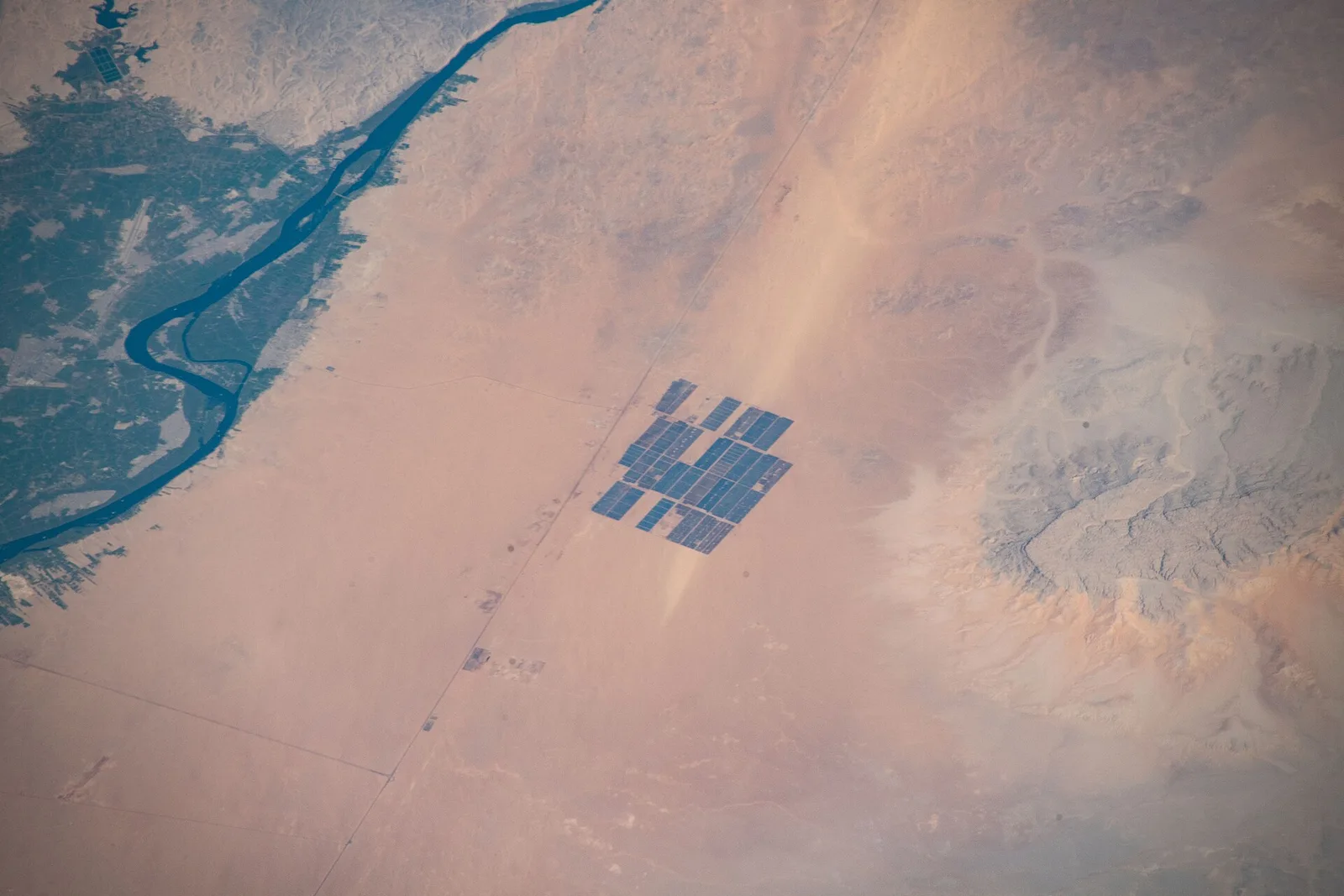
A varias decenas de kilómetros al norte de Asuán, junto a una pequeña aldea llamada Benban, se extiende un paisaje que no se parece a ningún otro de Egipto: hileras interminables de paneles solares de un azul oscuro cubren enormes superficies del desierto Occidental y relucen bajo un sol que casi nunca se oculta. Es el complejo solar de Benban, considerado desde que se completó a finales de la década pasada uno de los mayores complejos fotovoltaicos del mundo, con una capacidad total cercana a 1,65 gigavatios repartida entre decenas de plantas contiguas.
Benban no nació como una única central gigante, sino como un mosaico de proyectos. En lugar de que el Estado levantara por sí solo una instalación colosal, la Autoridad de Energía Nueva y Renovable dividió una vasta franja de desierto en decenas de parcelas y las ofreció a promotores privados de Egipto y de todo el mundo dentro del programa de tarifa regulada lanzado a mediados de la década pasada. La financiación llegó de grandes instituciones internacionales, con la Corporación Financiera Internacional, del Grupo Banco Mundial, y el Banco Europeo de Reconstrucción y Desarrollo a la cabeza, y en pocos años la idea se convirtió en realidad.
¿Por qué precisamente Asuán? La respuesta está a la vez en la física y en la geografía. El sur de Egipto disfruta de uno de los niveles de radiación solar más altos del planeta: el sol brilla prácticamente todo el año sin nubes dignas de mención. Además, el desierto llano y escasamente poblado ofrece superficies inmensas a bajo coste, y su relativa cercanía a la red eléctrica nacional hizo económicamente viable conectar las plantas.
El complejo se basa en la tecnología fotovoltaica: células de silicio que convierten la luz solar directamente en corriente continua, que después unos equipos llamados inversores transforman en corriente alterna apta para el transporte. La energía generada por cada planta se reúne en grandes subestaciones que la inyectan en la red nacional, e ilumina viviendas y fábricas situadas a cientos de kilómetros de las arenas de Benban.
En la escala de la vida cotidiana, la electricidad limpia que produce el complejo basta para abastecer a cientos de miles de hogares egipcios y evita quemar enormes cantidades de combustible fósil que habría que importar o extraer de los recursos nacionales, con la consiguiente reducción de las emisiones de dióxido de carbono que provocan el cambio climático.
El efecto no ha sido solo económico y ambiental, sino también social. Durante los años de construcción el proyecto generó miles de empleos, de los que se beneficiaron muchos vecinos de Asuán y de las aldeas cercanas, y en torno al complejo han surgido tareas permanentes de operación y mantenimiento que requieren técnicos e ingenieros, en una gobernación que durante décadas se quejó de la falta de oportunidades industriales.
Benban ocupa el centro de una estrategia energética egipcia más amplia, que aspira a que las fuentes renovables alcancen cerca del 42 % del mix eléctrico en 2035. Junto al sol, Egipto apuesta por la eólica en zonas como el golfo de Suez y Zafarana, y por la histórica energía hidroeléctrica de la Gran Presa de Asuán, en un intento de diversificar las fuentes y reducir la dependencia del gas natural.
Pero el desierto no regala su sol. El polvo y la arena se acumulan sobre los paneles y reducen su producción, lo que obliga a limpiarlos continuamente en un entorno escaso de agua y ha empujado a los operadores hacia técnicas de limpieza en seco y robots especializados. El calor extremo, además, disminuye por sí mismo la eficiencia de las células, una paradoja bien conocida en la ingeniería solar, a lo que se suma el reto de integrar una fuente intermitente, ausente de noche, en una red que debe permanecer estable las veinticuatro horas.
Esos retos han convertido a Benban en un laboratorio vivo para la investigación científica. Universidades y centros de investigación egipcios e internacionales estudian el rendimiento de los paneles en climas cálidos y polvorientos y ensayan soluciones de almacenamiento, limpieza y previsión de la producción: una experiencia cuyo valor crece a medida que los proyectos solares se expanden por el mundo árabe y África.
Al final, el significado de Benban va más allá de la electricidad. El proyecto ofreció un modelo de alianza entre el Estado, el sector privado y la financiación internacional en un terreno que monopolizaban las centrales térmicas convencionales, y afianzó la posición de Egipto como candidato regional a exportar energía limpia mediante proyectos de interconexión eléctrica con los países vecinos. El sol que los egipcios consideraron durante mucho tiempo una dureza del clima se ha convertido, en las arenas de Benban, en un recurso nacional que hay que tener muy en cuenta.
Noticias relacionadas
«Azul egipcio»: el primer pigmento sintético de la historia vuelve para revelar huellas dactilares e iluminar células
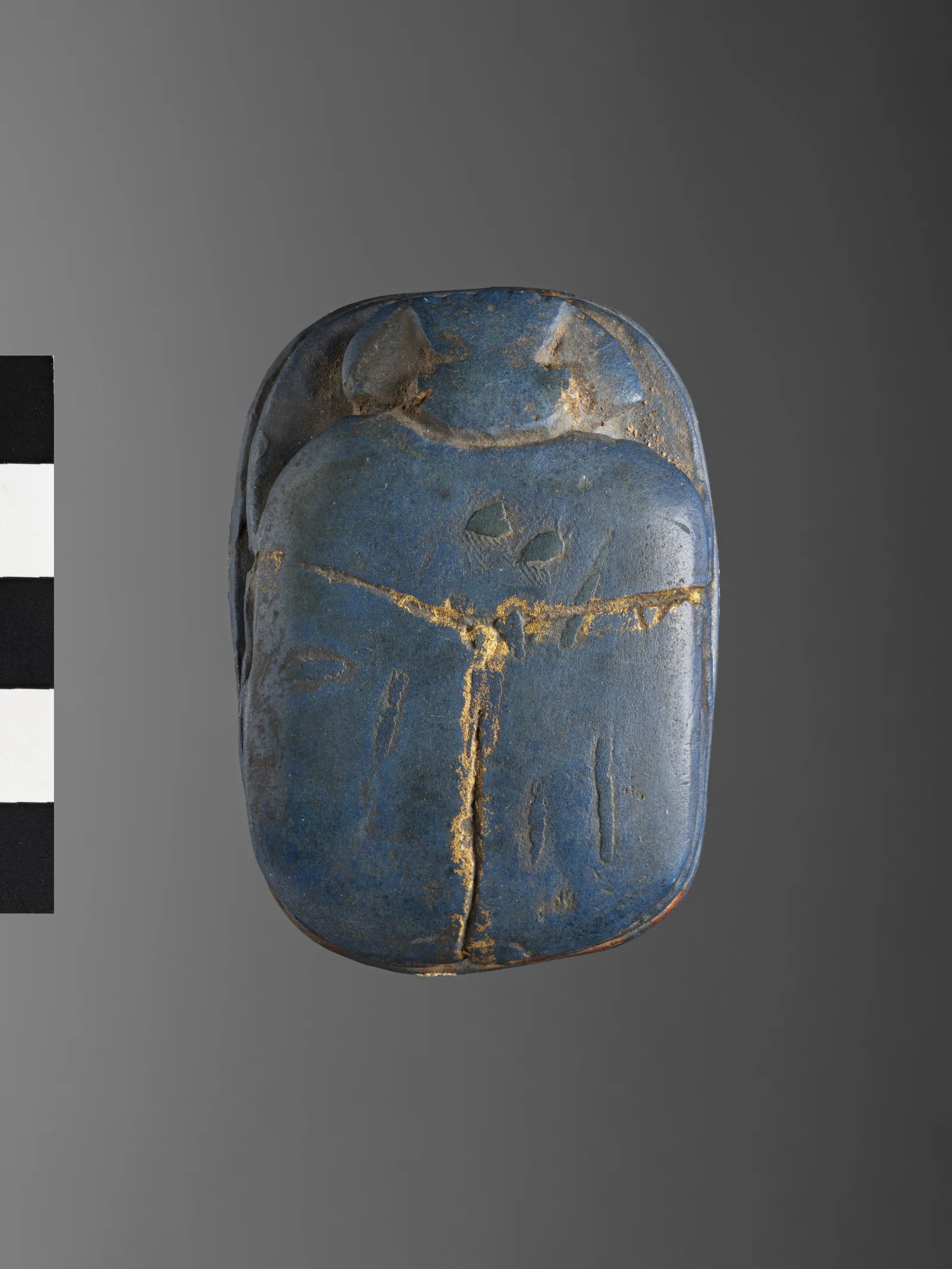
Un azul que químicos egipcios fabricaban con arena, cobre y cal hace miles de años resultó, en 2013, desintegrarse en láminas nanométricas que emiten luz infrarroja. Desde entonces se ha convertido en un polvo que revela huellas dactilares en Australia y en una sonda que ilumina embriones de mosca y hojas de plantas en Alemania. La historia de un material antiguo con una propiedad muy moderna, y una pregunta sobre nuestros laboratorios de hoy.
17 de septiembre de 2026 · 7 min de lectura
Ochenta millones de años antes de los faraones: el dinosaurio de Mansoura y los fósiles de los oasis que quemó la guerra
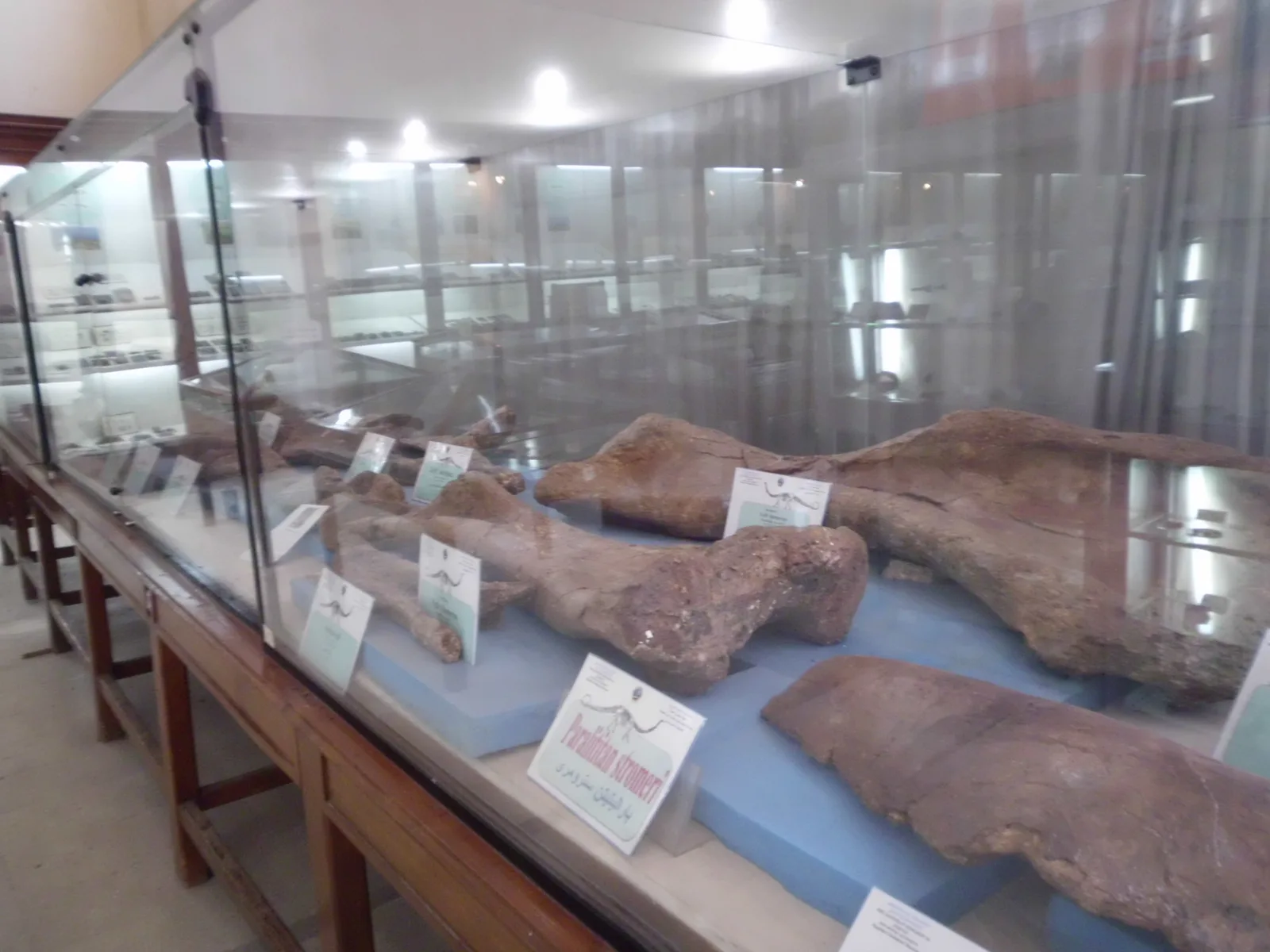
Estudiantes egipcios de la Universidad de Mansoura extrajeron de las rocas del oasis de Dakhla los huesos de Mansourasaurus, el esqueleto de dinosaurio del Cretácico superior más completo hallado en África. Un siglo antes, un científico alemán había depositado en Múnich los dinosaurios del oasis de Bahariya, y la guerra los quemó. La historia del archivo de la Tierra en el desierto de Egipto, y de una ciencia que su hijo puede estudiar aquí.
8 de septiembre de 2026 · 7 min de lectura
«Keda ghalat» («Esto está mal»): maltratar a un animal es un delito según el Código Penal egipcio desde 1937
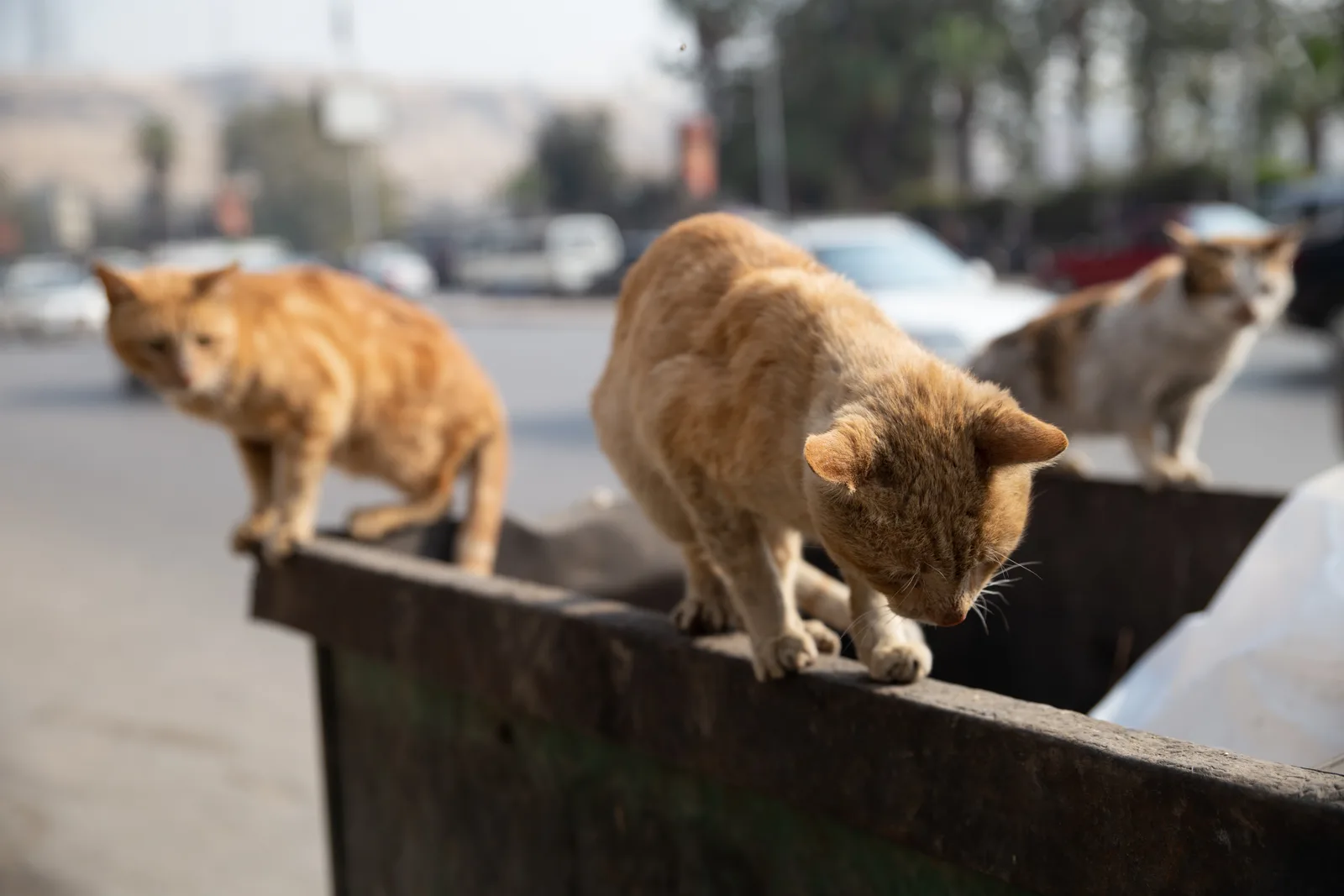
Un vecino coloca platos envenenados junto al muro de la escuela; un carretero golpea a su burro en la cara bajo una carga excesiva. Muchos creen que «es solo un animal» y que ninguna ley lo protege. En realidad, los artículos 355, 356 y 357 del Código Penal castigan matar, envenenar y maltratar animales, con penas de hasta prisión. En vísperas del Día Mundial de los Animales, explicamos qué dice la ley.
3 de octubre de 2026 · 6 min de lectura