Pantallas seguras: una guía serena y práctica para proteger a los niños en internet
Los niños están más seguros en internet cuando sus padres dialogan con ellos, no cuando solo los vigilan. Del control parental y las normas de edad de las plataformas a la conversación sobre los desconocidos y la línea de ayuda a la infancia 16000 de Egipto, una guía basada en la evidencia y sin historias de miedo.
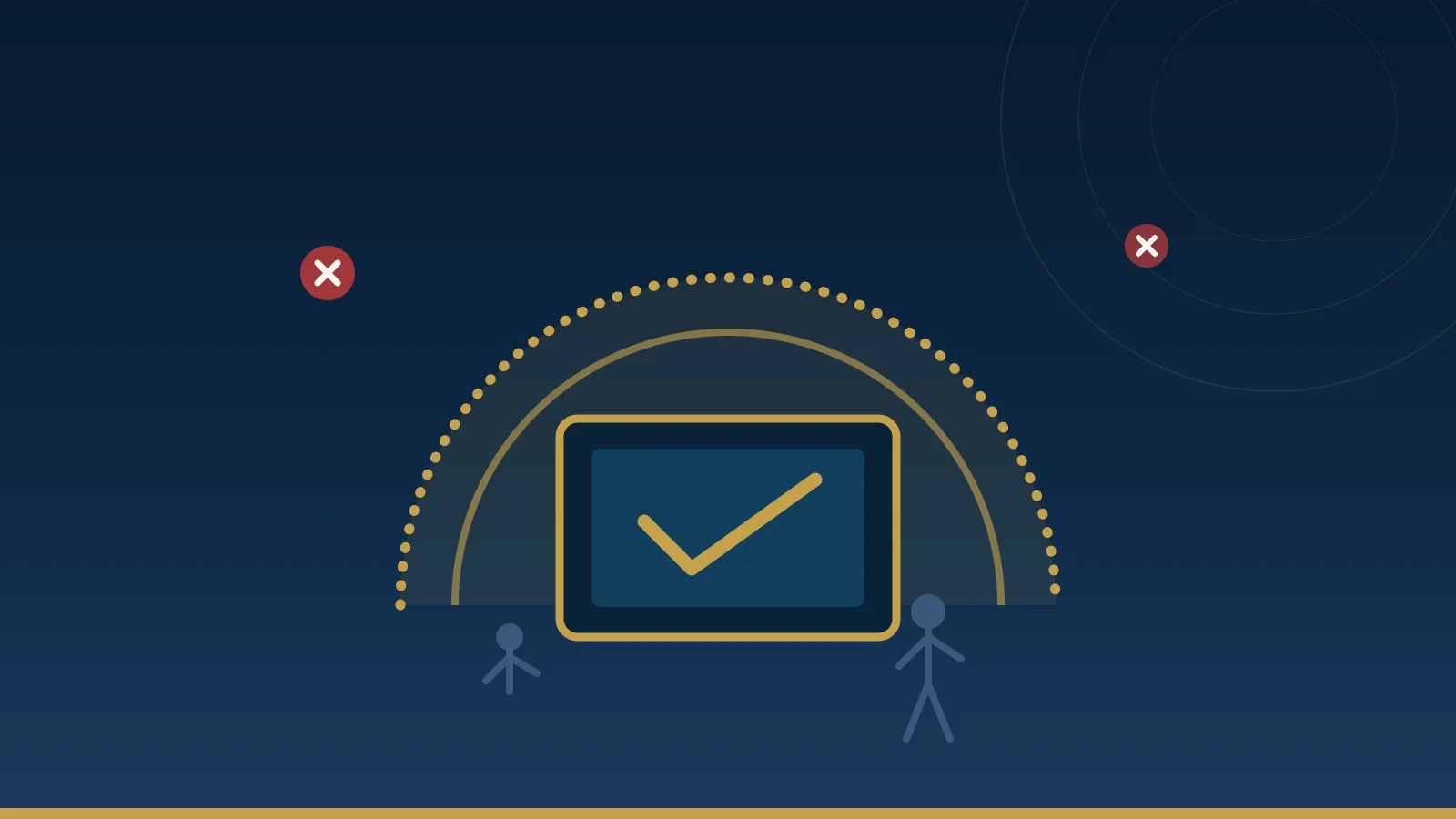
Internet ya no es un lugar que los niños visitan; es un barrio en el que crecen. Las clases, los dibujos animados, los juegos y las amistades pasan por las mismas pantallas, y fingir lo contrario no es una estrategia. La buena noticia, respaldada de forma constante por la investigación sobre protección infantil, es que los niños cuyos padres hablan con ellos de su vida en línea están más seguros que los que solo son vigilados. El objetivo no es un niño encerrado tras una valla, sino un niño competente, y la competencia se enseña, no se instala.
El pánico es mal maestro. Las historias de terror empujan a los niños a ocultar su vida en línea justo cuando la franqueza más importa, porque un niño que teme el castigo no denunciará un problema. La actitud avalada por la evidencia es la curiosidad tranquila: prueba el juego al que juega tu hijo, mira de vez en cuando lo que él mira y pregúntale con quién habla igual que preguntas por sus amigos del colegio. Los niños que esperan interés en lugar de interrogatorio cuentan mucho más por iniciativa propia, y esa iniciativa es el sistema de alerta temprana que todo padre desea de verdad.
Las normas de edad existen por algo. La mayoría de las grandes redes sociales fijan una edad mínima de trece años en sus propias condiciones de uso, y crear una cuenta para un niño más pequeño normaliza mentir sobre la edad desde el principio. Existen alternativas pensadas para ello: versiones infantiles de las plataformas de vídeo, categorías infantiles curadas en las tiendas de aplicaciones y clasificaciones por edad impresas en cada juego. Son filtros imperfectos, no niñeras, pero elegir un terreno adecuado a la edad es la decisión de seguridad más sencilla que toma una familia.
Todos los dispositivos habituales incluyen ya herramientas parentales gratuitas que la mayoría de las familias nunca abre. Family Link de Google y Tiempo de uso de Apple permiten fijar límites diarios, exigir la aprobación de un adulto para descargar aplicaciones y filtrar contenidos; los routers domésticos pueden filtrar para toda la casa; los buscadores ofrecen modos de búsqueda segura. Configúralos junto al niño y no en secreto: los controles que el niño entiende son normas, mientras que los controles descubiertos por casualidad parecen trampas e invitan a burlarlos.
La conversación sobre los desconocidos vale en internet igual que en la calle, con una diferencia que los niños deben oír de forma explícita: en la red, la gente no siempre es quien dice ser. Una cuenta con la foto de un niño puede no pertenecer a un niño. Las reglas que conviene repetir hasta el aburrimiento: nunca digas tu colegio, tu dirección ni tu teléfono; nunca envíes fotos a alguien a quien no has conocido en persona; y si alguien te pide que mantengas una conversación en secreto frente a tus padres, ese secreto es precisamente la señal para contárselo.
Los datos personales merecen sus propias normas de casa, y los padres deberían predicar con el ejemplo. Fotos familiares, uniformes escolares con logotipos visibles, etiquetas de ubicación en directo y detalles de cumpleaños filtran información que una familia quizá prefiera mantener privada. Enseñar al niño a detenerse antes de publicar —¿colgaría yo esto en el portal del edificio?— crea un hábito que sobrevive a cualquier plataforma. A los padres que publican constantemente sobre sus hijos les costará predicar contención; los niños detectan la contradicción de inmediato.
El ciberacoso rara vez se anuncia; aparece como un niño que de pronto evita un dispositivo, duerme mal o se calla sobre un juego que antes adoraba. La primera tarea de los padres es mantener abierto el canal de aviso: muchos niños callan porque temen que la respuesta sea quitarles el móvil, lo que castiga a la víctima. El consejo estándar sigue vigente: no responder a los insultos, guardar las pruebas con capturas de pantalla, bloquear la cuenta, denunciarla en la plataforma e implicar al colegio cuando hay compañeros detrás.
Los niños deben conocer la maquinaria de la autodefensa antes de necesitarla. Todas las plataformas importantes tienen botones de bloquear y denunciar, y practicarlos juntos convierte una charla abstracta en una destreza. En Egipto, la línea nacional de atención a la infancia 16000, dependiente del Consejo Nacional para la Infancia y la Maternidad, recibe avisos relativos al bienestar de los menores, y las amenazas graves en línea pueden denunciarse ante las autoridades competentes. Un niño que sabe que existe ayuda, y que pedirla trae apoyo en lugar de reproches, es un objetivo difícil.
Para los más pequeños, la estructura supera a la vigilancia. Mantener los dispositivos en espacios comunes y no en los dormitorios, acordar zonas sin pantalla como las comidas y la hora previa a dormir, y preferir el visionado compartido —sentarse a veces con el niño, comentar, reír— normaliza la idea de que internet forma parte de la vida familiar en lugar de ser una huida de ella. A medida que el niño entra en la adolescencia, los controles deben aflojarse deliberadamente mientras la conversación se hace más profunda: el destino es la autorregulación, no la supervisión permanente.
Un acuerdo familiar sobre medios —escrito entre todos y revisado cada año— recoge todo esto en una página: qué se permite, cuándo, dónde y qué ocurre cuando algo sale mal. La cláusula más importante es la de la amnistía: si ves algo que te asusta o cometes un error, ven a nosotros y lo primero que haremos será ayudarte. Criados con ese pacto, los niños tratan a sus padres como su red de seguridad y no como su adversario, y eso, más que cualquier filtro, es lo que la seguridad en línea significa de verdad.
Noticias relacionadas
Una mochila más pesada que el niño: ¿cuánto debe pesar la mochila escolar y cómo proteger la espalda de tu hijo?
Con la primera semana de clases llega a todos los hogares la misma pregunta: ¿cuántos kilos puede soportar la espalda de un niño? Explicamos la regla del 15 % de la Academia Americana de Pediatría, un estudio egipcio de Menuf donde tres cuartas partes de los alumnos sufren dolor de espalda, y un método de pesaje con báscula de baño más gestos diarios que alivian la carga antes de que se vuelva un dolor de toda la vida.
15 de septiembre de 2026 · 7 min de lectura

La paga es la primera lección de economía: cómo enseñar a tu hijo el valor del dinero y del ahorro
Antes del álgebra y la geometría, tu hijo recibe sus primeras lecciones de economía en la puerta del quiosco y en su hucha. Una guía práctica por edades: cuándo empezar con la paga, cómo repartirla entre gastar, ahorrar y dar, y por qué nunca debe atarse a las notas ni convertirse en un arma de castigo.
3 de septiembre de 2026 · 7 min de lectura
El acoso entre niños: cómo proteger a tu hijo, sea víctima, testigo o acosador
¿Cuándo una pelea en el recreo se convierte en acoso? Guía práctica para madres y padres: las señales silenciosas que el niño esconde, la conversación segura que le abre el corazón, los pasos documentados para acudir al colegio y alternativas reales al consejo de «devuélvele el golpe». Y qué hacer si el acosador es tu propio hijo, sin humillación ni negación.
27 de agosto de 2026 · 8 min de lectura