¿Cómo venció Egipto a la hepatitis C? La historia de la mayor campaña de detección y tratamiento del mundo
Egipto tenía la tasa de hepatitis C más alta del mundo y, en pocos años, se convirtió en una historia de éxito mundial de la salud pública. Esta es la crónica de la campaña «100 Millones de Vidas Sanas»: cómo el diagnóstico y el tratamiento gratuitos llegaron a millones de egipcios, hasta que la Organización Mundial de la Salud reconoció al país como pionero.
No hace tantos años, Egipto cargaba con un título nada envidiable: la mayor prevalencia del virus de la hepatitis C del mundo. Hoy la experiencia egipcia se estudia en los foros internacionales de salud pública como un modelo de lo que puede lograr la voluntad política cuando se encuentra con la ciencia moderna y una buena organización. Es una rara historia de transformación: de una pesada carga nacional a un logro certificado por la Organización Mundial de la Salud.
Las raíces de la tragedia se remontan a mediados del siglo XX, cuando el Estado emprendió grandes campañas para tratar la bilharziasis, la enfermedad parasitaria que había extenuado a los campesinos durante siglos. Las inyecciones se administraban entonces con jeringuillas de vidrio que se rellenaban y reutilizaban muchas veces sin una esterilización suficiente, en una época en la que el virus de la hepatitis C ni siquiera se había descubierto. Así, con la intención de curar una enfermedad, otro virus silencioso pasó entre cientos de miles de cuerpos y siguió transmitiéndose durante décadas a través de las transfusiones de sangre y del instrumental médico sin esterilizar.
Cuando aparecieron los medios de diagnóstico precisos, se hizo visible la magnitud de la catástrofe: las encuestas nacionales de salud realizadas hace alrededor de una década indicaban que cerca de uno de cada diez adultos egipcios portaba anticuerpos contra el virus, es decir, que había estado expuesto a la infección en algún momento. La infección crónica iba fibrosando el hígado lentamente, hasta que las enfermedades hepáticas y sus complicaciones —cirrosis y cáncer de hígado— se convirtieron en una de las principales causas de muerte y sufrimiento en el país.
Durante muchos años el único tratamiento disponible, las inyecciones de interferón, fue un calvario: meses de pinchazos semanales con efectos secundarios durísimos, parecidos a una gripe que no termina nunca, y tasas de curación modestas que en el mejor de los casos no pasaban de la mitad de los pacientes. Muchos prefirieron convivir con la enfermedad antes que afrontar ese camino, y el virus siguió extendiéndose y cobrándose vidas.
Entonces llegó el vuelco científico: la aparición de los antivirales de acción directa, encabezados por el sofosbuvir, que salió al mercado mundial a mediados de la década pasada. Comprimidos por vía oral durante unas pocas semanas, con tasas de curación superiores al noventa y cinco por ciento y efectos adversos limitados. El único problema era el precio internacional, desorbitado. Egipto negoció un descuento sin precedentes y después abrió la puerta a los laboratorios locales para que fabricaran genéricos equivalentes, lo que redujo el coste del tratamiento completo a una fracción mínima de su precio mundial.
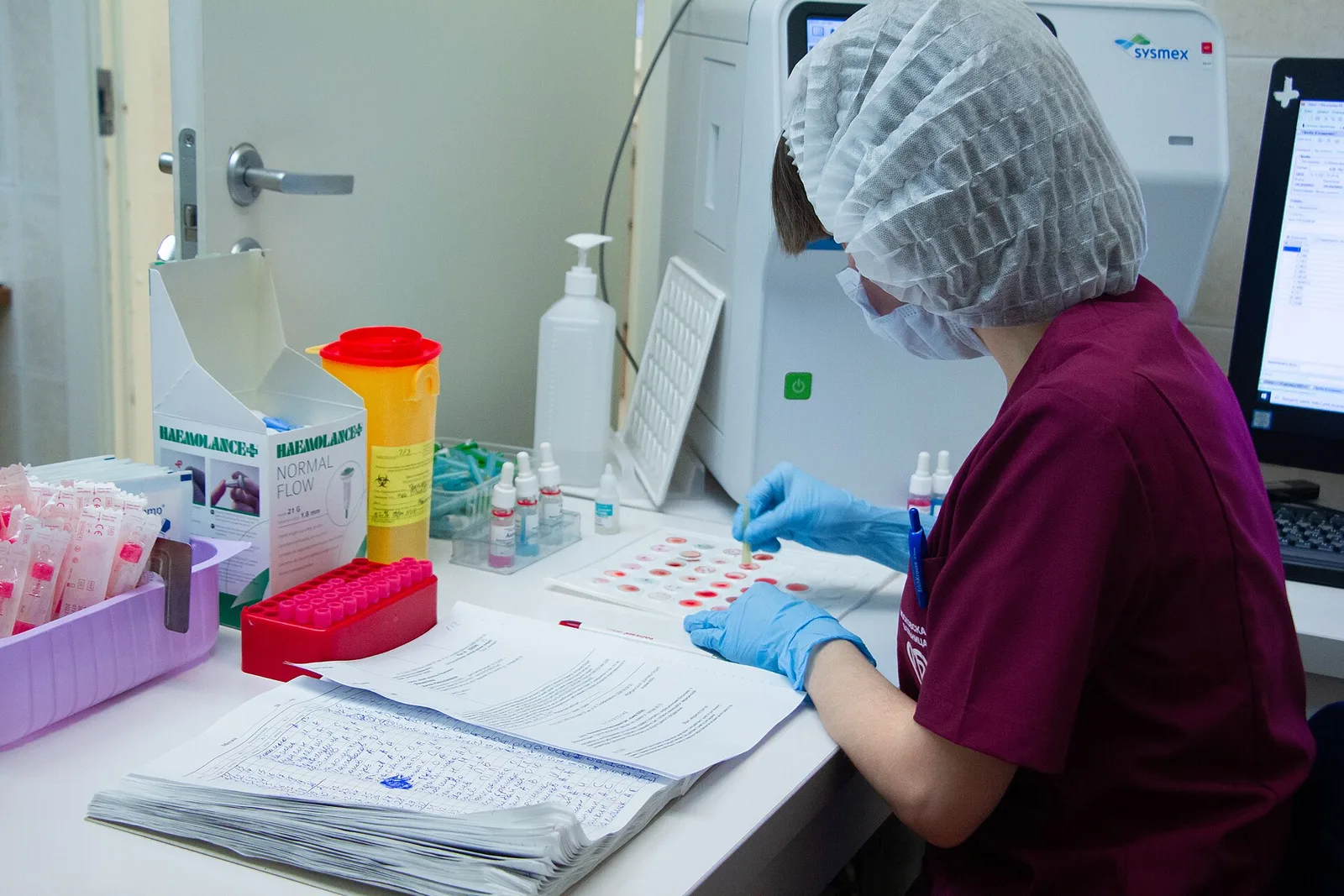
El medicamento barato no basta si el enfermo no sabe que lo está. Ahí llegó el paso más audaz: la campaña «100 millones de salud», lanzada en el otoño de 2018 con un objetivo sin precedentes en el mundo, examinar a toda la población adulta del país. Las pruebas fueron gratuitas, en unidades sanitarias, hospitales y puntos móviles que llegaron a aldeas, caseríos y estaciones de tren. Al vincular los resultados con el número de identidad nacional, fue posible seguir cada caso positivo y derivarlo a un itinerario terapéutico claro.
En pocos meses se examinó a decenas de millones de personas —unos sesenta millones de adultos— en lo que se considera la mayor campaña de cribado de una sola enfermedad en la historia de la salud pública. La campaña no se limitó a la hepatitis C: también midió la tensión arterial, la glucemia y la obesidad, y se convirtió así en un cribado integral de las enfermedades no transmisibles.
Quien daba positivo pasaba a un itinerario terapéutico gratuito y completo: análisis de confirmación, evaluación del estado del hígado y, después, dispensación del tratamiento con antivirales de acción directa. Por esa vía se trató a más de cuatro millones de egipcios a lo largo de los años del programa, y la prevalencia de la infección activa cayó de forma abrupta, un retroceso sin precedentes en un país de semejante tamaño demográfico.
El reconocimiento internacional coronó el recorrido: en 2023 la Organización Mundial de la Salud concedió a Egipto la certificación de «nivel oro» en la senda de la eliminación de la hepatitis C, y lo convirtió en el primer país del mundo en obtenerla. Significa que Egipto cumplió criterios estrictos en diagnóstico, tratamiento, seguridad de la sangre y control de infecciones, y que lo que queda es preservar lo conseguido hasta la declaración plena de la eliminación de la enfermedad como amenaza para la salud pública.
La batalla no ha terminado del todo: mantener el logro exige vigilancia constante —cribado de quienes van a casarse, de las embarazadas y de los donantes de sangre, esterilización rigurosa del instrumental médico y de los útiles de barbería y tatuaje fuera de los centros sanitarios, y tratamiento inmediato de cualquier caso nuevo antes de que transmita la infección—. Además, quienes desarrollaron una fibrosis avanzada antes del tratamiento siguen necesitando revisiones periódicas del hígado incluso después de curarse del virus.
La experiencia egipcia condensa tres lecciones que ya son referencia mundial: una decisión política que elevó el asunto a máxima prioridad nacional, un medicamento local barato que rompió el monopolio del precio internacional y un itinerario sencillo para el paciente, de la prueba a la curación, sin complicaciones ni coste. Son lecciones que hoy muchos países castigados por el virus aspiran a reproducir con el apoyo de la Organización Mundial de la Salud.
En el plano individual el mensaje es sencillo: si nunca te has hecho la prueba, el análisis está disponible y es gratuito en los centros sanitarios públicos, y el tratamiento, si aparece una infección, son unos comprimidos durante unas pocas semanas con tasas de curación casi totales. Un virus que diezmó a los egipcios durante casi un siglo se puede vencer hoy con una gota de sangre y una pastilla.
Noticias relacionadas
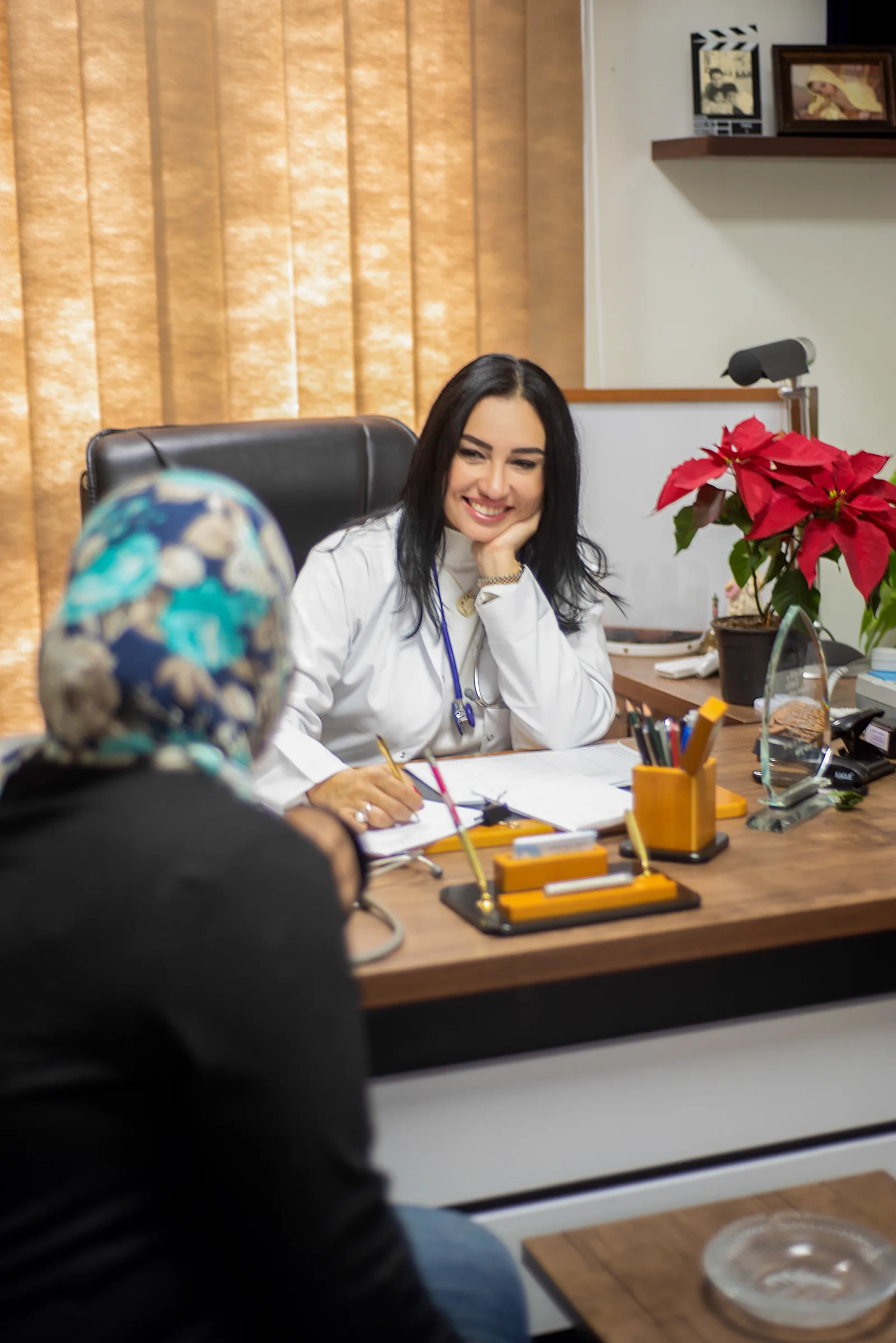
Octubre rosa: chequeo gratuito en la unidad de salud, por qué la detección precoz cambia el destino de la mujer egipcia
«No me duele nada» no es motivo para aplazarlo. Desde julio de 2019, las unidades de salud de Egipto abren sus puertas gratuitamente a toda mujer a partir de los 18 años, y en junio de 2026 la proporción de casos detectados en fase avanzada había caído del 60 % al 19,5 %. Explicamos qué ocurre en la unidad, qué señales exigen una visita y por qué el miedo retrasa esta revisión esencial.
2 de octubre de 2026 · 7 min de lectura
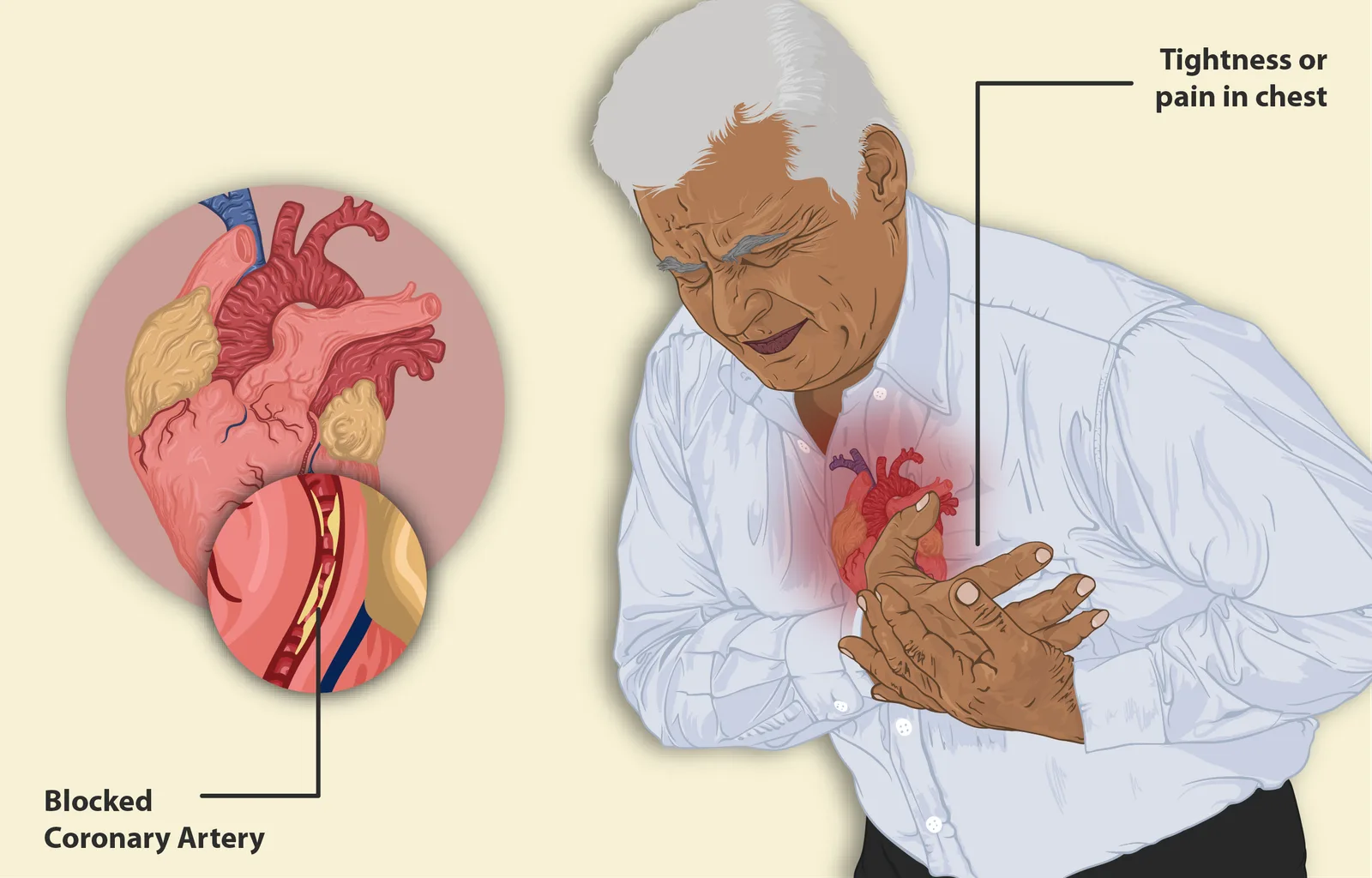
En el Día Mundial del Corazón: reconocer a tiempo la angina y el infarto, y qué hacer primero
Un hombre de cincuenta y tantos años atribuye la pesadez que siente en el pecho a una «acidez» por una cena copiosa y aplaza el hospital hasta la mañana. En el Día Mundial del Corazón explicamos la diferencia entre angina, infarto, paro cardíaco e ictus, las señales de alarma de la OMS, incluidas sus particularidades en las mujeres, y qué hacer en los primeros minutos: llamar al 123, gratuito, sentarse y no conducir.
29 de septiembre de 2026 · 7 min de lectura

La salud mental no es un lujo: cuándo la tristeza se convierte en enfermedad y dónde pedir ayuda sin estigma
Entre el «sé fuerte» y el «te falta fe», quienes viven con depresión y ansiedad se apagan en silencio. Una guía práctica que distingue la tristeza pasajera de la enfermedad que exige tratamiento, explica la diferencia entre el psiquiatra y el psicólogo y traza el camino de la ayuda en Egipto con palabras que abren la puerta en lugar de cerrarla.
31 de agosto de 2026 · 7 min de lectura