El Nilo se ahoga en plástico: la batalla diaria por salvar la arteria vital de Egipto
De las barcas de pescadores que ya sacan más botellas que peces a las iniciativas de limpieza convertidas en una pequeña economía a orillas del río: la historia del plástico que avanza sobre la arteria vital de Egipto, y por qué esta batalla concierne a cada hogar egipcio.
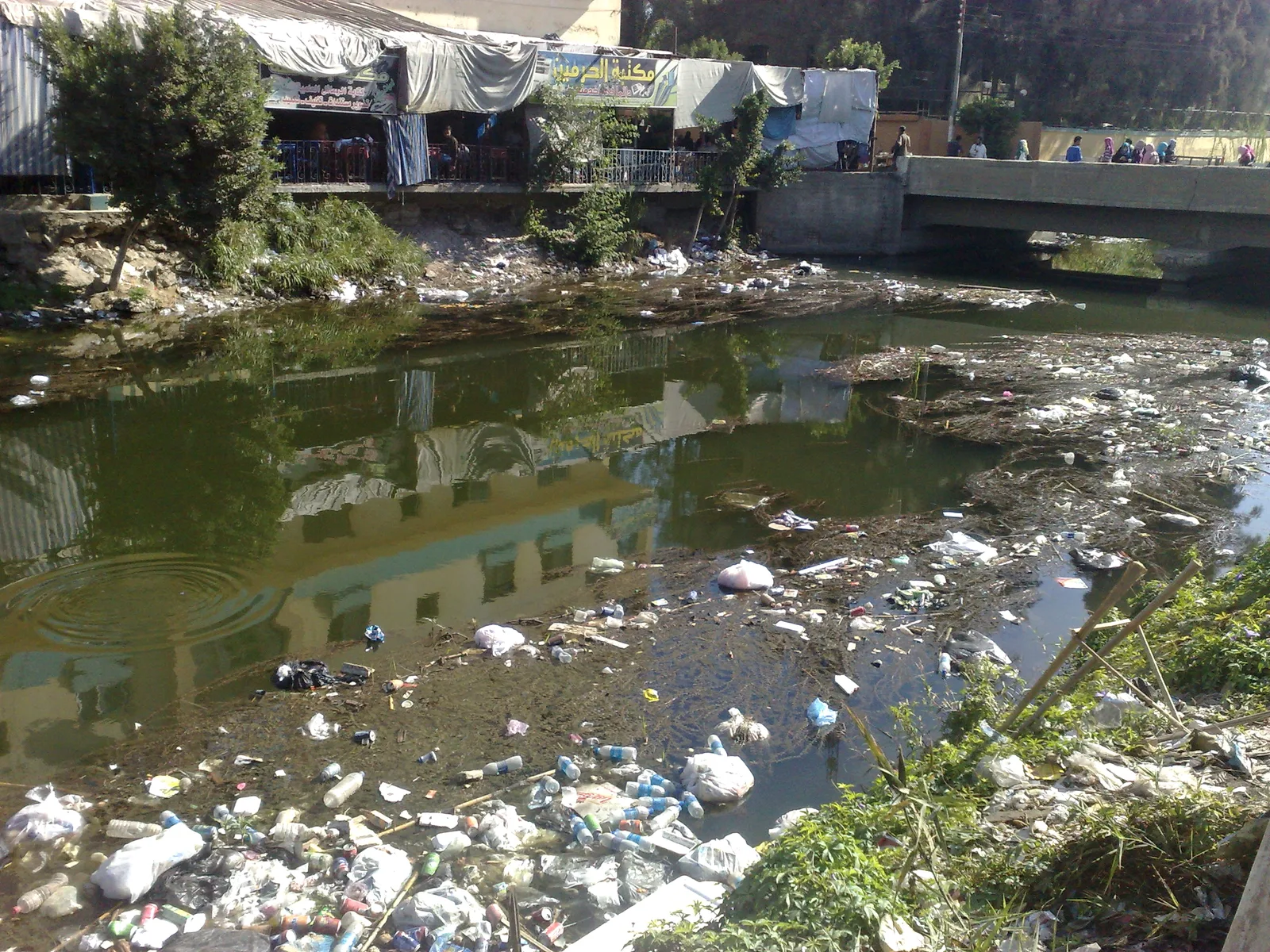
En las orillas del Nilo, a su paso por El Cairo, los pescadores llevan años acostumbrados a una escena que sus padres nunca conocieron: la red sale del agua cargada, a veces, de más bolsas y botellas de plástico que de peces. El río del que Egipto obtiene cerca del noventa y siete por ciento de sus recursos de agua dulce, en cuyas riberas se levantó una civilización de siete mil años, se enfrenta hoy a un adversario fabricado por nuestras propias manos: el plástico de un solo uso.
La magnitud del problema ya no se discute en el terreno científico. Los estudios internacionales que han rastreado los ríos que transportan residuos plásticos hasta los mares sitúan al Nilo entre los grandes ríos del mundo con mayor carga de plástico, y sucesivos informes regionales han clasificado a Egipto entre las mayores fuentes de fuga de plástico hacia el Mediterráneo, que ya es de por sí uno de los mares más contaminados por plásticos del planeta en proporción a su tamaño. La bolsa que se arroja a un canal en el fondo del Delta no desaparece: emprende un largo viaje hacia el río y, después, hacia el mar.
Más grave que lo que ve el ojo es lo que no alcanza a ver. El plástico no se deshace en el agua: se fragmenta en partículas diminutas conocidas como microplásticos, y estudios científicos publicados han documentado su presencia en los peces del Nilo, empezando por la tilapia, el pescado más habitual en las mesas egipcias. Así, lo que arrojamos al río vuelve a nosotros en el plato, en un ciclo silencioso del que nadie se libra.
¿Cómo hemos llegado hasta aquí? Las causas se entrelazan: bolsas que se regalan sin cuenta en cada tienda y cada cafetería; una cultura del usar y tirar que hace que una botella, un vaso o un tenedor sirvan unos minutos y perduren siglos; y las lagunas del sistema de recogida de residuos, que llevan a algunas zonas a tratar canales y desagües como vertederos abiertos. El problema no está en el plástico como material, sino en un patrón de consumo que trata lo que permanece siglos en el medio ambiente como si careciera de valor y de consecuencias.
Y sin embargo, en las orillas de ese mismo río nació una de las respuestas más inspiradoras. En 2018, dos jóvenes entidades egipcias del ámbito social y ambiental lanzaron la iniciativa «VeryNile», presentada como la primera dedicada por entero a limpiar de residuos el río Nilo. Empezó con campañas de voluntarios en kayak que recogían lo que flotaba en la superficie y evolucionó después hacia un modelo de efecto más profundo y duradero.
El eje de ese modelo son los propios pescadores y, en el centro de todos ellos, los habitantes de la isla de Qursaya, en mitad del Nilo a su paso por El Cairo. En lugar de seguir siendo un enemigo que rompe las redes y ahuyenta el sustento, el plástico se convirtió en un recurso: los pescadores recogen los residuos del río y cobran por cada kilogramo; después los materiales se separan, se procesan y se reciclan, y algunos se transforman en productos cuya venta revierte de nuevo en el sistema. Así, la limpieza pasó de ser una obra benéfica de temporada a una pequeña economía sostenible a la orilla del río.
Esta historia tampoco está aislada de una tradición egipcia de reciclaje mucho más antigua. Los recolectores tradicionales de basura de El Cairo, conocidos como zabbaleen, han construido a lo largo de décadas uno de los sistemas informales de recuperación más eficientes del mundo: los estudios acreditan que reciclan una proporción excepcionalmente alta de lo que recogen. Cualquier solución seria a la crisis del plástico en Egipto pasa por reconocer e integrar esa experiencia acumulada, no por saltar por encima de ella.
En el plano de las políticas públicas, el Estado ha dado pasos documentados: la gobernación del Mar Rojo prohibió en 2019 el plástico de un solo uso para proteger su medio marino y los arrecifes sobre los que se sostiene la economía del buceo y el turismo, y el Ministerio de Medio Ambiente ha puesto en marcha campañas nacionales para reducir el consumo de bolsas de plástico y fomentar alternativas. Las experiencias internacionales documentadas, desde las tasas sobre las bolsas hasta la prohibición total en algunos países, demuestran que las políticas firmes reducen drásticamente el consumo cuando van acompañadas de alternativas al alcance de todos.
Pero las políticas por sí solas no limpian un río que millones de personas utilizan cada día: aquí el ciudadano tiene un papel directo que nadie puede desempeñar en su lugar. La regla de oro es un trío sencillo: reduce, reutiliza y recicla. Lleva al mercado una bolsa de tela en vez de diez que acabarán tiradas una hora después, usa una botella que puedas rellenar en lugar de botellas que se desechan, rechaza la pajita y la bolsa cuando no las necesites, no conviertas nunca el canal o el desagüe en un vertedero por mucho que lo hagan otros y súmate, si puedes, a las campañas de limpieza que se multiplican en las riberas.
A las empresas les corresponde una parte de la obligación que no prescribe: quien coloca un producto dentro de un envase asume parte de la responsabilidad por su destino, principio conocido en todo el mundo como responsabilidad ampliada del productor. Reducir el embalaje, ofrecer envases rellenables y apoyar los sistemas de recuperación se han convertido en muchos países en obligaciones y no en donativos, y la tendencia global avanza con firmeza hacia consolidarlas.
Habrá quien objete que un río de semejante longitud no se salva con bolsas de tela y kayaks; sería una objeción atinada si la batalla se librara con una sola herramienta. Pero lo que demuestra la experiencia egipcia e internacional es que las soluciones se acumulan: una política que limita las bolsas aquí, una iniciativa que crea una economía de la recogida allá, una conciencia que cambia los hábitos de millones de hogares, una industria que rediseña sus envases. Cada una de esas capas aligera la carga del río, y es su suma la que marca la diferencia.
El Nilo se lo ha dado todo a Egipto: su agua, su comida, su limo y su propia civilización. Por primera vez en su larga historia, el río necesita que sus hijos le devuelvan el favor, y no con consignas ni con canciones, sino con algo más sencillo y más difícil: una bolsa que no se tira, una botella que se reutiliza, una costumbre que cambia. La batalla contra el plástico no es solo cosa de los ecologistas: es la causa de todo el que bebe de este río, es decir, de todos los egipcios.
Noticias relacionadas
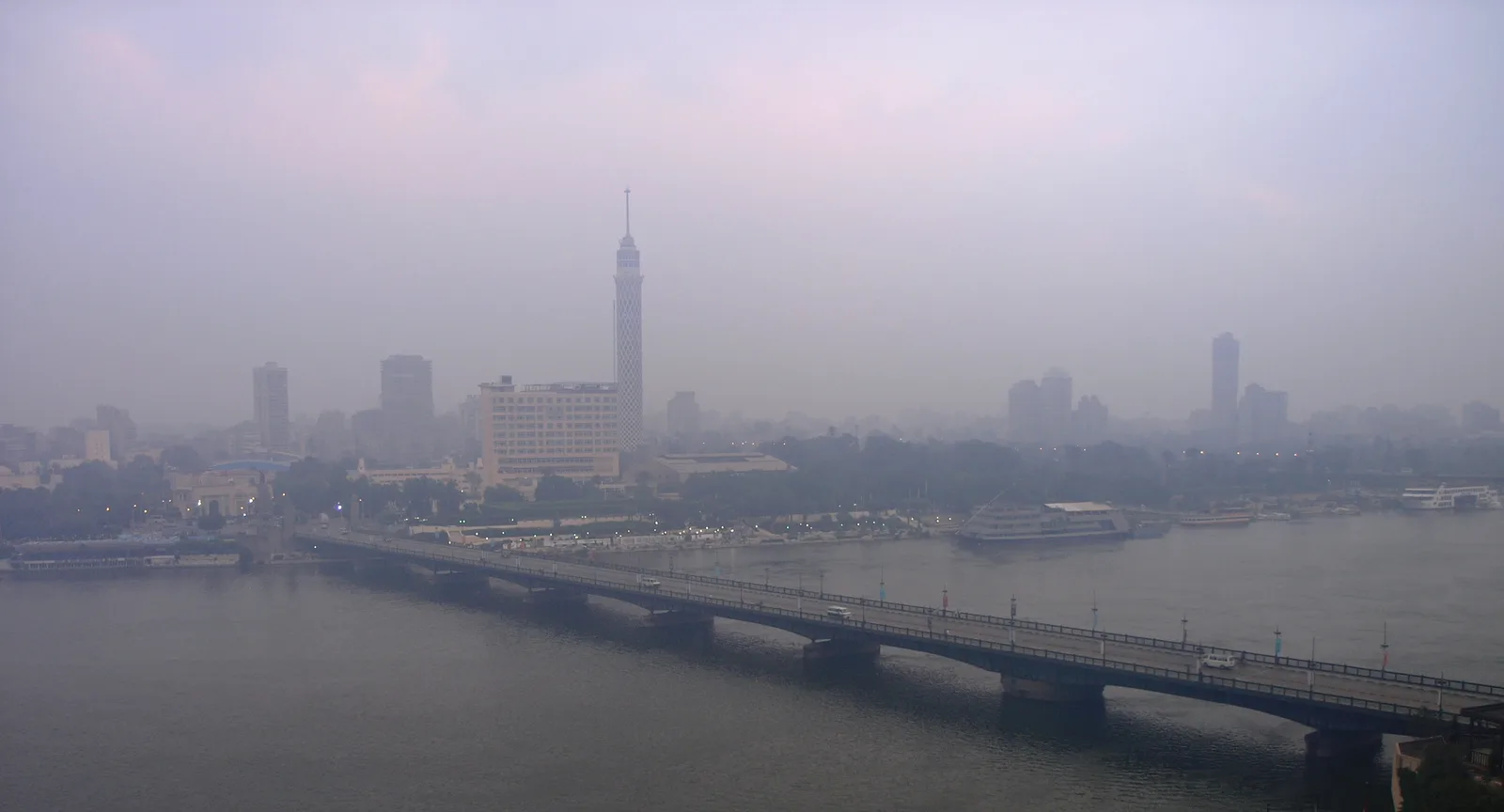
El aire de El Cairo, una causa nacional: de la «nube negra» al autobús eléctrico, la batalla de cada respiración
Cada otoño, la «nube negra» vuelve a asfixiar el Gran Cairo, pero lo que de verdad mata es lo que no vemos: partículas más finas que un cabello que se cuelan en los pulmones y en la sangre. En vísperas del Día Mundial sin Coche, abrimos el expediente de uno de los problemas de salud ambiental más graves del Gran Cairo: qué dicen las cifras, qué se está haciendo y qué puede hacer usted en su día a día.
21 de septiembre de 2026 · 7 min de lectura

El mar avanza sobre el Delta: cómo Egipto defiende su tierra más fértil con barreras de arena y caña
En la carretera costera de Burullus, dunas fijadas con caña permanecen en pie; detrás, un campesino prueba el agua de su pozo y la encuentra salada. Una crisis silenciosa amenaza a una cuarta parte de los egipcios: un mar que sube y una tierra que se hunde. El artículo expone el peligro con cifras y presenta un proyecto de 105 millones de dólares que levantó 69 kilómetros de barreras blandas, preguntando qué papel corresponde al ciudadano.
13 de septiembre de 2026 · 8 min de lectura
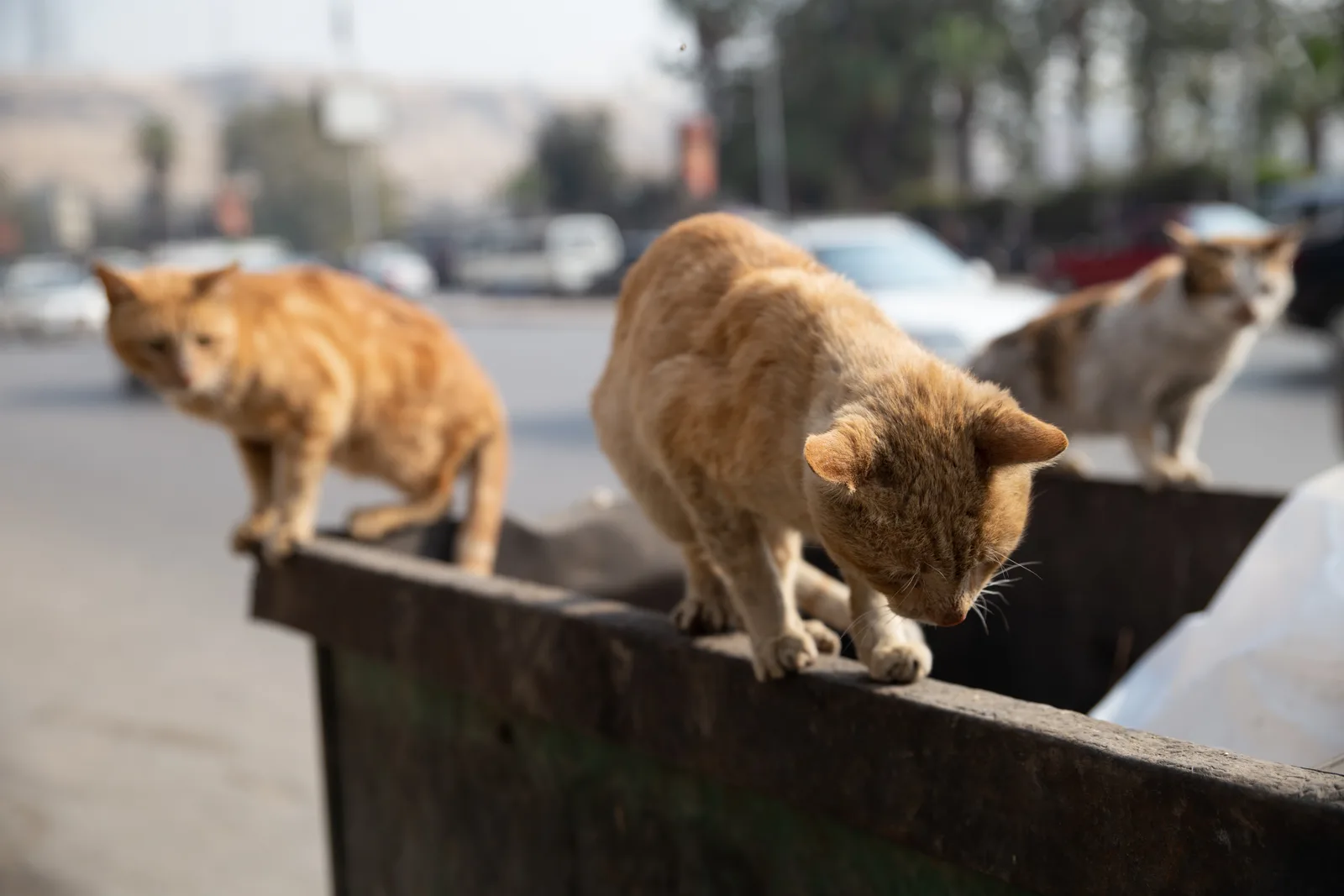
«Keda ghalat» («Esto está mal»): maltratar a un animal es un delito según el Código Penal egipcio desde 1937
Un vecino coloca platos envenenados junto al muro de la escuela; un carretero golpea a su burro en la cara bajo una carga excesiva. Muchos creen que «es solo un animal» y que ninguna ley lo protege. En realidad, los artículos 355, 356 y 357 del Código Penal castigan matar, envenenar y maltratar animales, con penas de hasta prisión. En vísperas del Día Mundial de los Animales, explicamos qué dice la ley.
3 de octubre de 2026 · 6 min de lectura