El crecimiento demográfico: ¿cómo convertirlo de una carga que devora el desarrollo en una riqueza humana?
La población de Egipto ha superado los cien millones de habitantes, y el crecimiento demográfico devora una gran parte de cada avance en el desarrollo. Pero las experiencias de Irán, Bangladés, Indonesia, Túnez y Corea del Sur demuestran que la transformación es posible: de una carga que desangra la economía a una riqueza humana capaz de impulsar el renacimiento. Este es el mapa de soluciones prácticas: lo que puede hacer la familia, lo que puede hacer el Estado y lo que pueden hacer los medios.
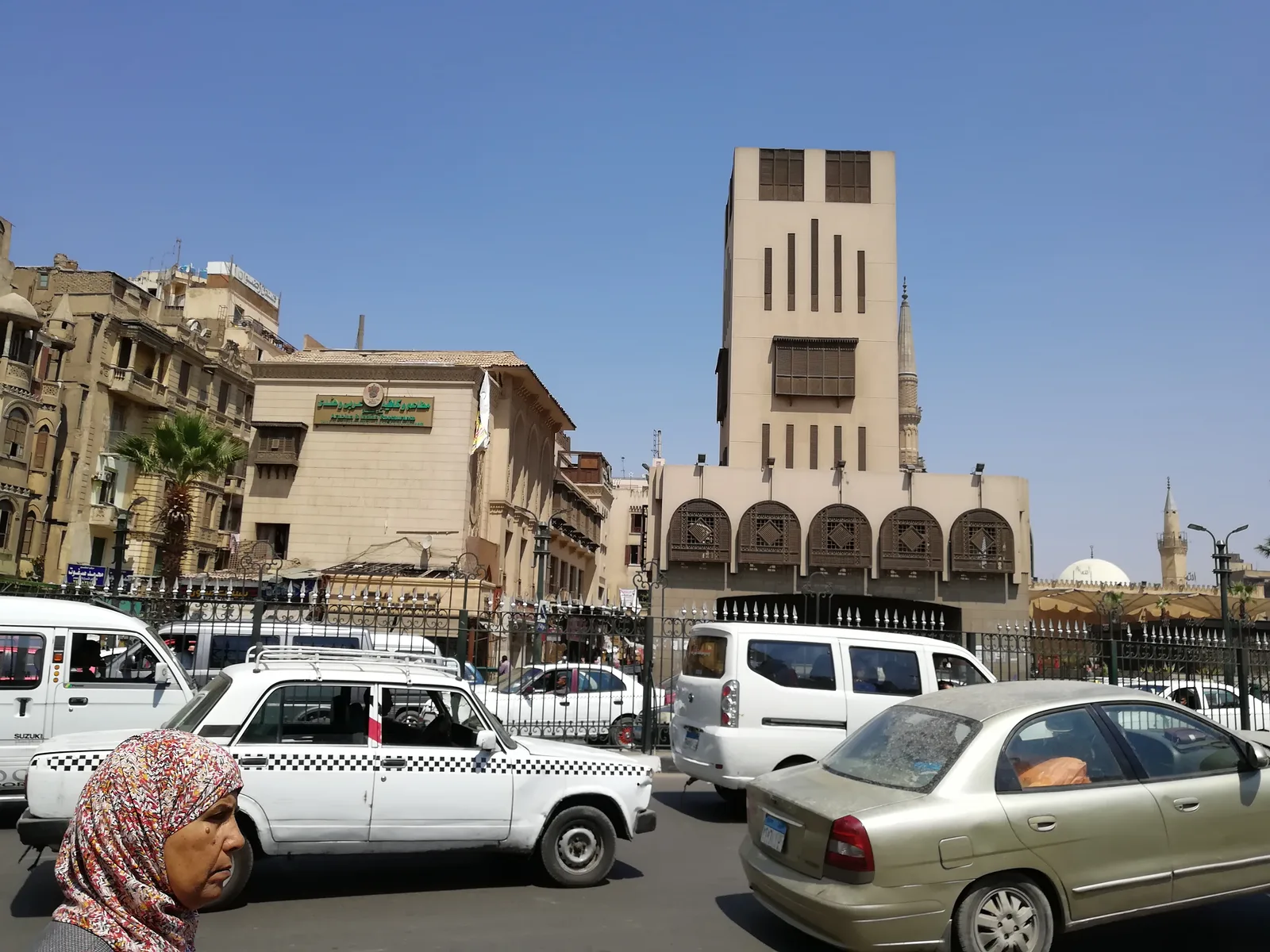
En febrero de 2020, la población de Egipto superó oficialmente los cien millones de habitantes; hoy supera los ciento seis millones. Cada año el Estado construye escuelas y hospitales, crea empleos y entrega viviendas; y cada año el crecimiento demográfico se traga una parte enorme de esa ganancia antes de que el ciudadano llegue a notarla. No son consignas: es una cuenta que cada hogar vive a diario en las aulas abarrotadas, en las colas de los hospitales y en la pugna por un puesto de trabajo.
La cuenta de la carga es sencilla: el crecimiento económico se divide entre el número de habitantes. Por mucho que sume la economía, un crecimiento demográfico más rápido devora la parte que corresponde a cada persona: la del agua, cuya disponibilidad por habitante retrocede año tras año; la de la educación; la de la vivienda; y la de los cientos de miles de empleos que hay que crear cada año solo para absorber a quienes se incorporan al mercado laboral, antes siquiera de hablar de mejorar la situación de quienes ya estaban en él.
Seamos precisos en lo que decimos y en lo que no decimos: esta no es una campaña contra tener hijos, sino contra la natalidad sin planificación. El ser humano es la mayor riqueza de las naciones cuando está educado, sano y empleado; la carga está en la brecha entre la velocidad a la que crece la población y la velocidad a la que crecen los recursos, las escuelas y los puestos de trabajo. Cerrar esa brecha es toda la cuestión.
Egipto no se ha quedado de brazos cruzados. La campaña «Dos son suficientes», lanzada por el Ministerio de Solidaridad Social en 2018, llevó la sensibilización sobre planificación familiar a los hogares rurales; las unidades sanitarias ofrecen servicios de planificación familiar, y las estrategias nacionales de población fijan objetivos sucesivos. Las encuestas oficiales apuntan a un descenso de la fecundidad en los últimos años —un avance real—, pero la tasa sigue por encima del nivel de reemplazo y el aumento anual sigue siendo enorme. La lección de las experiencias exitosas del mundo es que estos esfuerzos deben sostenerse durante décadas, no durante una temporada.
Fíjate en la experiencia de Irán en los años noventa: uno de los descensos de la fecundidad más rápidos que se han documentado en la historia. El liderazgo religioso respaldó públicamente la planificación familiar, una red rural de «casas de salud» llevó servicios gratuitos a las aldeas y quienes iban a casarse recibieron cursos de formación. En cerca de una década y media, la media cayó de unos seis hijos por mujer a mediados de los años ochenta a unos dos al comenzar el nuevo milenio.
Fíjate en Bangladés, que era más pobre que Egipto cuando empezó. Las trabajadoras sanitarias llamaron puerta a puerta y llevaron asesoramiento y anticonceptivos a mujeres que no llegaban a las clínicas; la educación de las niñas se amplió, y los microcréditos y el empleo en la industria textil dieron a millones de mujeres ingresos y posición. La fecundidad bajó de más de seis hijos por mujer en los años setenta a unos dos en la actualidad.
Fíjate en Indonesia, el país de mayoría musulmana más poblado del mundo. Desde 1970, su organismo nacional de planificación familiar construyó un programa que llegó a cada aldea e implicó a los líderes comunitarios y a los estudiosos religiosos en lugar de enfrentarse a ellos: la prueba de que esta causa puede defenderse desde dentro de la fe y los valores de una sociedad, y no contra ellos.
Fíjate en Túnez, pionero en el mundo árabe. Desde finales de los años cincuenta y a lo largo de los sesenta elevó la edad para casarse, invirtió en la educación de las niñas, amplió los derechos de la mujer y puso a su alcance los métodos de planificación familiar; así mantuvo durante décadas una de las tasas de fecundidad más bajas del mundo árabe.
Llega entonces la otra mitad de la historia: convertir la explosión juvenil en un dividendo demográfico. Hacia 1960, Corea del Sur tenía una tasa de fecundidad cercana a seis hijos y una renta modesta. Redujo la natalidad mientras inyectaba inversión en una educación de alta calidad y en industrias exportadoras, de modo que su gran generación joven entró en el mercado laboral como mano de obra cualificada y no como juventud desempleada. Los economistas atribuyen buena parte del «milagro asiático» precisamente a ese dividendo: menos personas dependientes, más trabajadores y más ahorro, siempre que los trabajadores estén formados y los empleos existan.
En todos estos modelos se repiten los mismos hilos. La educación de las niñas y el empleo de las mujeres son las dos palancas más poderosas que se han probado jamás: una mujer educada y con trabajo elige un matrimonio más maduro y menos hijos, y más sanos. Los servicios deben viajar hasta la gente en lugar de esperarla. Los líderes religiosos y comunitarios deben ser socios. Y el compromiso del Estado debe extenderse a lo largo de décadas y de gobiernos, a salvo de los vaivenes del ánimo.
¿Qué puede hacer la familia? Planificar y espaciar los nacimientos, y hacerse la pregunta sincera: ¿puedo educar a este niño, alimentarlo y atenderlo como es debido? Dos hijos bien educados y bien cuidados elevan a una familia más alto que muchos dejados al azar. También corresponde a la familia rechazar el matrimonio de menores y la mutilación genital femenina —un delito castigado por la ley egipcia—, porque ambos son eslabones de la misma cadena de pobreza que se hereda de generación en generación.
¿Y qué le corresponde al Estado? Sostener y ampliar las campañas en lugar de dejar que se enciendan y se apaguen; equipar las unidades sanitarias rurales para que ninguna mujer quede a más de un trayecto corto de unos servicios gratuitos de planificación familiar; seguir ampliando la escolarización de las niñas y la alfabetización; abrir vías laborales reales para las mujeres, y vincular —donde sea posible— los programas de ayuda a la salud del niño y a su asistencia regular a la escuela. Y por encima de todo: la continuidad, de modo que cada gobierno construya sobre lo que levantó el anterior.
¿Y los medios de comunicación, entre los que nos contamos? Nuestro compromiso es mantener esta causa viva y en primer plano, y no convertirla en un asunto de temporada; presentar con honestidad los modelos que han funcionado en el mundo; desmentir los rumores y los mitos que rodean a la planificación familiar, y dirigirnos al ciudadano en un lenguaje que lo respete, sin sermonearlo ni culparlo, porque la gente responde al respeto y no al reproche.
La diferencia entre una carga y una riqueza nunca ha sido el número de personas, sino lo que una nación invierte en ellas. Egipto tiene hoy una enorme generación joven que puede ser el combustible de un despegue económico real, pero la ventana demográfica no permanece abierta para siempre. Los países que planificaron convirtieron a sus pueblos en su mayor activo. Esa elección es nuestra, y su momento es ahora.
Noticias relacionadas

El aire de El Cairo, una causa nacional: de la «nube negra» al autobús eléctrico, la batalla de cada respiración
Cada otoño, la «nube negra» vuelve a asfixiar el Gran Cairo, pero lo que de verdad mata es lo que no vemos: partículas más finas que un cabello que se cuelan en los pulmones y en la sangre. En vísperas del Día Mundial sin Coche, abrimos el expediente de uno de los problemas de salud ambiental más graves del Gran Cairo: qué dicen las cifras, qué se está haciendo y qué puede hacer usted en su día a día.
21 de septiembre de 2026 · 7 min de lectura

El mar avanza sobre el Delta: cómo Egipto defiende su tierra más fértil con barreras de arena y caña
En la carretera costera de Burullus, dunas fijadas con caña permanecen en pie; detrás, un campesino prueba el agua de su pozo y la encuentra salada. Una crisis silenciosa amenaza a una cuarta parte de los egipcios: un mar que sube y una tierra que se hunde. El artículo expone el peligro con cifras y presenta un proyecto de 105 millones de dólares que levantó 69 kilómetros de barreras blandas, preguntando qué papel corresponde al ciudadano.
13 de septiembre de 2026 · 8 min de lectura
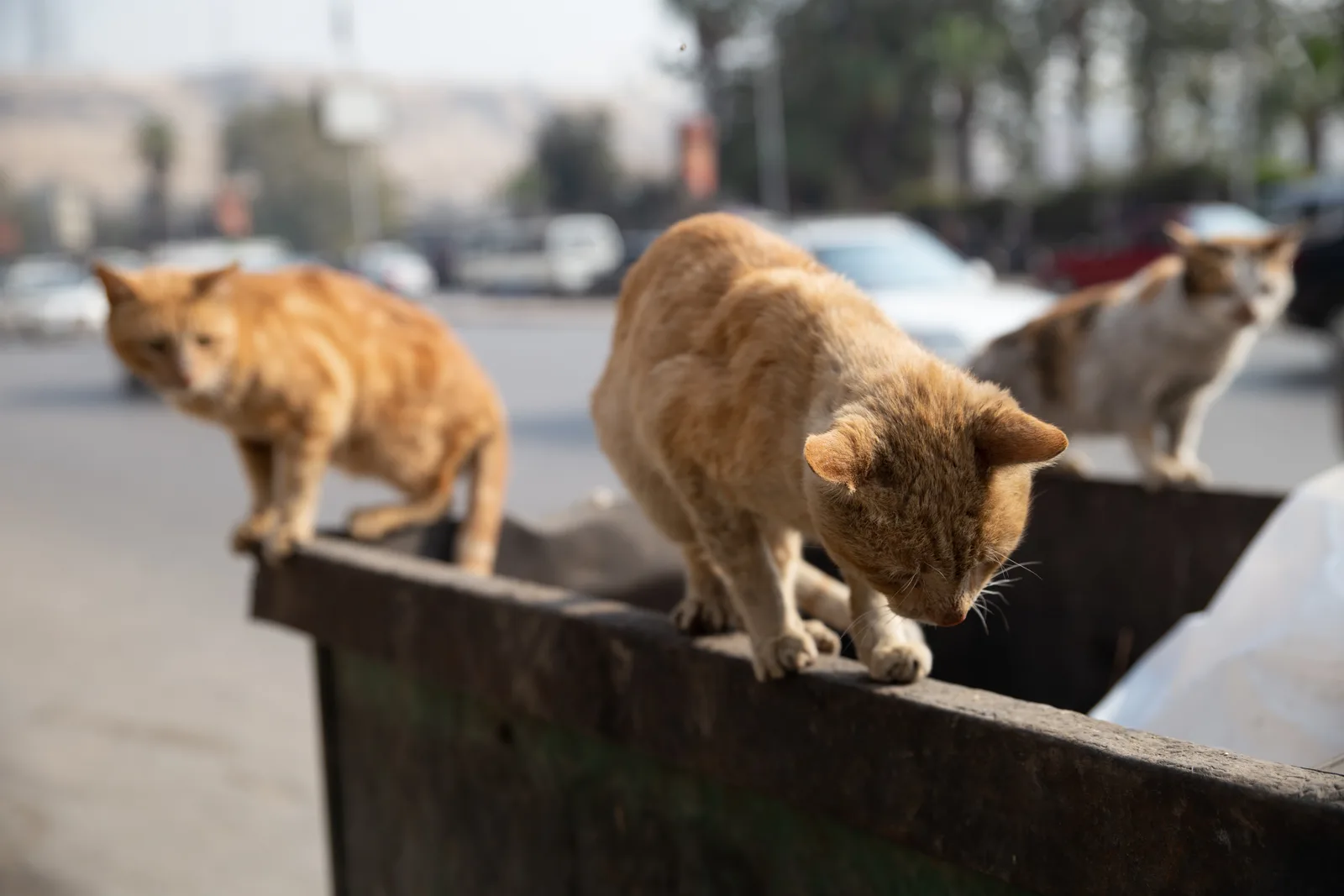
«Keda ghalat» («Esto está mal»): maltratar a un animal es un delito según el Código Penal egipcio desde 1937
Un vecino coloca platos envenenados junto al muro de la escuela; un carretero golpea a su burro en la cara bajo una carga excesiva. Muchos creen que «es solo un animal» y que ninguna ley lo protege. En realidad, los artículos 355, 356 y 357 del Código Penal castigan matar, envenenar y maltratar animales, con penas de hasta prisión. En vísperas del Día Mundial de los Animales, explicamos qué dice la ley.
3 de octubre de 2026 · 6 min de lectura