¿Cómo criar a un lector? Guía de la familia egipcia para sembrar en los niños el amor por los libros
Un niño lector no nace por casualidad. Del cuento antes de dormir y los clásicos de Kamel Kilani a las bibliotecas públicas, las estanterías escolares y la Feria Internacional del Libro de El Cairo, una guía práctica sobre cómo las familias egipcias pueden sembrar en sus hijos el amor por los libros y la lectura en árabe.
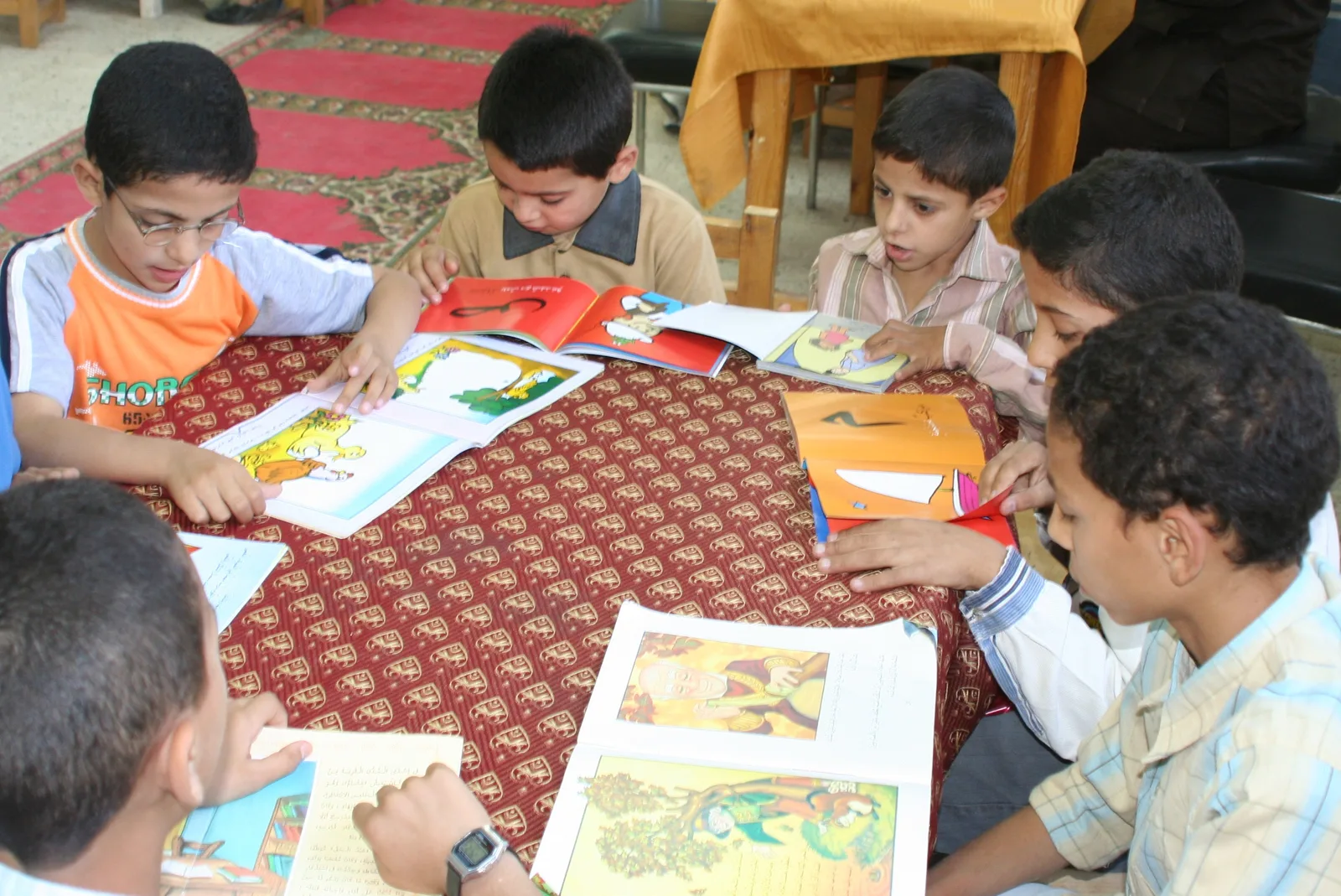
Pregunta a cualquier maestro qué distingue a los alumnos que destacan de los demás y la respuesta casi nunca cambia: los lectores van por delante. La lectura alimenta el vocabulario, la imaginación, la concentración y la empatía, y sus efectos se acumulan en silencio a lo largo de toda la escolaridad. Y sin embargo, un niño lector casi nunca nace por casualidad: detrás de cada pequeño lector hay una familia que trató los libros como objetos domésticos corrientes —tan presentes en la casa como el pan— y un adulto que un día convirtió el cuento en un regalo y no en una obligación.
El hábito empieza antes de lo que supone la mayoría de los padres, mucho antes de que el niño descifre una sola letra. Los bebés a los que se les lee absorben la música del idioma; los pequeños que manosean libros de cartón aprenden que las páginas esconden sorpresas. Egipto cuenta aquí con un pozo profundo del que beber: la tradición oral de las abuelas y los cuentos populares del país son, en sí mismos, una literatura temprana. El padre o la madre que narra en voz alta —de memoria, de un libro o de la imaginación— ya está criando a un lector.
La casa misma dice más que cualquier discurso sobre el valor de la lectura. Los niños imitan lo que ven, no lo que se les dice: un padre absorto en el móvil mientras ordena a su hijo que lea envía dos mensajes, y gana el más ruidoso. Las familias que crían lectores mantienen los libros al alcance de la mano y a la vista, visitan la librería o el puesto de libros igual que visitan la tienda de comestibles, y protegen un pequeño rato de calma en el que todos leen algo, los adultos antes que los niños.
El árabe plantea una dificultad real que conviene nombrar en lugar de ignorar: la distancia entre el dialecto egipcio que el niño habla en casa y el árabe estándar moderno en el que se escriben los libros. Los especialistas en enseñanza del árabe aconsejan tender el puente con delicadeza: leer el texto culto en voz alta y explicarlo en el habla del niño, elegir álbumes ilustrados de lengua sencilla y musical, y no convertir nunca el árabe culto en un instrumento de corrección y reprimenda. El niño que asocia los libros con la regañina acabará por cerrarlos.
Las familias egipcias son herederas de una rica tradición de escritura para la infancia. Kamel Kilani, considerado el pionero de la literatura árabe infantil, empezó ya en la primera mitad del siglo XX a reescribir para los lectores más jóvenes las obras maestras del mundo y los relatos árabes. Generaciones enteras crecieron con las revistas infantiles de las grandes editoriales —«Samir», de Dar al-Hilal, y «Alaa el-Din», de Al-Ahram—, cuyas historietas y series enseñaron a millones de egipcios que leer en árabe podía ser un placer puro.
Los estantes de hoy son mucho más amplios de lo que muchos padres creen. Las editoriales egipcias y árabes publican álbumes ilustrados, novelas juveniles y traducciones al árabe de series internacionales, y los premios regionales dedicados a la literatura infantil árabe han elevado a la vez la calidad y la visibilidad. El álbum ilustrado, en particular, ha florecido: los ilustradores egipcios han dado a los relatos árabes una vida visual que compite con soltura con lo importado. En cuanto a la vieja queja de que «no hay nada bueno para niños en árabe», el tiempo simplemente la ha dejado atrás.
La Feria Internacional del Libro de El Cairo, celebrada cada invierno desde 1969 y una de las mayores del mundo, lleva mucho tiempo siendo una excursión familiar de alcance nacional. Sus pabellones infantiles, sus ediciones rebajadas y sus encuentros con autores dan a muchos niños egipcios su primera experiencia de elegir un libro con sus propias manos, un acto que los bibliotecarios consideran decisivo, porque el libro que el niño elige es el libro que el niño termina. Las ferias regionales de las gobernaciones extienden esa misma experiencia más allá de la capital.
Las bibliotecas públicas le dan al hábito una casa fuera de casa. La Biblioteca de Alejandría alberga una biblioteca infantil dentro de una de las instituciones lectoras más famosas del mundo; las redes de bibliotecas públicas y los palacios de cultura repartidos por las gobernaciones gestionan secciones y actividades para niños; y muchas mezquitas e iglesias mantienen sus propios estantes de préstamo. El carné de biblioteca cuesta poco, y el rito de tomar prestado y devolver enseña a los niños que los libros circulan, y que leer es un hábito público y no un lujo privado.
Las bibliotecas escolares y las horas de lectura pueden encender el hábito o apagarlo, y ahí los padres tienen más influencia de la que imaginan. Preguntar al niño qué está leyendo la clase, acudir a los días del libro del colegio, regalar un estante de títulos e insistir con calma en que la hora de biblioteca se proteja en vez de sacrificarse al repaso son señales de que la familia considera la lectura parte de la educación y no un adorno. El maestro que lee en voz alta a sus alumnos vale su peso en oro, y los padres harían bien en darle las gracias.
Los detalles cotidianos son sencillos e indulgentes. El cuento antes de dormir, aunque sean diez minutos, es el ritual más fiable de todos. Deja que tu hijo elija y respeta su elección: los cómics, los libros de fútbol y los libros de chistes cuentan igual, porque al principio el objetivo es el apetito, no el temario. Si mantienes las pantallas fuera de la última hora antes de dormir, el libro encuentra su sitio natural. Y si tu hijo te pide el mismo cuento por décima vez, celébralo: la repetición es la manera en que los lectores pequeños se apropian de sus libros.
Ninguna familia necesita riqueza para criar a un lector; necesita constancia y un poco de teatro. Un padre que imita las voces, un estante al alcance de la mano, una visita semanal a la biblioteca, una feria una vez al año: inversiones modestas que se acumulan como los ahorros. El niño que lee por placer lleva consigo un profesor particular allá donde vaya y para toda la vida. En una época ruidosa, la capacidad de un niño de sentarse en calma dentro de una historia puede ser uno de los legados más útiles que una familia egipcia deje a sus hijos.
Noticias relacionadas
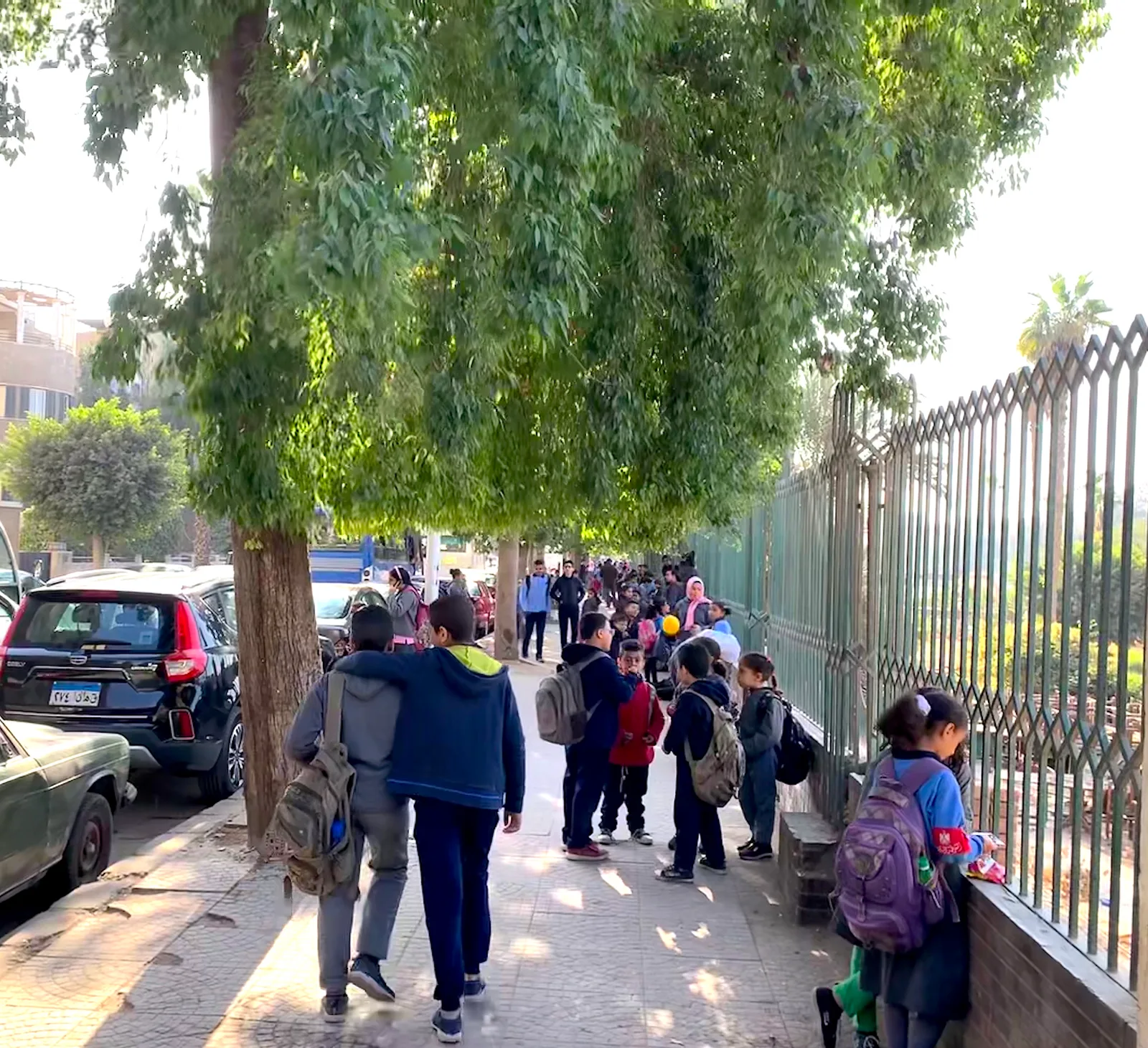
Una mochila más pesada que el niño: ¿cuánto debe pesar la mochila escolar y cómo proteger la espalda de tu hijo?
Con la primera semana de clases llega a todos los hogares la misma pregunta: ¿cuántos kilos puede soportar la espalda de un niño? Explicamos la regla del 15 % de la Academia Americana de Pediatría, un estudio egipcio de Menuf donde tres cuartas partes de los alumnos sufren dolor de espalda, y un método de pesaje con báscula de baño más gestos diarios que alivian la carga antes de que se vuelva un dolor de toda la vida.
15 de septiembre de 2026 · 7 min de lectura

La paga es la primera lección de economía: cómo enseñar a tu hijo el valor del dinero y del ahorro
Antes del álgebra y la geometría, tu hijo recibe sus primeras lecciones de economía en la puerta del quiosco y en su hucha. Una guía práctica por edades: cuándo empezar con la paga, cómo repartirla entre gastar, ahorrar y dar, y por qué nunca debe atarse a las notas ni convertirse en un arma de castigo.
3 de septiembre de 2026 · 7 min de lectura
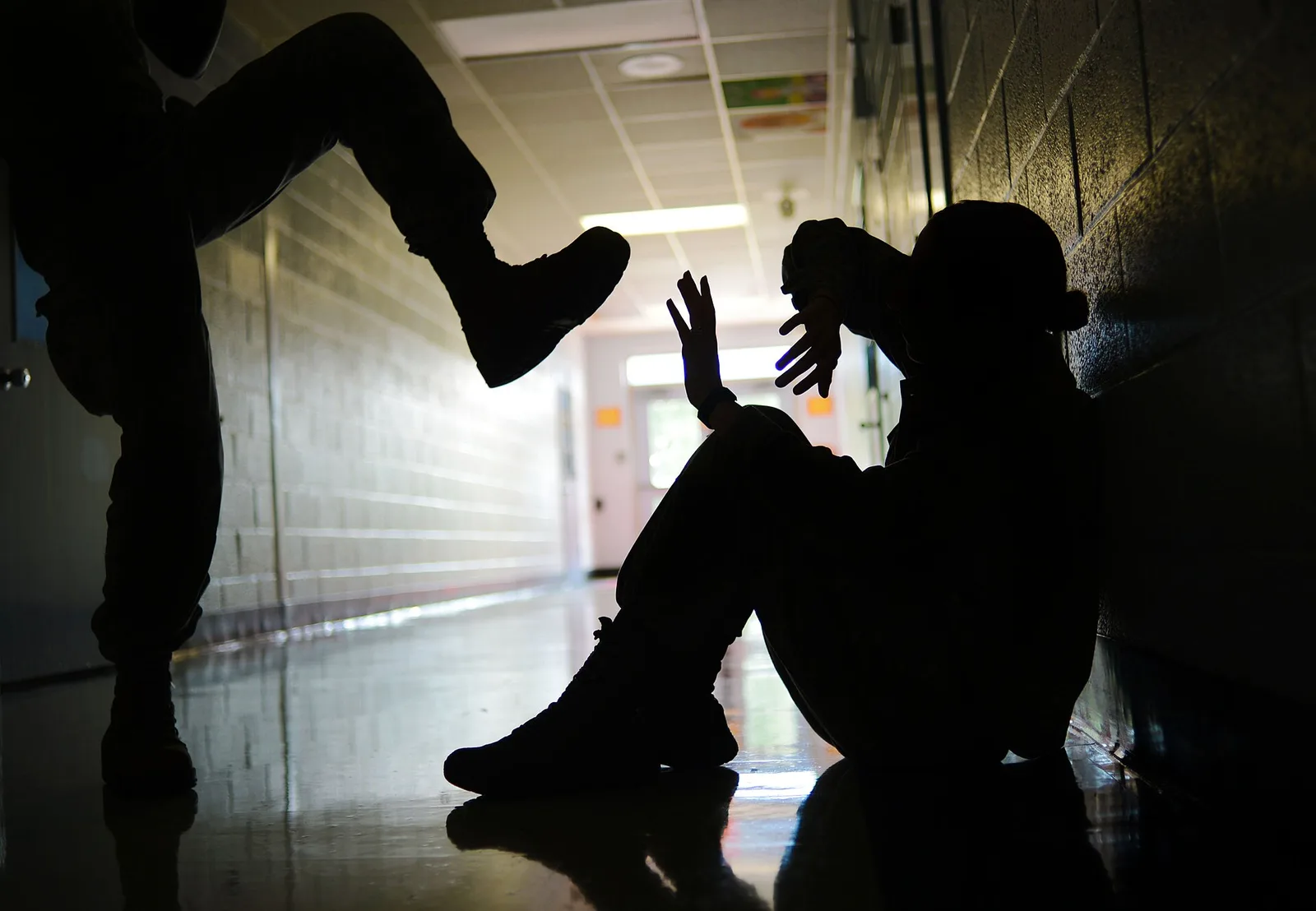
El acoso entre niños: cómo proteger a tu hijo, sea víctima, testigo o acosador
¿Cuándo una pelea en el recreo se convierte en acoso? Guía práctica para madres y padres: las señales silenciosas que el niño esconde, la conversación segura que le abre el corazón, los pasos documentados para acudir al colegio y alternativas reales al consejo de «devuélvele el golpe». Y qué hacer si el acosador es tu propio hijo, sin humillación ni negación.
27 de agosto de 2026 · 8 min de lectura