Seguridad vial en Egipto: riesgos documentados y soluciones de eficacia probada
Cada año, miles de egipcios pierden la vida en las carreteras. Las causas están documentadas —exceso de velocidad, vehículos en mal estado, una aplicación intermitente de la ley— y también lo están las soluciones que han reducido drásticamente las muertes en otros países. Una lectura de lo que dice la evidencia científica, y de por qué ninguna muerte en la carretera es un destino inevitable.
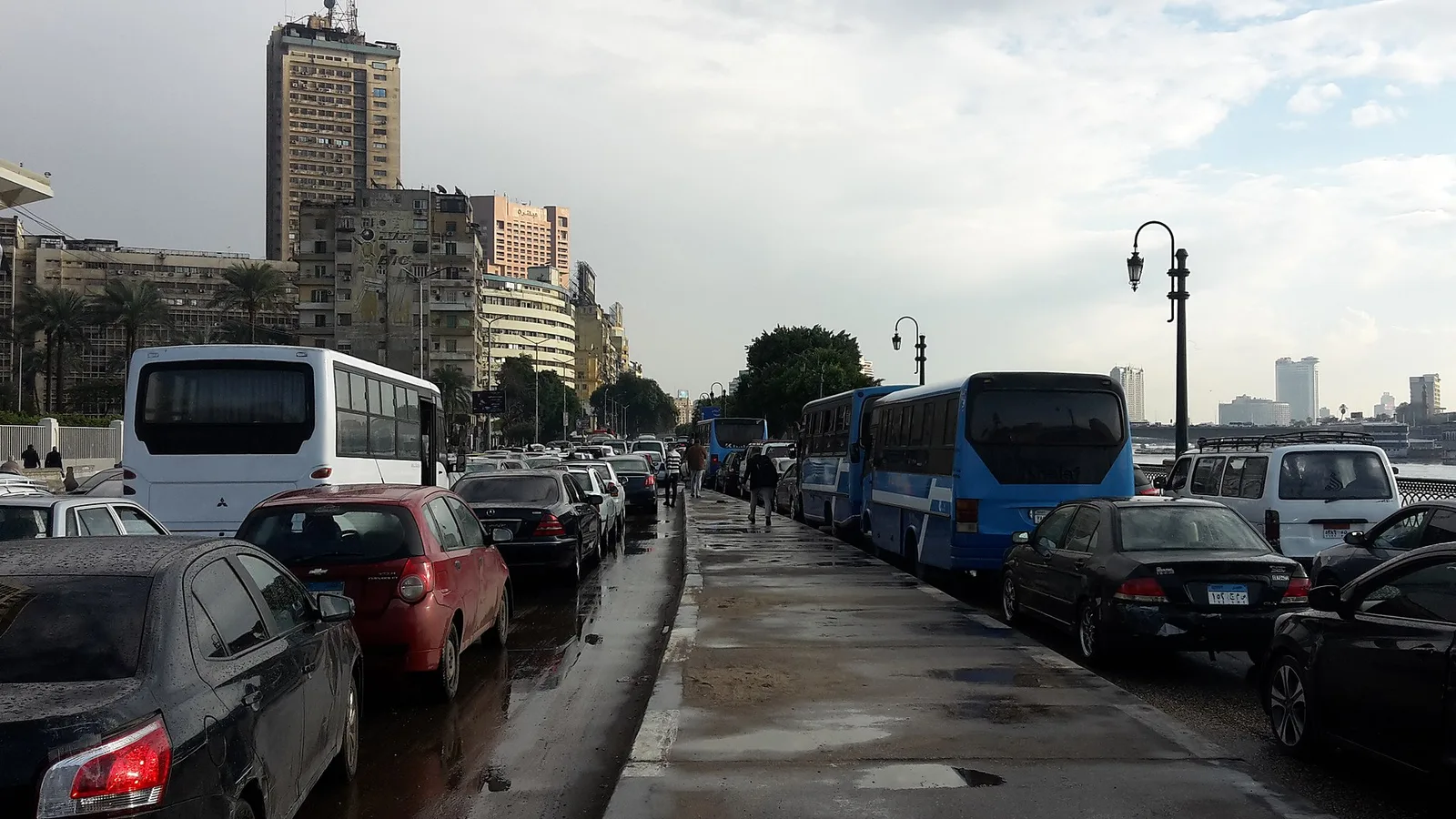
Los accidentes de tráfico son una de las causas de muerte más constantes en Egipto: año tras año, las estadísticas oficiales contabilizan miles de fallecidos y decenas de miles de heridos en las carreteras del país, un balance que no llega en un único suceso estremecedor, sino a gotas, en una sucesión de tragedias individuales que se lloran en las casas y se olvidan pronto en público. La Organización Mundial de la Salud clasifica los traumatismos por accidentes de tráfico como una de las principales causas de muerte entre niños y jóvenes en todo el mundo, y Egipto no es una excepción a ese patrón sombrío.
Las muertes son solo una parte del coste. Por cada persona que muere hay muchos heridos, algunos con discapacidades permanentes. Hay familias que pierden a su sostén en un instante y hogares que se deslizan hacia la pobreza mientras pagan el tratamiento. La Organización Mundial de la Salud ha estimado que los accidentes de tráfico cuestan a los países, en todo el mundo, cerca del tres por ciento de su producto interior bruto. Un choque en la carretera de circunvalación es una catástrofe privada, pero sumado a lo largo de un año es también una herida económica que el país vuelve a abrir sin descanso.
El primer factor de riesgo documentado es la velocidad. Las leyes de la física no perdonan: la energía de una colisión se dispara con la velocidad, y los análisis de la Organización Mundial de la Salud indican que aumentos pequeños en la velocidad media se traducen en un incremento brusco del riesgo de accidentes mortales. Las largas carreteras rectas del desierto invitan a velocidades que el cuerpo humano no resiste, y un peatón atropellado a gran velocidad tiene escasas posibilidades de sobrevivir. Por eso la gestión de la velocidad —límites, ingeniería y cámaras— está en el centro de toda estrategia seria de seguridad vial.
El segundo factor es el propio vehículo. Quien viaja entre gobernaciones lo ha visto con sus propios ojos: microbuses con neumáticos lisos, camiones cargados muy por encima de su capacidad y vehículos envejecidos que siguen en servicio mucho después de agotar su vida útil segura. Los frenos, los neumáticos, las luces y la dirección fallan más en los vehículos mal mantenidos, y cuando fallan a velocidad de autopista el resultado rara vez es leve. Una inspección técnica periódica y honesta —no un sello que se compra en la cola— es una institución que salva vidas allí donde se aplica en serio.
El tercer factor es el comportamiento humano, y en primer lugar el cansancio. Los conductores de largo recorrido, sometidos a jornadas brutales, se duermen al volante; el conductor de microbús que va por su cuarto viaje del día es un peligro para todos los que lo acompañan. Añade el uso del teléfono mientras se conduce y el cuadro se vuelve aún más sombrío. Nada de esto es exclusivo de Egipto, pero la suma de las largas rutas nocturnas, la presión económica para seguir conduciendo y la escasa supervisión de los conductores profesionales es una receta documentada del desastre.
Cuarto: una aplicación intermitente de la ley en lugar de una aplicación segura. La investigación sobre disuasión es clara: lo que cambia la conducta no es la dureza del castigo, sino la certeza del infractor de que será descubierto. El cinturón de seguridad y el casco reducen enormemente el riesgo de morir —la Organización Mundial de la Salud calcula que el cinturón reduce cerca de la mitad el riesgo de muerte de los ocupantes de los asientos delanteros—, y aun así el cumplimiento se hunde allí donde los conductores aprenden que los controles son raros o negociables. Una norma que solo se aplica a veces funciona, en la práctica, como un mero consejo.
Y, por último, la propia vía y quienes la recorren a pie. Peatones que cruzan carreteras de alta velocidad donde no hay ni puente ni paso, medianas ausentes entre los dos sentidos, tramos sin iluminación, obras que aparecen de repente sin señalizar: el diseño de la carretera es lo que decide cuánto cuesta un instante de error humano. El enorme programa egipcio de construcción de carreteras de los últimos años ha ampliado y repavimentado miles de kilómetros, y los expertos en seguridad vial coinciden en todas partes en que esa misma lógica de inversión debe extenderse a los pasos peatonales, la iluminación, las barreras y el mantenimiento diario que los mantiene en condiciones.
Lo que funciona no es ningún misterio: ya se ha medido. La «visión cero» que Suecia adoptó en 1997 redefinió las muertes en carretera como fallos del sistema y no como mala suerte de las personas: puesto que los seres humanos siempre se equivocarán, las carreteras, las velocidades y los vehículos deben diseñarse de modo que el error no sea mortal. Los países que aplican este enfoque de «sistema seguro» —barreras centrales, rotondas en lugar de cruces de alta velocidad y velocidades acordes con la función de cada vía— han reducido su mortalidad en carretera en relación con la población hasta una fracción de los niveles que se observan en otros lugares.
La aplicación constante de la ley multiplica el efecto de todas las demás medidas. Cámaras de velocidad automáticas que funcionan todos los días, pruebas aleatorias a los conductores, campañas continuas del cinturón respaldadas por multas y un permiso por fases que hace que el conductor novel gane sus derechos plenos de forma gradual: esas son las herramientas con mayor respaldo empírico. Todas comparten un rasgo: la previsibilidad. Los conductores se adaptan a lo que se aplica con firmeza, y una cámara que no duerme cambia la conducta más que un control que aparece una vez al mes.
La cadena no termina cuando ocurre el accidente. La supervivencia depende muchas veces de lo que pasa en la primera hora: transeúntes que conocen los primeros auxilios, una ambulancia que llega rápido, una unidad de urgencias preparada para recibir. El servicio de ambulancias de Egipto atiende en el 123, y reforzar la respuesta de emergencia —tiempos de llegada, equipamiento y formación en lesiones por accidente— es una de las vías más rentables que tiene cualquier país para reducir la mortalidad vial, porque salva a quienes la carretera ya ha fallado.
Egipto se ha movido en varios frentes: actualizaciones sucesivas de la legislación de tráfico, una expansión de las cámaras de vigilancia en los grandes ejes y el mayor programa de construcción de carreteras de su historia. La experiencia de otros países sugiere que las próximas ganancias están en las partes menos vistosas: una inspección técnica íntegra, el control de las horas de trabajo de los conductores profesionales, infraestructura para los peatones y una aplicación de la ley que los ciudadanos vivan como permanente e imparcial, no como estacional.
La seguridad vial es una causa en el sentido pleno de la palabra: una epidemia evitable cuyos tratamientos se conocen. Cada uno de nosotros tiene su parte: el cinturón que te abrochas antes de arrancar, el teléfono que dejas en el bolsillo, la velocidad que respeta la física. Pero la lección del mundo es que la virtud individual no es, por sí sola, una política pública: las sociedades que redujeron sus muertes en carretera lo lograron diseñando sistemas en los que la opción segura es la más fácil, y tratando cada muerte no como un destino, sino como una prueba que exige corrección.
Noticias relacionadas
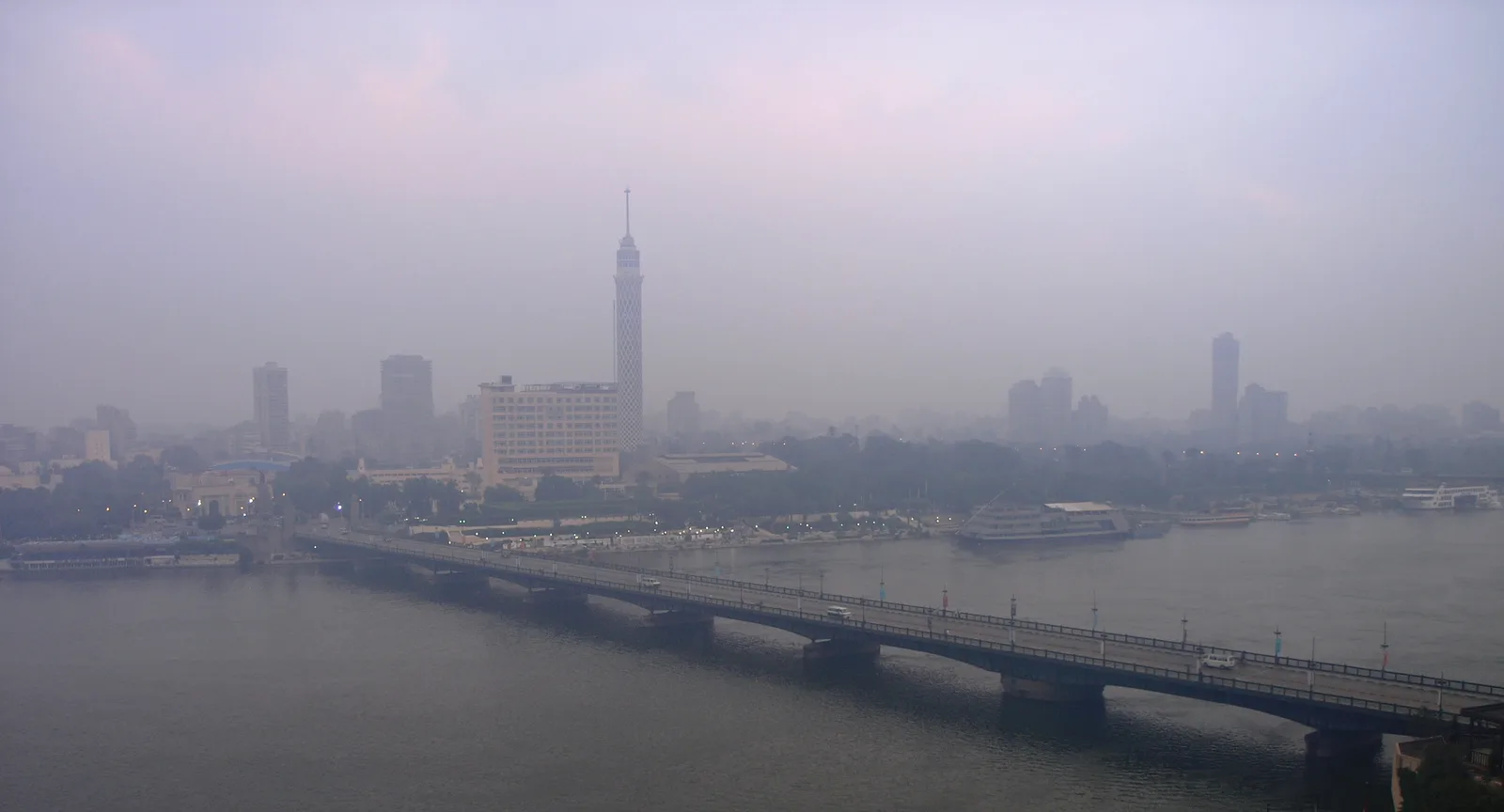
El aire de El Cairo, una causa nacional: de la «nube negra» al autobús eléctrico, la batalla de cada respiración
Cada otoño, la «nube negra» vuelve a asfixiar el Gran Cairo, pero lo que de verdad mata es lo que no vemos: partículas más finas que un cabello que se cuelan en los pulmones y en la sangre. En vísperas del Día Mundial sin Coche, abrimos el expediente de uno de los problemas de salud ambiental más graves del Gran Cairo: qué dicen las cifras, qué se está haciendo y qué puede hacer usted en su día a día.
21 de septiembre de 2026 · 7 min de lectura

El mar avanza sobre el Delta: cómo Egipto defiende su tierra más fértil con barreras de arena y caña
En la carretera costera de Burullus, dunas fijadas con caña permanecen en pie; detrás, un campesino prueba el agua de su pozo y la encuentra salada. Una crisis silenciosa amenaza a una cuarta parte de los egipcios: un mar que sube y una tierra que se hunde. El artículo expone el peligro con cifras y presenta un proyecto de 105 millones de dólares que levantó 69 kilómetros de barreras blandas, preguntando qué papel corresponde al ciudadano.
13 de septiembre de 2026 · 8 min de lectura

«Keda ghalat» («Esto está mal»): maltratar a un animal es un delito según el Código Penal egipcio desde 1937
Un vecino coloca platos envenenados junto al muro de la escuela; un carretero golpea a su burro en la cara bajo una carga excesiva. Muchos creen que «es solo un animal» y que ninguna ley lo protege. En realidad, los artículos 355, 356 y 357 del Código Penal castigan matar, envenenar y maltratar animales, con penas de hasta prisión. En vísperas del Día Mundial de los Animales, explicamos qué dice la ley.
3 de octubre de 2026 · 6 min de lectura