Antes del primer día de clase: ¿cómo preparar a su hijo para el éxito?
Prepararse para la escuela no es solo memorizar letras y números: también es aprender a valerse por sí mismo, expresar sus necesidades y convivir con los demás. Pasos prácticos que los padres pueden empezar en casa durante los meses previos al primer día de clase, para que el niño entre en el aula con confianza y no con miedo.
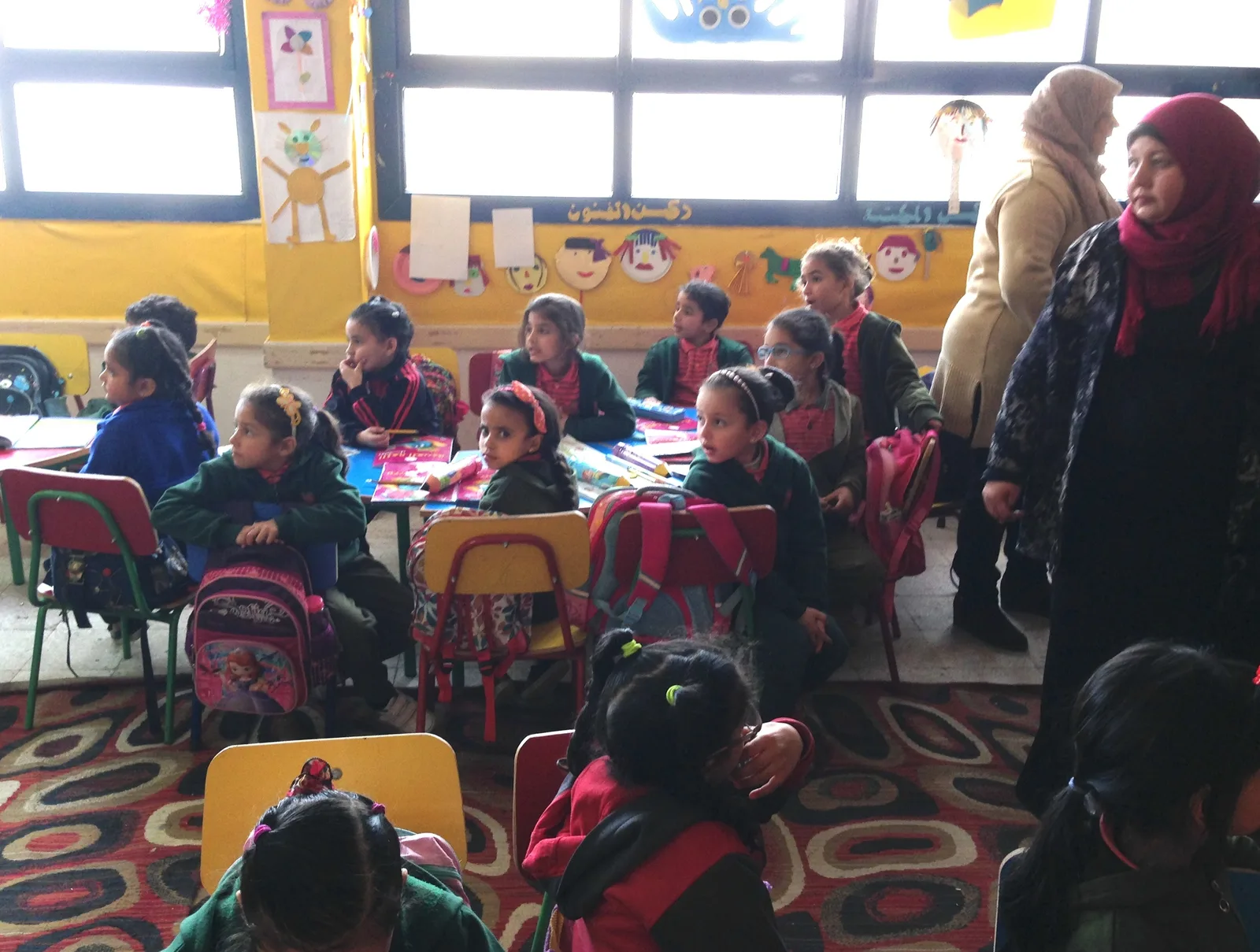
Cuando se acerca el momento de que el niño empiece el primer curso, muchas familias se obsesionan con una sola pregunta: ¿ya se sabe las letras y los números? Pero los maestros y los especialistas en primera infancia coinciden en que la verdadera preparación para la escuela es mucho más amplia: un niño capaz de valerse por sí mismo en lo básico, de expresar lo que quiere, de sentarse y escuchar y de convivir con niños desconocidos saldrá adelante aunque todavía no conozca todas las letras.
La preparación empieza por las destrezas de autonomía: ir solo al baño y lavarse las manos, comer sin ayuda y abrir su recipiente de comida y su botella de agua, ponerse los zapatos y la chaqueta sin que nadie intervenga, reconocer sus cosas y cuidarlas. Son esas pequeñas habilidades las que deciden si la jornada escolar transcurre con calma o se convierte en una cadena de peticiones de auxilio, y entrenarlas en casa durante los meses previos al curso es una inversión que no tiene precio.
Llega después la preparación emocional y social, la más difícil y la más importante: soportar unas horas lejos de su madre sin derrumbarse, compartir un juego con otro niño y esperar su turno, y decirle a la maestra «quiero ir al baño» o «me ha pegado» en lugar de limitarse a llorar. El niño lo entrena con separaciones graduales en casa de la abuela o de la tía, jugando con los niños de los vecinos y de la familia, y con el estímulo de pedir con palabras lo que necesita, primero en casa.
El lenguaje es el cimiento sobre el que se levanta todo aprendizaje posterior, y lo más valioso que los padres pueden aportar ahí es completamente gratis: hablar. La investigación sobre la primera infancia señala que el vocabulario que un niño acumula en sus primeros años es uno de los indicadores más fiables de su futuro desempeño lector. Habla mucho con tu hijo, responde a sus preguntas con paciencia, cuéntale cuentos antes de dormir, léele libros ilustrados aunque sean unas pocas páginas al día y deja que sea él quien «lea» las imágenes a su manera.
No descuides los pequeños músculos de la mano: sujetar el lápiz es una destreza física antes que mental. Dibujar y colorear, recortar papel con tijeras infantiles seguras, modelar plastilina, ensartar cuentas, montar y desmontar bloques: parecen entretenimientos inocentes y son en realidad un entrenamiento directo de los dedos que pronto van a escribir. Dedícales un rato cada día y procura que sigan siendo juego, no deberes.
Unas semanas antes del inicio de las clases comienza el cambio más importante en la rutina de casa: el sueño. Un niño que en verano se ha acostado a medianoche no puede levantarse de pronto a las seis de la mañana. Adelanta la hora de dormir poco a poco, cada pocos días, hasta ajustarla al horario escolar al menos dos semanas antes, y afianza el hábito de un desayuno, por ligero que sea: un niño con hambre no aprende.
Construye además una imagen amable de la escuela en la imaginación del niño: visitadla juntos por fuera si es posible, comprad juntos la mochila y el material y deja que elija, y habla de la escuela como un lugar de amigos, juegos e historias nuevas. Y nunca, jamás, uses la escuela o a la maestra como amenaza — «ya verás cuando empiece el colegio» — porque el niño que entra en la escuela teniéndola por castigo entra ya derrotado.
Entrena también a tu hijo en órdenes sencillas de varios pasos: «trae el vaso de la cocina y ponlo en la mesa», porque ese es justo el tipo de indicación que oirá cada día en clase. Encárgale pequeñas tareas en casa — recoger sus juguetes, poner el pan en la mesa — porque el niño que se siente capaz y útil entra en el aula con otra confianza.
Y recuerda siempre que el juego no es enemigo de la preparación escolar, sino su núcleo. Abusar de las fichas de letras y de los cuadernillos en la etapa preescolar puede sembrar en el niño un rechazo temprano al aprendizaje, mientras que el juego libre, los cuentos, las canciones y las carreras construyen el cerebro que después lo aprenderá todo. En esta etapa conviene además reducir las pantallas en favor del juego de verdad y de la conversación de verdad con personas de verdad.
Por último, no esperes la perfección en las primeras semanas: las lágrimas de la mañana en los primeros días son normales y pasajeras en muchos niños, y desaparecen antes cuanto más firme, cariñosa y breve sea la despedida. Haz que tu relación con la maestra sea una alianza y no un pulso: pregúntale por el comportamiento de tu hijo y escúchala. Y al final de cada día ofrécele a tu hijo un oído atento que le pregunte a qué ha jugado y con quién se ha reído, no solo qué ha memorizado. Porque el niño que percibe que la escuela hace felices a sus padres la querrá primero por ellos y después por ella misma.
Noticias relacionadas
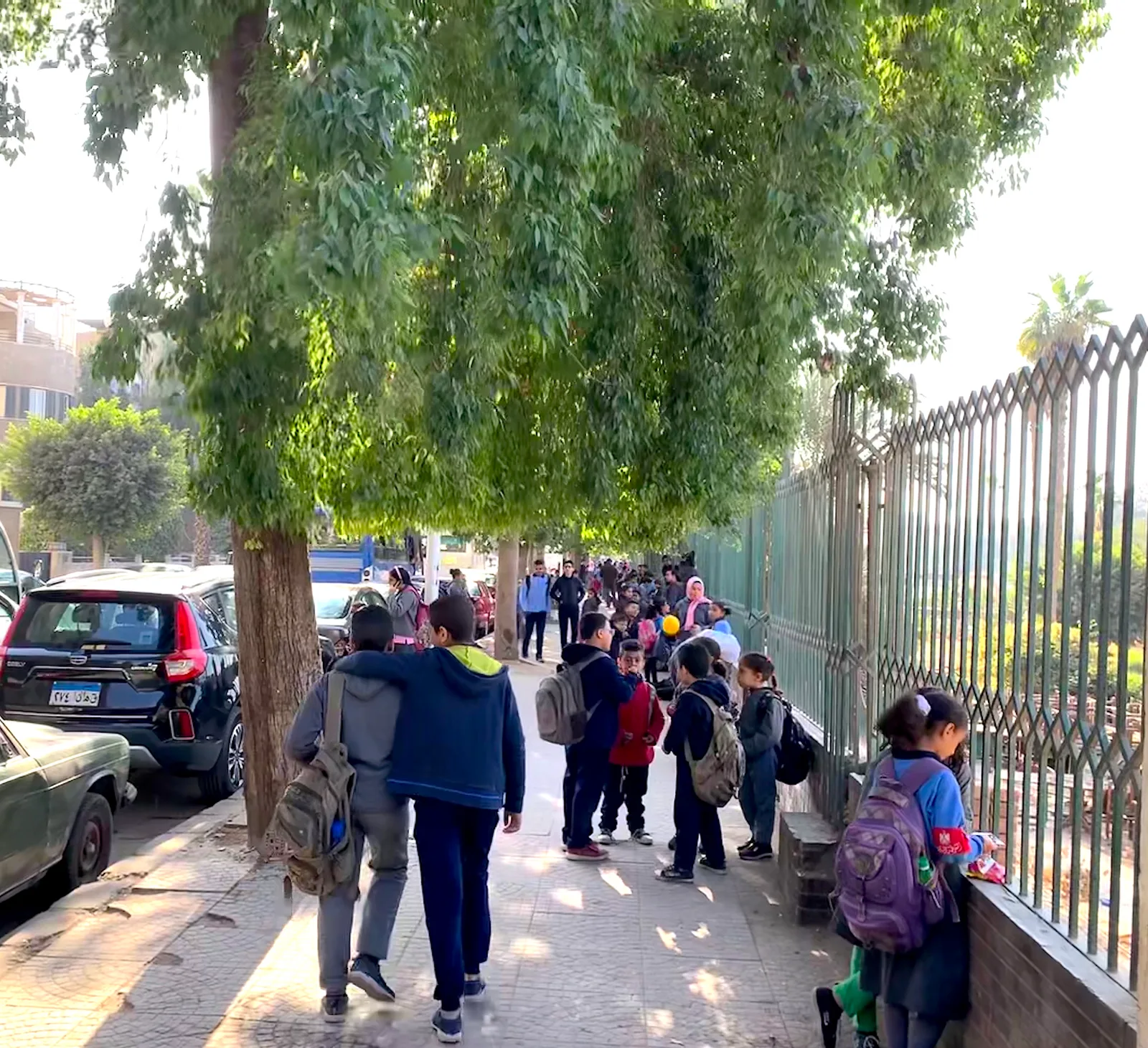
Una mochila más pesada que el niño: ¿cuánto debe pesar la mochila escolar y cómo proteger la espalda de tu hijo?
Con la primera semana de clases llega a todos los hogares la misma pregunta: ¿cuántos kilos puede soportar la espalda de un niño? Explicamos la regla del 15 % de la Academia Americana de Pediatría, un estudio egipcio de Menuf donde tres cuartas partes de los alumnos sufren dolor de espalda, y un método de pesaje con báscula de baño más gestos diarios que alivian la carga antes de que se vuelva un dolor de toda la vida.
15 de septiembre de 2026 · 7 min de lectura
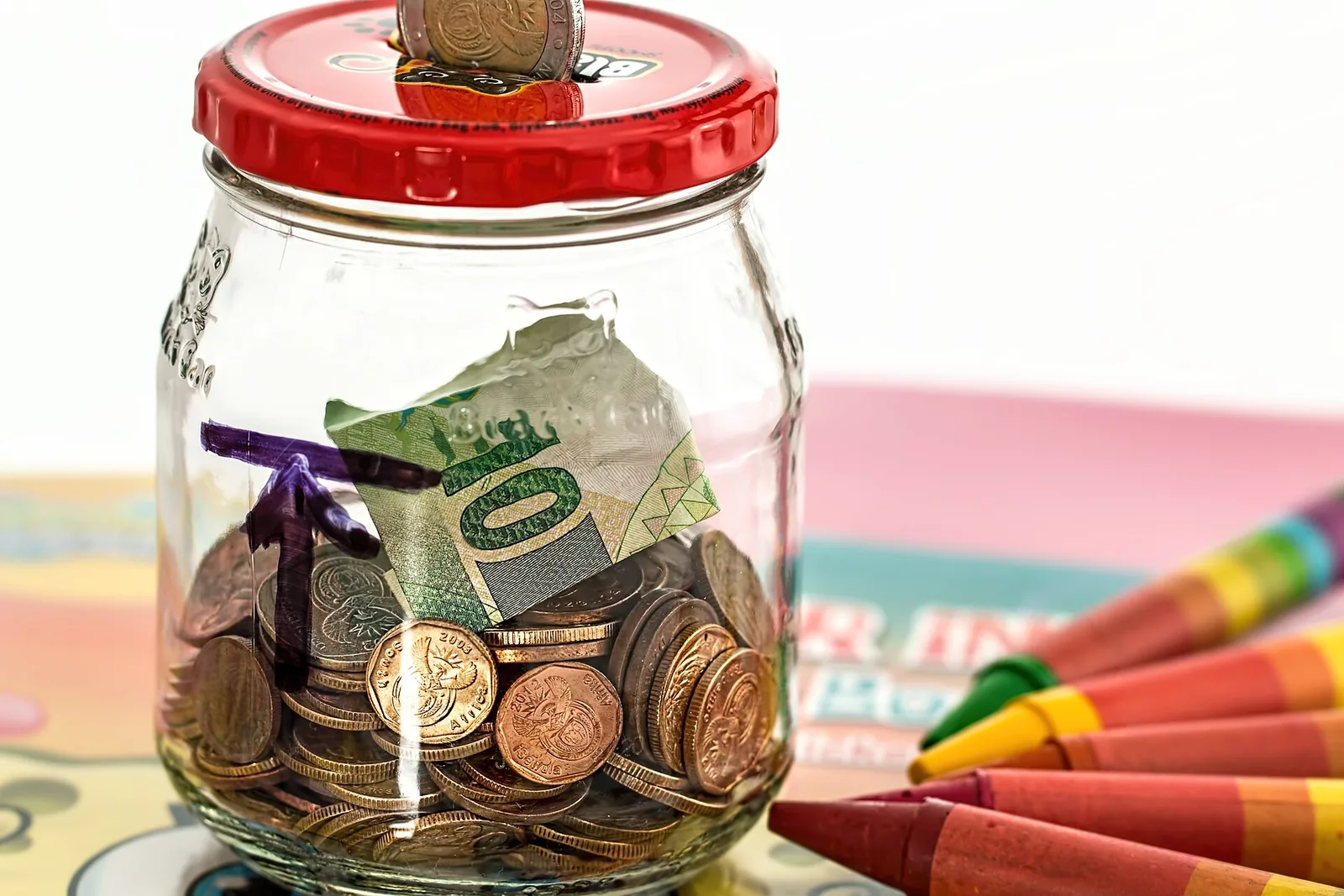
La paga es la primera lección de economía: cómo enseñar a tu hijo el valor del dinero y del ahorro
Antes del álgebra y la geometría, tu hijo recibe sus primeras lecciones de economía en la puerta del quiosco y en su hucha. Una guía práctica por edades: cuándo empezar con la paga, cómo repartirla entre gastar, ahorrar y dar, y por qué nunca debe atarse a las notas ni convertirse en un arma de castigo.
3 de septiembre de 2026 · 7 min de lectura
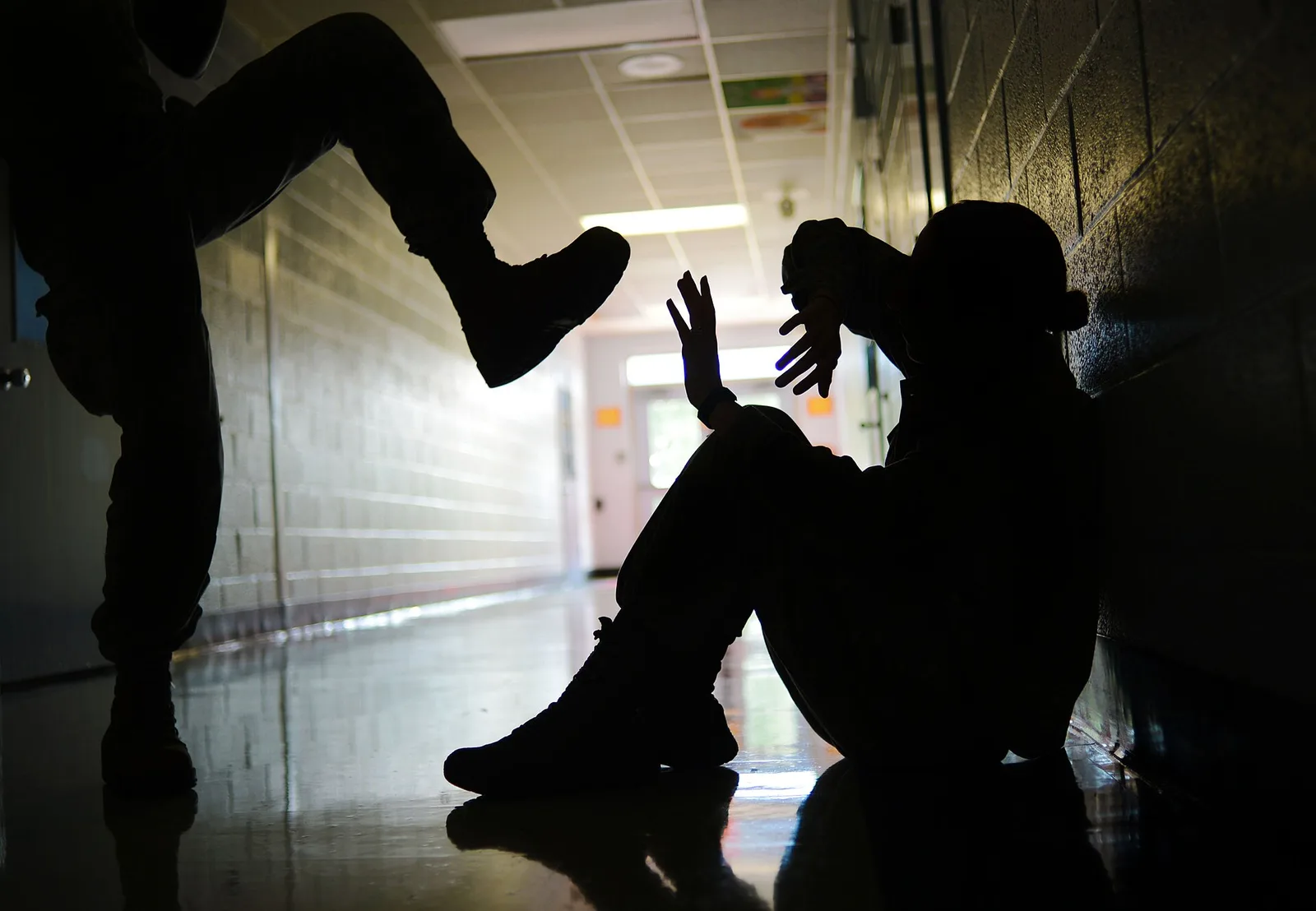
El acoso entre niños: cómo proteger a tu hijo, sea víctima, testigo o acosador
¿Cuándo una pelea en el recreo se convierte en acoso? Guía práctica para madres y padres: las señales silenciosas que el niño esconde, la conversación segura que le abre el corazón, los pasos documentados para acudir al colegio y alternativas reales al consejo de «devuélvele el golpe». Y qué hacer si el acosador es tu propio hijo, sin humillación ni negación.
27 de agosto de 2026 · 8 min de lectura