El yacimiento de Zohr: el descubrimiento que redibujó el mapa energético del Mediterráneo oriental
En el verano de 2015, la compañía Eni anunció el descubrimiento del yacimiento de Zohr frente a las costas de Port Said, descrito entonces como el mayor hallazgo de gas de la historia del Mediterráneo. Esta es la historia del descubrimiento, de cómo se extrae el gas de las profundidades del mar y de por qué cambió el lugar de Egipto en el mapa energético regional.
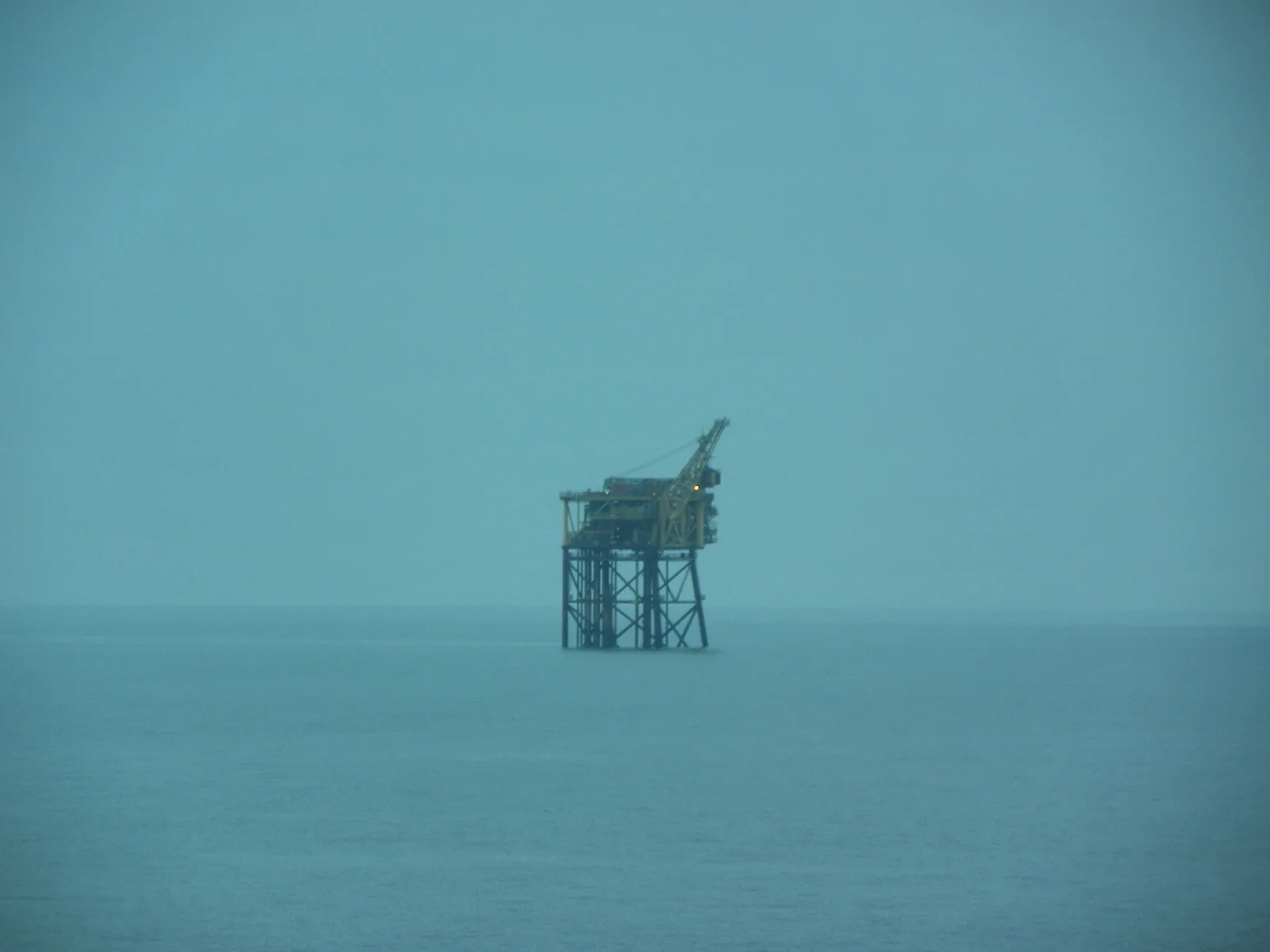
En agosto de 2015, la compañía energética italiana Eni anunció el descubrimiento de un yacimiento gigante de gas natural en aguas profundas del Mediterráneo, dentro de la concesión egipcia de Shorouk, a unos 190 kilómetros al norte de Puerto Saíd. El yacimiento recibió el nombre de Zohr y fue descrito entonces como el mayor hallazgo de gas jamás registrado en el mar Mediterráneo. La noticia no era solo una entrada más en la lista de descubrimientos: cambió la mirada de la industria energética sobre todo el Mediterráneo oriental y devolvió a Egipto al centro del mapa gasístico de la región.
Las cifras bastaban para explicar el revuelo. Las primeras evaluaciones situaron el gas del yacimiento en unos treinta billones de pies cúbicos, atrapado en rocas que yacen bajo cerca de 1450 metros de agua y miles de metros de capas del lecho marino. En el lenguaje del sector, Zohr quedó clasificado entre los campos «supergigantes», una categoría que apenas reúne a un puñado de yacimientos en todo el mundo. Hallazgos así son raros en cualquier lugar; encontrarlo en un mar explorado durante décadas y a poca distancia de los gasoductos y las plantas de tratamiento de la costa egipcia lo hacía aún más excepcional.
Zohr también sorprendió a los geólogos. Durante medio siglo, la exploración frente a las costas egipcias se había concentrado en las capas de arenisca del delta del Nilo, donde los sedimentos del río atraparon el gas siguiendo patrones conocidos. El gas de Zohr, en cambio, se aloja en una formación carbonatada, los restos de una antigua plataforma arrecifal: un tipo de yacimiento que los exploradores de la región habían pasado por alto en gran medida. El hallazgo demostró que en el Mediterráneo oriental existía un modelo geológico completamente distinto, y las compañías se apresuraron a releer con ojos nuevos sus datos sísmicos en aguas egipcias y vecinas.
El momento importó tanto como la geología. A mediados de aquella década, Egipto, exportador de gas desde hacía mucho, había pasado al déficit: el consumo interno de centrales eléctricas, fábricas y hogares superaba la producción de unos yacimientos envejecidos, y el país importaba gas natural licuado a un coste real. Un hallazgo gigante en aguas nacionales permitía invertir esa ecuación. En Egipto el gas es un asunto que afecta a todos, porque la red eléctrica depende en gran medida de centrales de gas: lo que ocurre mar adentro acaba llegando a cada casa.
Después, el proyecto se convirtió en un caso de estudio de desarrollo acelerado. La producción arrancó en diciembre de 2017, apenas unos dos años y cuatro meses después del descubrimiento, un plazo insólitamente corto para un proyecto de aguas profundas de este tamaño, donde lo habitual son cinco a siete años. Para lograrlo hicieron falta ingeniería en paralelo, pedidos tempranos de equipos e inversiones cuantiosas. Más tarde se sumaron socios internacionales junto a Eni para compartir costes y riesgos, mientras las instituciones egipcias tramitaban las autorizaciones en plazos comprimidos, hasta que la propia rapidez pasó a formar parte del mensaje de Egipto a los inversores de energía.
¿Cómo se encuentra un yacimiento así? La exploración marina empieza con campañas sísmicas: buques que remolcan largos arreglos de sensores capaces de enviar ondas sonoras a través del agua y la roca; los ecos de regreso se procesan hasta convertirse en imágenes tridimensionales de estructuras situadas kilómetros por debajo del fondo. Las estructuras prometedoras se ponen luego a prueba con un pozo exploratorio perforado desde una plataforma flotante, una apuesta cara porque muchos de esos pozos no encuentran nada. Cuando un pozo da con gas, siguen los pozos de evaluación para medir con precisión el tamaño del yacimiento y su capacidad de producción.
La producción de gas se apoya en un diseño conocido como «del fondo marino a la costa». En lugar de una plataforma enorme erguida sobre el yacimiento, los pozos se perforan en el lecho del mar y se cubren con pesados equipos de acero asentados en el fondo. Las tuberías recogen el gas de esos pozos submarinos y lo llevan hasta la costa, mientras que junto a ellas discurren cables que transportan electricidad, señales de control y productos químicos desde tierra. Los operadores pueden abrir y cerrar las válvulas del fondo marino desde una sala de control en la costa, un enfoque adecuado para aguas profundas, donde las plataformas fijas resultan poco prácticas.
El gas que llega a tierra todavía no está listo para arder. En una planta de tratamiento cercana a Puerto Saíd se separa del agua y de los hidrocarburos líquidos, se seca y se limpia de impurezas antes de inyectarse en la red nacional. Los condensados, hidrocarburos líquidos ligeros que salen junto con el gas, se recuperan y se venden por separado. Desde la planta, el gas se incorpora a la misma red que alimenta centrales eléctricas, fábricas de fertilizantes y de cemento y las acometidas domésticas; por eso un yacimiento situado mucho más allá del horizonte puede sostener en silencio la vida diaria en tierra firme.
Zohr pertenece además a una historia regional. Los yacimientos de Tamar y Leviatán frente a Israel y el de Afrodita frente a Chipre ya habían mostrado que el Mediterráneo oriental albergaba gas en serio; Zohr lo confirmó a mayor escala. En 2020, el Foro del Gas del Mediterráneo Oriental, con sede en El Cairo, sentó a la misma mesa a países productores y consumidores. Egipto guarda una carta distintiva: las plantas de licuefacción de Idku y Damieta, construidas años antes, pueden convertir el gas en líquido para exportarlo por barco, una infraestructura de la que carecen sus vecinos y sobre la que se asienta la ambición egipcia de ser un centro energético regional.
La lección más profunda de Zohr tiene que ver con cómo se construye de verdad la seguridad energética. Los yacimientos declinan a medida que se explotan; ningún hallazgo aislado zanja la cuestión para siempre y la exploración debe continuar para que se escriban nuevos capítulos. Lo que Zohr demostró es la combinación que hace posibles esos capítulos: una geología que premia el pensamiento nuevo, una tecnología capaz de trabajar bajo kilómetro y medio de agua y unos marcos de inversión que dejan moverse deprisa al capital. Esa combinación, y no un yacimiento concreto, es la que volvió a dibujar el mapa.
Noticias relacionadas
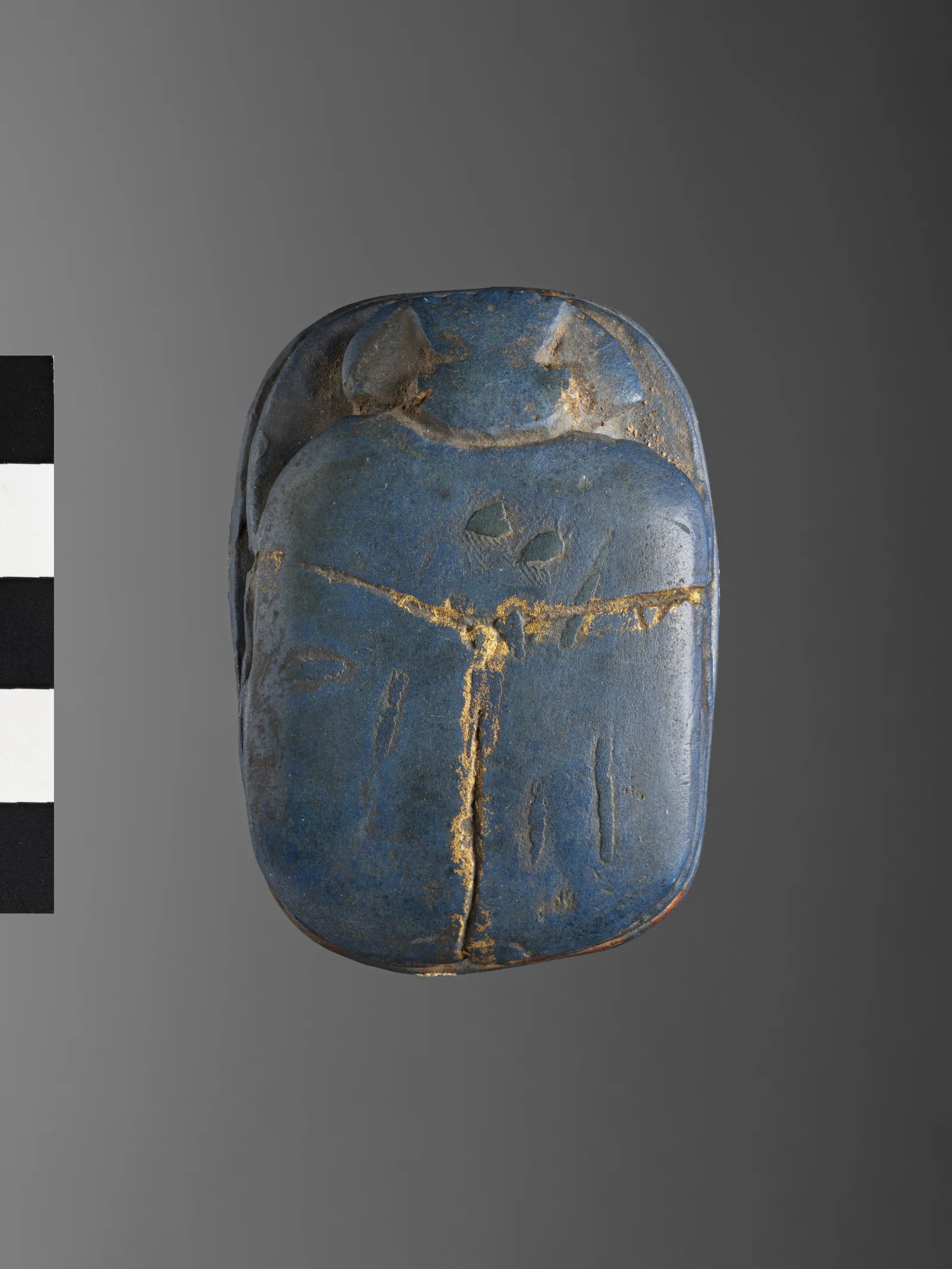
«Azul egipcio»: el primer pigmento sintético de la historia vuelve para revelar huellas dactilares e iluminar células
Un azul que químicos egipcios fabricaban con arena, cobre y cal hace miles de años resultó, en 2013, desintegrarse en láminas nanométricas que emiten luz infrarroja. Desde entonces se ha convertido en un polvo que revela huellas dactilares en Australia y en una sonda que ilumina embriones de mosca y hojas de plantas en Alemania. La historia de un material antiguo con una propiedad muy moderna, y una pregunta sobre nuestros laboratorios de hoy.
17 de septiembre de 2026 · 7 min de lectura
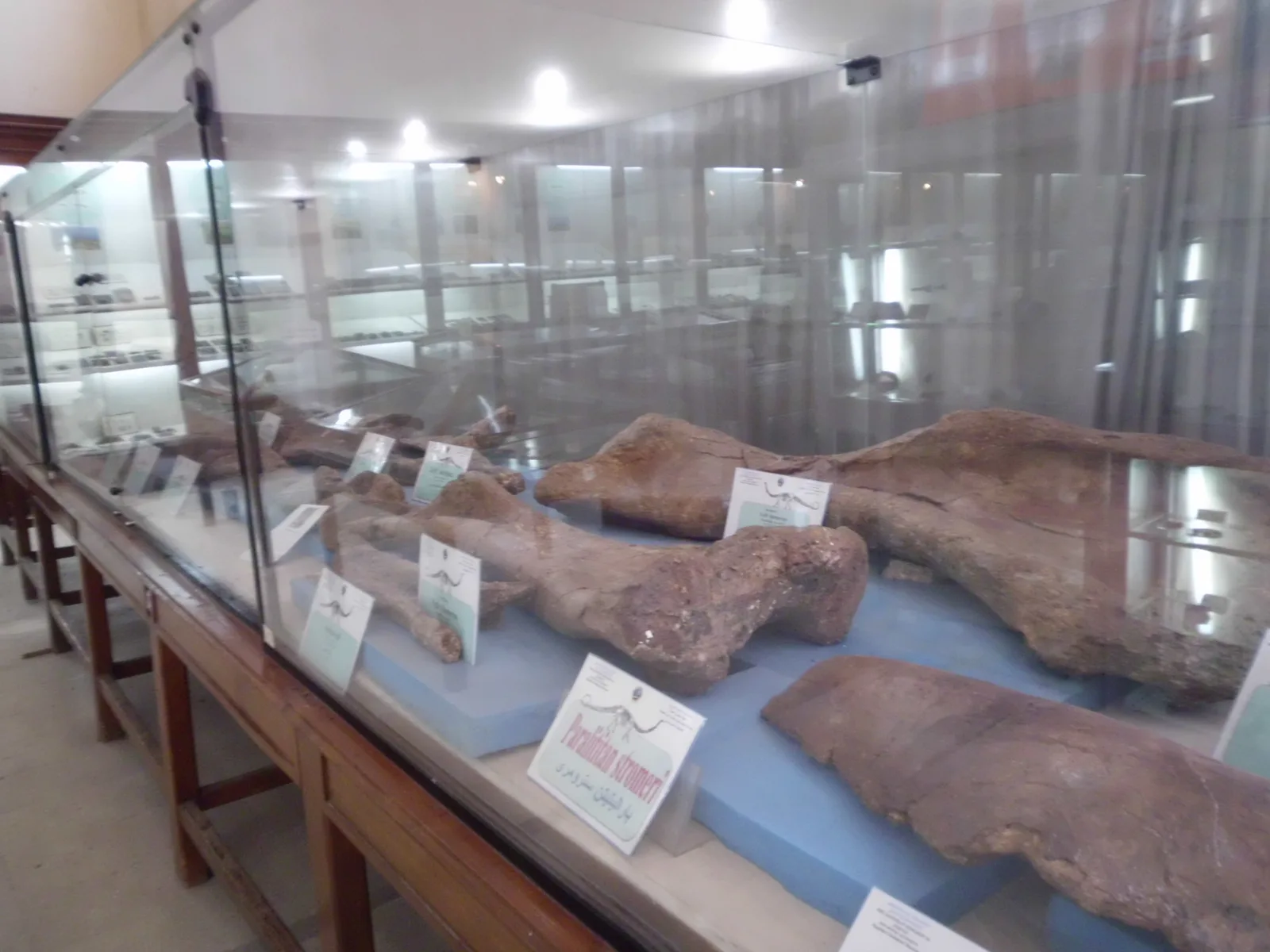
Ochenta millones de años antes de los faraones: el dinosaurio de Mansoura y los fósiles de los oasis que quemó la guerra
Estudiantes egipcios de la Universidad de Mansoura extrajeron de las rocas del oasis de Dakhla los huesos de Mansourasaurus, el esqueleto de dinosaurio del Cretácico superior más completo hallado en África. Un siglo antes, un científico alemán había depositado en Múnich los dinosaurios del oasis de Bahariya, y la guerra los quemó. La historia del archivo de la Tierra en el desierto de Egipto, y de una ciencia que su hijo puede estudiar aquí.
8 de septiembre de 2026 · 7 min de lectura
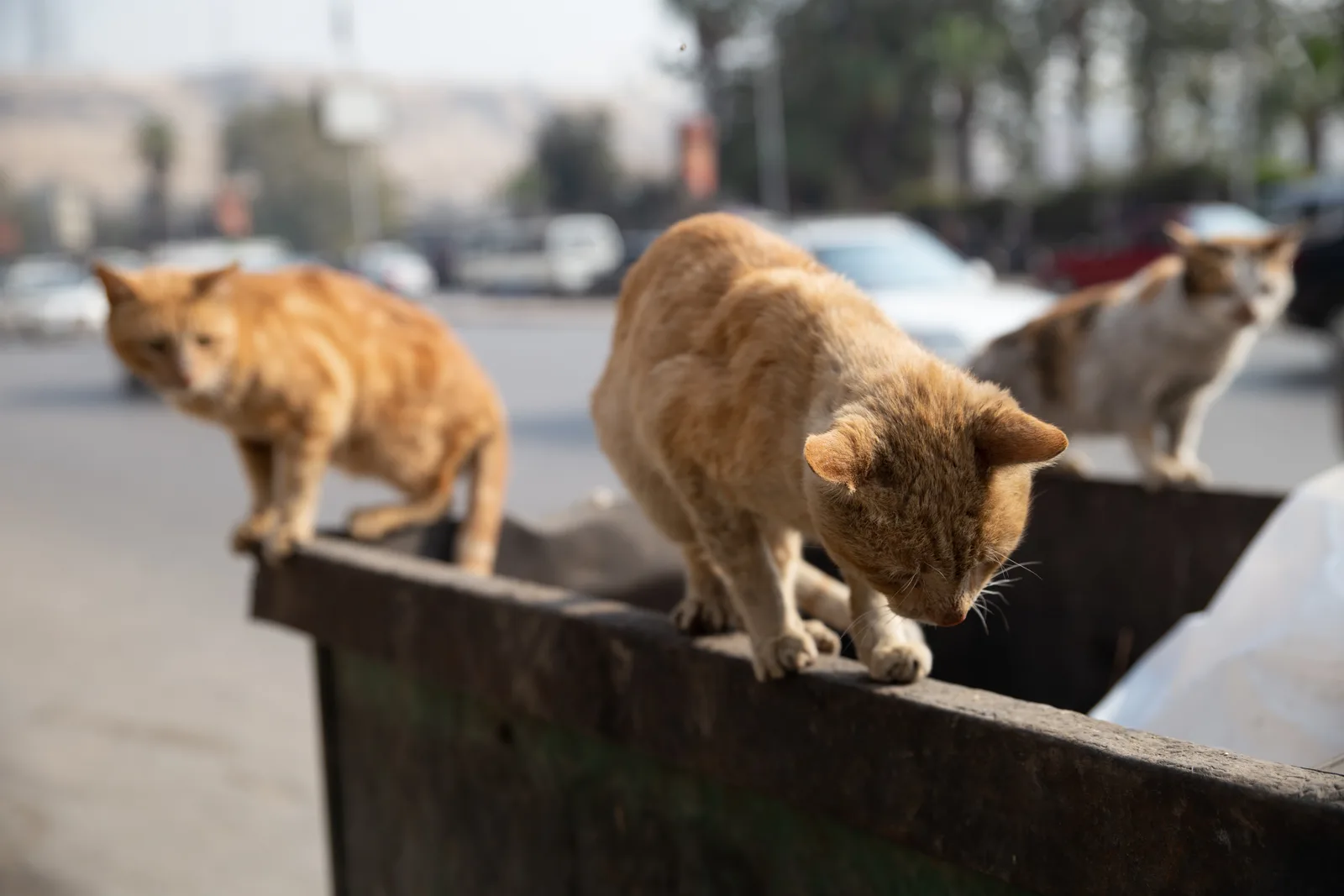
«Keda ghalat» («Esto está mal»): maltratar a un animal es un delito según el Código Penal egipcio desde 1937
Un vecino coloca platos envenenados junto al muro de la escuela; un carretero golpea a su burro en la cara bajo una carga excesiva. Muchos creen que «es solo un animal» y que ninguna ley lo protege. En realidad, los artículos 355, 356 y 357 del Código Penal castigan matar, envenenar y maltratar animales, con penas de hasta prisión. En vísperas del Día Mundial de los Animales, explicamos qué dice la ley.
3 de octubre de 2026 · 6 min de lectura