Un café sous votre chambre à coucher : quand les sous-sols se transforment en chicha et veillées jusqu'à l'aube
De la fumée qui s'infiltre par les bouches d'aération jusque dans les appartements, un vacarme de voix et d'éclats de rire jusqu'au point du jour, et un enfant qui a un examen le lendemain matin et ne sait plus comment trouver le sommeil. Transformer les caves et les étages inférieurs des immeubles d'habitation en cafés à chicha ouverts toute la nuit est une agression quotidienne contre la santé et le repos des habitants. Ça, c'est mal : le logement est un droit qui passe avant toute activité commerciale.

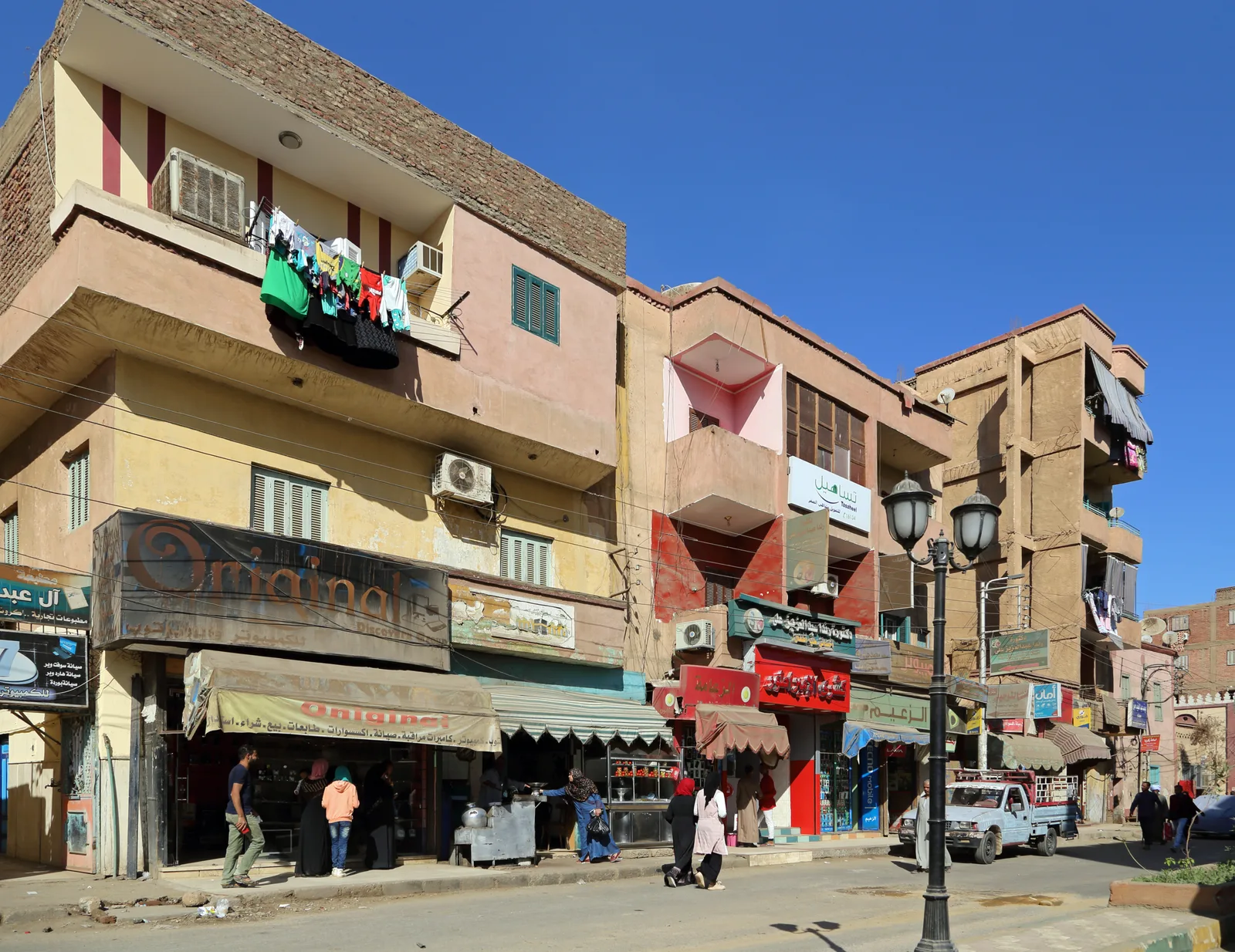
Dans d’innombrables immeubles de nos villes, la même scène se répète : un sous-sol ou un rez-de-chaussée jadis destiné à servir de garage, d’entrepôt ou de logement est loué par quelqu’un, puis transformé du jour au lendemain en café — des chaises en plastique qui débordent sur le trottoir, un écran géant pour les matchs et des dizaines de narguilés dont la braise ne s’éteint pas, de l’après-midi jusque bien après l’aube. Juste au-dessus, des familles découvrent soudain que leur logement surplombe une veillée populaire permanente sur laquelle nul ne les a consultées.
Commençons par où cette rubrique doit toujours commencer : il s’agit d’une agression morale avant d’être une infraction administrative. La maison est le dernier rempart de l’être humain, le lieu où l’on est censé refermer sa porte sur sa fatigue et dormir. Or, lorsque la fumée du narguilé et du tabac à la mélasse s’infiltre par les bouches d’aération et les puits de lumière jusque dans les chambres à coucher, lorsque les rires, le vacarme des supporters et le claquement des tables traversent les murs des appartements jusqu’à trois heures du matin, les tenanciers du café ne gèrent pas un commerce : ils confisquent le sommeil d’un immeuble entier.
Le préjudice n’est pas ici une contrariété passagère. Le tabagisme passif qui s’infiltre dans les appartements nuit à tout le monde, et d’abord aux enfants, aux malades respiratoires et allergiques et aux personnes âgées ; la médecine a tranché cette question depuis des décennies. Et la privation chronique de sommeil n’est pas un luxe perdu, mais une atteinte directe à la santé : un élève arrive épuisé à l’école et ses résultats s’effondrent, un employé conduit le matin avec la moitié de son attention, une mère malade ne trouve pas une heure de calme.
Il y a ensuite le trottoir et la rue. Le café qui commence par quelques chaises devant sa porte avale bientôt tout le trottoir, contraignant les piétons à descendre sur la chaussée ; l’entrée de l’immeuble devient une salle d’attente et ses habitants se fraient un chemin jusque chez eux entre les tables et les fumées, comme des visiteurs importuns dans leur propre maison.
La loi égyptienne n’assiste pas ici en spectatrice : le problème est celui de son application. La loi sur la construction n° 119 de 2008 et son cahier des charges régissent l’usage des unités et le changement d’activité ; transformer un logement ou un sous-sol en local commercial n’est pas un droit absolu du propriétaire, mais une procédure encadrée, soumise à autorisations. La loi sur les établissements recevant du public n° 154 de 2019 impose une licence et fixe les conditions d’exploitation ; la loi de lutte contre les méfaits du tabac n° 52 de 1981 et ses amendements interdisent de fumer dans les lieux publics fermés ; et la loi sur l’environnement n° 4 de 1994 fixe des seuils de bruit à ne pas dépasser la nuit. Les outils juridiques existent ; ce qui manque, c’est leur usage.
Et soyons justes : nous ne sommes pas contre les cafés, qui font partie intégrante de la vie sociale égyptienne, ni contre un jeune homme qui ouvre un commerce pour gagner son pain. Nous sommes contre une seule chose, bien précise : que cette activité s’installe dans un lieu qui ne s’y prête pas, et d’une manière qui fait du repos des habitants le prix de ses profits. La place d’un café est dans les quartiers et les rues commerçantes, selon les conditions prescrites, et non dans le ventre d’un immeuble d’habitation au-dessus duquel dorment des enfants.
Et la responsabilité n’incombe pas au seul locataire. Le propriétaire qui a loué le sous-sol en sachant parfaitement ce qu’il allait devenir est pleinement complice du préjudice : il a vendu la tranquillité de voisins qu’il côtoie depuis des années contre un supplément de loyer. Quant aux services chargés des licences, qui autorisent une activité installée dans un local inadapté ou ferment les yeux sur elle, ils en sont le troisième complice, non moins responsable.
Ce que nous demandons au citoyen : que le patron du café se pose une seule question — accepterait-il de vivre, lui et ses enfants, au-dessus de son établissement ? Si la réponse est non, qu’il sache qu’il inflige aux autres ce qu’il refuse pour lui-même. Que le propriétaire s’abstienne de louer logements et sous-sols à des activités qui nuisent aux habitants, si tentant que soit le rendement. Et que les riverains lésés ne baissent pas les bras : la plainte collective et documentée, adressée à l’arrondissement et aux services des licences, est un droit, et une revendication calme et organisée est plus efficace qu’une dispute quotidienne.
Et ce que nous demandons à l’État : un contrôle réel, et non saisonnier, des changements d’usage des logements et des sous-sols ; la subordination de toute licence d’établissement recevant du public à une inspection sérieuse du site et de son impact sur les habitants ; l’application effective, dans les faits et non dans les discours, des seuils de bruit nocturne et des heures de fermeture ; et une procédure de plainte accessible et suivie d’effet, et non un chemin de croix entre les bureaux qui s’achève par un dossier classé.
Dans la balance de cette rubrique, la règle est simple : le droit de dormir et de respirer un air pur passe avant le droit de veiller et de faire du profit. Que celui qui veut ouvrir un café l’ouvre où il le faut et comme il le faut. Mais transformer des immeubles d’habitation en boîtes de nuit imposées à leurs propres occupants, cela est mal — mal envers l’enfant qui passe un examen demain, envers le malade qui a besoin de silence, et envers l’idée même du foyer.
À lire aussi

« Keda ghalat » (« Ça, c'est mal ») : maltraiter un animal est un crime au regard du Code pénal égyptien depuis 1937
Un voisin dépose des gamelles empoisonnées près du mur de l'école ; un charretier frappe son âne au visage sous une charge trop lourde. Beaucoup croient qu'« un animal » n'est protégé par aucune loi. En réalité, les articles 355, 356 et 357 du Code pénal sanctionnent tuer, empoisonner et maltraiter un animal, jusqu'à l'emprisonnement. À la veille de la Journée mondiale des animaux, voici ce que dit la loi.
3 octobre 2026 · 6 min de lecture
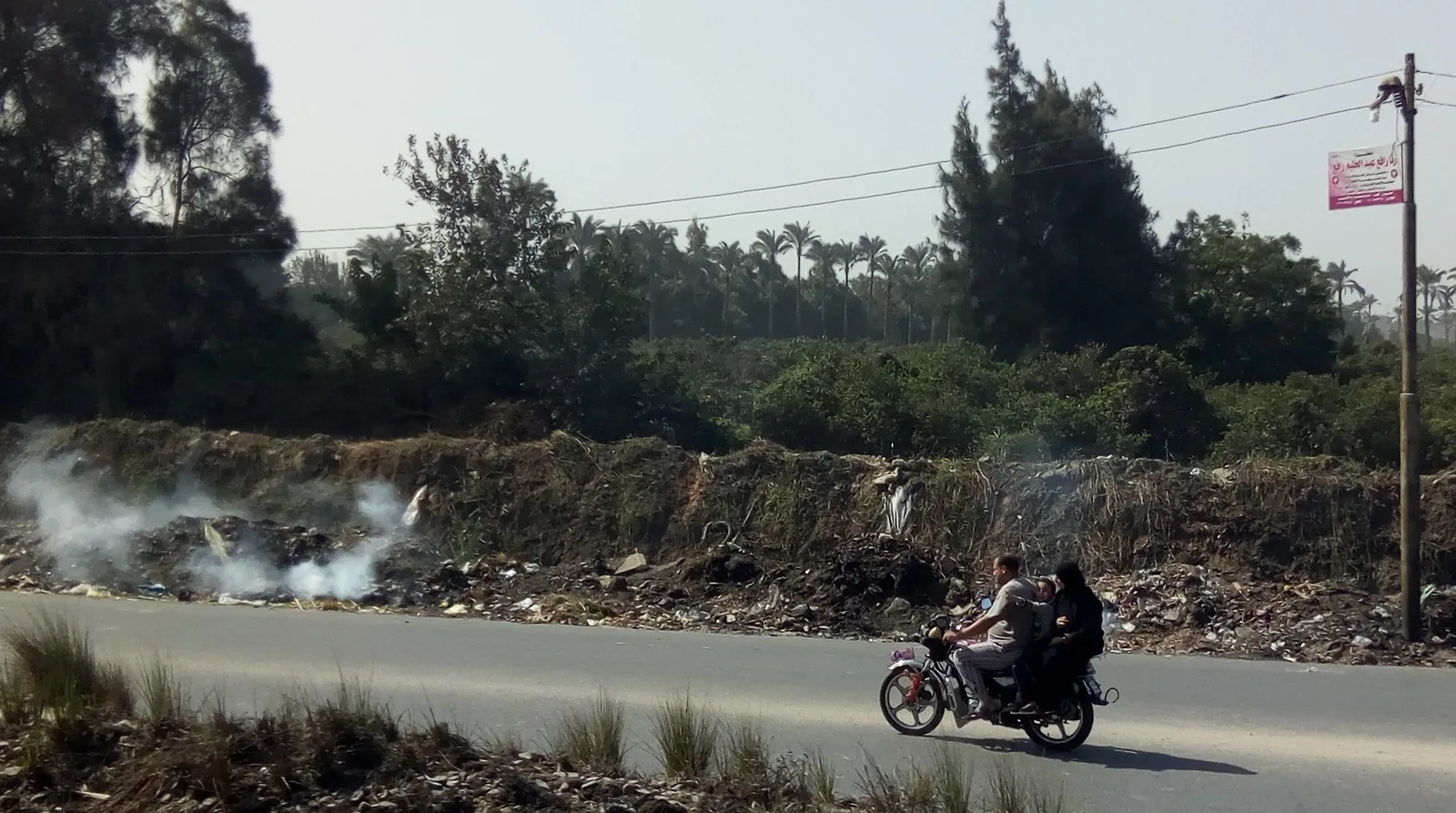
Quatre sur une moto et pas un casque : la tête nue est ce qu'une famille peut perdre de plus cher sur la route
En deuxième semaine de rentrée, la même scène se répète : un père au guidon, un enfant devant, un autre derrière, la mère serrant les cartables, pas un seul casque. La presse, citant la CAPMAS, relève un bond des décès de 190 à 897 entre 2020 et 2024, alors qu'une revue Cochrane montre que le casque seul réduit le risque de décès de 42 %. La loi sanctionne la tête nue depuis 1999, amende relevée en 2008. Pourquoi ne s'y plie-t-on pas ?
23 septembre 2026 · 8 min de lecture
« Un branchement sur le câble » n'est pas malin : le vol d'électricité, un crime payé par tout le quartier
Un fil dénudé qui pend d'un poteau à un balcon, un climatiseur sur un compteur immobile, et un fusible qui saute pour la troisième fois, plongeant dans le noir un voisin qui paie sa facture. L'article 71 de la loi sur l'électricité qualifie cela d'appropriation illégale du courant, punie de prison et d'amende, tandis qu'un amendement plus sévère attend la Chambre. Que perd toute une rue pour un seul branchement ? Et quelle est la bonne solution ?
14 septembre 2026 · 7 min de lecture