Le trajet quotidien de millions d'Égyptiens : les transports publics vécus de l'intérieur
Entre la cohue du métro, le chaos des microbus et les attentes interminables, des millions d'Égyptiens passent chaque jour des heures de leur vie sur le chemin du travail, aller et retour. Une histoire quotidienne que tout le monde connaît — et des revendications simples que les passagers répètent partout où on les interroge : régularité, dignité et prix juste.
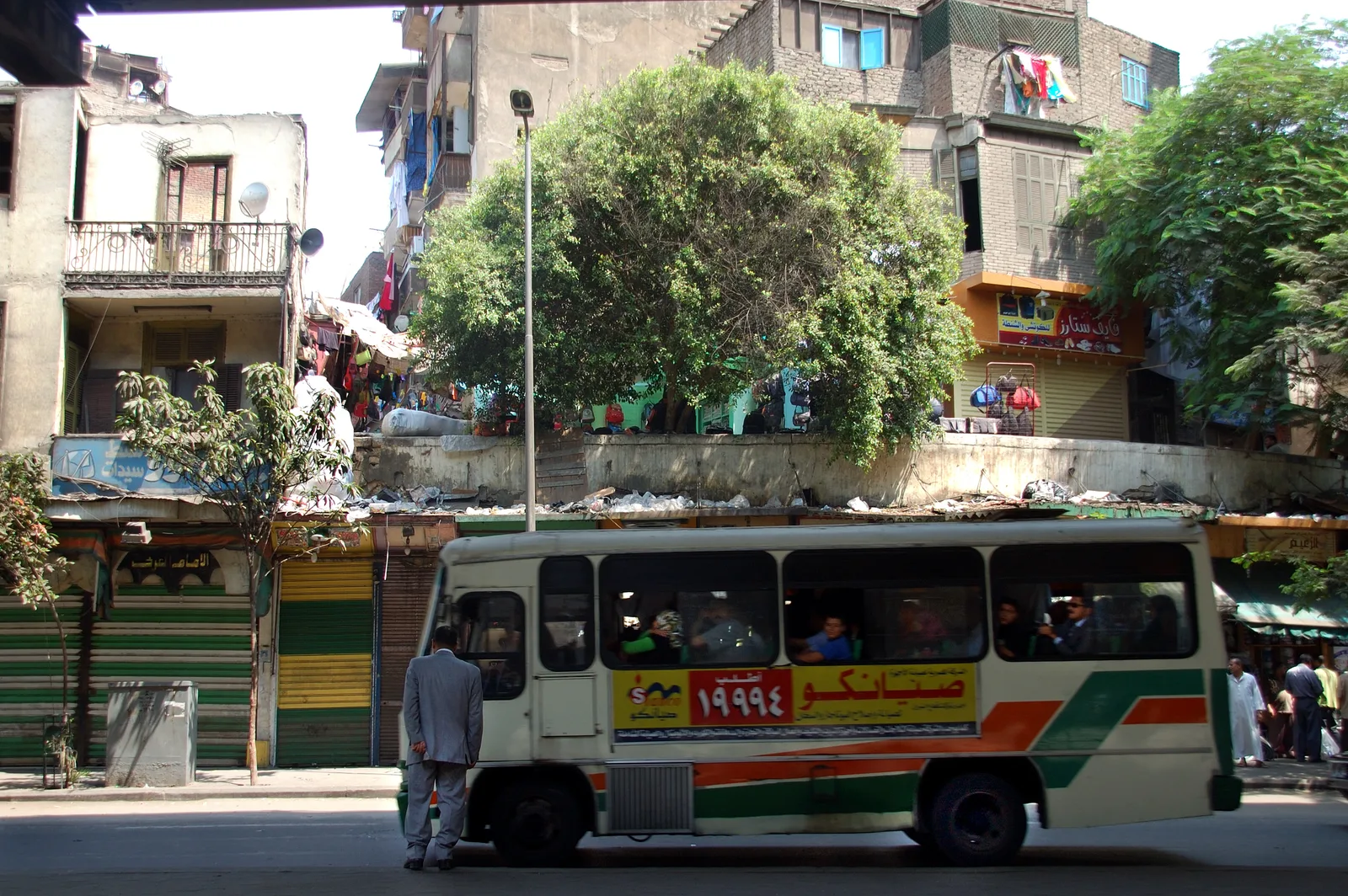
Peu avant le lever du soleil, le Grand Caire s’anime pour l’un des plus vastes mouvements de population quotidiens de la région : des millions de personnes quittent leur domicile pour rejoindre leur travail, leur école ou leur université, en jonglant entre métro, autobus, microbus et taxis collectifs. Ce trajet quotidien, qui peut engloutir trois heures ou plus, aller et retour, pour un habitant de la périphérie, n’est pas un simple déplacement : c’est une part pesante de la vie des Égyptiens, qui façonne leur humeur, leur santé et leur budget, et qui mérite d’être racontée par ceux qui la vivent.
Le métro constitue la colonne vertébrale du système : premier métro construit en Afrique et dans le monde arabe, ses lignes transportent chaque jour des millions de voyageurs et comptent parmi les réseaux les plus fréquentés de la région. Nul ne conteste ce qu’il apporte : il est pratiquement le seul moyen d’échapper à l’emprise des embouteillages et parcourt en quelques minutes ce qu’une voiture met une heure à franchir. Mais ce succès même est à l’origine de sa première épreuve : la saturation.
Aux heures de pointe, les quais des grandes stations se transforment en une mer humaine ; monter dans une rame exige parfois une petite bataille d’épaules, et beaucoup voyagent debout, serrés les uns contre les autres, pendant tout le trajet. Les habitués décrivent des rituels quotidiens que connaît quiconque a pris le métro : assurer l’emplacement de ses pieds avant l’arrivée du train, calculer quelle voiture s’arrêtera au plus près de l’escalier de sortie, et renoncer d’avance à tout espoir de place assise. Les voitures réservées aux femmes restent une respiration précieuse à laquelle beaucoup tiennent, même si elles ne sont guère moins bondées à l’heure de pointe.
Hors du réseau du métro, le microbus règne sur l’empire du transport informel, celui qui dessert tout ce que les lignes officielles n’atteignent pas. Sa souplesse fait sa force : il s’arrête où vous lui faites signe, s’enfonce dans les quartiers et les rues secondaires, et circule de l’aube jusque bien après minuit. Mais chaque passager en connaît le prix : ni horaires fixes ni itinéraires officiellement publiés qu’un étranger pourrait suivre, des tarifs qui peuvent changer soudainement et déclencher des disputes à bord, une conduite imprudente qui fait de bien des trajets une épreuve pour les nerfs, et des attentes sans fin jusqu’à ce que le véhicule soit plein.
Le prix arrive en tête des préoccupations des usagers. Avec les vagues successives de hausse des prix et le relèvement par paliers des tarifs de transport ces dernières années, le coût des déplacements est devenu une ligne pesante dans le budget des familles modestes, d’autant que le trajet de chacun emprunte rarement un seul mode : pour aller d’un quartier périphérique au centre-ville, il faut parfois prendre un microbus, puis le métro, puis un troisième moyen, et la facture se multiplie avec chaque membre du foyer qui travaille ou qui étudie. Certains en viennent à évaluer l’intérêt d’une offre d’emploi à la part de salaire que le transport va engloutir.
Pour d’autres, le trajet quotidien confine à l’impossible : les personnes âgées, les personnes handicapées, les mères avec une poussette. Les longs escaliers de nombreuses stations ne sont pas toujours doublés d’ascenseurs ou d’escaliers mécaniques en état de marche, monter dans un microbus au marchepied haut est un obstacle quotidien, et les trottoirs menant aux arrêts sont défoncés ou encombrés. Malgré les progrès de l’accessibilité dans les projets les plus récents, une grande partie du système ancien n’a tout simplement jamais été conçue pour d’autres que des personnes valides et pressées.
Les femmes ajoutent à cette liste une dimension qui leur est propre. Le harcèlement dans les transports publics est documenté en Égypte depuis de longues années par des études et des enquêtes répétées ; c’est lui qui a conduit à réserver des voitures aux femmes dans le métro et à lancer campagne de sensibilisation après campagne. De nombreuses passagères racontent leurs stratégies d’adaptation quotidiennes : choisir l’heure du trajet, privilégier les voitures réservées, éviter certaines lignes après la tombée de la nuit. Autant de calculs supplémentaires que les hommes n’ont pas à faire.
Le temps, lui, est la victime silencieuse. Des études spécialisées estimaient déjà il y a des années que les embouteillages du Grand Caire coûtaient à l’économie égyptienne des milliards de livres par an, entre carburant gaspillé et heures de travail perdues. Ce que les études ne comptabilisent pas, c’est ce que le long trajet fait à l’être humain : l’épuisement avant même le début de la journée de travail, un retour éreintant qui dévore ce qu’il reste de la soirée, et des heures perdues qui auraient pu aller à la famille, au repos ou à l’étude.
Le tableau n’est pas sombre au point d’être sans lumière : ces dernières années ont vu d’importants investissements dans les transports collectifs, avec de nouvelles extensions des lignes de métro et des stations modernes, un train électrique léger reliant Le Caire aux villes nouvelles, un projet de monorail en construction et le renouvellement des flottes d’autobus par des véhicules au gaz et électriques. Certains usagers en perçoivent déjà les fruits, même si la question qui les préoccupe reste de savoir si cette qualité nouvelle arrivera à un tarif abordable et jusque dans les quartiers populaires où vit la plupart d’entre eux.
Quand on demande aux usagers ce qu’ils veulent, on n’entend aucune revendication impossible. Ils veulent des horaires fiables au lieu d’attentes sans fin, une véritable intégration entre les modes de transport pour que leur trajet ne se perde pas dans les interstices, une tarification juste qui tienne compte des faibles revenus grâce à des abonnements subventionnés, un traitement qui préserve la dignité dans la cohue, la sécurité pour les femmes et l’accessibilité pour les personnes âgées et handicapées. Des demandes qui paraissent simples, mais qui résument la différence entre un trajet quotidien qui épuise et un trajet digne de celui qui l’accomplit.
Les transports publics restent, au bout du compte, le miroir fidèle de la relation d’une ville avec ses habitants. Les millions de personnes qui affluent chaque matin dans le métro et les microbus sont celles qui font tourner l’économie de leurs mains, et leur trajet quotidien n’est pas un détail secondaire : c’est une question publique de premier ordre. Écouter leur expérience, avec ses peines et ses petites solutions inventives, est le point de départ de toute réforme qui veut réellement réussir.
À lire aussi
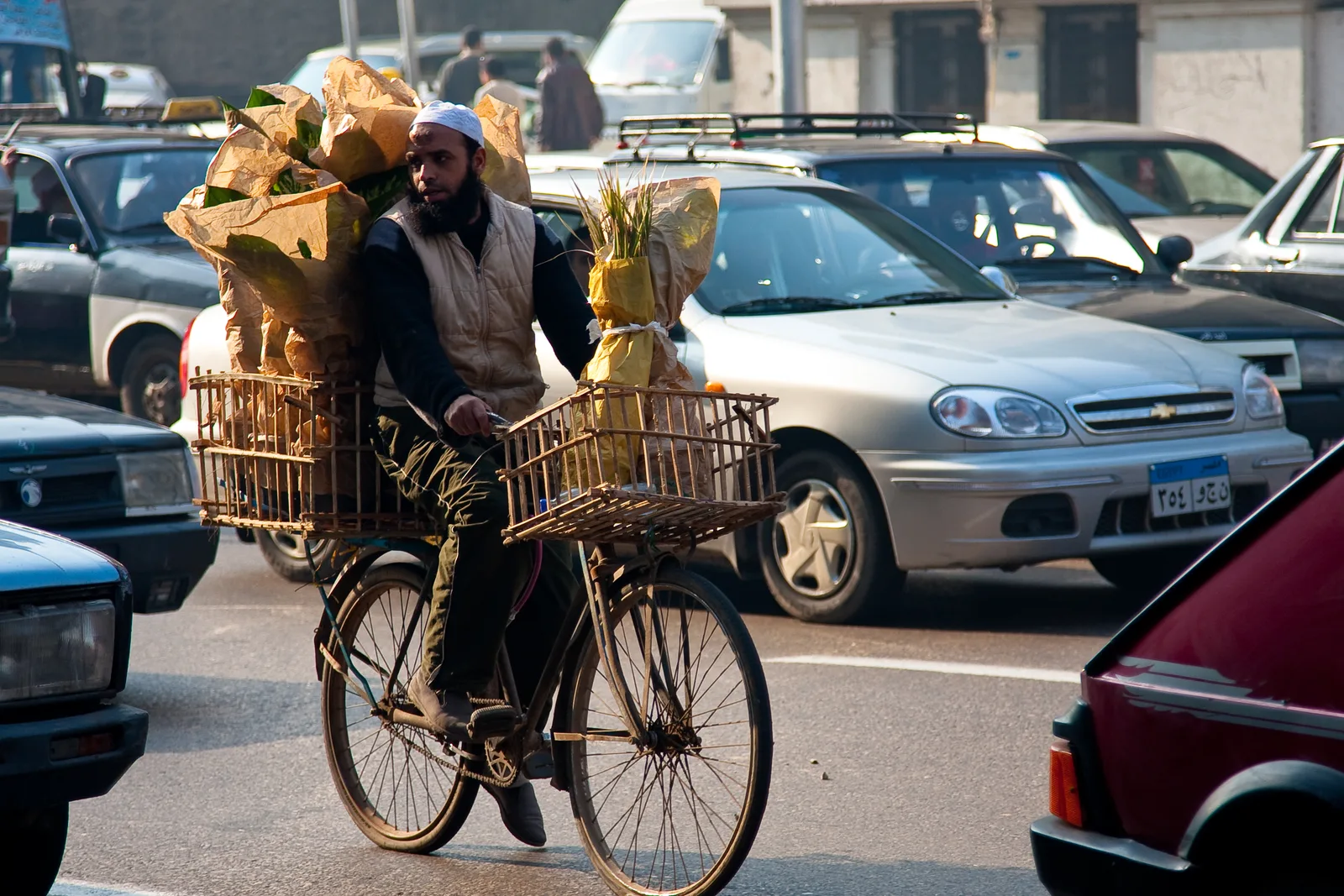
Sur deux roues au milieu des embouteillages : quelle place pour le vélo en Égypte, un jour sans voiture ?
Le 22 septembre, le monde célèbre la Journée sans voiture, tandis que dans nos rues le vélo se faufile entre les microbus et longe une piste tracée où une voiture est garée. De Cairo Bike à l'initiative « Ton vélo, ta santé », en passant par le gamin qui porte un plateau de pain sur la tête : reportage sur ce que tout passant peut voir, et une question : à qui appartient le vélo en Égypte, et pourquoi la piste sécurisée reste-t-elle un rêve ?
22 septembre 2026 · 8 min de lecture
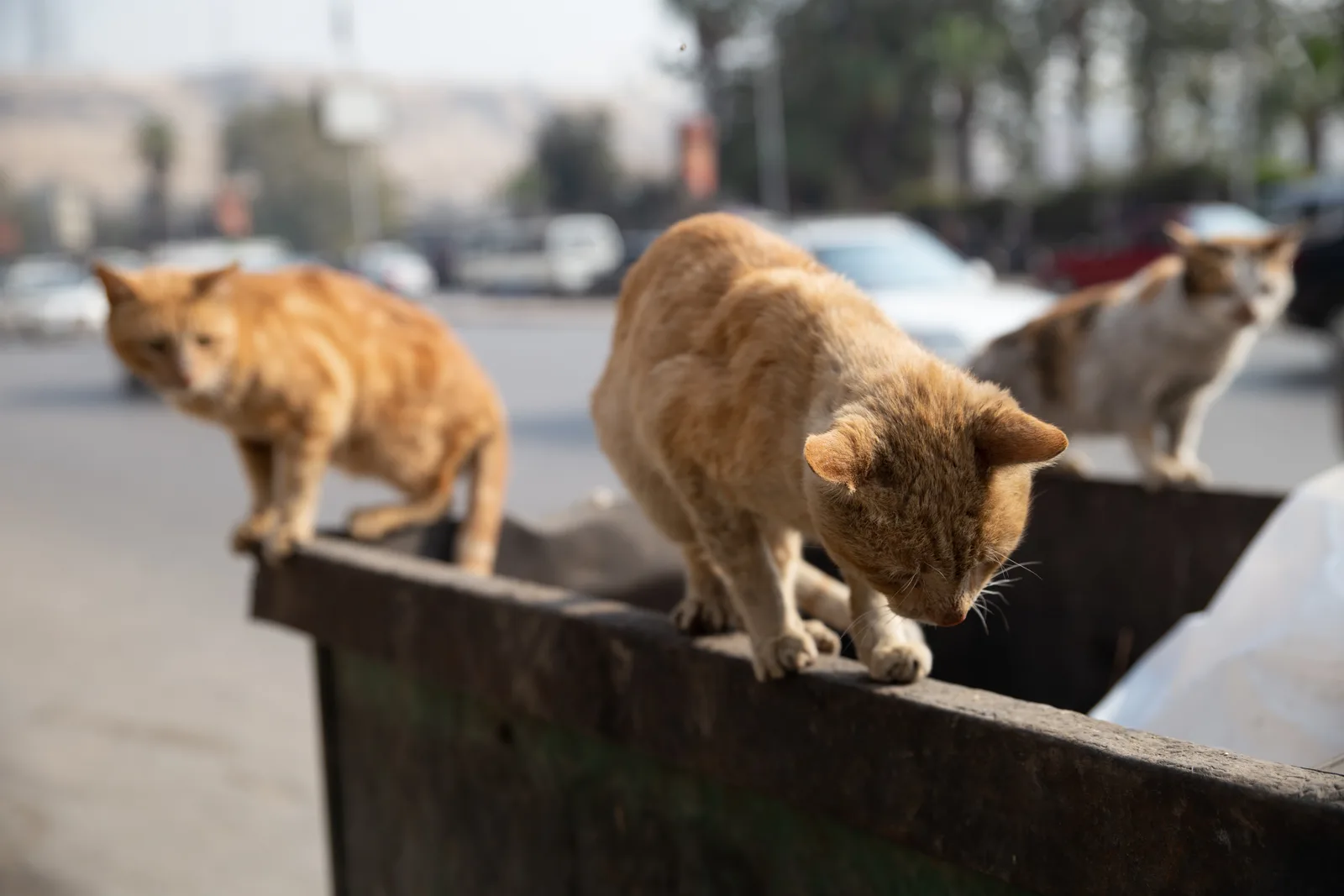
« Keda ghalat » (« Ça, c'est mal ») : maltraiter un animal est un crime au regard du Code pénal égyptien depuis 1937
Un voisin dépose des gamelles empoisonnées près du mur de l'école ; un charretier frappe son âne au visage sous une charge trop lourde. Beaucoup croient qu'« un animal » n'est protégé par aucune loi. En réalité, les articles 355, 356 et 357 du Code pénal sanctionnent tuer, empoisonner et maltraiter un animal, jusqu'à l'emprisonnement. À la veille de la Journée mondiale des animaux, voici ce que dit la loi.
3 octobre 2026 · 6 min de lecture

Octobre rose : dépistage gratuit à l'unité de santé, pourquoi la détection précoce change le destin des Égyptiennes
« Je n'ai mal nulle part » n'est pas une raison de remettre à plus tard. Depuis juillet 2019, les unités de santé égyptiennes ouvrent gratuitement leurs portes à toute femme dès 18 ans, et en juin 2026 la part des cas découverts à un stade avancé était tombée de 60 % à 19,5 %. Nous expliquons ce qui se passe à l'unité, quels signes doivent conduire à la consultation, et pourquoi la peur retarde ce dépistage essentiel.
2 octobre 2026 · 7 min de lecture