Traverser au milieu des voitures : un pari que piéton et conducteur paient ensemble
À quelques mètres de la passerelle piétonne ou du passage prévu, le piéton se jette dans le fleuve d'asphalte, courant entre les voitures, la main levée face aux véhicules lancés comme si elle était un frein. Une scène quotidienne, si familière que nous en avons oublié la vérité : un pari sur la vie du passant — et sur les nerfs d'un conducteur qui peut faire une embardée et faucher des innocents. Ça, c'est mal — des deux côtés, et du côté de l'État aussi.
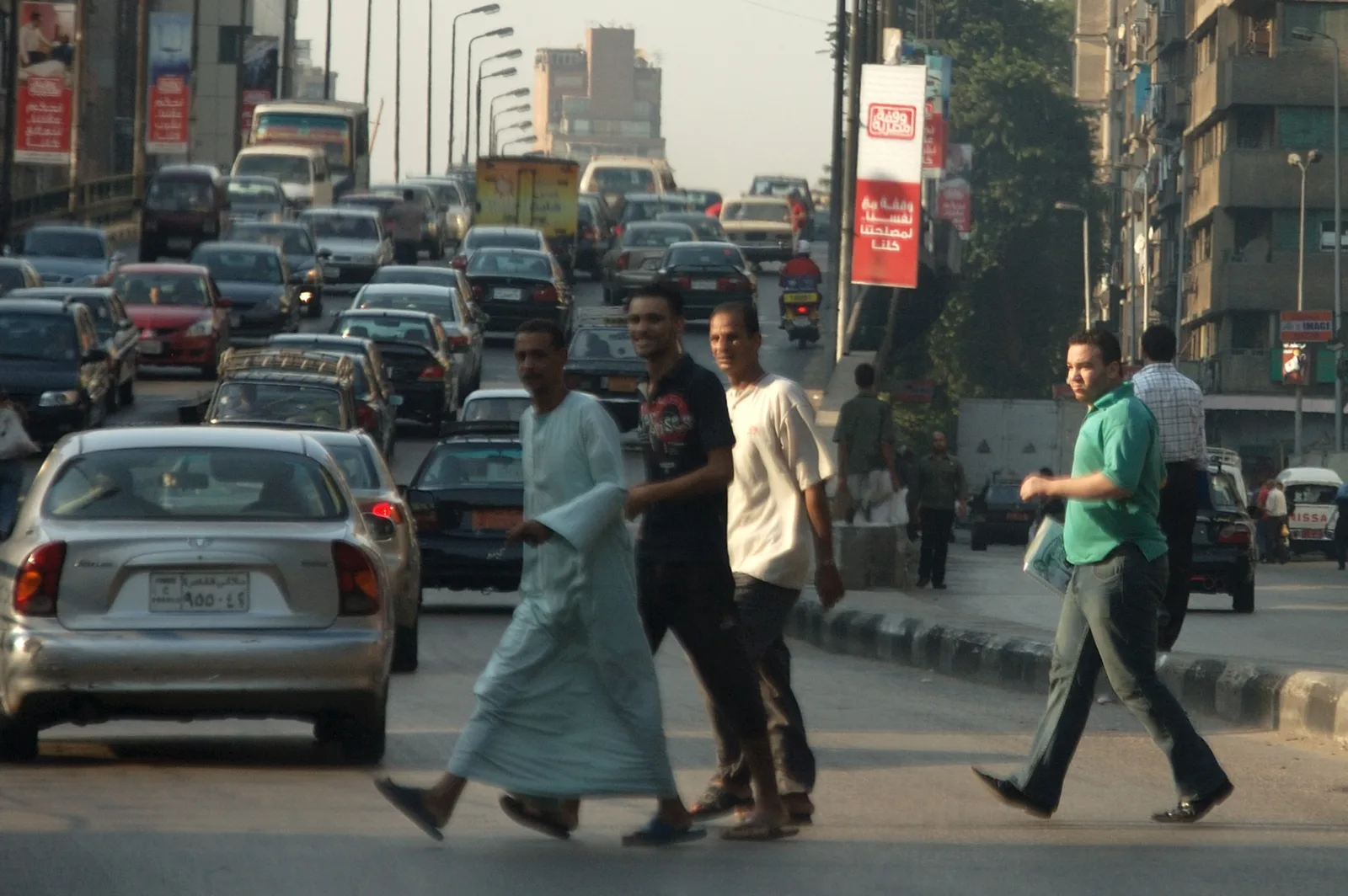
La scène nous est si familière que nous ne la remarquons même plus : une voie rapide ou une grande artère où les voitures filent, et à quelques mètres de là une passerelle pour piétons ou un passage protégé ; et pourtant le passant choisit la ligne droite la plus courte. Il descend dans le fleuve d'asphalte, esquive une voiture, se fige devant une autre, lève la paume de la main face aux véhicules lancés comme si une paume était un frein, puis court jusqu'à l'autre rive, laissant le cœur de tous ceux qui l'ont vu suspendu dans le vide.
Appelons cet acte par son nom : un pari. Un pari où le passant met sa vie sur la table pour gagner deux minutes ou s'épargner l'effort de gravir les marches d'une passerelle. Et c'est un pari dont il ne détient que la moitié des cartes ; l'autre moitié est entre les mains d'un conducteur qu'il ne connaît pas. Était-il attentif ? Ses freins sont-ils en bon état ? La chaussée est-elle mouillée ? Le soleil l'éblouit-il précisément à cet instant ? Chaque traversée sauvage qui réussit n'est pas une preuve d'adresse : c'est un coup de dés qui, cette fois-ci, est tombé du bon côté.
Et la victime oubliée de cette scène, c'est le conducteur. Nous parlons toujours du danger que court le piéton, et nous oublions que l'automobiliste devant lequel surgit soudain une silhouette au milieu de la chaussée se voit imposer, en une fraction de seconde, un choix impossible : le renverser, freiner brutalement et être percuté par la voiture qui le suit, ou faire une embardée et heurter un autre véhicule — ou un autre piéton sur le trottoir. Imaginez que vous rouliez à la vitesse autorisée, parfaitement concentré, et qu'une personne jaillisse devant vous d'entre deux voitures en stationnement. Quelle faute avez-vous commise ? Et quelle justice y a-t-il à ce qu'un être humain porte toute sa vie, dans sa conscience, le poids d'un crime qu'il n'a pas commis, parce qu'un autre a joué sa propre vie devant ses roues ?
C'est là que se situe la faute morale, celle qui nous importe avant même la loi : celui qui traverse au milieu des voitures ne met pas seulement sa propre vie en jeu — et cela suffirait déjà à le blâmer — il impose à chaque conducteur de la route un risque que celui-ci n'a pas choisi, et lui fait porter l'éventualité d'une catastrophe psychologique et judiciaire dont il n'est en rien responsable. Votre liberté de risquer votre corps s'arrête au moment où vous faites d'autrui un complice forcé de votre pari.
Plus grave encore : la traversée sauvage est une habitude qui se transmet par l'exemple. L'enfant qui tient la main de son père tandis que celui-ci se faufile entre les voitures apprend une seule leçon : c'est ainsi que l'on traverse une rue. Mille heures de sensibilisation à l'école ne pèseront rien face à une scène que le parent répète. Celui qui traverse n'importe où avec un enfant commet la faute deux fois : une fois aujourd'hui, et une fois à chaque traversée que cet enfant fera seul demain.
En toute justice, le code de la route égyptien n'a pas laissé la question sans règle : il impose aux piétons d'emprunter les lieux de traversée aménagés là où ils existent, et impose aux conducteurs de céder le passage aux piétons à ces endroits. La règle de droit existe ; mais, comme beaucoup d'autres, elle a besoin de quelqu'un pour la rappeler et de quelqu'un pour la faire appliquer.
Et nous ne serions pas honnêtes avec nos lecteurs si nous faisions peser toute la responsabilité sur le seul piéton. Disons-le clairement : en bien des endroits, le passage sûr n'existe tout simplement pas, ou se trouve à une distance déraisonnable, ou se réduit à une passerelle délabrée aux marches cassées, plongée dans le noir, où aucune femme ne se sent en sécurité la nuit et qu'aucune personne âgée ou handicapée ne peut emprunter. Quand une route est conçue comme si les piétons n'existaient pas, ne vous étonnez pas qu'ils traversent comme si les voitures n'existaient pas. La sécurité de la traversée est une responsabilité partagée : au piéton d'utiliser ce qui est mis à sa disposition, à l'État de faire en sorte que ce qui est mis à sa disposition soit humain et praticable.
Que demande-t-on au citoyen ? Une seule règle, sans exception : traversez au passage aménagé partout où il en existe un, quels que soient les pas supplémentaires que cela vous coûte ; car la minute que vous « gagnez » en vous jetant dans la circulation peut être la dernière de votre vie, ou la première d'un cauchemar pour un conducteur innocent. Et si vous devez traverser là où aucun aménagement sûr n'existe, arrêtez-vous, regardez des deux côtés, traversez en ligne droite, sans courir et sans téléphone à la main, et n'entraînez jamais un enfant dans ce pari.
Et que demande-t-on à l'État ? Des passages sûrs, à intervalles raisonnables, sur les grands axes : des marquages au sol nets et éclairés, des feux piétons qui fonctionnent réellement, des passerelles propres, éclairées, aux marches entretenues, avec des rampes pour les personnes âgées et handicapées, afin que la passerelle soit une option praticable et non une punition. Puis l'application des règles de circulation des deux côtés : au conducteur qui ne s'arrête pas devant un passage piéton, et au piéton qui se jette sur la chaussée alors que le passage sûr est à quelques mètres.
Entre les deux rives d'une rue, il y a des vies : celle du piéton, les nerfs du conducteur, et le regard d'un enfant qui apprend. Les quelques mètres gagnés en forçant le passage n'en valent aucune. Au piéton qui slalome entre les voitures avec la passerelle au-dessus de sa tête, et au responsable qui a laissé un axe principal sans traversée digne de ce nom, nous le disons ensemble et avec la même fermeté : ça, c'est mal.
À lire aussi
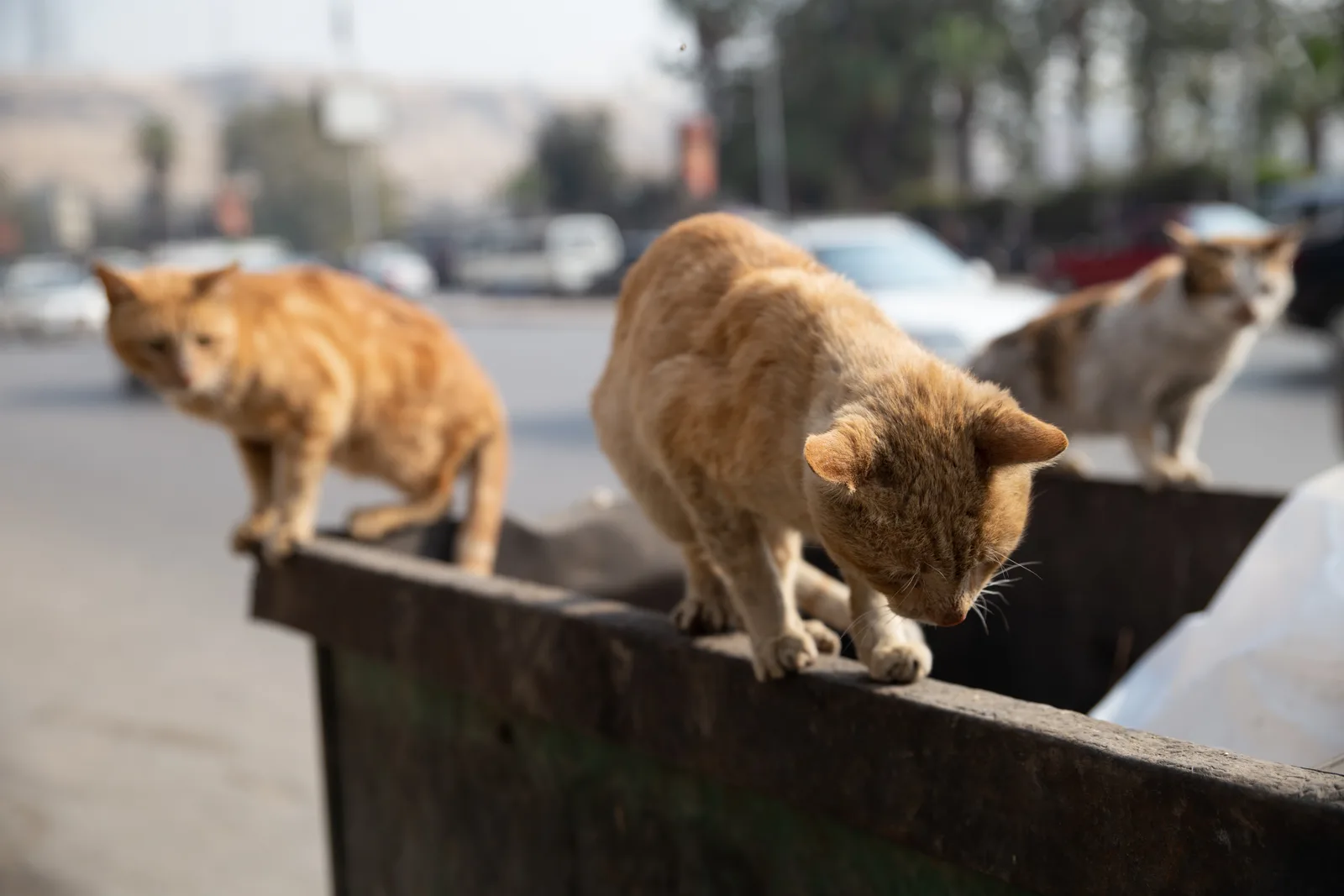
« Keda ghalat » (« Ça, c'est mal ») : maltraiter un animal est un crime au regard du Code pénal égyptien depuis 1937
Un voisin dépose des gamelles empoisonnées près du mur de l'école ; un charretier frappe son âne au visage sous une charge trop lourde. Beaucoup croient qu'« un animal » n'est protégé par aucune loi. En réalité, les articles 355, 356 et 357 du Code pénal sanctionnent tuer, empoisonner et maltraiter un animal, jusqu'à l'emprisonnement. À la veille de la Journée mondiale des animaux, voici ce que dit la loi.
3 octobre 2026 · 6 min de lecture
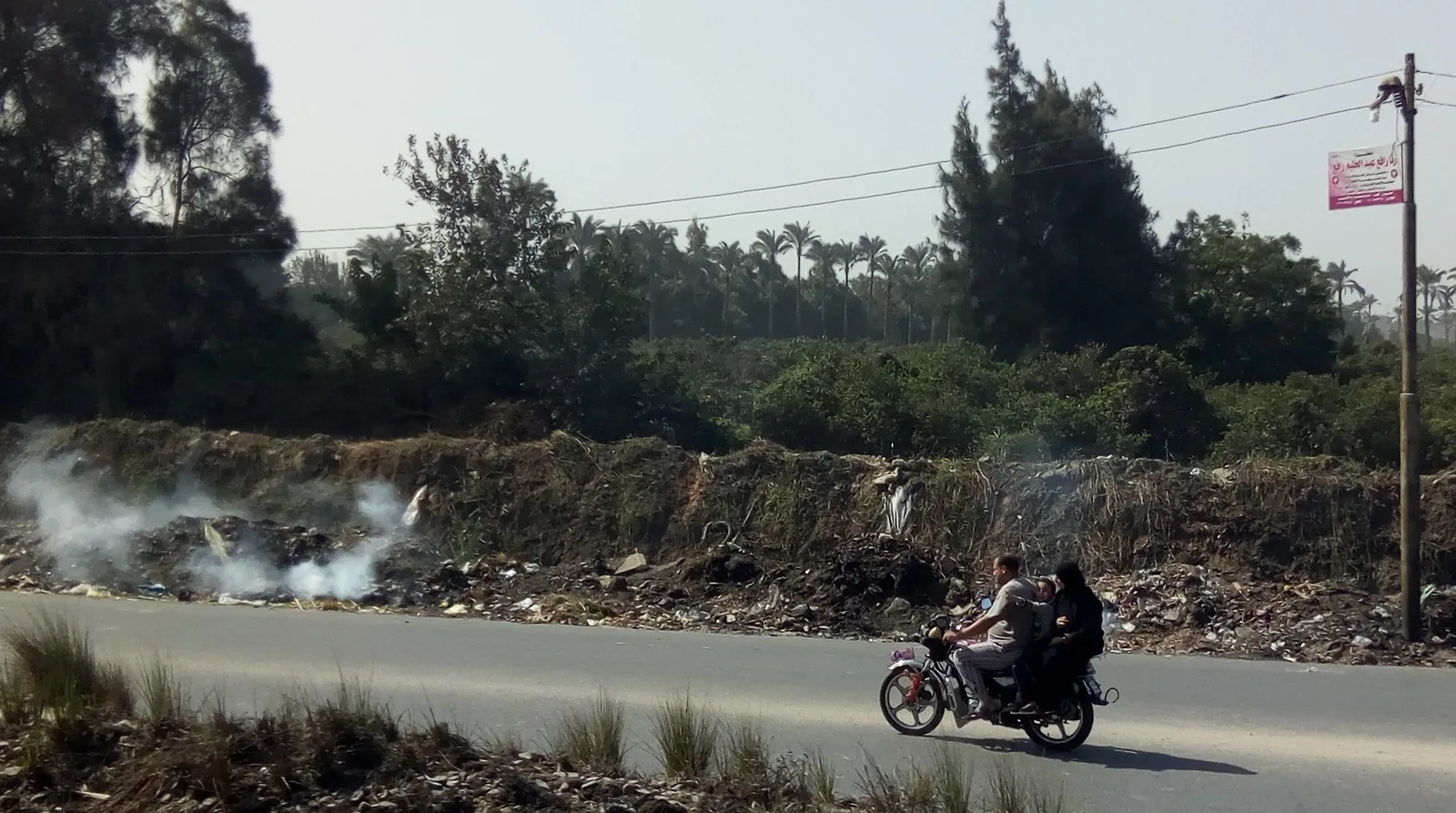
Quatre sur une moto et pas un casque : la tête nue est ce qu'une famille peut perdre de plus cher sur la route
En deuxième semaine de rentrée, la même scène se répète : un père au guidon, un enfant devant, un autre derrière, la mère serrant les cartables, pas un seul casque. La presse, citant la CAPMAS, relève un bond des décès de 190 à 897 entre 2020 et 2024, alors qu'une revue Cochrane montre que le casque seul réduit le risque de décès de 42 %. La loi sanctionne la tête nue depuis 1999, amende relevée en 2008. Pourquoi ne s'y plie-t-on pas ?
23 septembre 2026 · 8 min de lecture
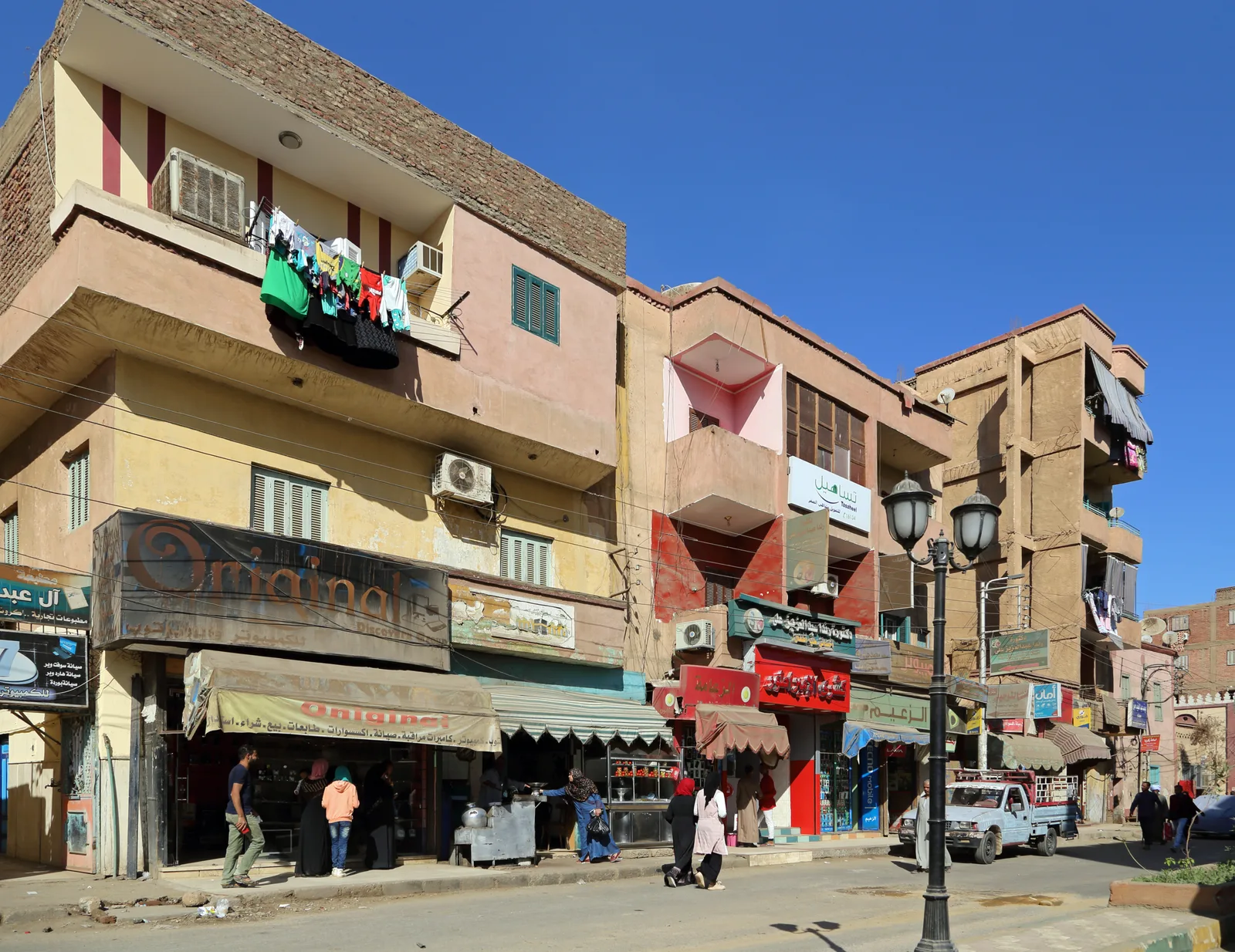
« Un branchement sur le câble » n'est pas malin : le vol d'électricité, un crime payé par tout le quartier
Un fil dénudé qui pend d'un poteau à un balcon, un climatiseur sur un compteur immobile, et un fusible qui saute pour la troisième fois, plongeant dans le noir un voisin qui paie sa facture. L'article 71 de la loi sur l'électricité qualifie cela d'appropriation illégale du courant, punie de prison et d'amende, tandis qu'un amendement plus sévère attend la Chambre. Que perd toute une rue pour un seul branchement ? Et quelle est la bonne solution ?
14 septembre 2026 · 7 min de lecture