Un mégot encore allumé : une petite braise suffit à la catastrophe
Un seul geste du doigt : la cigarette est projetée par la vitre ou jetée sur le trottoir, encore allumée, et son propriétaire passe son chemin. Mais la braise ignore qu'elle est « petite ». Sur l'herbe sèche, près d'un tas d'ordures ou d'une fuite de carburant, une seule étincelle suffit à déclencher la catastrophe. Quelques secondes de négligence peuvent dévorer le gagne-pain de familles entières. Ça, c'est mal.
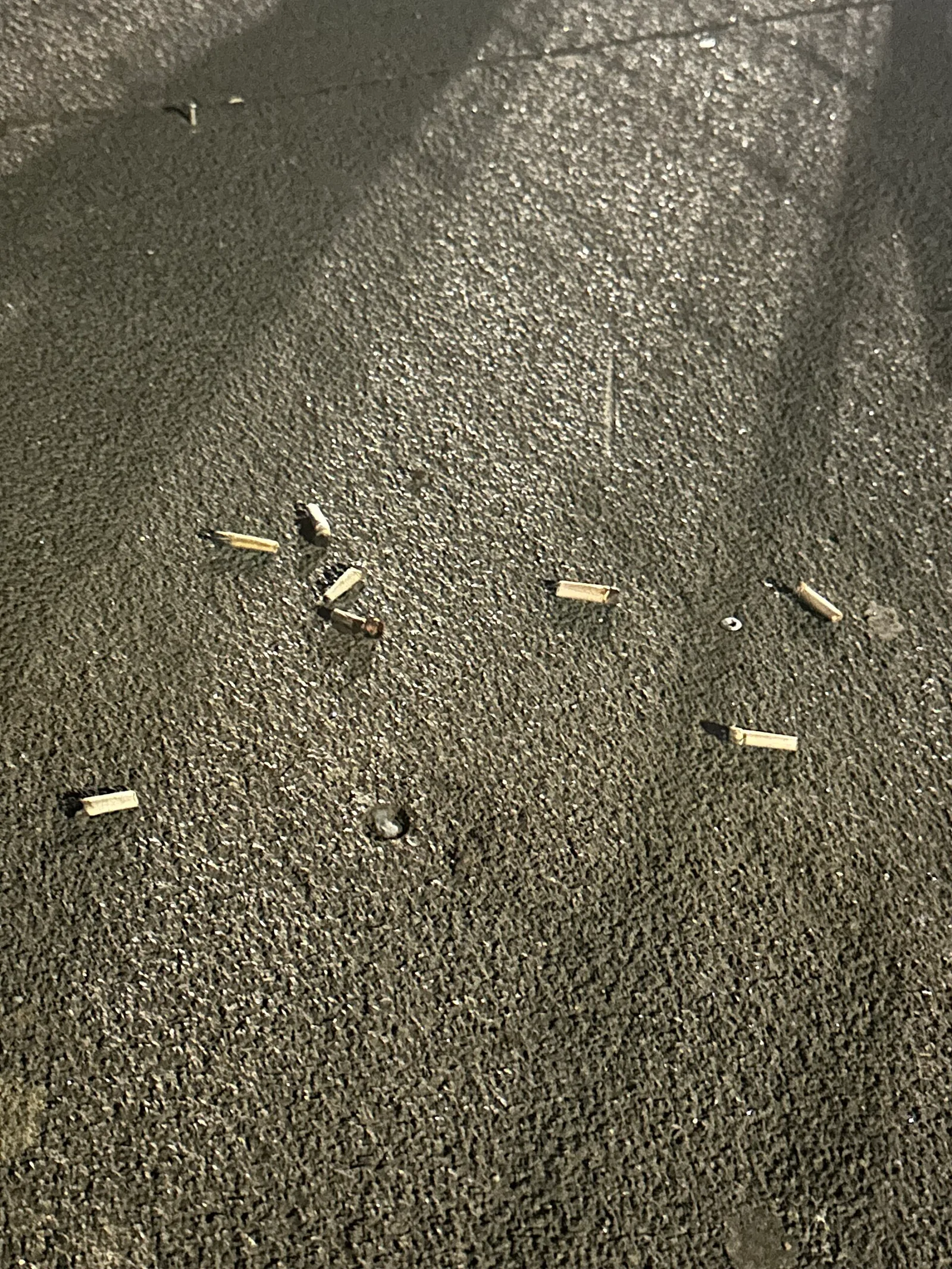
C’est un simple geste du doigt, accompli sans y penser : une dernière bouffée sur la cigarette, puis le mégot jeté par la fenêtre de la voiture ou lâché sur le trottoir — encore allumé, projetant des étincelles. Le fumeur poursuit sa route, et la braise reste seule sur le sol, à décider du sort de tout ce qui l’entoure.
Une braise ne sait pas qu’elle est « petite ». Le feu n’a besoin que de trois choses, toutes faciles à trouver dans nos rues : de la chaleur, que la braise fournit ; une matière inflammable ; et un peu d’air. De l’herbe sèche au bord d’une route agricole, un tas d’ordures fait de papier et de carton, des déchets plastiques, une flaque de carburant près d’une station-service ou d’un atelier. Autant d’éléments qui attendent une étincelle — et l’étincelle arrive en courrier express par la fenêtre d’une voiture qui passe.
Combien d’incendies ont commencé exactement ainsi, à partir d’une braise que son propriétaire n’a pas pris la peine d’éteindre ? Nul besoin d’inventer des faits précis : partout dans le monde, les rapports de la protection civile placent les mégots jetés sans précaution parmi les causes récurrentes des incendies de fermes, d’entrepôts et d’habitations. Le scénario est connu et documenté : une braise, une matière sèche, un souffle de vent — puis un feu que celui qui l’a allumé ne pourrait plus éteindre, même s’il le voulait.
Imaginez la scène dans sa version la plus simple : un mégot incandescent projeté par la fenêtre d’une voiture sur une voie rapide, que l’air emporte au visage du motocycliste qui suit, ou qui se loge dans un chargement de paille à l’arrière d’une camionnette. Ou un mégot lâché d’un balcon, qui retombe sur le store en toile d’une boutique du rez-de-chaussée, sur du linge étendu, ou sur le balcon des voisins où traîne de quoi s’enflammer. Aucune de ces personnes n’a choisi d’être partie prenante d’un pari allumé par quelqu’un d’autre.
Et voilà le cœur de la faute morale qui nous importe avant tout : celui qui jette une braise vive dans un espace partagé joue avec la vie, le gagne-pain et les biens des autres pour économiser trois secondes — le temps qu’il faut pour éteindre une cigarette avant de s’en débarrasser. Même si rien ne prend jamais feu, le geste reste un mépris affiché des gens, une provocation, un message qui dit : votre sécurité ne vaut pas, à mes yeux, un mouvement de doigt.
Même éteint, le mégot n’est pas tout à fait innocent : c’est un déchet dont l’abandon sur la voie publique est sanctionné par la loi égyptienne sur la propreté publique n° 38 de 1967 et ses amendements, et c’est l’un des détritus les plus répandus dans les rues du monde et l’un des plus lents à se décomposer. Mais le mégot encore allumé, lui, fait passer le geste de la catégorie de la saleté à celle du danger imminent.
Le paradoxe, c’est que la solution est ici l’une des moins chères et des plus simples qui soient. Il suffit au fumeur d’éteindre complètement sa cigarette — en l’écrasant sur une surface dure ou en la mouillant — avant de la jeter dans une poubelle. Celui qui fume dans sa voiture y dispose d’un cendrier conçu exactement pour cela ; celui qui fume sur son balcon n’a besoin que d’une petite soucoupe. On ne demande à personne d’arrêter de fumer ; on demande seulement que votre cigarette ne se transforme pas en projectile incendiaire.
Que demande-t-on au citoyen ? Éteignez, puis jetez, toujours et sans exception, même si la braise vous semble sur le point de mourir d’elle-même. Apprenez aux fumeurs de votre famille — si vous ne parvenez pas à les convaincre d’arrêter — que ce geste précis est une ligne rouge. Et si vous voyez quelqu’un projeter une braise par sa fenêtre, dites-le-lui : « ça, c’est mal ».
Et que demande-t-on à l’État et aux établissements ouverts au public ? Des cendriers et des bacs à sable métalliques aux entrées des immeubles, des cafés et des gares routières, afin qu’aucun fumeur ne puisse invoquer l’absence d’un endroit approprié. Des campagnes de sensibilisation qui établissent le lien direct entre le mégot allumé et l’incendie, car beaucoup agissent par ignorance réelle des conséquences plutôt que par mépris. Puis l’application des amendes existantes à ceux qui persistent.
La braise d’une cigarette est la plus petite chose qu’une main puisse porter, et elle peut être le premier fil de la plus grande perte qu’ait connue une rue tout entière. Entre les deux, il n’y a que trois secondes d’attention. À celui qui les refuse à ses voisins et aux passants, nous le disons sans hésiter : « ça, c’est mal ».
À lire aussi
« Keda ghalat » (« Ça, c'est mal ») : maltraiter un animal est un crime au regard du Code pénal égyptien depuis 1937
Un voisin dépose des gamelles empoisonnées près du mur de l'école ; un charretier frappe son âne au visage sous une charge trop lourde. Beaucoup croient qu'« un animal » n'est protégé par aucune loi. En réalité, les articles 355, 356 et 357 du Code pénal sanctionnent tuer, empoisonner et maltraiter un animal, jusqu'à l'emprisonnement. À la veille de la Journée mondiale des animaux, voici ce que dit la loi.
3 octobre 2026 · 6 min de lecture
Quatre sur une moto et pas un casque : la tête nue est ce qu'une famille peut perdre de plus cher sur la route
En deuxième semaine de rentrée, la même scène se répète : un père au guidon, un enfant devant, un autre derrière, la mère serrant les cartables, pas un seul casque. La presse, citant la CAPMAS, relève un bond des décès de 190 à 897 entre 2020 et 2024, alors qu'une revue Cochrane montre que le casque seul réduit le risque de décès de 42 %. La loi sanctionne la tête nue depuis 1999, amende relevée en 2008. Pourquoi ne s'y plie-t-on pas ?
23 septembre 2026 · 8 min de lecture
« Un branchement sur le câble » n'est pas malin : le vol d'électricité, un crime payé par tout le quartier
Un fil dénudé qui pend d'un poteau à un balcon, un climatiseur sur un compteur immobile, et un fusible qui saute pour la troisième fois, plongeant dans le noir un voisin qui paie sa facture. L'article 71 de la loi sur l'électricité qualifie cela d'appropriation illégale du courant, punie de prison et d'amende, tandis qu'un amendement plus sévère attend la Chambre. Que perd toute une rue pour un seul branchement ? Et quelle est la bonne solution ?
14 septembre 2026 · 7 min de lecture