Des ordures jetées par la vitre d'une voiture : quelques secondes de paresse qui peuvent coûter une vie
Une vitre s'abaisse, une main se tend, un sac tombe sur l'asphalte et la voiture poursuit sa route. La scène se répète chaque jour dans nos rues, depuis des voitures modestes comme des berlines de luxe. Avant d'être une infraction, c'est un message de mépris adressé à quiconque marche sur la route, et un piège sur lequel un passant peut glisser — et le payer de sa vie. Ça, c'est mal.
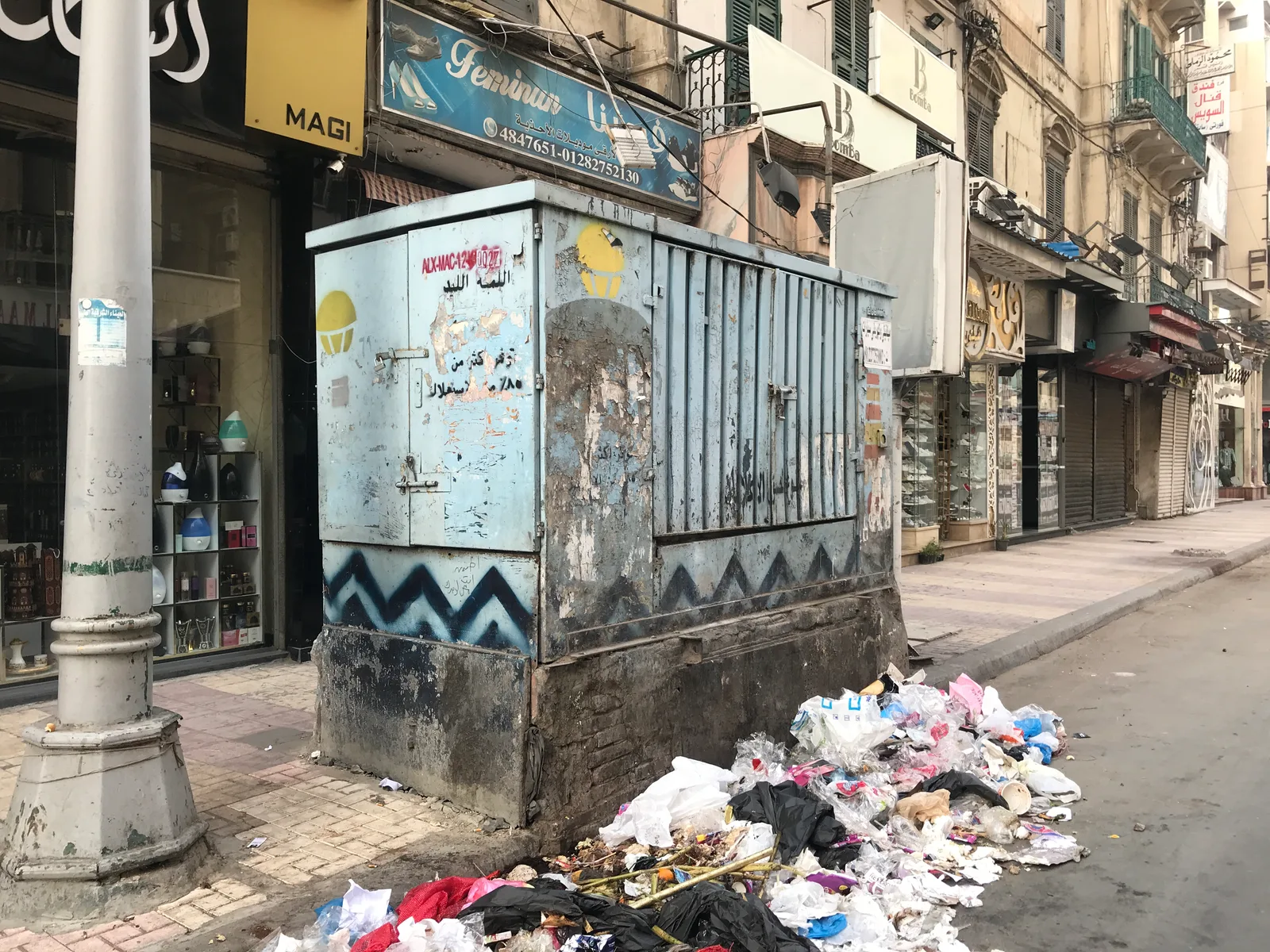
La scène n'a pas besoin d'une longue description, car nous la voyons chaque jour : une voiture roule sur la chaussée, une vitre s'abaisse, une main se tend avec un sac, une bouteille ou des restes de repas, puis tout cela tombe sur le bitume et la voiture poursuit sa route comme si de rien n'était. Pour le propriétaire de cette main, la rue est une grande poubelle, et les éboueurs sont là pour ramasser ce qu'il jette.
Disons-le clairement dès la première ligne : le luxe de la voiture n'excuse rien. Combien de fois avons-nous vu un sac jeté par la vitre teintée d'une berline qui vaut le prix d'un appartement ? La distinction n'est ni une marque ni un millésime ; la distinction est un comportement. Celui qui jette ses détritus par la fenêtre de sa voiture se présente lui-même de la manière la plus éloquente, quel que soit le véhicule qu'il conduit.
La faute est ici morale avant d'être juridique. La rue est un bien commun à tous ceux qui l'empruntent : le piéton, le passager, le marchand, l'enfant qui rentre de l'école. Celui qui y déverse ses déchets leur dit en pratique à tous : mon confort compte plus que vous tous, et la propreté de l'habitacle de ma voiture vaut bien que votre chaussée soit salie. C'est une insulte, une provocation et un préjudice, même si l'acte n'entraîne strictement rien d'autre.
Mais le drame, c'est que cet acte peut entraîner bien pire que la laideur. Imaginez un élève qui se rend à l'école le matin, qui marche sur le bas-côté parce que le trottoir est encombré, et dont le pied se pose sur une pelure de fruit ou un sac mouillé jeté quelques minutes plus tôt par la vitre d'une voiture de passage. Il glisse, perd l'équilibre, tombe au milieu de la circulation. En une seconde, la paresse de quelqu'un qui n'a pas supporté de garder un sac dans sa voiture jusqu'à la poubelle la plus proche se transforme en tragédie qui frappe une famille entière.
Nous n'avons pas besoin d'attendre le drame pour juger l'acte. Même dans le meilleur des cas, quand personne ne glisse et que personne n'est blessé, jeter ses déchets par la portière reste un comportement immoral, incivil et provocateur pour quiconque en est témoin. La laideur est dans l'acte lui-même, et pas seulement dans ses conséquences.
Et un sac ne reste jamais seul. Le premier sac au bord de la route est une invitation ouverte à un deuxième, puis à un troisième, jusqu'à ce que l'accotement se transforme en petite décharge : les sacs s'envolent au visage des conducteurs, bouchent les avaloirs d'eaux pluviales et finissent par échouer dans les canaux d'irrigation et de drainage. La mauvaise habitude fabrique elle-même son environnement : un endroit sale appelle davantage de saleté.
La loi a elle aussi son mot à dire, même si nous la plaçons délibérément en second. Jeter des déchets sur la voie publique est une infraction punie par la loi égyptienne n° 38 de 1967 sur la propreté publique et ses amendements. Le texte existe depuis des décennies ; ce qui manque, c'est une application ferme, celle qui ferait réfléchir à deux fois celui qui s'apprête à ouvrir sa vitre.
Et il y a cet argument tout prêt que l'on entend souvent : « À quoi servent les éboueurs, alors ? » La réponse est simple : l'existence de quelqu'un qui balaie la rue n'est pas un permis de la salir, exactement comme l'existence des médecins n'est pas une invitation à faire du mal aux gens. L'éboueur mérite que l'on respecte son travail et non qu'on le multiplie pour rien, qu'on lui préserve sa dignité et non qu'on le traite comme un balai qui marche derrière nos vitres.
Que demande-t-on au citoyen ? Une chose d'une simplicité presque risible : un petit sac dans la voiture, où l'on garde ses déchets jusqu'à la poubelle la plus proche. C'est tout. Et si vous êtes témoin du geste, dites-le avec politesse et fermeté, ne serait-ce que d'un regard : « Ça ne se fait pas. » Celui qui se sait vu et désapprouvé change bien plus vite que celui dont le geste passe sans le moindre commentaire.
Et que demande-t-on à l'État ? Des poubelles en nombre suffisant, réparties intelligemment le long des routes et sur les places ; une application réelle des amendes déjà prévues par les textes, de sorte que la contravention parvienne au propriétaire du véhicule comme lui parvient celle pour excès de vitesse ; et l'exploitation du réseau de caméras de surveillance routière déjà en place pour repérer ce comportement partout où c'est possible. Une loi que l'on n'applique pas se réduit à un conseil.
La route est le miroir de ceux qui l'empruntent. Quand le sac s'envole par la vitre, ce n'est pas lui seul qui tombe sur le bitume : une part de l'image de la ville et de celle de ses habitants tombe avec lui. « Ça ne se fait pas », et nous continuerons à le dire jusqu'à ce que la main tendue par la fenêtre avec un sac ne soit plus qu'une image du passé.
À lire aussi
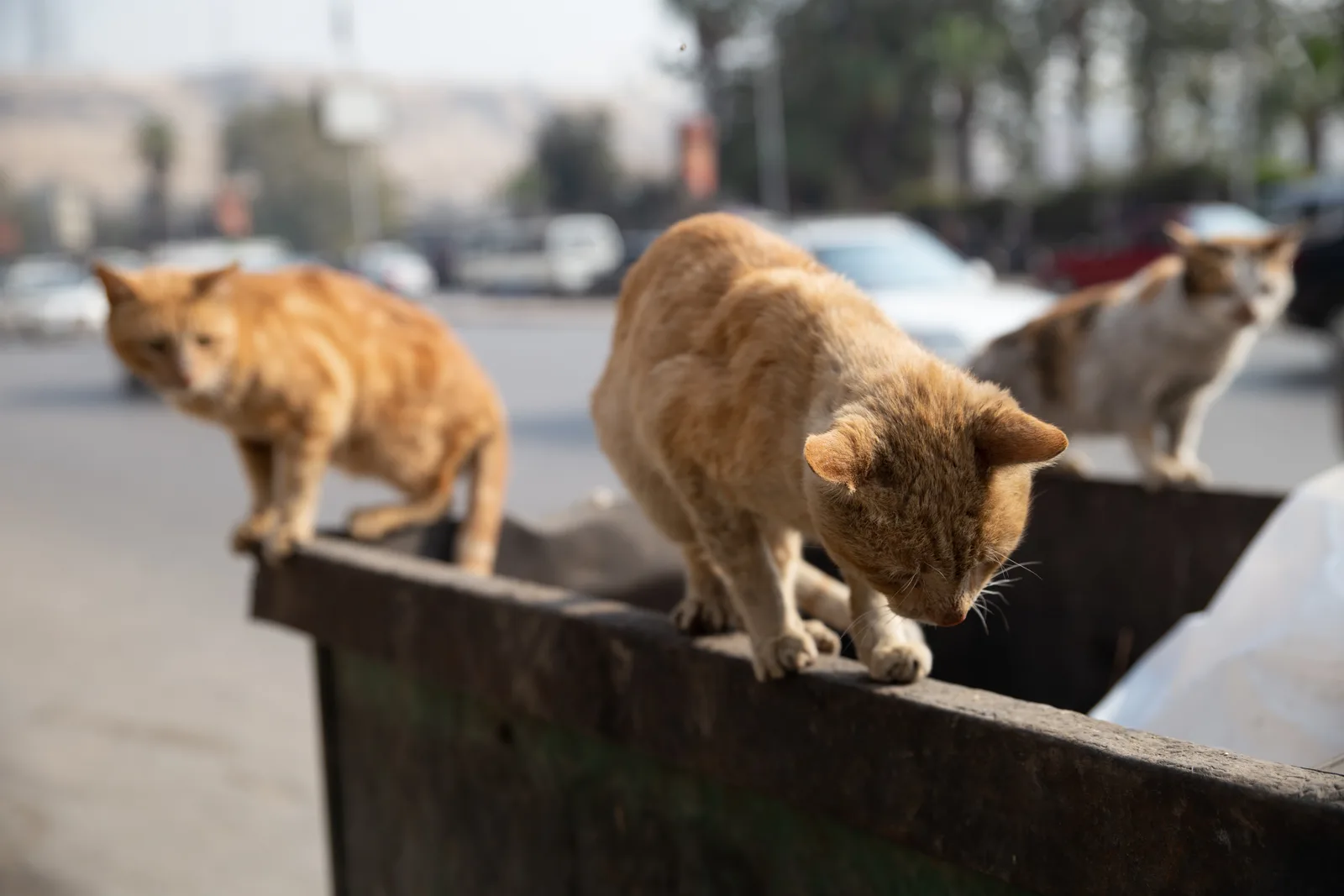
« Keda ghalat » (« Ça, c'est mal ») : maltraiter un animal est un crime au regard du Code pénal égyptien depuis 1937
Un voisin dépose des gamelles empoisonnées près du mur de l'école ; un charretier frappe son âne au visage sous une charge trop lourde. Beaucoup croient qu'« un animal » n'est protégé par aucune loi. En réalité, les articles 355, 356 et 357 du Code pénal sanctionnent tuer, empoisonner et maltraiter un animal, jusqu'à l'emprisonnement. À la veille de la Journée mondiale des animaux, voici ce que dit la loi.
3 octobre 2026 · 6 min de lecture
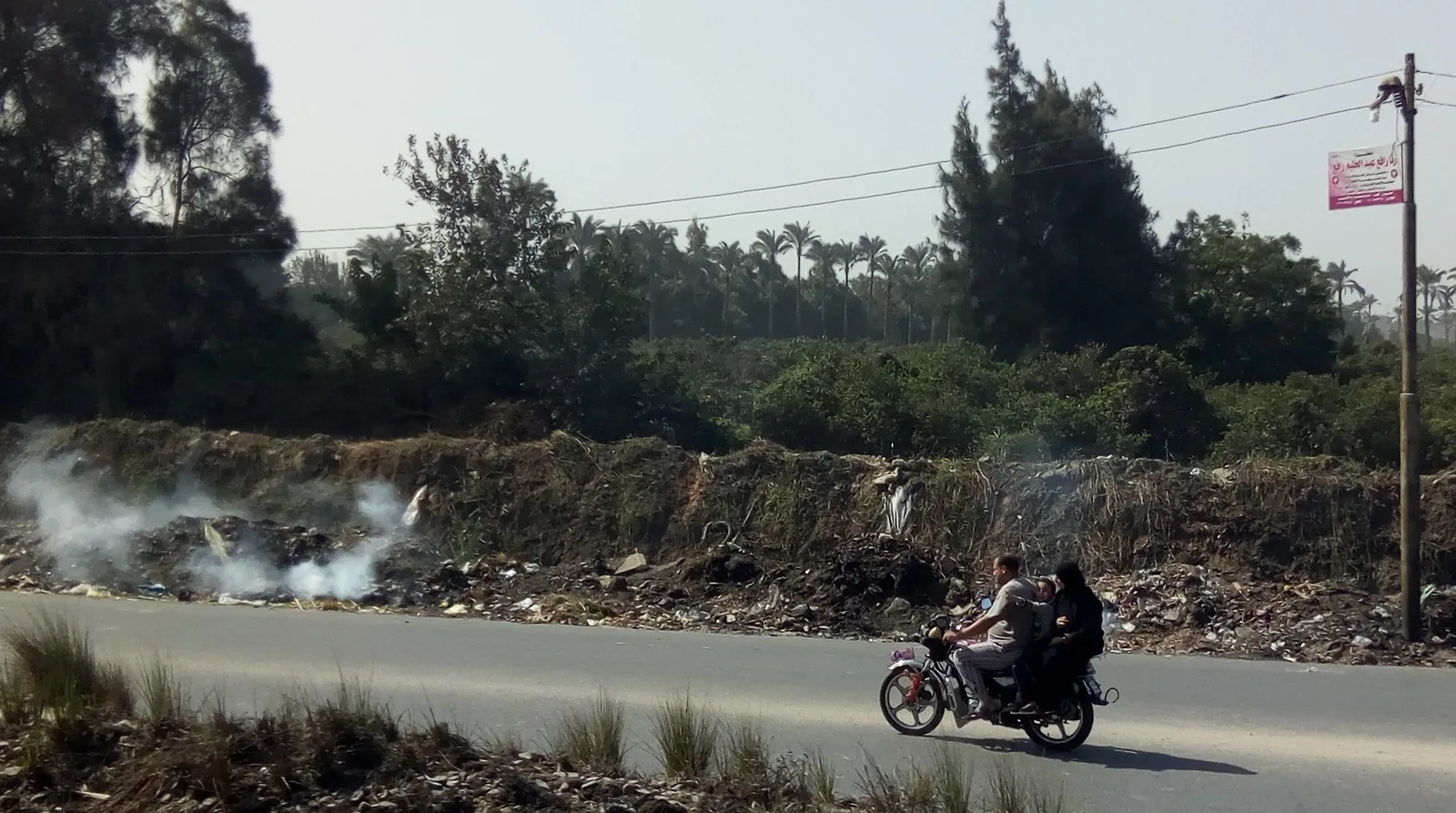
Quatre sur une moto et pas un casque : la tête nue est ce qu'une famille peut perdre de plus cher sur la route
En deuxième semaine de rentrée, la même scène se répète : un père au guidon, un enfant devant, un autre derrière, la mère serrant les cartables, pas un seul casque. La presse, citant la CAPMAS, relève un bond des décès de 190 à 897 entre 2020 et 2024, alors qu'une revue Cochrane montre que le casque seul réduit le risque de décès de 42 %. La loi sanctionne la tête nue depuis 1999, amende relevée en 2008. Pourquoi ne s'y plie-t-on pas ?
23 septembre 2026 · 8 min de lecture
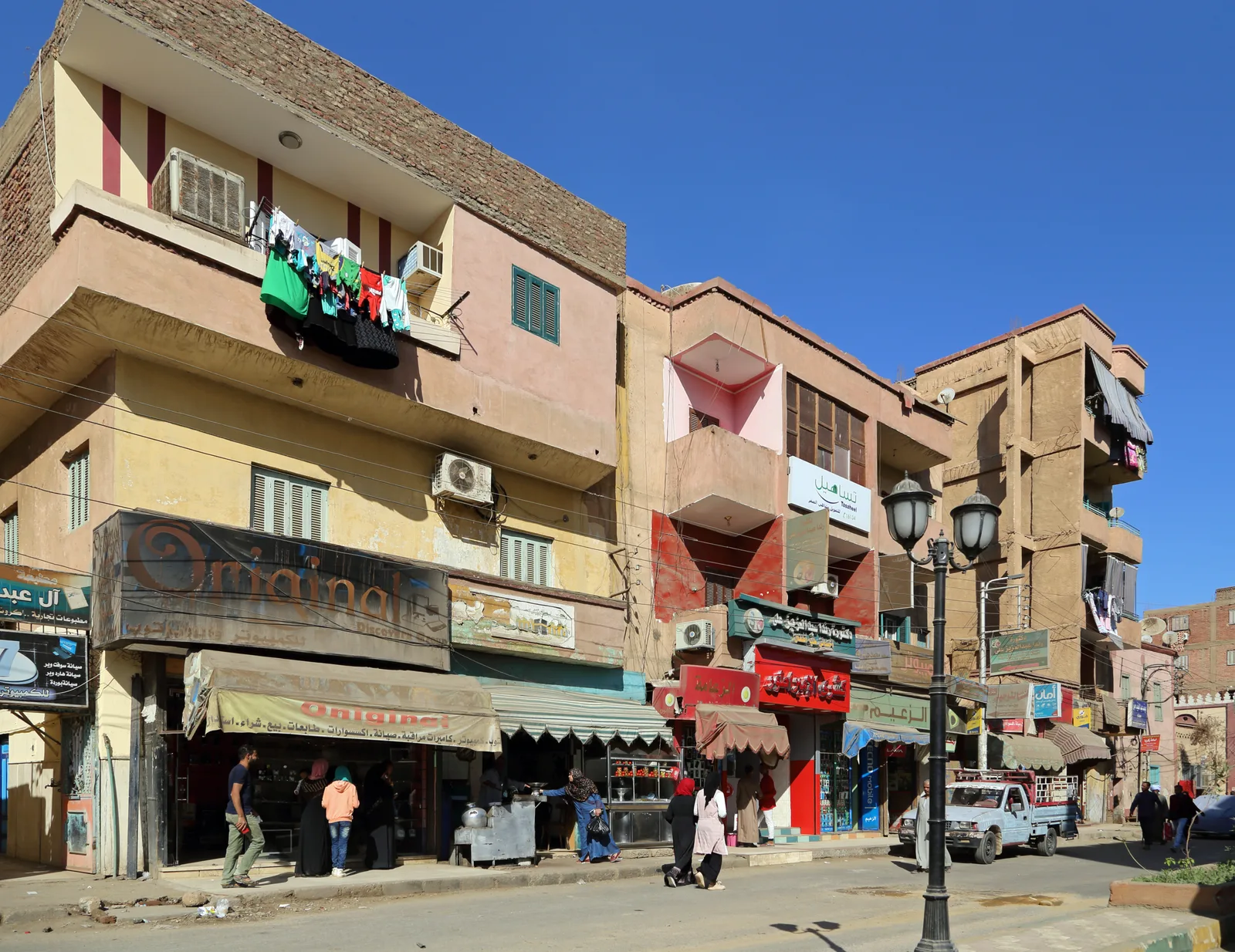
« Un branchement sur le câble » n'est pas malin : le vol d'électricité, un crime payé par tout le quartier
Un fil dénudé qui pend d'un poteau à un balcon, un climatiseur sur un compteur immobile, et un fusible qui saute pour la troisième fois, plongeant dans le noir un voisin qui paie sa facture. L'article 71 de la loi sur l'électricité qualifie cela d'appropriation illégale du courant, punie de prison et d'amende, tandis qu'un amendement plus sévère attend la Chambre. Que perd toute une rue pour un seul branchement ? Et quelle est la bonne solution ?
14 septembre 2026 · 7 min de lecture