Le Nil n'est pas un dépotoir : qui pollue l'artère poignarde le corps tout entier
Le fleuve sur lequel l'Égypte s'est bâtie depuis l'aube de l'histoire, certains le traitent comme un égout à ciel ouvert : sacs jetés du haut des ponts, déchets déversés dans l'eau, ordures abandonnées sur les rives. Qui jette quelque chose dans le Nil ne gâche pas un « paysage » : il pollue l'eau potable de millions d'Égyptiens en aval. Et la loi le criminalise expressément. Ça, c'est mal.
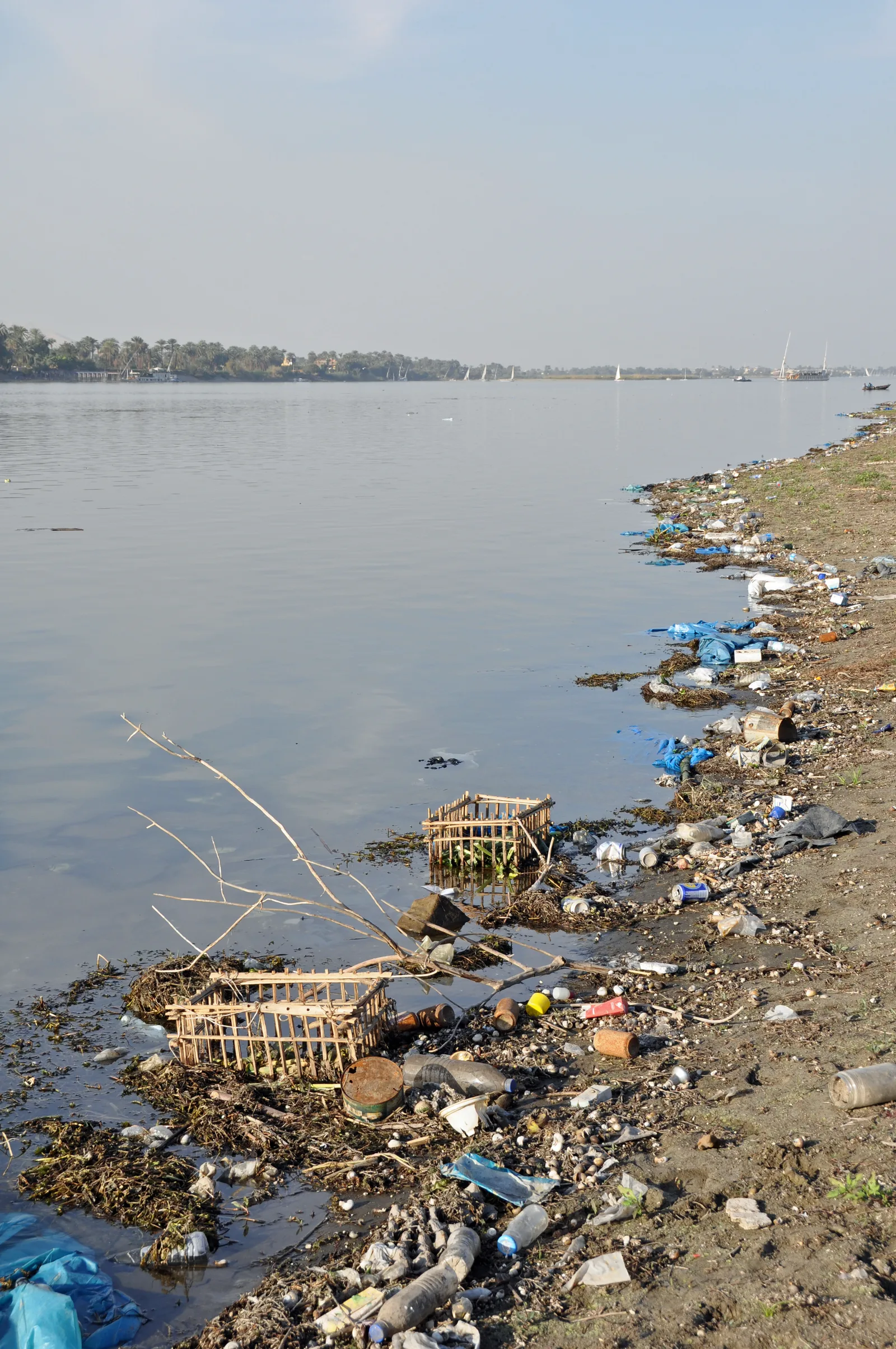
Avant toute chose, rappelons ce qu'est ce fleuve. Le Nil n'est ni un site touristique ni une toile de fond pour photos de coucher de soleil ; il est la raison même de l'existence de l'Égypte. Sur ses deux rives est née l'une des plus anciennes civilisations du monde, et c'est de lui que les Égyptiens boivent, cultivent et vivent depuis des milliers d'années. L'historien grec Hérodote écrivait jadis que l'Égypte est un don du Nil, et la formule reste littéralement vraie aujourd'hui : un pays désertique dans sa quasi-totalité, une seule artère d'eau qui le traverse en son milieu, et sur elle repose tout le reste.
Regardez maintenant comment certains d'entre nous traitent cette artère. Un sac d'ordures jeté du haut d'un pont d'un geste de la main qui ne dure pas une seconde. Des déchets déversés sur les berges à la faveur de la nuit. Des bouteilles et des sacs en plastique abandonnés après une journée de détente au bord de l'eau, que le courant emportera. Des eaux usées qui trouvent leur chemin jusqu'au cours du fleuve ou jusqu'aux canaux et aux drains qui y sont reliés. Chacun se dit que son geste est minime et que le fleuve est immense ; le résultat, c'est que des millions de « petits gestes » se rassemblent dans une seule et même eau.
Et voici ce qui rend la pollution du Nil différente de n'importe quel autre dépôt d'ordures : le fleuve coule. Ce que vous jetez dans l'eau en un point n'y reste pas ; cela poursuit sa route vers ceux qui viennent après vous. Les stations d'eau potable puisent dans ce même cours, les terres agricoles en sont irriguées, le pêcheur y jette son filet. Celui qui pollue le Nil ne porte pas atteinte à un « paysage public » : il plonge la main, concrètement, dans le verre d'eau posé chez un inconnu et dans l'assiette qui sera cultivée avec cette eau.
Le délit est donc ici moral avant d'être juridique. Jeter ses déchets dans le Nil, c'est agresser en silence chaque Égyptien qui vit en aval de vous : une agression où l'agresseur ne voit jamais ses victimes et où les victimes ne le voient pas, mais qui n'en est pas moins réelle. C'est aussi une offense et une provocation pour quiconque découvre une berge transformée en décharge : ce fleuve est à nous tous, alors qui vous a donné le droit de le défigurer ?
Le plastique, en particulier, est un ennemi d'un genre à part. Le sac qu'il suffit d'une seconde pour jeter demeure des années dans le milieu aquatique, se fragmentant en morceaux toujours plus petits qu'avalent les poissons qui finissent sur nos tables. La pollution d'aujourd'hui ne s'arrête pas aujourd'hui : c'est un dépôt toxique que nous laissons dans le fleuve à nos enfants.
La loi, elle, a un mot clair et ancien. La loi n° 48 de 1982 relative à la protection du Nil et des voies d'eau contre la pollution interdit de déverser des déchets solides ou liquides dans le fleuve, ses bras, les canaux et les drains, sauf autorisation et selon des normes précises ; la loi sur l'environnement n° 4 de 1994 et ses amendements renforcent cette protection et fixent des sanctions. Les textes existent depuis des décennies ; encore faut-il qu'ils cessent d'être des textes pour devenir une réalité visible par quiconque serait tenté de prendre le fleuve pour un égout.
Soyons justes : toutes les formes de pollution ne sont pas le fait des particuliers. Les eaux usées non traitées, les rejets industriels et agricoles sont des dossiers qui dépassent le comportement d'un seul citoyen ; la responsabilité en incombe d'abord aux organismes de l'État et aux entreprises, et l'engagement de l'Égypte dans les projets d'épuration des eaux usées et de revêtement des canaux constitue un pas dans la bonne direction, sur lequel il faut bâtir. Mais cela n'exonère pas l'individu : le sac que vous lancez du haut du pont ne porte la signature d'aucune administration. Chacun répond de sa propre main.
Qu'attend-on du citoyen ? Que rien ne parte de votre main vers le Nil, ni vers un canal ou un drain qui y est relié : ni sac, ni bouteille, ni restes de pique-nique, ni déchets d'abattage. Si vous vous asseyez sur la berge, quittez-la telle que vous l'avez trouvée, ou plus propre. Et si vous voyez quelqu'un jeter ses déchets dans l'eau, ne passez pas votre chemin : un mot calme et ferme, et un signalement aux autorités compétentes lorsque l'acte est grave. Ça ne se fait pas.
Et qu'attend-on des propriétaires de bateaux et des activités fluviales ? Des bacs à déchets sur chaque embarcation et l'engagement de les vider à terre, non dans l'eau. Le Nil est votre gagne-pain avant celui de tout autre, et il est absurde que l'activité fluviale tue le fleuve dont elle vit.
Et qu'attend-on de l'État ? Une application effective des lois 48 de 1982 et 4 de 1994 contre les pollueurs, particuliers comme entreprises ; la poursuite et l'extension des projets d'épuration des eaux usées ; des poubelles en nombre suffisant sur les corniches et les berges, pour rendre le bon geste plus facile que le mauvais ; et le soutien aux initiatives de nettoyage du fleuve ainsi que la protection de leurs bénévoles.
Une nation entière vit d'une seule artère. Ce n'est pas une envolée rhétorique, mais la description géographique exacte de l'Égypte. Et celui qui poignarde cette artère — d'un sac, d'un tuyau d'égout ou d'un chargement de déchets — poignarde le corps tout entier, à commencer par ses propres enfants. Le Nil, qui nous a tout donné, détient sur nous un droit : celui d'être protégé. À celui qui le trahit, nous le disons avec la voix du fleuve lui-même, s'il en avait une : ça ne se fait pas.
À lire aussi
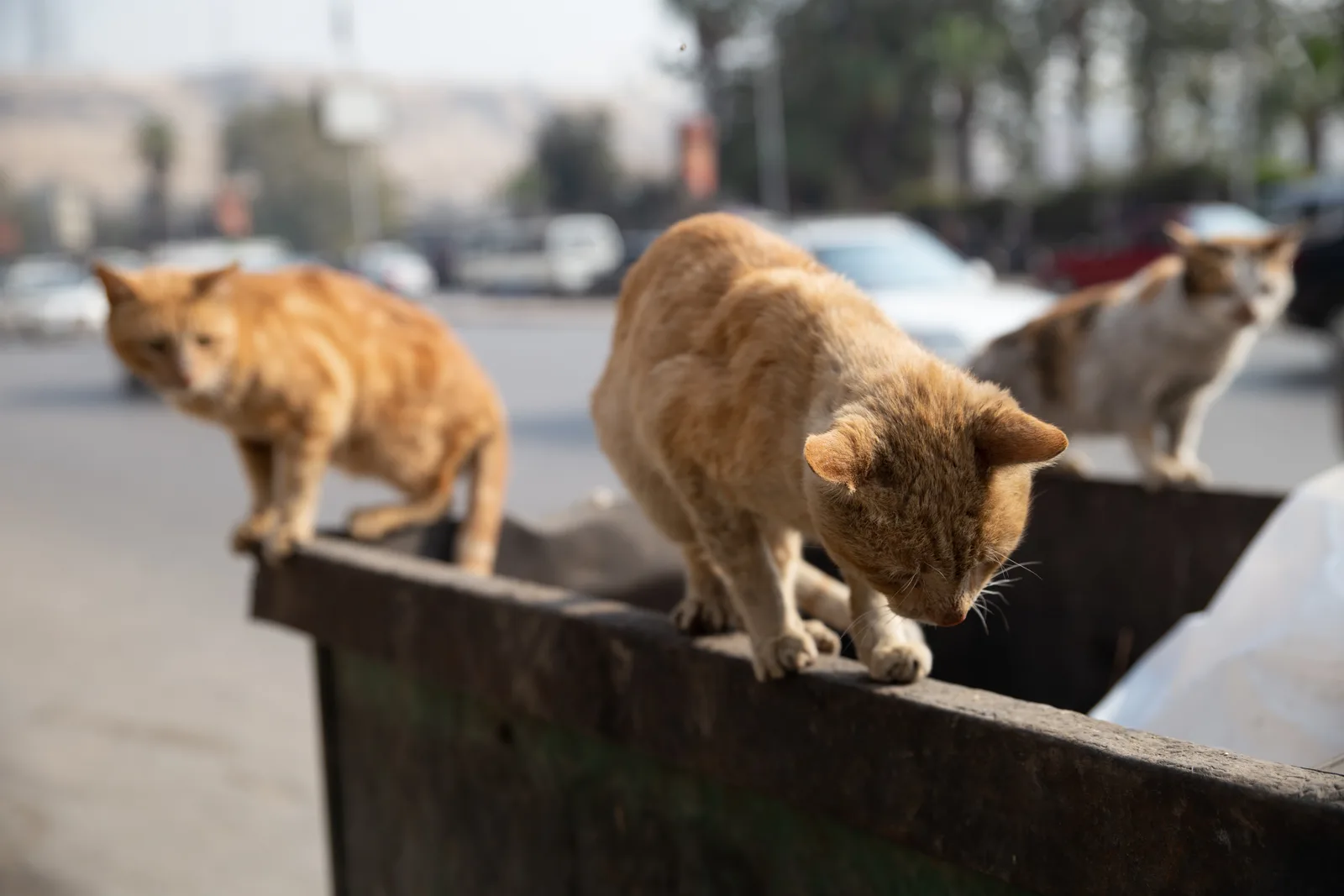
« Keda ghalat » (« Ça, c'est mal ») : maltraiter un animal est un crime au regard du Code pénal égyptien depuis 1937
Un voisin dépose des gamelles empoisonnées près du mur de l'école ; un charretier frappe son âne au visage sous une charge trop lourde. Beaucoup croient qu'« un animal » n'est protégé par aucune loi. En réalité, les articles 355, 356 et 357 du Code pénal sanctionnent tuer, empoisonner et maltraiter un animal, jusqu'à l'emprisonnement. À la veille de la Journée mondiale des animaux, voici ce que dit la loi.
3 octobre 2026 · 6 min de lecture
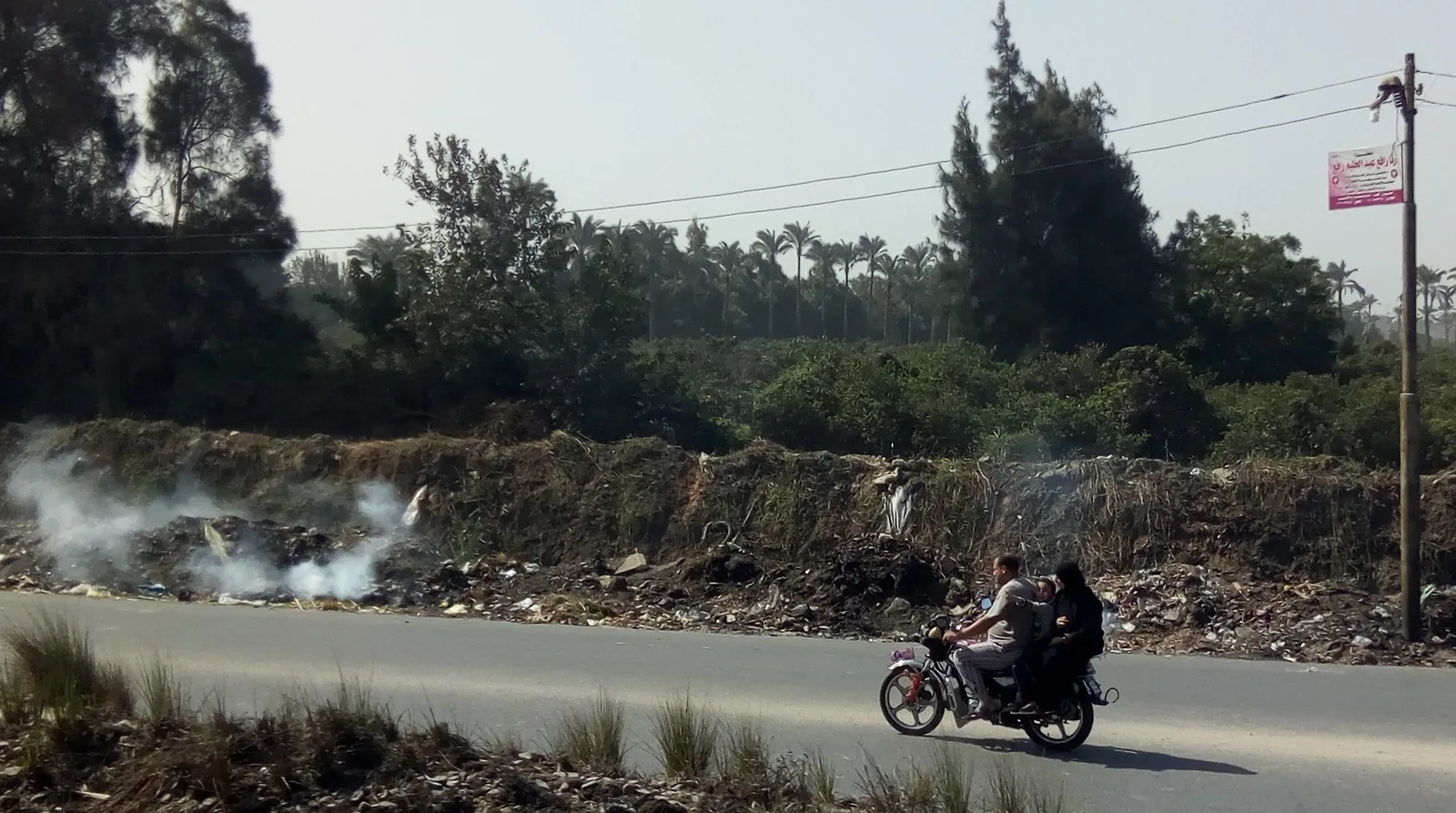
Quatre sur une moto et pas un casque : la tête nue est ce qu'une famille peut perdre de plus cher sur la route
En deuxième semaine de rentrée, la même scène se répète : un père au guidon, un enfant devant, un autre derrière, la mère serrant les cartables, pas un seul casque. La presse, citant la CAPMAS, relève un bond des décès de 190 à 897 entre 2020 et 2024, alors qu'une revue Cochrane montre que le casque seul réduit le risque de décès de 42 %. La loi sanctionne la tête nue depuis 1999, amende relevée en 2008. Pourquoi ne s'y plie-t-on pas ?
23 septembre 2026 · 8 min de lecture
« Un branchement sur le câble » n'est pas malin : le vol d'électricité, un crime payé par tout le quartier
Un fil dénudé qui pend d'un poteau à un balcon, un climatiseur sur un compteur immobile, et un fusible qui saute pour la troisième fois, plongeant dans le noir un voisin qui paie sa facture. L'article 71 de la loi sur l'électricité qualifie cela d'appropriation illégale du courant, punie de prison et d'amende, tandis qu'un amendement plus sévère attend la Chambre. Que perd toute une rue pour un seul branchement ? Et quelle est la bonne solution ?
14 septembre 2026 · 7 min de lecture