Sur des trottoirs défoncés : dans les villes égyptiennes, les piétons réclament leur droit à la rue
Traverser une grande artère dans une ville égyptienne est un art que des millions de personnes maîtrisent par nécessité : un pas, un arrêt, une lecture éclair des intentions des conducteurs, puis une course calculée. Voici l'histoire des piétons, majoritaires parmi les usagers de la route — et qui en reçoivent la plus petite part.
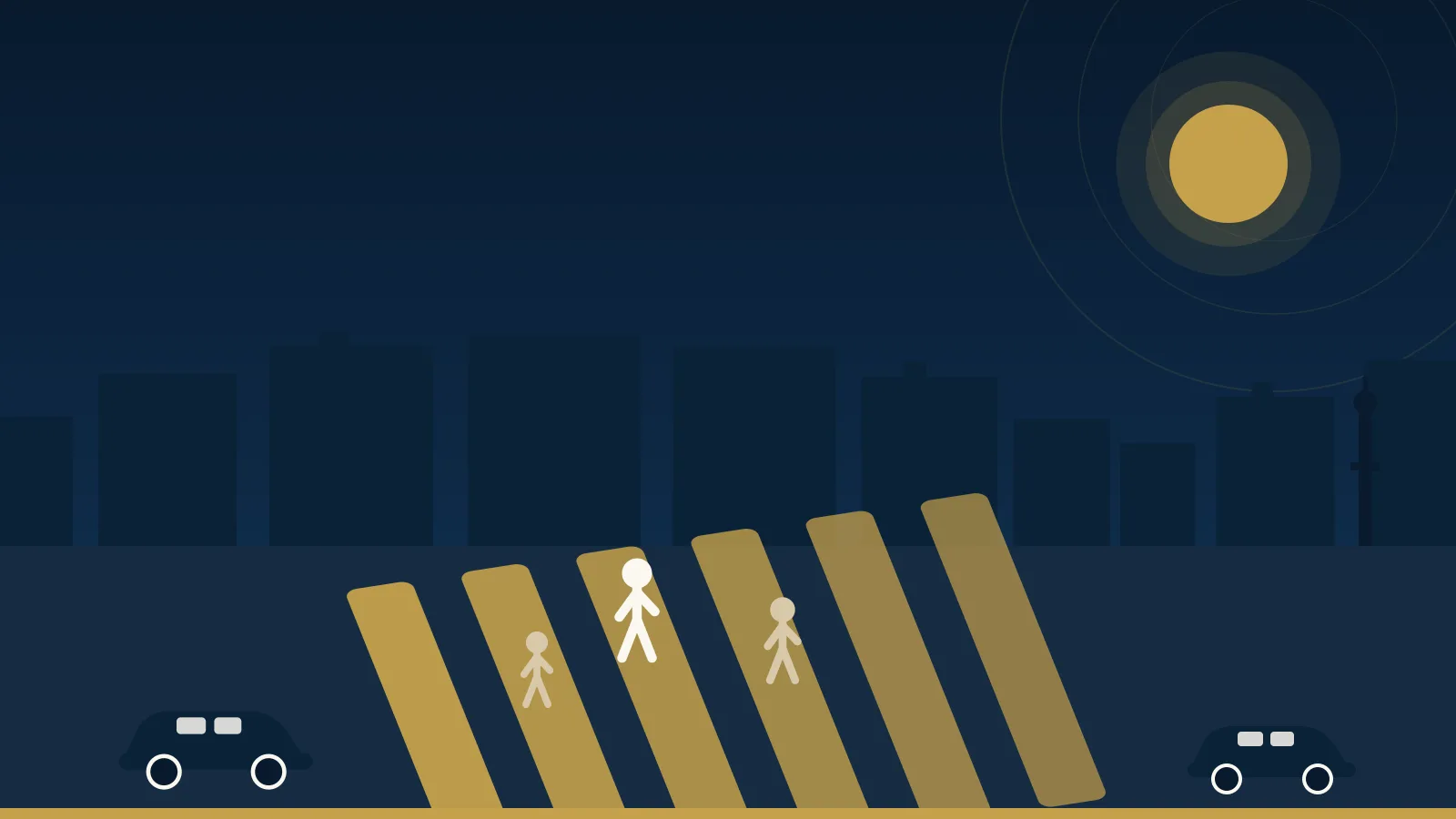
Dans chaque ville égyptienne, une scène se répète des milliers de fois par jour : un homme, une femme ou un écolier se tient au bord d’une large artère à plusieurs voies, guette les voitures lancées à vive allure, attend une brèche dans le flot métallique, puis traverse en zigzag, sur un tracé calculé avec la précision de celui que la contrainte a rendu expert. Traverser la rue en Égypte n’est pas un geste anodin : c’est une véritable compétence de survie, apprise dès l’enfance et exercée chaque jour à ses risques et périls, dans une absence quasi totale d’aménagements de traversée sûrs.
Les grands chiffres du problème sont connus et documentés depuis des années : les accidents de la route font chaque année des milliers de morts en Égypte et des dizaines de milliers de blessés, et les rapports successifs de l’Organisation mondiale de la santé rappellent que les piétons représentent une part importante des victimes de la route dans les pays en développement, où l’être humain, sans la moindre protection, partage la chaussée avec des véhicules lancés à grande vitesse. Derrière chaque chiffre de ces statistiques, il y a une famille qui a perdu son soutien ou son enfant sur le chemin du travail ou de l’école.
Tout commence par le trottoir, cet espace censé appartenir aux seuls piétons. Mais une courte promenade dans n’importe quel quartier révèle une tout autre réalité : des bordures trop hautes pour les personnes âgées, des dalles cassées qui guettent les chevilles, des sections entièrement occupées par des voitures en stationnement, des étalages de commerçants, des kiosques et des terrasses de café, ou des trottoirs qui s’interrompent brusquement sans aucune solution de rechange. Le résultat, chacun le connaît : le marcheur descend, contraint, dans le fleuve d’asphalte et partage la file avec les voitures et les motos, dans la configuration la plus dangereuse qui soit.
La traversée, elle, est une histoire plus longue encore. Les passages piétons peints au sol sont rares ; là où ils existent, les véhicules les respectent rarement ; et les feux réservés aux piétons sont plus rares encore. Les passerelles demeurent la solution officielle la plus répandue, mais elles sont souvent implantées à de longues distances les unes des autres et imposent de gravir des dizaines de marches, obstacle bien réel pour une personne âgée, un malade ou une mère portant son enfant. Beaucoup préfèrent alors le risque de la traversée au niveau de la chaussée au détour épuisant, et on le leur reproche sans jamais s’interroger sur le caractère raisonnable de la solution proposée.
Les enfants en paient une part douloureuse. Le trajet à pied vers l’école, ailleurs considéré comme un exercice sain et bienvenu, devient aux abords de nombreux établissements une source d’angoisse quotidienne pour les familles : les portes des écoles s’ouvrent directement sur une circulation rapide, sans ralentisseurs suffisants, sans passages protégés ni surveillants de traversée. Beaucoup de parents accompagnent leurs enfants jusqu’à un âge avancé, non par crainte qu’ils se perdent, mais par peur de la rue elle-même ; c’est un temps et une énergie que les familles dépensent chaque jour pour compenser l’absence d’un aménagement sûr.
Les personnes âgées et les personnes handicapées sont les plus exclues de tout ce paysage. Un trottoir non nivelé est impraticable en fauteuil roulant ; une traversée qui exige de courir écarte d’emblée celui qui ne le peut pas ; et une ville où l’on ne peut se déplacer à pied de façon autonome confisque une part de la vie quotidienne et de la dignité de ses habitants. Si les codes de construction et les prescriptions modernes intègrent désormais des exigences d’accessibilité, leur application à la rue déjà existante reste l’exception plutôt que la règle.
La racine du problème, s’accordent à dire les urbanistes, tient à une philosophie d’aménagement qui, pendant des décennies, a privilégié l’automobile au détriment de l’être humain. On mesure la réussite d’une rue à la fluidité du trafic et non à la sécurité de ceux qui l’empruntent ; les élargissements dévorent les trottoirs au profit de voies supplémentaires ; ponts et tunnels sont conçus pour faire passer les voitures, tandis que le marcheur est prié de se débrouiller. Nombre de villes dans le monde ont entrepris de renverser radicalement cette logique, après avoir constaté que des rues plus sûres pour les piétons sont plus sûres pour tous, conducteurs compris.
Les solutions ne sont ni un secret ni un luxe. L’expérience internationale, documentée par l’Organisation mondiale de la santé et les organismes de sécurité routière, tient en quelques mesures bien connues : abaisser les vitesses dans les quartiers résidentiels et aux abords des écoles ; installer des ralentisseurs et des plateaux surélevés étudiés ; tracer des passages piétons lisibles, dotés de feux laissant aux piétons un temps suffisant ; assurer des trottoirs continus et nivelés, avec des rampes pour les fauteuils roulants ; garantir un bon éclairage ; et faire réellement appliquer la priorité aux piétons. L’expérience a prouvé que la seule réduction de la vitesse sauve des vies, car quelques kilomètres à l’heure de moins au moment du choc font la différence entre une blessure et la survie.
L’Égypte n’échappe pas à ce mouvement. Le code de la route consacre déjà des droits aux piétons et des devoirs aux conducteurs à leur égard, et les projets d’aménagement urbain les plus récents, des promenades du Nil au réaménagement de certaines places et des rues des villes nouvelles, témoignent d’une conscience croissante de la valeur de la marche en ville. Des spécialistes demandent que ce soin s’étende des projets vitrines à la rue ordinaire des quartiers populaires, là où vivent et marchent réellement la plupart des Égyptiens : la qualité d’une ville se mesure à ses trottoirs de tous les jours, non à ses façades.
La marche rapporte bien au-delà de la sécurité. Une ville où l’on marche est économiquement plus vivante, car les passants sont les clients de ses commerces ; son air est plus pur, car chaque trajet à pied est un trajet en moins avec un moteur ; sa population est en meilleure santé, car la marche est l’activité physique la moins chère et la plus démocratique ; et son tissu social est plus solide, car une rue sûre est un lieu de rencontre. C’est pourquoi la question des piétons n’est plus, dans la littérature de l’urbanisme, un sujet secondaire de circulation, mais une porte d’entrée majeure vers la qualité de vie, la santé publique et l’économie locale à la fois.
Le fond de l’affaire reste simple : les piétons ne sont pas une catégorie marginale, ils sont tout le monde, car tout conducteur redevient piéton à l’instant où il referme la portière de sa voiture. Les millions de personnes qui se fraient chaque jour un chemin sur des trottoirs défoncés et entre des voitures lancées ne réclament pas un privilège, mais un droit fondamental : celui d’une ville dont on puisse traverser les rues sans jouer sa vie. Le jour où les trottoirs retrouveront leur fonction et les traversées leur sécurité, ce ne sera pas une victoire des seuls piétons, mais le signe d’une ville devenue plus clémente et plus intelligente envers tous les siens.
À lire aussi
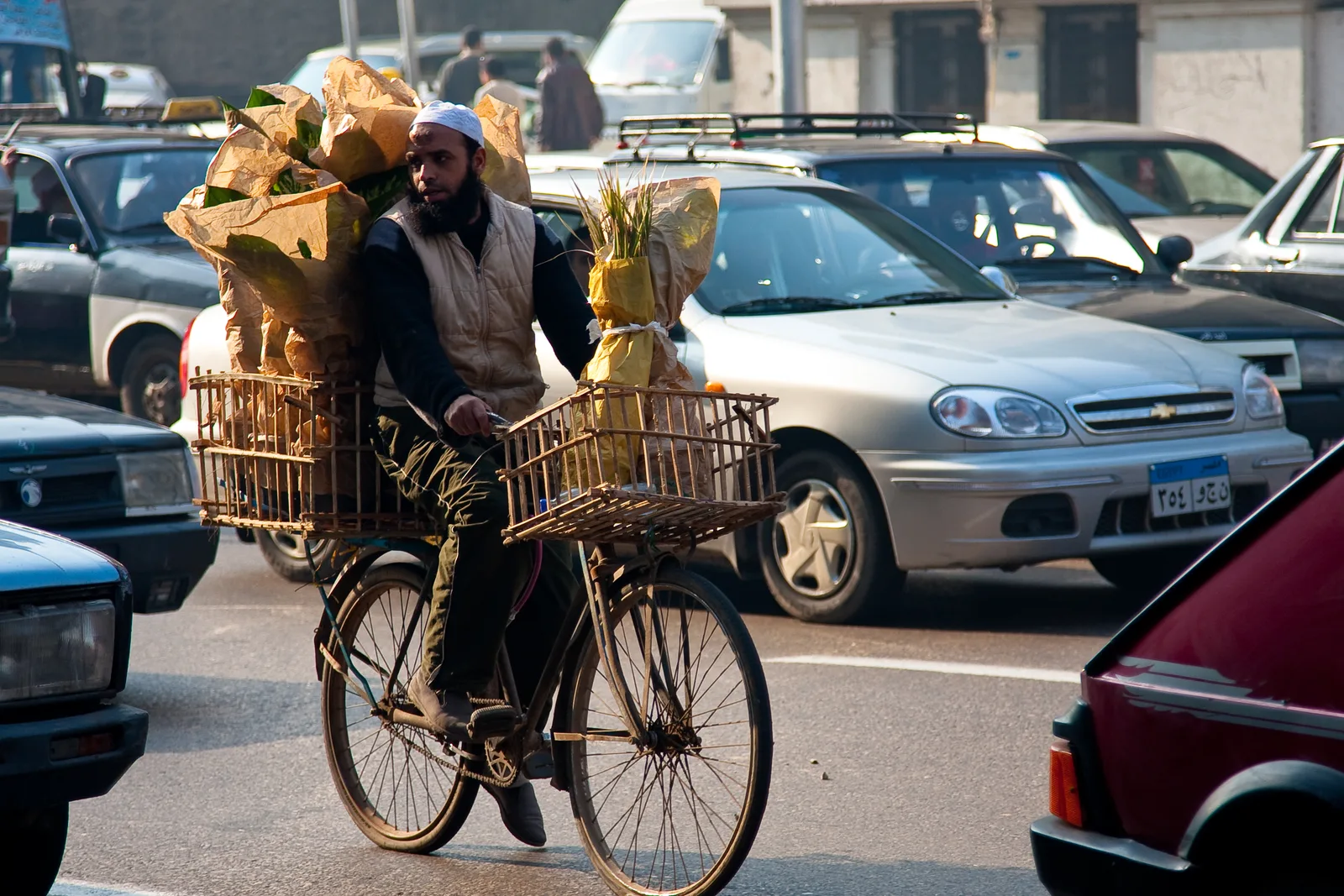
Sur deux roues au milieu des embouteillages : quelle place pour le vélo en Égypte, un jour sans voiture ?
Le 22 septembre, le monde célèbre la Journée sans voiture, tandis que dans nos rues le vélo se faufile entre les microbus et longe une piste tracée où une voiture est garée. De Cairo Bike à l'initiative « Ton vélo, ta santé », en passant par le gamin qui porte un plateau de pain sur la tête : reportage sur ce que tout passant peut voir, et une question : à qui appartient le vélo en Égypte, et pourquoi la piste sécurisée reste-t-elle un rêve ?
22 septembre 2026 · 8 min de lecture
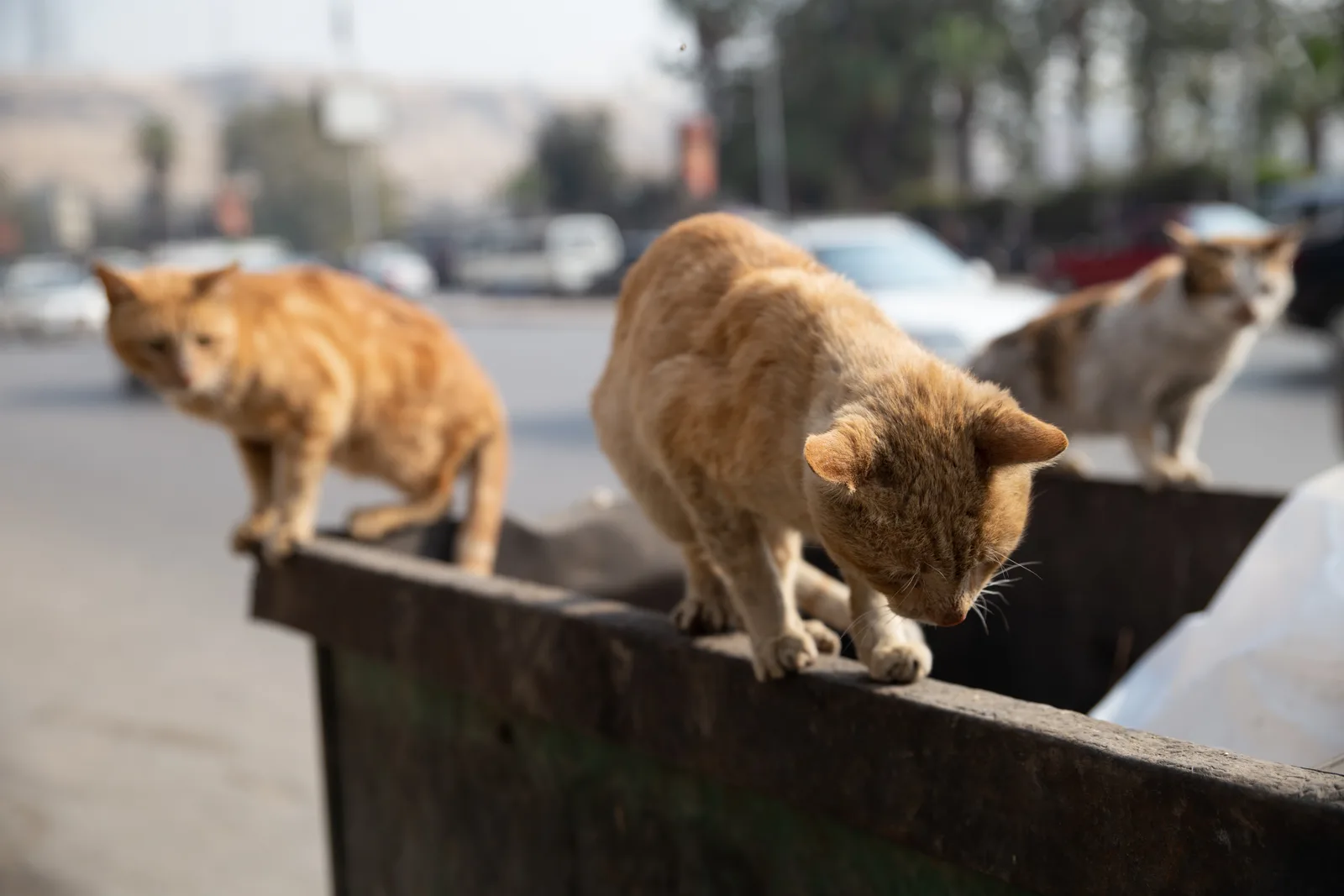
« Keda ghalat » (« Ça, c'est mal ») : maltraiter un animal est un crime au regard du Code pénal égyptien depuis 1937
Un voisin dépose des gamelles empoisonnées près du mur de l'école ; un charretier frappe son âne au visage sous une charge trop lourde. Beaucoup croient qu'« un animal » n'est protégé par aucune loi. En réalité, les articles 355, 356 et 357 du Code pénal sanctionnent tuer, empoisonner et maltraiter un animal, jusqu'à l'emprisonnement. À la veille de la Journée mondiale des animaux, voici ce que dit la loi.
3 octobre 2026 · 6 min de lecture

Octobre rose : dépistage gratuit à l'unité de santé, pourquoi la détection précoce change le destin des Égyptiennes
« Je n'ai mal nulle part » n'est pas une raison de remettre à plus tard. Depuis juillet 2019, les unités de santé égyptiennes ouvrent gratuitement leurs portes à toute femme dès 18 ans, et en juin 2026 la part des cas découverts à un stade avancé était tombée de 60 % à 19,5 %. Nous expliquons ce qui se passe à l'unité, quels signes doivent conduire à la consultation, et pourquoi la peur retarde ce dépistage essentiel.
2 octobre 2026 · 7 min de lecture