Le trottoir appartient au citoyen : ces kiosques qui poussent les piétons vers la mort sur la chaussée
Une mère pousse la poussette de son enfant au milieu des voitures, un vieil homme se fraie un chemin le long des microbus, parce que le trottoir construit pour eux a été avalé par un kiosque, des réfrigérateurs à boissons et des marchandises étalées. Le kiosque installé sur le trottoir — fût-il autorisé — confisque un passage bâti pour les gens et les rejette dans le fleuve de la chaussée. Ça, c'est mal : le trottoir n'est pas un bien immobilier à louer, c'est le couloir de sécurité de chaque citoyen.
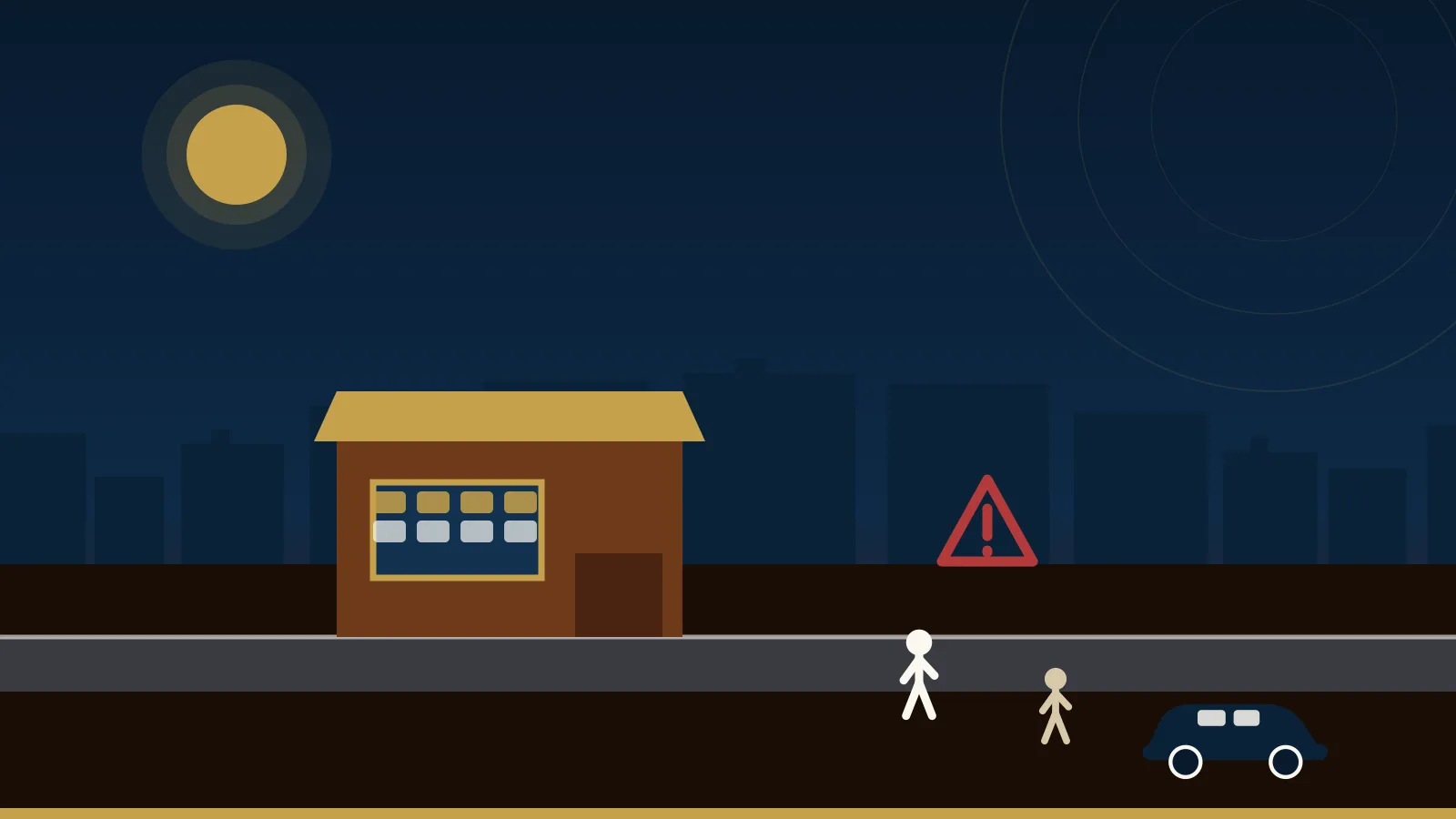
Essayez de parcourir une grande artère d’une ville égyptienne, d’un bout à l’autre, en restant sur le trottoir, sans descendre une seule fois sur la chaussée. Dans bien des quartiers, vous échouerez avant les cent premiers mètres : un kiosque à cigarettes et à sodas qui s’est étendu jusqu’à devenir une boutique, des réfrigérateurs et des cageots de marchandises, des auvents et des chaises, jusqu’à ne plus laisser aux passants qu’une bande étroite — ou rien du tout. Résultat : une scène quotidienne si familière que nous en avons oublié la gravité, des êtres humains qui marchent entre les voitures parce que le passage qui leur est réservé est occupé.
Disons les choses telles qu’elles sont : il ne s’agit pas d’un détail esthétique ni d’une simple question d’« aspect civilisé », mais d’une question de sécurité et de vie. Lorsque les piétons descendent sur la chaussée, ils se retrouvent face aux voitures et aux motos, et les plus vulnérables sont les plus exposés : l’enfant qui va à l’école, la mère qui pousse le landau de son nourrisson, la personne âgée au pas lent, et les personnes handicapées, pour qui une ville sans trottoirs praticables est tout simplement impossible à parcourir. Chaque kiosque qui barre un trottoir pousse ces gens, littéralement, vers le danger.
Avant même la loi, il s’agit d’une faute morale évidente. Le trottoir est un bien public à part entière, construit avec l’argent de tous pour que tous y marchent en sécurité ; celui qui l’occupe pour son commerce privé dit en pratique à chaque passant : mon intérêt passe avant votre sécurité, descendez dans la rue et assumez le risque. C’est là la provocation quotidienne que cette rubrique entend nommer, la petite blessure répétée infligée à la dignité du citoyen qui cherche son chemin entre les voitures, dans son propre pays.
Et nous arrivons ici au point qu’il faut avoir le courage de dire : une autorisation ne transforme pas un tort en droit. Un kiosque autorisé par l’arrondissement, qui s’est ensuite étendu jusqu’à avaler le trottoir, n’est pas moins nuisible qu’un kiosque sauvage ; il est peut-être pire, car il occupe le passage public avec un tampon officiel. Une licence autorise une activité dans des limites tracées ; elle ne saurait valoir titre de propriété sur le passage des piétons. Et lorsqu’une administration délivre une autorisation qui rend la marche sur le trottoir impossible, cette administration est complice de la faute.
Le droit égyptien a tranché le principe il y a des décennies : la loi n° 140 de 1956 sur l’occupation des voies publiques encadre toute occupation de la voie publique et en fait une exception soumise à autorisation et à conditions, non une règle absolue, car le principe demeure que la rue et le trottoir sont un droit partagé par ceux qui passent. La base juridique existe donc, le principe est tranché, et ce qui manque — comme toujours dans les dossiers de cette rubrique — c’est une application constante, qui ne fasse aucune différence entre un petit kiosque, un grand café et une enseigne réputée qui étale sa marchandise sur plusieurs mètres devant sa vitrine.
Soyons également justes envers les propriétaires de kiosques : beaucoup sont des chefs de famille qui gagnent leur pain, le kiosque est leur unique gagne-pain, et il ne siérait pas à une campagne morale de se muer en guerre contre les revenus des plus modestes. Mais l’équité n’oblige pas à accepter le préjudice : un revenu honnête ne se bâtit pas en mettant en danger la vie des passants. La solution n’est pas de supprimer les kiosques, mais de les encadrer — une emprise définie et respectée, un passage piéton auquel on ne touche pas, et des emplacements organisés de substitution là où le trottoir est trop étroit.
Imaginez avec nous l’image inverse : elle n’a rien d’un rêve, elle existe dans bien des villes du monde et dans des rues égyptiennes déjà réaménagées. Un trottoir continu et praticable, le kiosque à la place qui lui est assignée sans un centimètre de plus, une mère qui pousse la poussette de son enfant d’un bout à l’autre de la rue sans descendre une seule fois sur la chaussée. Ce qui sépare les deux images, ce n’est pas un budget imaginaire : c’est la volonté d’appliquer la règle et le respect mutuel de limites tracées.
Ce que nous demandons au propriétaire du kiosque : tenez-vous aux limites de votre autorisation au centimètre près ; le réfrigérateur en trop et le cageot qui déborde ne sont pas de la débrouillardise, mais une atteinte au passage des gens. Et posez-vous la question que nous posons à tous les protagonistes de cette rubrique : accepteriez-vous que votre mère ou votre fille marche au milieu des voitures parce que son trottoir est occupé ?
Ce que nous demandons à l’État et aux collectivités locales : réexaminer les autorisations d’occupation à l’aune d’un critère unique et explicite, le maintien d’un passage piéton continu et suffisant ; dégager ce qui obstrue les trottoirs, sans complaisance envers les puissants ni brutalité qui emporterait le gagne-pain des petits sans solution de rechange ; prévoir des emplacements organisés de substitution là où c’est nécessaire ; et inscrire le droit des piétons dans tout nouveau plan d’aménagement ou de voirie. Car un trottoir que l’on construit puis que l’on abandonne à l’occupation est gaspillé deux fois : une fois en argent, une fois en fonction.
Le trottoir est un petit test pour une grande idée : la rue appartient-elle à tous, ou à celui qui s’en est emparé le premier ? Chaque mètre de trottoir rendu aux piétons est un message : le droit du faible est protégé, ne fût-ce que le droit de passer. Et chaque kiosque qui avale le passage et rejette les gens sur la chaussée porte le message inverse, celui que nous refusons. C’est mal, tout simplement : le trottoir est un droit du citoyen, avant tout intérêt particulier.
À lire aussi
« Keda ghalat » (« Ça, c'est mal ») : maltraiter un animal est un crime au regard du Code pénal égyptien depuis 1937
Un voisin dépose des gamelles empoisonnées près du mur de l'école ; un charretier frappe son âne au visage sous une charge trop lourde. Beaucoup croient qu'« un animal » n'est protégé par aucune loi. En réalité, les articles 355, 356 et 357 du Code pénal sanctionnent tuer, empoisonner et maltraiter un animal, jusqu'à l'emprisonnement. À la veille de la Journée mondiale des animaux, voici ce que dit la loi.
3 octobre 2026 · 6 min de lecture
Quatre sur une moto et pas un casque : la tête nue est ce qu'une famille peut perdre de plus cher sur la route
En deuxième semaine de rentrée, la même scène se répète : un père au guidon, un enfant devant, un autre derrière, la mère serrant les cartables, pas un seul casque. La presse, citant la CAPMAS, relève un bond des décès de 190 à 897 entre 2020 et 2024, alors qu'une revue Cochrane montre que le casque seul réduit le risque de décès de 42 %. La loi sanctionne la tête nue depuis 1999, amende relevée en 2008. Pourquoi ne s'y plie-t-on pas ?
23 septembre 2026 · 8 min de lecture
« Un branchement sur le câble » n'est pas malin : le vol d'électricité, un crime payé par tout le quartier
Un fil dénudé qui pend d'un poteau à un balcon, un climatiseur sur un compteur immobile, et un fusible qui saute pour la troisième fois, plongeant dans le noir un voisin qui paie sa facture. L'article 71 de la loi sur l'électricité qualifie cela d'appropriation illégale du courant, punie de prison et d'amende, tandis qu'un amendement plus sévère attend la Chambre. Que perd toute une rue pour un seul branchement ? Et quelle est la bonne solution ?
14 septembre 2026 · 7 min de lecture