« Je suis libre » : cette liberté qui s'arrête aux poumons de votre voisin
Dans l'ascenseur, au bureau, dans le café fermé, dans le microbus : il allume sa cigarette au milieu de tout le monde, et si quelqu'un proteste, la réponse toute prête tombe : « Je suis libre. » Mais le tabagisme passif n'est pas une opinion à respecter : c'est un préjudice avéré, que respirent un enfant, un allergique, une femme enceinte qui n'ont rien choisi. Et la loi égyptienne l'interdit d'ailleurs depuis des années. Ça, c'est mal.
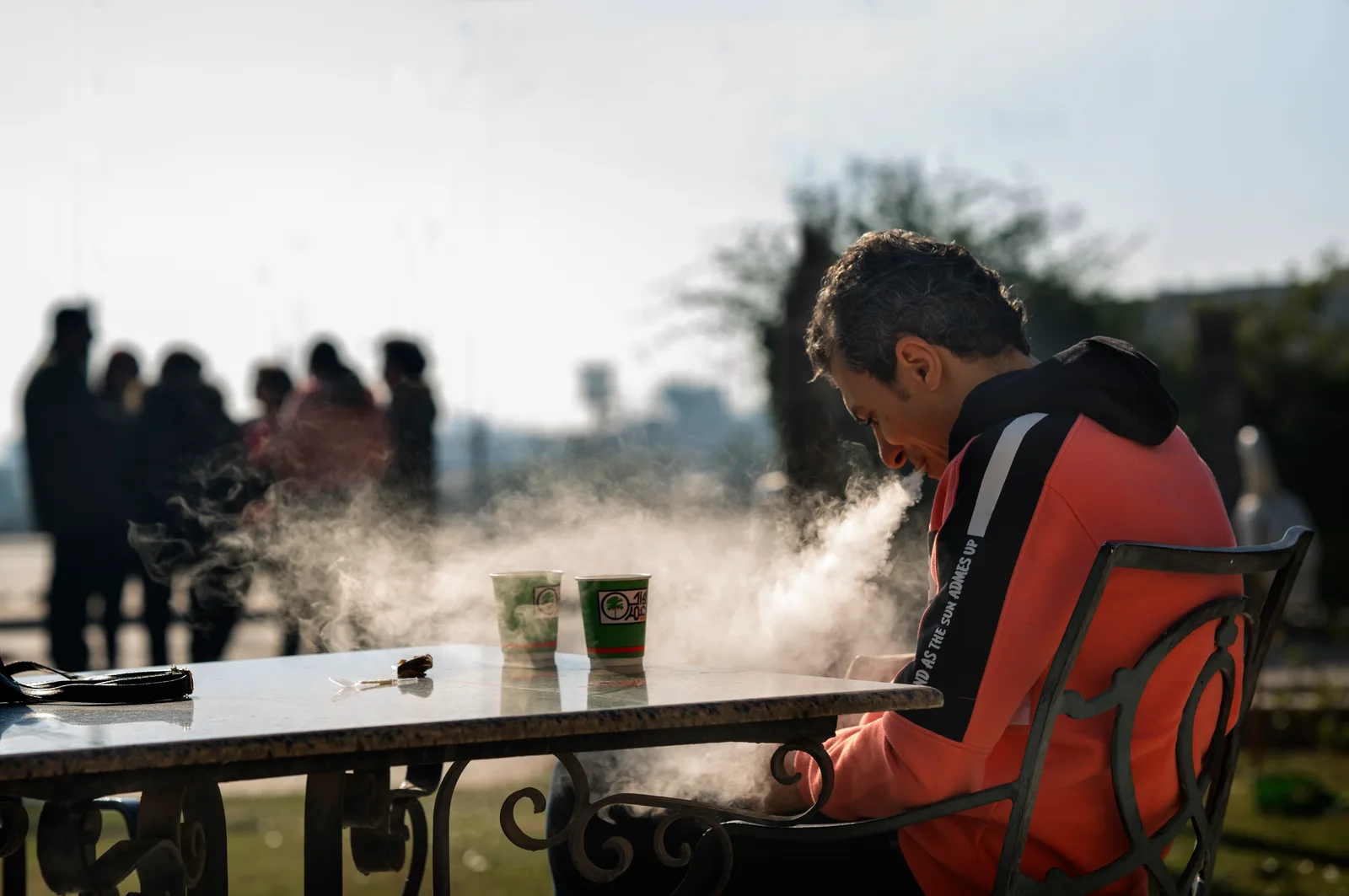
La scène se répète dans presque tous les espaces clos : un ascenseur étroit, un bureau de l'administration, un café aux fenêtres closes, un minibus bondé, la salle d'attente d'un cabinet médical. Quelqu'un sort une cigarette et l'allume au milieu de tout le monde, avec la même désinvolture que s'il se trouvait seul en plein désert. Et si quelqu'un ose protester, la réponse toute faite tombe aussitôt : « Je suis libre. »
Prenons un instant cette phrase au sérieux, car elle recèle un sophisme qui mérite d'être démonté. Oui, vous êtes libre de fumer ; personne ici ne vous demande d'arrêter. Mais la fumée qui sort de votre cigarette ne reste pas dans les limites de votre corps : elle entre dans les poumons de tous ceux qui se trouvent là, sans leur demander la permission. Et votre liberté, par définition, s'arrête où commence le corps d'autrui. Celui qui fume dans un lieu fermé n'exerce pas sa liberté ; il confisque celle des autres de respirer un air pur.
Le préjudice n'est ici ni une affaire de goût ni une simple gêne olfactive. Le tabagisme passif est un danger sanitaire documenté de façon indiscutable : l'Organisation mondiale de la santé rappelle depuis des années qu'il n'existe aucun niveau d'exposition sans risque à la fumée du tabac, et que celle-ci est associée aux maladies cardiaques, aux affections respiratoires et à des cancers chez les non-fumeurs eux-mêmes. La fumée par laquelle vous vous êtes « libéré » au café poursuit son travail dans la poitrine des autres bien après votre départ.
Et pensez à ceux qui n'ont même pas le luxe de protester. L'allergique ou l'asthmatique, pour qui un seul moment passé dans une pièce enfumée peut transformer la journée en crise respiratoire. L'enfant venu avec son père et qui ignore encore qu'il a droit à un air pur. La femme enceinte, qui porte une seconde paire de poumons, minuscule, respirant tout ce qui flotte dans l'air. Et le serveur du café lui-même, qui passe chaque jour un service entier à l'intérieur de ce nuage parce que son gagne-pain est là, et qui n'ose pas demander à un client d'éteindre sa cigarette.
Nous en arrivons au fait qui rend la formule « Je suis libre » plus fragile encore : la loi égyptienne a tranché la question il y a des années. La loi n° 52 de 1981 sur la prévention des méfaits du tabagisme, telle que modifiée par la loi n° 154 de 2007, interdit de fumer dans les lieux publics fermés et prévoit une amende pour le contrevenant. Autrement dit, celui qui allume une cigarette dans un espace clos n'exerce pas une liberté : il commet une infraction caractérisée, en plus d'une faute morale.
Mais dans cette rubrique, nous plaçons délibérément la morale avant la loi, car le véritable problème n'est pas l'absence de texte, c'est l'absence de scrupule. Ce dont le fumeur a besoin, ce n'est pas d'un procès-verbal, mais d'un instant de franchise avec lui-même : lorsque vous soufflez votre fumée au visage de quelqu'un qui ne fume pas, vous n'exercez pas un droit ; vous imposez au corps d'un autre être humain une chose qu'il a refusée. C'est une offense, une provocation et un dommage, au sens littéral des trois mots.
Soyons justes aussi envers de nombreux fumeurs : certains demandent la permission avant d'allumer, d'autres sortent d'eux-mêmes sur le balcon ou dans la rue, d'autres encore écrasent leur cigarette dès qu'ils aperçoivent un enfant ou apprennent qu'un malade se trouve là. Ceux-là prouvent chaque jour que fumer est une chose et manquer d'égards une tout autre : ce combat n'est pas dirigé contre le fumeur, mais contre l'indifférence aux autres.
Qu'attend-on du citoyen ? Du fumeur : qu'il respecte une règle simple — un espace clos partagé n'est pas un lieu où l'on fume, quelle que soit l'envie, et sans que personne ait à le lui rappeler. Du non-fumeur : qu'il proteste avec courtoisie et fermeté, au lieu d'un silence poli qu'il paie de sa santé. Une phrase calme comme « Excusez-moi, le lieu est fermé et certains d'entre nous en souffrent » n'est pas une grossièreté : c'est l'exercice d'un droit.
Et qu'attend-on des commerçants, des cafetiers et des chefs d'entreprise ? Qu'ils comprennent que la loi les rend responsables de leurs locaux. Le panneau d'interdiction de fumer n'est pas un élément de décoration : c'est une obligation à faire respecter par tous les clients, sans favoritisme. Le café qui l'applique ne perd pas sa clientèle, contrairement à ce que certains imaginent ; il gagne toute une catégorie de gens qui l'évitaient jusque-là.
Et qu'attend-on de l'État ? Qu'il fasse passer du papier à la réalité une loi vieille de plusieurs décennies : appliquer effectivement les amendes dans les établissements publics et privés, sanctionner l'établissement négligent et non le seul fumeur, et mener des campagnes d'inspection annoncées qui rendent au panneau « Défense de fumer » l'autorité qu'il a perdue.
« Je suis libre » est une belle phrase à sa juste place. Mais prononcée alors que la fumée de votre cigarette emplit la poitrine d'un enfant ou d'un malade dans un lieu fermé, elle se retourne exactement en son contraire : elle déclare que votre confort passe avant la santé de tous. À qui la prononce dans ces circonstances, nous répondons avec calme et clarté : non, ce n'est pas bien.
À lire aussi
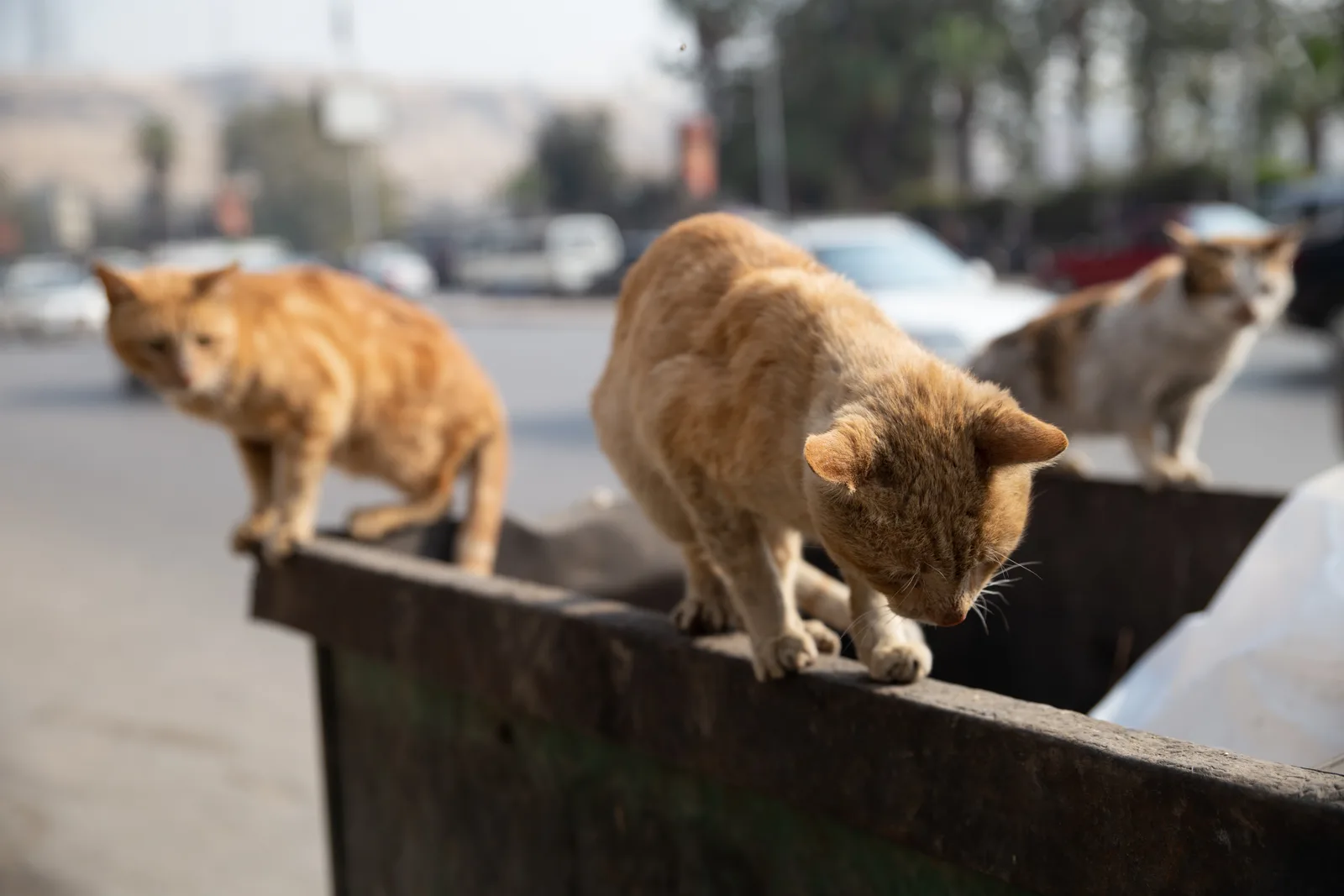
« Keda ghalat » (« Ça, c'est mal ») : maltraiter un animal est un crime au regard du Code pénal égyptien depuis 1937
Un voisin dépose des gamelles empoisonnées près du mur de l'école ; un charretier frappe son âne au visage sous une charge trop lourde. Beaucoup croient qu'« un animal » n'est protégé par aucune loi. En réalité, les articles 355, 356 et 357 du Code pénal sanctionnent tuer, empoisonner et maltraiter un animal, jusqu'à l'emprisonnement. À la veille de la Journée mondiale des animaux, voici ce que dit la loi.
3 octobre 2026 · 6 min de lecture
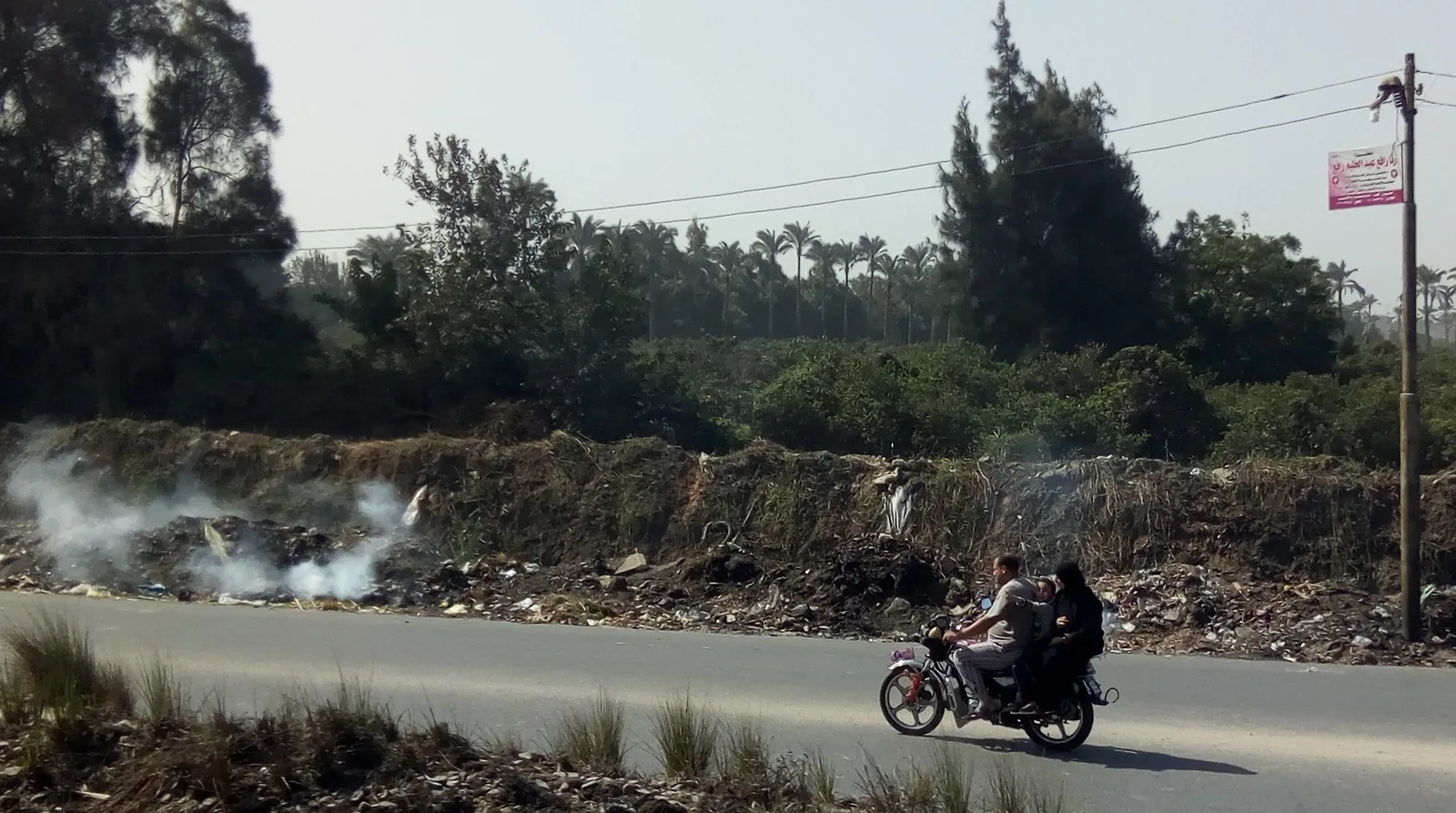
Quatre sur une moto et pas un casque : la tête nue est ce qu'une famille peut perdre de plus cher sur la route
En deuxième semaine de rentrée, la même scène se répète : un père au guidon, un enfant devant, un autre derrière, la mère serrant les cartables, pas un seul casque. La presse, citant la CAPMAS, relève un bond des décès de 190 à 897 entre 2020 et 2024, alors qu'une revue Cochrane montre que le casque seul réduit le risque de décès de 42 %. La loi sanctionne la tête nue depuis 1999, amende relevée en 2008. Pourquoi ne s'y plie-t-on pas ?
23 septembre 2026 · 8 min de lecture
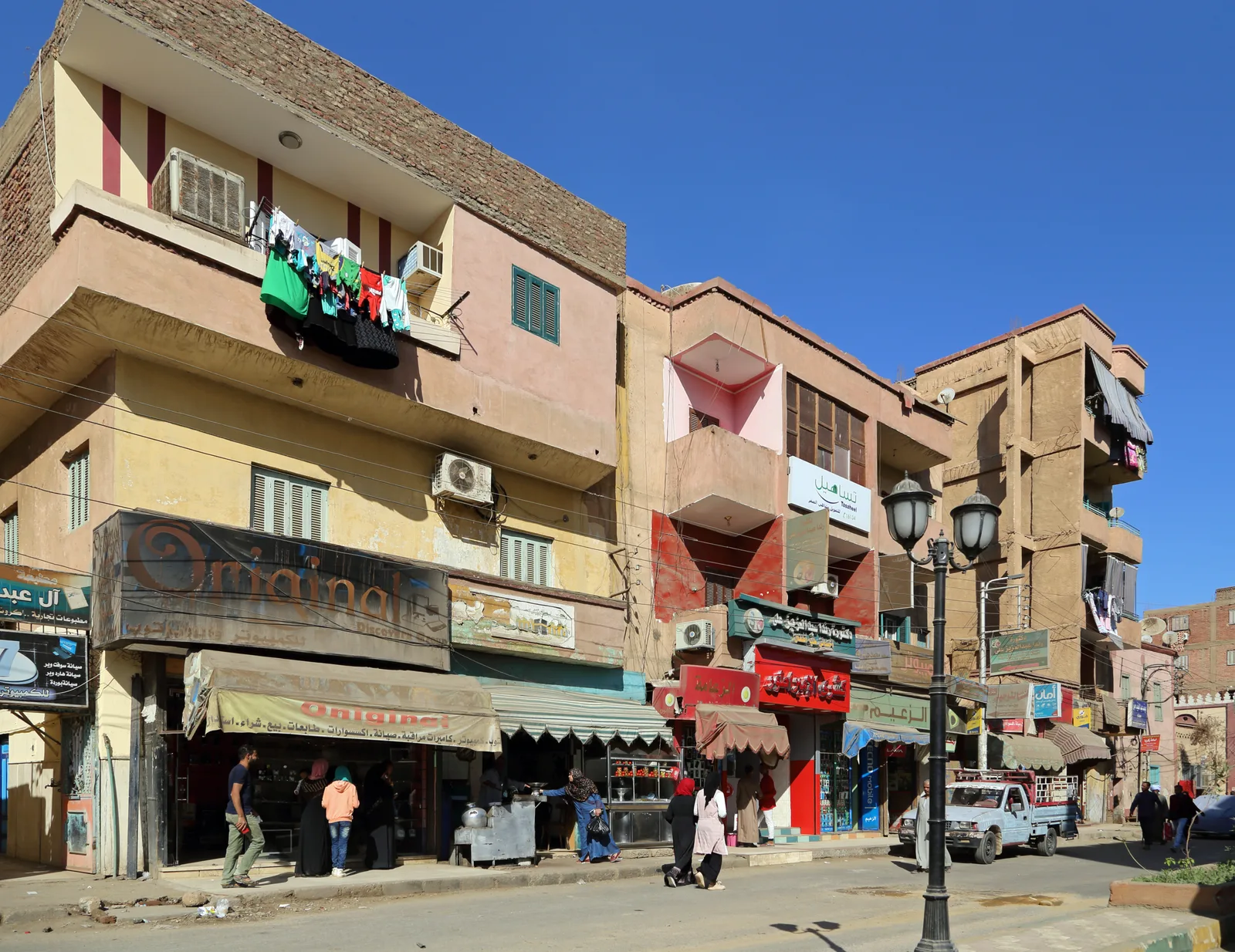
« Un branchement sur le câble » n'est pas malin : le vol d'électricité, un crime payé par tout le quartier
Un fil dénudé qui pend d'un poteau à un balcon, un climatiseur sur un compteur immobile, et un fusible qui saute pour la troisième fois, plongeant dans le noir un voisin qui paie sa facture. L'article 71 de la loi sur l'électricité qualifie cela d'appropriation illégale du courant, punie de prison et d'amende, tandis qu'un amendement plus sévère attend la Chambre. Que perd toute une rue pour un seul branchement ? Et quelle est la bonne solution ?
14 septembre 2026 · 7 min de lecture