« Ici, c'est chez moi » : le sayes voyou, ou quand le racket se déguise en service obligatoire
Il se poste dans une rue dont il ne possède pas une pierre, distribue les places de stationnement comme si c'était son domaine, fixe le tarif selon son humeur — et qui proteste s'expose à un coup de clé sur la carrosserie ou à une parole blessante devant sa famille. Le sayes sans licence qui s'impose par l'intimidation n'est pas un prestataire de service : c'est un percepteur de racket. Ça, c'est mal : la rue est un bien public, et la loi a réglementé le métier — aucune excuse pour la voyoucratie qui en revêt l'habit.
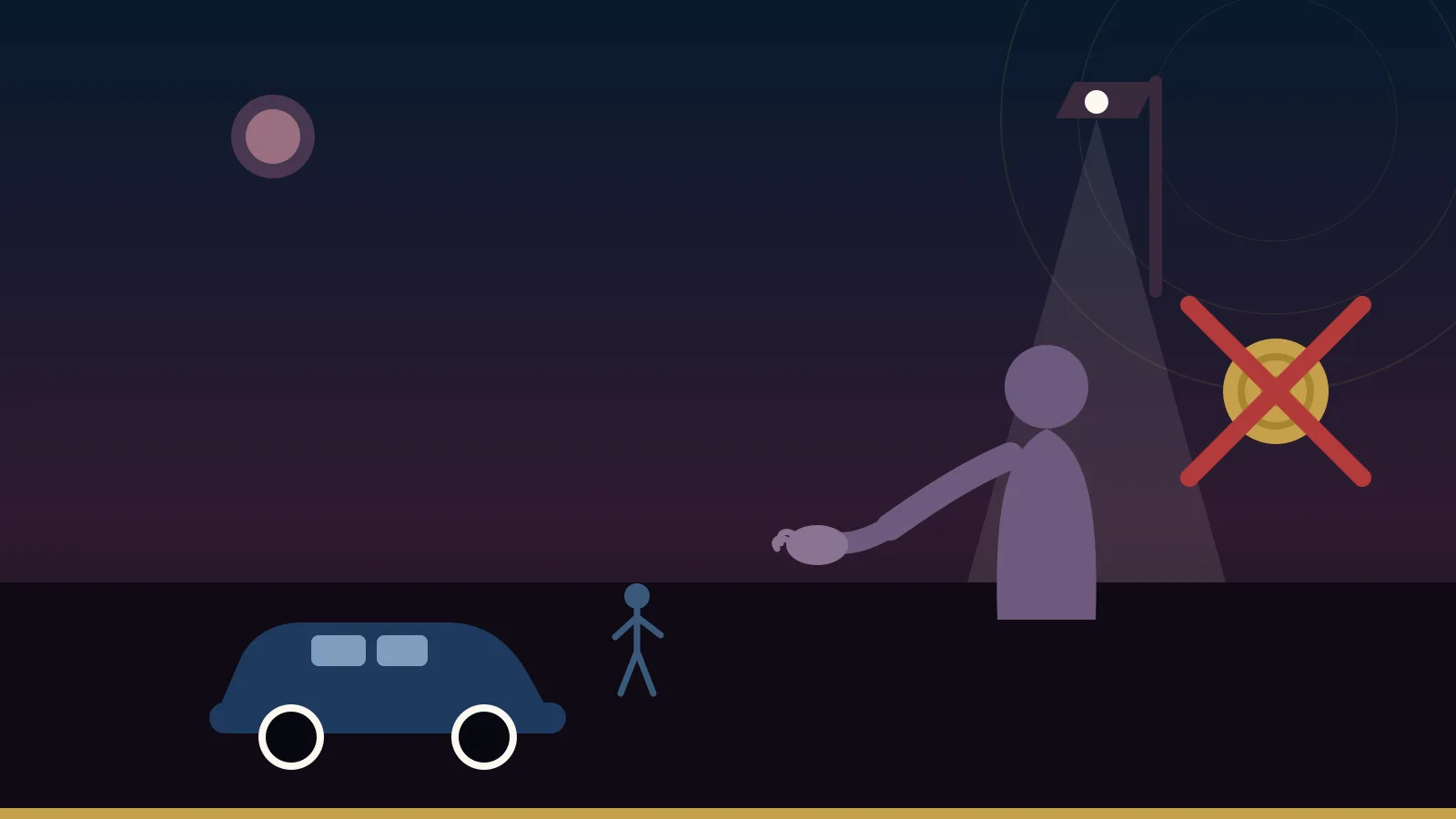
Vous connaissez l'histoire avant même qu'elle ne s'achève : vous vous engagez dans une rue transversale à la recherche d'une place, et surgit de nulle part un homme qui vous fait signe avec l'assurance de celui à qui appartient le bitume : « Par ici, patron. » Vous n'avez rien demandé, et il ne vous a pas demandé si vous vouliez de ses services ; mais à partir de cet instant, le voilà devenu l'associé obligé de votre stationnement, et au retour vous paierez ce qu'il aura décidé. Malheur à vous si vous discutez le montant ou si vous ignorez la main tendue.
Posons d'abord une distinction nette, car l'équité est le mot d'ordre de cette rubrique : il y a le gardien de voitures honnête, celui que tout le quartier connaît, qui travaille dur, surveille réellement les véhicules, aide à se glisser dans une place étroite et se contente de ce qu'on lui donne de bon cœur. C'est un gagne-pain honorable auquel nous ne toucherons pas d'un mot, et que la loi a encadré en lui ouvrant une voie légale. Notre propos vise une tout autre espèce : celui qui a mis la main sur une rue publique et transformé le droit de circuler et de stationner, garanti à tous, en une marchandise vendue sous la contrainte.
Le fond de l'affaire est d'abord moral : cet homme vous vend ce qui ne lui appartient pas. La rue est un bien public ; la place de stationnement y est soit un droit commun à tous, soit un service que l'État organise contre une redevance connue. Lui, en réalité, n'offre qu'une seule chose : la levée d'une nuisance dont il est lui-même la source. Vous ne payez pas le prix d'un service, vous payez la sécurité de votre voiture face à lui, précisément. C'est la définition littérale du racket.
Et l'affront dépasse de loin les quelques livres versées. C'est le sentiment, pour un citoyen, d'être rançonné dans une rue de son propre pays, devant sa femme et ses enfants, contraint de choisir entre payer en baissant la tête ou entrer dans une altercation dont il ignore l'issue : une longue rayure au clou, un rétroviseur arraché, un pneu dégonflé ou, dans le pire des cas, une menace ouverte. Combien de fois avons-nous vu un conducteur ravaler sa colère et payer, non par conviction mais pour éviter le pire, puis repartir avec une amertume de plus accumulée sur toutes les autres.
Plus grave encore, certains sont passés de l'individu à la structure : des bandes se partagent les rues comme un butin, réservent les places avec des chaises et des bidons d'eau, louent le droit de stationner à l'heure et au mois, et chassent de la rue quiconque ne paie pas. Nous ne sommes plus alors devant l'écart d'un individu, mais devant un petit pouvoir parallèle qui impose sa propre loi à un espace public, et tout pouvoir parallèle commence petit.
La loi égyptienne n'a pas laissé cette zone dans le flou : la loi n° 150 de 2020 réglementant l'activité des organisateurs de stationnement en a fait un métier soumis à licence, avec des conditions, des règles et un tarif encadré, et a érigé en infraction son exercice sans autorisation. La distinction est donc aujourd'hui aussi claire en droit qu'en morale : d'un côté un organisateur de stationnement agréé qui travaille dans le cadre des règles, de l'autre un usurpateur qui prélève une taxe sous couvert de métier. Et celui qui recourt à la menace ou endommage la voiture d'un récalcitrant est déjà entré dans le champ des infractions réprimées par le code pénal.
Nous ne passerons pas non plus sous silence la racine sociale : beaucoup de ceux qui exercent ce métier y ont été poussés par l'absence de débouchés, et certains font vivre toute une famille de ces quelques livres. Cela mérite d'être traité sérieusement dans les politiques de l'emploi, mais ne saurait justifier l'intimidation : le besoin plaide pour celui qui travaille honnêtement, il ne plaide pas pour celui qui rackette les gens. Et la loi qui a organisé la profession a ouvert une porte légale à qui veut l'emprunter.
Ce que l'on attend du citoyen : ne récompensez pas l'intimidation par une soumission permanente, comme s'il s'agissait d'une fatalité. Soutenez le gardien honnête et titulaire d'une licence, donnez-lui de bon cœur ; mais documentez l'agression si elle survient et signalez-la, car chaque incident qui passe sans plainte enracine un peu plus l'idée que la rue appartient à celui qui s'impose. Et n'achetez pas non plus, par téléphone, des « places réservées » auprès de ces groupes qui accaparent la voirie : qui loue un bien volé finance le vol.
Ce que l'on attend de l'État : appliquer la loi sur l'organisation du stationnement dans ses deux volets, en facilitant une véritable délivrance de licences à qui veut travailler honnêtement et en sévissant contre qui exerce sans autorisation ou impose des redevances de force, le tout accompagné d'une réponse de fond qui tarisse la source : un stationnement organisé, avec marquage au sol, tarifs affichés et moyens de paiement clairs dans les rues encombrées. Là où existe une règle publiée, l'espace se rétrécit pour celui qui invente la sienne.
L'histoire du gardien de voitures qui règne par la force dépasse le simple créneau : c'est la question de savoir qui gouverne la rue, la règle commune ou le bras le plus fort posté au coin. Chaque fois qu'un citoyen paie son tribut avec un sourire forcé, la mauvaise réponse avance d'un pas. C'est mal, tout simplement. Le juste tableau, c'est un citoyen qui gare sa voiture dans une rue de son pays la tête haute, ne payant rien d'autre qu'un tarif connu pour un service réel qu'il a choisi librement.
À lire aussi

« Keda ghalat » (« Ça, c'est mal ») : maltraiter un animal est un crime au regard du Code pénal égyptien depuis 1937
Un voisin dépose des gamelles empoisonnées près du mur de l'école ; un charretier frappe son âne au visage sous une charge trop lourde. Beaucoup croient qu'« un animal » n'est protégé par aucune loi. En réalité, les articles 355, 356 et 357 du Code pénal sanctionnent tuer, empoisonner et maltraiter un animal, jusqu'à l'emprisonnement. À la veille de la Journée mondiale des animaux, voici ce que dit la loi.
3 octobre 2026 · 6 min de lecture
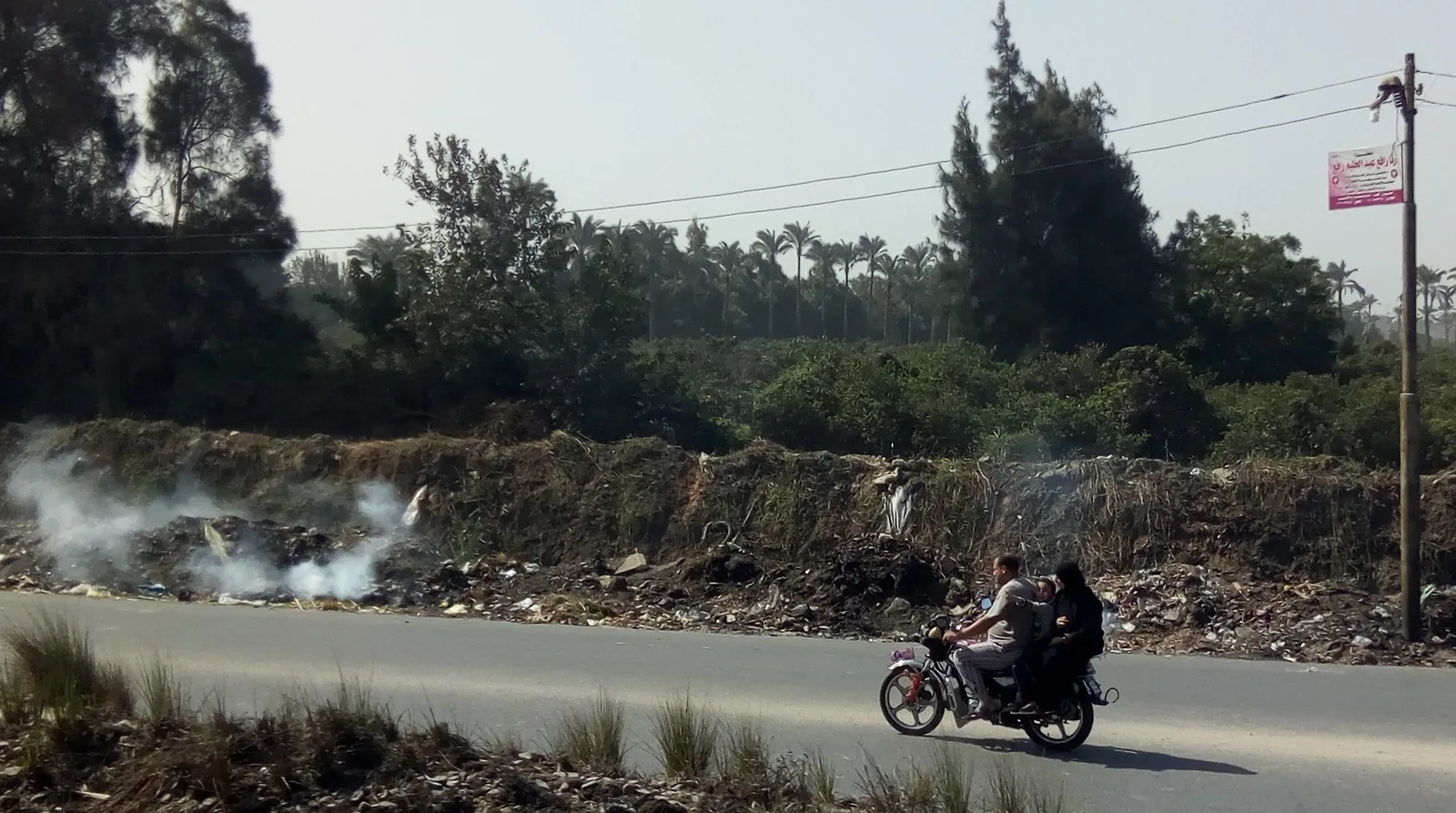
Quatre sur une moto et pas un casque : la tête nue est ce qu'une famille peut perdre de plus cher sur la route
En deuxième semaine de rentrée, la même scène se répète : un père au guidon, un enfant devant, un autre derrière, la mère serrant les cartables, pas un seul casque. La presse, citant la CAPMAS, relève un bond des décès de 190 à 897 entre 2020 et 2024, alors qu'une revue Cochrane montre que le casque seul réduit le risque de décès de 42 %. La loi sanctionne la tête nue depuis 1999, amende relevée en 2008. Pourquoi ne s'y plie-t-on pas ?
23 septembre 2026 · 8 min de lecture
« Un branchement sur le câble » n'est pas malin : le vol d'électricité, un crime payé par tout le quartier
Un fil dénudé qui pend d'un poteau à un balcon, un climatiseur sur un compteur immobile, et un fusible qui saute pour la troisième fois, plongeant dans le noir un voisin qui paie sa facture. L'article 71 de la loi sur l'électricité qualifie cela d'appropriation illégale du courant, punie de prison et d'amende, tandis qu'un amendement plus sévère attend la Chambre. Que perd toute une rue pour un seul branchement ? Et quelle est la bonne solution ?
14 septembre 2026 · 7 min de lecture