Ägypter im Ausland: Millionen-Diaspora, Lebensader der Überweisungen und kulturelle Bande, die nie abreißen
Von den Krankenhäusern am Golf bis zu den Apotheken Torontos: Millionen Ägypter leben und arbeiten im Ausland. Wie groß ist die Diaspora, warum zählen ihre Überweisungen zu Ägyptens wichtigsten Devisenquellen – und wie halten Fußball, Küche und Religion die Bindung an die Heimat über Generationen lebendig?
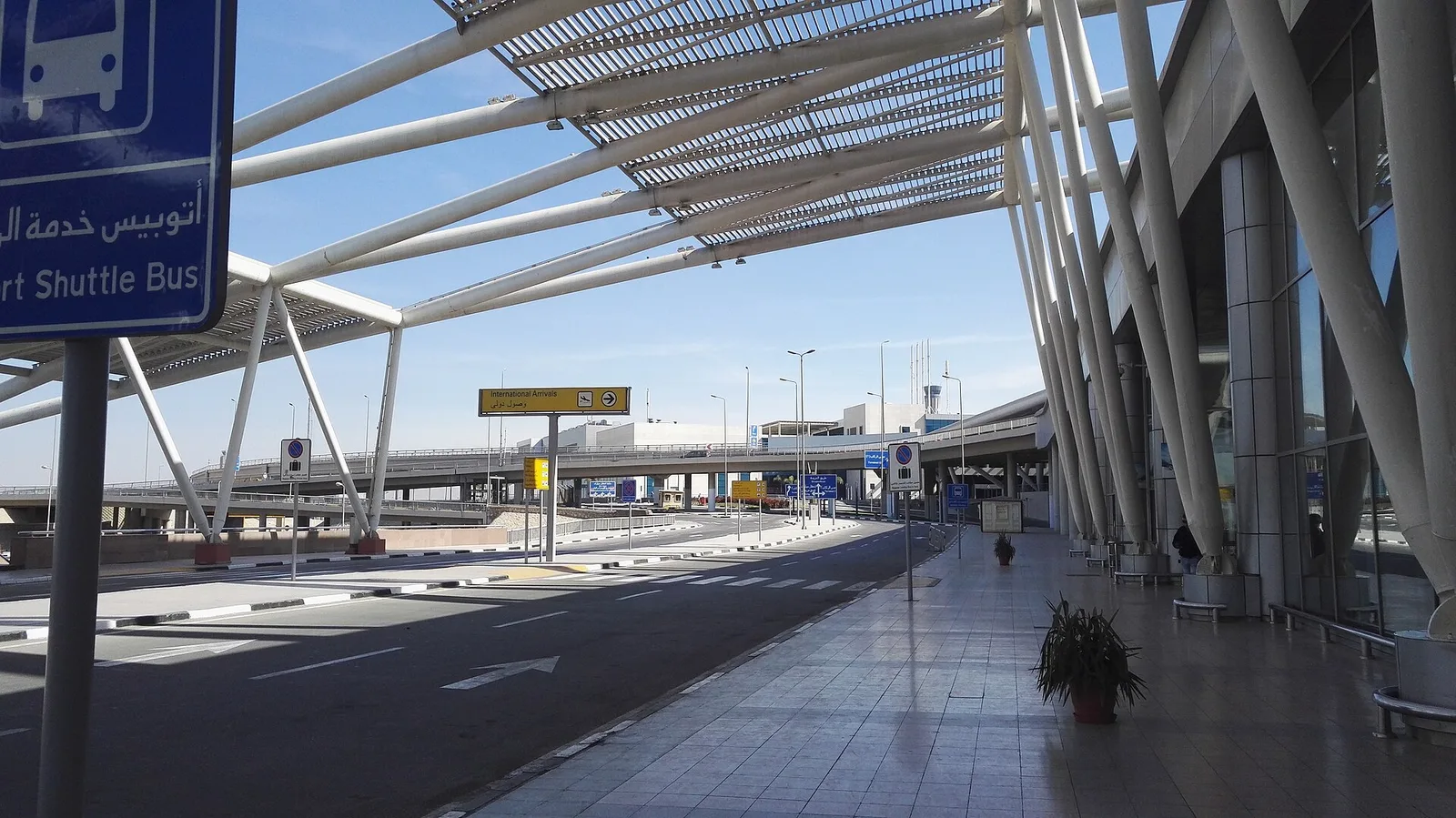
Auf den Krankenstationen von Riad und Kuwait, in den Ingenieurbüros von Dubai, in den Restaurantküchen von Mailand, in den Apotheken von Toronto und in den Hörsälen der Vereinigten Staaten arbeiten Ägypterinnen und Ägypter fern vom Nil. Ägypten hat eine der größten Auslandsgemeinden der arabischen Welt, und seine Ausgewanderten prägen Wirtschaft und Kultur der Heimat ebenso sehr, wie ihre Aufnahmegesellschaften sie prägen. Dieser Artikel fragt nach ihrer Zahl, nach den Ländern, in denen sie leben, nach der Bedeutung ihrer Geldüberweisungen und danach, wie die Bindungen fortbestehen.
Sie genau zu zählen ist unmöglich, und eine ehrliche Berichterstattung sagt das offen. Offizielle ägyptische Schätzungen schwankten über die Jahre zwischen wenigen Millionen und weit über zehn Millionen Menschen — je nach Definition: befristet Beschäftigte oder dauerhaft Ausgewanderte? registrierte Staatsangehörige oder alle Personen ägyptischer Herkunft? nur die erste Generation oder auch deren Kinder? Die Statistiken der Aufnahmeländer verwenden ihrerseits andere Kategorien. Worin alle Zahlen übereinstimmen, ist die Größenordnung: eine Gemeinde, die nach Millionen zählt und einen beachtlichen Anteil der Bevölkerung Ägyptens ausmacht.
Die Geographie teilt die Auslandsgemeinde in zwei große Welten. Der größere Teil lebt nach den meisten Schätzungen in den arabischen Staaten — Saudi-Arabien ist historisch das wichtigste Aufnahmeland, daneben die Vereinigten Arabischen Emirate, Kuwait, Katar und Jordanien, während Libyen in früheren Jahrzehnten ein bedeutendes Ziel war — und diese Migration gilt überwiegend als befristete Arbeitsmigration. Die zweite Welt ist die dauerhafte Niederlassung im Westen: Die Vereinigten Staaten, Kanada, Italien, Frankreich, das Vereinigte Königreich, Australien und Griechenland beherbergen fest verwurzelte ägyptische Gemeinden mit zweiten und dritten Generationen.
Dieser große Strom hat eine Vorgeschichte. Vor den 1970er-Jahren war die Auswanderung begrenzt und häufig staatlich gelenkt; Lehrkräfte und Fachleute wurden in neu unabhängige arabische und afrikanische Staaten entsandt. Dann verwandelten der Ölboom nach 1973 und die ägyptische Politik der wirtschaftlichen Öffnung das Rinnsal in eine Welle: Ärzte, Ingenieure, Lehrer, Buchhalter und Handwerker zogen an den Golf und nach Libyen und schickten Löhne nach Hause, die Häuser bauten und Geschwistern eine Ausbildung ermöglichten. Parallel dazu wuchs die Auswanderung in den Westen, meist über Studium und qualifizierte Berufswege.
Die Geldüberweisungen sind der messbarste Beitrag der Auslandsgemeinde. Ägypten zählt beständig zu den weltweit größten Empfängern von Migrantenüberweisungen; in manchen Jahren erreichten die Zuflüsse mehrere zehn Milliarden Dollar. Für die Volkswirtschaft sind sie eine der wichtigsten Devisenquellen — in vielen Jahren übertrafen sie die Einnahmen aus dem Sueskanal oder dem Tourismus — und anders als Kredite begründen sie keine Schulden. Ihre genaue Höhe schwankt mit den Volkswirtschaften am Golf und den Ölzyklen und vor allem mit dem Vertrauen in das ägyptische Wechselkurssystem selbst.
Auf der Ebene der Familien sind die Überweisungen in den Alltag eingewoben. Sie bezahlen Schulgebühren und Arztrechnungen, lassen in den Dörfern des Deltas und Oberägyptens Häuser Stockwerk für Stockwerk wachsen, finanzieren Hochzeiten und kleine Betriebe und ernähren Eltern und Geschwister. Ökonomen verweisen darauf, wie empfindlich dieses Muster auf die Politik reagiert: Entfernt sich der amtliche Wechselkurs vom inoffiziellen, verlagern sich die Überweisungen in informelle Kanäle oder in Warenlieferungen; schließt sich die Lücke, kehrt das Geld zu den Banken zurück. Das Geld bewegt sich immer; die Frage ist nur, auf welchem Weg.
Kultur reist auf denselben Wegen in beide Richtungen. Ägyptische Filme und Fernsehserien sowie der Fußball — allen voran die Nationalmannschaft und ihre Stars — binden die Ausgewanderten an die Heimat, während Ramadan-Zusammenkünfte, ägyptische Restaurants und Lebensmittelläden ihre Geschmäcker im Ausland neu erschaffen. Halt finden die Gemeinden in ihren religiösen Einrichtungen: Koptisch-orthodoxe Kirchen erstrecken sich heute über die Kontinente, mit großen Gemeinden in Nordamerika und Australien, während Moscheen und Kulturvereine die muslimischen Gemeinschaften betreuen. Gemeindeschulen wiederum unterrichten Arabisch für Kinder, die im Ausland geboren wurden.
Der ägyptische Staat wendet sich über eigens geschaffene Institutionen an seine Auslandsgemeinde. Es gibt ein Ministerressort für Auswanderung und die Angelegenheiten der Ägypter im Ausland, dazu Botschaften und Konsulate, die Dokumente, Krisenfälle und Begegnungskonferenzen betreuen. Seit den Verfassungsänderungen zu Beginn der 2010er-Jahre stimmen Ägypterinnen und Ägypter im Ausland bei Präsidentschaftswahlen und Referenden in den Konsulaten ab; ihre Wahlbeteiligung wird in den Medien prominent herausgestellt. Zudem wirbt der Staat mit besonderen Anlageprodukten um die Ersparnisse der Ausgewanderten — Initiativen, die unterschiedlich aufgenommen wurden und umstritten geblieben sind.
Einzelne Namen zeigen, wie weit die Auslandsgemeinde reicht. Der Herzchirurg Sir Magdi Yacoub baute in Großbritannien eine herausragende Laufbahn auf, bevor er in Ägypten gemeinnützige Herzzentren gründete; der verstorbene Ahmed Zewail erhielt 1999 den Nobelpreis für Chemie, als er am California Institute of Technology tätig war, und blieb eine bedeutende öffentliche Figur Ägyptens. Schauspieler, Wissenschaftler, Unternehmer und Fußballer in den europäischen Ligen tragen die ägyptische Identität auf die Bühnen der Welt — und ihre Erfolge werden in der Heimat mit einem Stolz verfolgt, als wären sie der Erfolg jedes einzelnen Haushalts.
Die Geschichte der Auslandsgemeinde kennt auch Härten: Arbeitskonflikte und die Zwänge der Bürgschaftssysteme in manchen Aufnahmeländern, den Schmerz von Familien, die jahrzehntelang getrennt leben, und eine lange nationale Debatte darüber, ob der Weggang von Ärzten und Wissenschaftlern eine Abwanderung von Fachkräften ist oder — über Überweisungen, Netzwerke und zurückkehrende Qualifikationen — ein aufgeschobener Gewinn. Unstrittig ist dagegen die Bindung selbst: Mit den Löhnen, die sie schicken, den Anliegen, für die sie eintreten, und dem Arabisch, das sie ihren Kindern beibringen, bleiben die Ägypter im Ausland eine Verlängerung Ägyptens über dessen Grenzen hinaus.
Verwandte Artikel
Ein Loch im Himmel, geschlossen durch einen Vertrag: Montreal-Protokoll und Ägyptens Rolle für die Ozonschicht
Am 16. September begeht die Welt den Internationalen Tag zur Erhaltung der Ozonschicht: einen Vertrag, der von allen Ländern der Erde ratifiziert wurde und tatsächlich funktionierte. Von einer wissenschaftlichen Arbeit 1974 über Montreal 1987 bis zu Ägyptens Ratifizierung 1988 und der Kigali-Änderung 2023: die Geschichte der Kältemittelflasche in der Hand eines Technikers, und warum sich der Himmel um 2040 erholen soll.
16. September 2026 · 7 Min. Lesezeit
Die Arabische Liga: Das Haus der Araber, dessen Fenster auf den Tahrir-Platz blicken
Ein paar Schritte vom Tahrir-Platz entfernt steht „das Haus der Araber“: eine der ältesten Regionalorganisationen der Welt, in Kairo gegründet noch vor der Charta der Vereinten Nationen selbst. Wie arbeiten ihre Gipfel und ihr Generalsekretariat? Warum binden ihre Beschlüsse nur den, der sie annimmt? Und was hat es mit dem Umzug nach Tunis und der Rückkehr auf sich? Ein Rundgang durch einen alten Nachbarn, an dem wir täglich vorbeigehen und den wir doch kaum kennen.
2. September 2026 · 7 Min. Lesezeit
Unter dem blauen Dach: Wie die UNO funktioniert – und wer im Sicherheitsrat das „Veto“ hat
Sobald irgendwo eine Krise ausbricht, heißt es: Der Sicherheitsrat ist zusammengetreten, ein Staat hat sein „Veto“ eingelegt. Doch was geschieht wirklich unter dem blauen Dach? Eine Reise vom Saal der Generalversammlung zum hufeisenförmigen Tisch: wie eine UN-Resolution entsteht, wann sie bindend ist, wie ein einziges Wort sie zu Fall bringt – und welchen Platz Ägypten in dieser Szenerie hat.
26. August 2026 · 8 Min. Lesezeit